
If Your Parents Never Made You Do 11 Specific Things Against Your Will, They Probably Did An Outstanding Job Raising You
 PeopleImages | Shutterstock
 Parents are flooded with all sorts of pressure to build a perfect-looking family. They receive this pressure online and from their families, and it can feel inescapable.
But great parents don't push their kids toward performative or inauthentic behaviors. They don't force them to grow up too fast or be anyone other than who they truly are. If this sounds familiar, you are likely one of the rare people who truly felt loved as a child.
Truly great parents never make their kids do these 11 things when they aren't ready
1. Give people hugs
 JLco Julia Amaral | Shutterstock
If your parents never forced you to hug people when you didn’t want to, no matter who asked, they were looking out for your best interests. They firmly believed that you never owed anyone obligatory affection, not your grandma, your aunt, or even them. By not forcing you into unwanted hugs and kisses, they taught you how to set personal boundaries and that you deserved bodily autonomy, reinforcing that your body belonged to you and nobody else.
Ireti Aderayo Adegbesan, a researcher in human development and family studies at the University of North Carolina, described bodily autonomy as “the right of an individual to have control over their body, and withdraw consent from activities involving their body at any time.”
She noted that establishing bodily autonomy involves “respecting boundaries, affirmative consent, and self-defined personal comfort with affectionate touch.”
By letting you decide who you wanted to hug, your parents did a great job raising you to understand your physical boundaries and comfort levels, which helped keep you safe.
2. Share toys when in it would cause distress
 fizkes | Shutterstock
Great parents raise kids to be generous, but never force them to share when it causes emotional distress in the moment. If you can relate, it's likely your parents encouraged you to consider your friends' feelings when you played together, but they didn’t force you to give up a prized possession before you were ready to share.
Instead, they had conversations before playdates so special things would be put away and not be an issue, and plans could be made to prepare for how to make sure everyone felt included. That way, you felt prepared for what to do in the moment, should conflict arise and sharing didn't have to become an emotionally explosive situation.
3. Finish every bite on your plate
 PeopleImages | Shutterstock
Dinnertime with young children can turn into a serious power struggle. Even if your parents get frustrated with your picky eating, they let you decide how much food you want. They never forced you to finish all the food on your plate, which many suspect can cause kids to have an unhealthy relationship with food.
They probably asked you to try a bite of everything they made, but they didn't push the issue if you didn’t like it. Instead of forcing you to clean your plate, they encouraged you to listen to what your body needed. You grew up to recognize your hunger cues and nourish yourself as required in a way that felt right for you.
4. Suppress your emotions
 PeopleImages | Shutterstock
If you feel like an emotionally aware adult, it's likely your parents never forced you to repress your emotions or hide how you felt when times were tough.
When you were angry, they let you express it, as long as you didn’t hurt yourself or others. When you were sad, they held you as you cried. When you were happy, they celebrated alongside you. Because an emotion was painful or difficult for them to witness, they never forced you to keep it to yourself.
The Kids Mental Health Foundation notes that "the best way to teach kids to express emotions is by making the time to talk about them and normalizing all feelings.”
Parents can help kids figure out their feelings with daily check-ins, which “will let [kids] know you care, you are listening, and you are there to support them.” It’s also crucial for parents to validate how their kids feel, even when they disagree.
Emotional expression doesn’t happen automatically. It’s a learned skill that children need to become successful, emotionally available adults.
5. Sacrifice your emotional well-being for perfect grades
 Dziurek | Shutterstock
Your parents never forced you to bring home a perfect report card, and that is likely one of the greatest gifts they could give. Yes, they raised you to work hard in school, but also understood that grades aren’t always the best indicator of intelligence or ability.
Instead of expecting straight As, they emphasized effort and intellectual growth, instead of perfection.
Psychologist Sheryl Ziegler explains that "setting unrealistic and perfection-driven expectations is bad for kids [but] setting high expectations is good for kids.”
In her professional experience, she sees parents who are “afraid to either push too hard and stress kids out, or not push hard enough and then have unsuccessful children. But this issue is not about pushing; it’s about being clear about your values and setting the bar your children will strive toward and achieve most of them.”
6. Chase someone else's dreams
 Odua Images | Shutterstock
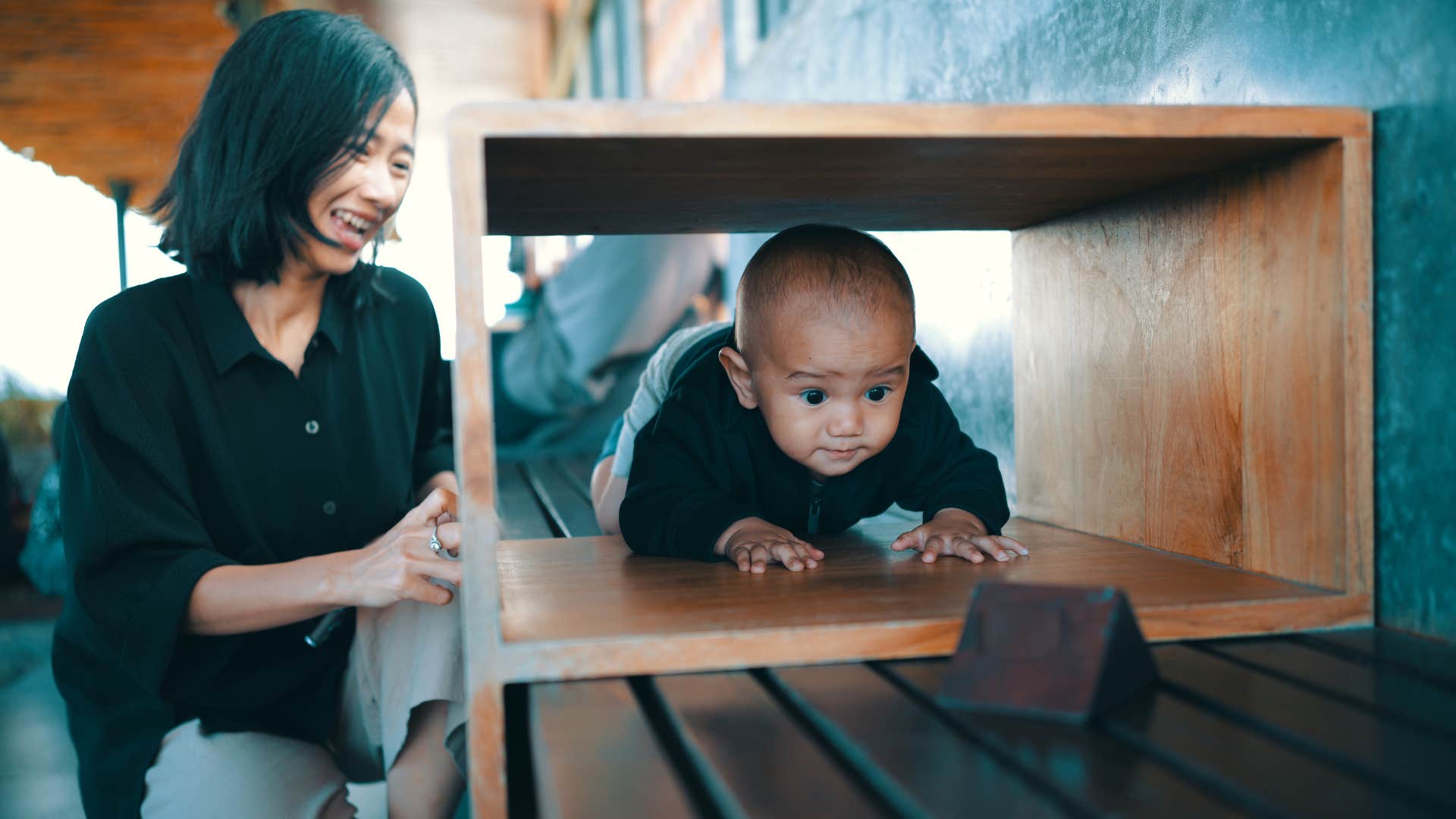
Great parents build a loving, supportive foundation for kids to be successful, but they don't expect them accept their parents' version of what success looks like. I
If this is how you were raised, your parents encouraged you to develop your own identity and live your life in a way that felt most authentic to you. They didn’t force their hopes and dreams onto you. They acknowledged your independence and let you find your way in the world.
“Our kids will learn to be independent adults if parents allow them to make their own decisions,” coach Kathy Ramsperger explains. “This way, they learn from their mistakes and own their own successes.”
By “demanding they play the sports we love and apply to the college of our choice, they won't get a chance to become the beautiful people they're intended to be,” she explains. “By giving them choices, we empower them for a brilliant future that they'll own and love.”
7. Say 'yes' to every opportunity or request
 Sorapop Udomsri | Shutterstock
Your parents did a great job raising you to honor your needs because they never forced you to say “yes” to everything and everyone just to be nice or avoid conflict.
They taught you that making decisions based on other people’s needs would leave you feeling depleted. They built up your innate sense of self-worth by letting you know that you didn’t have to become a people-pleaser; you were equally as lovable when you said “no” as when you said “yes.”
Parents who say “no” aren’t being negative for no reason; they’re helping their kids set boundaries and understand their limits, precisely what your parents did for you.
8. Pretend to be happy
 Dragon Images | Shutterstock
Your parents allowed you to express your emotions, even if they were uncomfortable. If you were unhappy, they didn’t force you to feel otherwise. They never expected you to fake your happiness because they knew that teaching you toxic positivity would disrupt your emotional development.
They did a great job raising you to understand that all feelings are valid, even when hurt. Even more importantly, feeling bad didn’t mean you were a bad kid, it just meant you’re human.
By allowing you to fully experience your emotions, your parents gave you the freedom to have genuine feelings.
9. Dismiss or ignore your intution
 Veronika Zelenina | Shutterstock
Your parents did a great job raising you to listen to your instincts and act in a way that honored your needs. They never forced you to ignore your intuition. Instead, they taught you how to tune into yourself and pay attention to the messages you heard.
Yes, they helped you sort through these feelings when they arose and taught you to tell the difference between a gut intuition and a simple fear. That way, you learned which feelings you could set aside and which ones to listen to, a skill a kid cannot learn if their parents dismiss your gut feelings.
By listening to your intuition, you gained essential skills for figuring out how you felt, which is a key part of keeping yourself safe.
10. To be anyone you're not
 Stock Rocket | Shutterstock
Your parents did a great job raising you because they never had any expectations for who you would become. They never forced you to change who you are just to fit in. They taught you that self-acceptance is the only path to loving yourself fully.
Your parents encourage you to be yourself, setting you up to thrive. They let you bloom on your own time and never made unfair comparisons, especially with your siblings. Put simply, they loved you for who you were, and they still do today.
11. Grow up too fast
 PeopleImages.com - Yuri A
Your parents never forced you to take on responsibilities that were too grown-up for you to handle, and they did this out of love and protection. They didn’t rush you through your childhood or expect you to do things you weren’t developmentally ready to do. They let you grow at your own pace and tackle challenges when you were ready.
Your parents expected you to pitch in and help around the house, but they didn’t dream of demanding that you do everything yourself. They stood alongside you and guided you through. They never told you to grow up, they just let you be a kid.
Alexandra Blogier, MFA, is a staff writer who covers psychology, social issues, relationships, self-help topics, and human interest stories.

