
Your Mom Or Dad Was An Emotional Bully If They Did 11 Things When You Were Growing Up
 fast-stock | Shutterstock
Growing up with a mom or dad who acted like an emotional bully can mess with how you see yourself for a long time. They may not have hit you or screamed every day, but they still made you feel small, guilty, nervous, or responsible for their feelings. When a parent uses shame, silence, blame, or criticism to control a child, it can make that child feel like love has to be earned instead of freely given.
A lot of kids don't realize what happened until they are adults. They just know they grew up feeling anxious and afraid of upsetting their parent. If your mom or dad did these things when they were raising you, they may have been an emotional bully, and the way they treated you may still affect how you handle love and trust now as an adult.
Your mom or dad was an emotional bully if they did 11 things when you were growing up:
1. They mocked or belittled you to stay in control
 fizkes | Shutterstock
While there may not be physical symptoms of belittling behavior for children who grow up with emotional bullies as parents, it can still be psychologically disillusioning and traumatic for kids to experience early in life.
From name-calling to dismissing kids' emotions and shaming them for expressing their needs, toxic parents often instill intense feelings of anxiety, uncertainty, and self-doubt in their kids that follow them into adulthood.
Of course, recognizing this kind of dismissive behavior as a means to gain control often starts in adulthood for children of emotional bullies. Not only did they encourage you to feel uncertain and unvalued to take advantage of you, but they also fueled their own ego and grandiose sense of self by assuming the role of authority in your life.
2. You were always nervous about their emotional outbursts
 DimaBerlin | Shutterstock
Alongside other defense mechanisms to fear, like "fight or flight," experts like family therapist Dr. Jaime Ballard, PhD, argue there's an alternative called "fawning" that's common for people who grew up in emotionally volatile environments.
One of the painful signs that one of your parents was an emotional bully is your tendency to people-please to protect yourself from the fear and anxiety associated with an emotional outburst or other toxic tactics like guilt-tripping and shaming.
If you grew up taking on this burden of fear, afraid you would say the wrong thing or be yelled at for expressing your emotions, chances are you've carried this tendency towards people-pleasing into adulthood.
By acknowledging and addressing this defense mechanism, you allow yourself to pursue people who can resolve conflicts in healthy ways and communicate emotions without anxiety or judgment.
3. They made you feel guilty for having feelings
 MAYA LAB | shutterstock
To maintain control at home and avoid the accountability and discomfort associated with their own hurtful language and behaviors, many emotionally manipulative parents make their kids feel guilty for expressing emotion.
Rather than support them through their emotions and apologize for overstepping boundaries or behaving hurtfully, these kinds of parents avoid and dismiss emotion, subtly teaching their kids that vulnerability is a bad, shameful, and uncomfortable thing to engage in.
While we might be able to recognize the toxicity behind these behaviors and call them out as adults, many of the signs that one of your parents was an emotional bully is that you're still falling into their toxic habits and defense mechanisms today.
Consider how your current relationships may be falling into a similar trap of avoiding accountability or vulnerability, which can be more subtle and less obvious than you realize.
4. They blamed you for their problems
 fizkes | shutterstock
According to behavioral management professional James Lehman, MSW, the key to teaching kids how to take responsibility is acting as a healthy role model, someone who doesn't make excuses or blame-shift, but rather, takes accountability for their weaknesses and mistakes.
One of the indications that one of your parents was an emotional bully isn't just their inability to act as a role model, but their tendency to blame you for their mistakes, encouraging you to take on the emotional burdens and anxiety of their struggles.
Rather than allowing you to get uncomfortable and grow confidence around responsibility, emotionally manipulative parents weaponize these uncomfortable feelings, linking shame to responsibility in a way that's detrimental to a child's emotional growth.
In many ways, children of these kinds of parents often avoid any kind of emotional expression or confrontation with their parents early in life, afraid of being painted as the perpetrator of their own confusion or hurt.
5. You had to beg for their attention and love
 Zoran Jesic | shutterstock
Many children with emotionally manipulative parents may have had a roof over their heads and food on the table, but they weren't getting their most important emotional needs met. From feeling like love was transactional to being blamed for their parents' mistakes and gaslit into avoiding emotion and confrontation, these kids had to beg for positive attention, love, and praise.
While it's possible you might have forgotten the specific instances of childhood neglect as an adult, as research from the Journal of Traumatic Stress suggests, behaviors like people-pleasing, attention-seeking, and being fueled by external validation can be a manifestation of your unmet needs as a kid.
Rather than having the unconditional trust and love parents are supposed to provide for their kids, you were forced to transactionally seek them, only feeling worthy of love when you were providing something in return. This misguided truth becomes a reality for kids, manifesting in their behaviors and coping mechanisms, and often following them into adult relationships.
6. They used silence or coldness to punish you
 fizkes | Shutterstock
Withholding love, affection, praise, and emotion can be a means of control and is one of the sad cues that one of your parents was an emotional bully, according to family therapist Zoe Reyes, LMFT.
While it can look wildly different depending on the family and situation, withholding affection typically looks like giving your child the cold shoulder or the silent treatment when they make a decision you don't like.
Rather than opening up to honest conversation and expressing emotion, as healthy parents encourage with their kids at home, toxic parents seek to get what they want in transactional terms, encouraging their kids to beg or plead for positive reassurance or praise.
7. They made you question your own reality
 fizkes | Shutterstock
According to a study published in Psychology and Aging, a great deal of the tensions that plague parent-child relationships in adulthood are instigated by toxic behaviors earlier in life, like emotional manipulation and gaslighting.
When a parent deliberately tries to sow doubt and confusion in their children's lives, it's not just a means of control but a way to break down their child's trust in themselves, making them easier to exploit.
By making them question their reality and doubt themselves, toxic parents not only encourage them into insecure mindsets, but they also avoid healthy arguments and confrontations that can build their kids' psychological and emotional skills later in life.
8. You felt relieved when they were not around
 Media_Photos | shutterstock
Many children who grew up with manipulative parents seek solace in their hyper-independence later in life, but this value for alone time and isolation starts in childhood.
Rather than interacting and bonding with their parents, kids with emotionally manipulative parents found relief when they weren't around, no longer burdened with shame or anxiety, awaiting an emotional outburst or feeling pressured into people-pleasing tendencies.
While it's one of the more subtle signs that one of your parents was an emotional bully, the simple feeling of relief you felt as a child when you escaped the control of your parents can encourage you to avoid connection and commitment later in life.
9. They talked badly about you to other people
 PeopleImages | shutterstock
It can feel impossible to avoid negative energy and drama as a child when your parents are prone to gossiping, not just about other people, but also about you. Whether it's a means of dismissing your emotions or gaining control, many emotionally manipulative parents speak poorly about their kids to others, damaging their self-worth and encouraging them to adopt similarly toxic mindsets.
In adulthood, this can cause a great deal of resentment and anxiety in a parent-child relationship, where an adult child constantly feels bullied and invalidated when their parents are around.
10. Their expectations were always changing
 fizkes | Shutterstock
According to psychologist Dr. Becky Spelman, one sign that your parents were emotional bullies was their tendency to move the goalposts to withhold affection and praise from their kids.
For example, if you wanted to go to a friend's house, they'd say yes, but only if you agreed to do chores beforehand. However, when it was time for you to leave, they'd make excuses for why you didn't do well enough to go or introduce new things you needed to do to "prove yourself worthy" of fun.
In adulthood, this lack of foundational trust and unconditional love may encourage you to isolate from truly vulnerable and healthy connections, seeking the security of independence to feel safe.
You may also have unrealistically high standards and expectations for yourself, never truly able to feel pride or confidence, similar to the mindset you were forced into as a kid.
11. Your relationship felt codependent
 Zoran Jesic | shutterstock
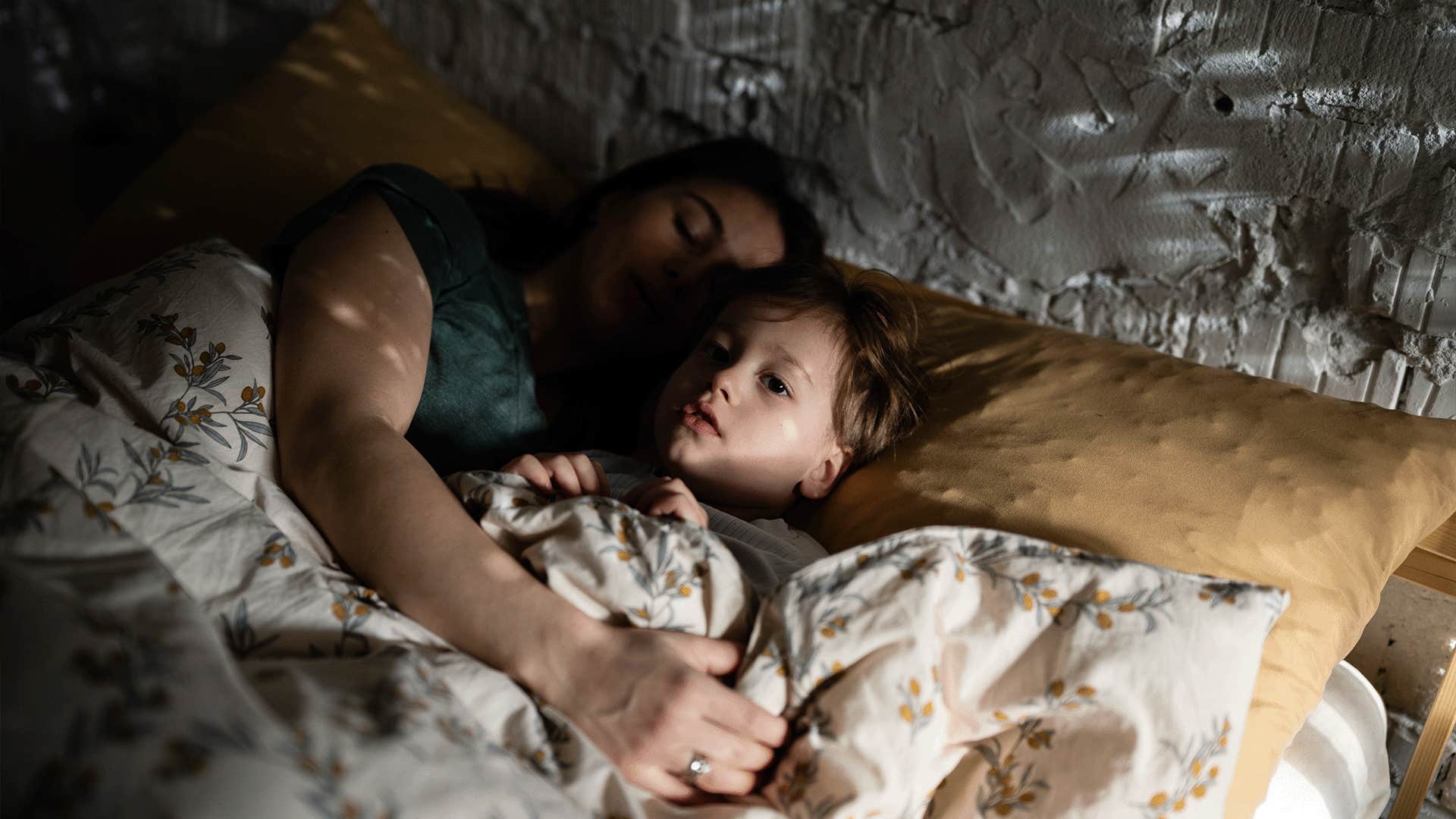
Emotionally manipulative parents struggle especially hard when their kids become adults and have the autonomy and power to leave the home.
From a young age, these kinds of parents often develop a codependent relationship, not just because they need the stability of control over a child to feel comfortable, but also by encouraging their kids into more insecure, self-doubting mindsets that, in a way, need them.
When adult children grow up, start to build their own lives, and leave home, this can be disorienting for manipulative and insecure parents, encouraging them to overstep boundaries and guilt-trip their kids into giving them the attention they need to feel secure.
By recognizing how your co-dependency with a parent as a child was a result of their emotional manipulation and need for control, you not only heal your inner child, who only wants attention and unconditional love, but you also move forward with more clarity on the boundaries you need to thrive.
Zayda Slabbekoorn is a staff writer with a bachelor's degree in social relations & policy and gender studies, focusing on psychology, relationships, self-help, and human-interest stories.

