
Parents Who Raise Kids Who Make Smart Decisions Later Tend To Teach These 9 Things Early On
 Camille Minouflet | Unsplash
Imagine your child is applying to colleges. Yes, even if they are small children right now, you can imagine this. What do you want for them at that time? How will you know if they're making the right decision?
Or, perhaps, you can imagine your child got all the way through grad school, but they still don't have a job. Would you be concerned? What if research encouraged you not to interfere but to support, even when you wonder if they're ready to fly solo?
Every parent hopes their child will grow into someone who makes good choices, even (and especially) when nobody's watching. But that kind of judgment doesn't just show up one day. The parents who seem to get this right and raise solid decision-makers are teaching skills that stick, rather than trying to control every move.
Parents who raise kids who make smart decisions later tend to teach these 9 things early:
1. How to find focus
 Monkey Business Images via Shutterstock
Today's distractions are everywhere. Social media can be persuasive and vicious. John Hopkins Medicine said, "those who spend more time on social media tend to show more symptoms of depression. However, there could be a number of reasons for this association."
Encourage your kids to focus on what they would like to do next in life, not on what others tell them to do. As they take steps toward these present goals, they will build toward knowing what they want when they grow up. They'll also have a better sense of who they are and what they want to offer the world.
Can you truly prepare them for the time when you're no longer right next to them, helping them make each decision? Yes, you can give your kids the life skills they need to make good life and career choices, no matter what — if, that is, you've realized their lives aren't going to be like yours. Knowing that is the first big step toward empowering your kids to make good decisions when they grow up.
2. How to find perspective
 PreciousJ via Shutterstock
How do you empower kids to make good decisions when they're older? Forward-thinking parents know it's all about teaching them how to make good decisions, and neither you nor your kids even know they'll have to make one day. And that's less about GPA and more about critical thinking and emotional intelligence. Research has found that emotional intelligence in children is related to their intra- and interpersonal relationships, school life, cognition, and creativity."
Many kids I have spoken with see the world through a narrow lens — their own. Teach your kids to see another person's point of view, come up with multiple solutions to a problem, and walk in another person's shoes. They can do all of this with travel, writing, and reading multicultural stories, and sitting down to a meal with people who look different, think differently, or behave differently than they do.
3. How to communicate creatively
 fizkes via Shutterstock
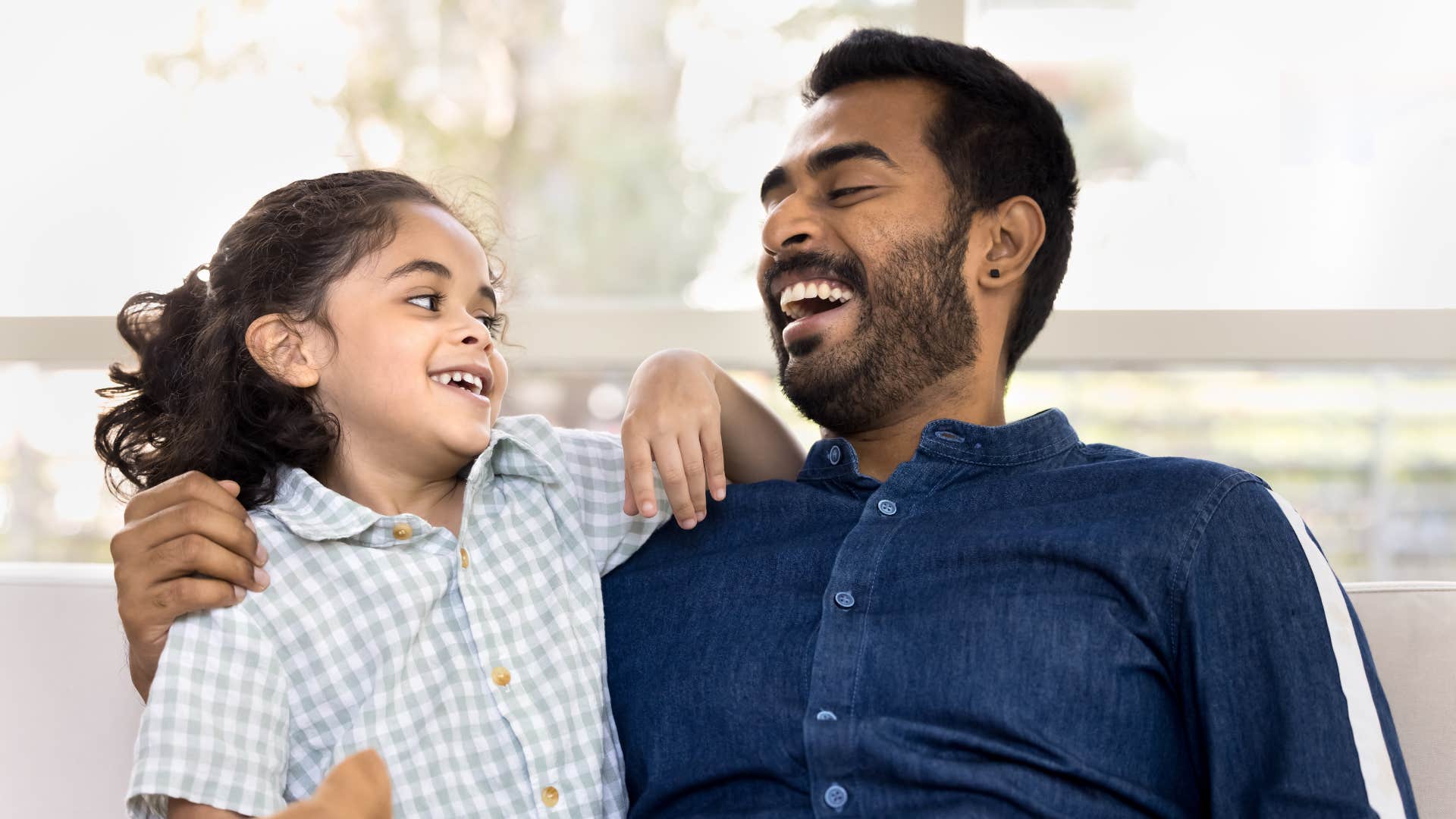
In my career, I write about communications and creativity because I think it's the most important business skill. Help your child through any stress of speaking their mind and truth by sitting and listening to them without judgment.
Have them do the same for their peers. Have them assist you in answering phone calls or emails to get them beyond texting. Teach them how to resolve conflict with kind, open-minded words and not heated arguments (or worse).
4. How to use critical thinking
 PeopleImages.com - Yuri A via Shutterstock
Let them make their own decisions and their own mistakes. This will help them figure out that the first solution might not be the best solution for them. Step in only when you think they are in danger physically or mentally, not when they take a wrong turn.
I advise against helicopter or snowplow parenting. Yet, this era is stressful if you have a young adult in the house. I had two of my own. One was bound to teach in China. One was bound for an internship in Rome. Both jobs fell through in 2020.
Wondering if I panicked? A little. They had fine GPAs from good schools, but they weren't magna cum laude. They looked good on paper, but hated interviews. They were, however, leaders in what they loved to do. My son enjoys helping kids who are different. My daughter is artistic. Both have athletic natures. Wondering if they got other jobs? Yes, because they had certain life skills other job seekers didn't.
5. How to be wise about risk-taking
 BaLL LunLa via Shutterstock
Remember when you were a young adult. We rebelled when our parents told us that the risks we took weren't worth it. Most young adults still do, and some are stronger-willed than others. That determination will serve them well in the future. I'm not talking about life-threatening decisions here. I'm talking about the friends they hang out with, the solo trips they want to take, or the courses that ignite them.
You can't see what your young adult child will be doing 25 years from now because you cannot see their future. You cannot see any future. I know this from experience.
When I was 16, the very first female anchor arrived at our local television station. Her name was Ann Compton, and she went on to be a White House correspondent. I was fascinated with her because I didn't know that women could anchor the news. Imagine being the only female news anchor today!
I told my dad that's what I wanted to be when I graduated. He sneered, "That's not going to give you a good salary." I listened to him and became a print journalist instead, by default. I wish I'd listened to my heart and not to my father's. He couldn't see my future. I had a glimmer of it because I was immersed in broadcast news, just like today's kids are immersed in TikTok.
By the time CNN came to be, I would have been in a much better place to step into national broadcast journalism. But it turned out OK. I was still able to use that skill set. I host a podcast now because, just like our kids will, I've had several careers in a lifetime.
I had transferable skills. And even though my dad wasn't thinking about the future, my parents had given me the life skills to succeed in anything I aspired to.
6. How to respect struggle
 fizkes via Shutterstock
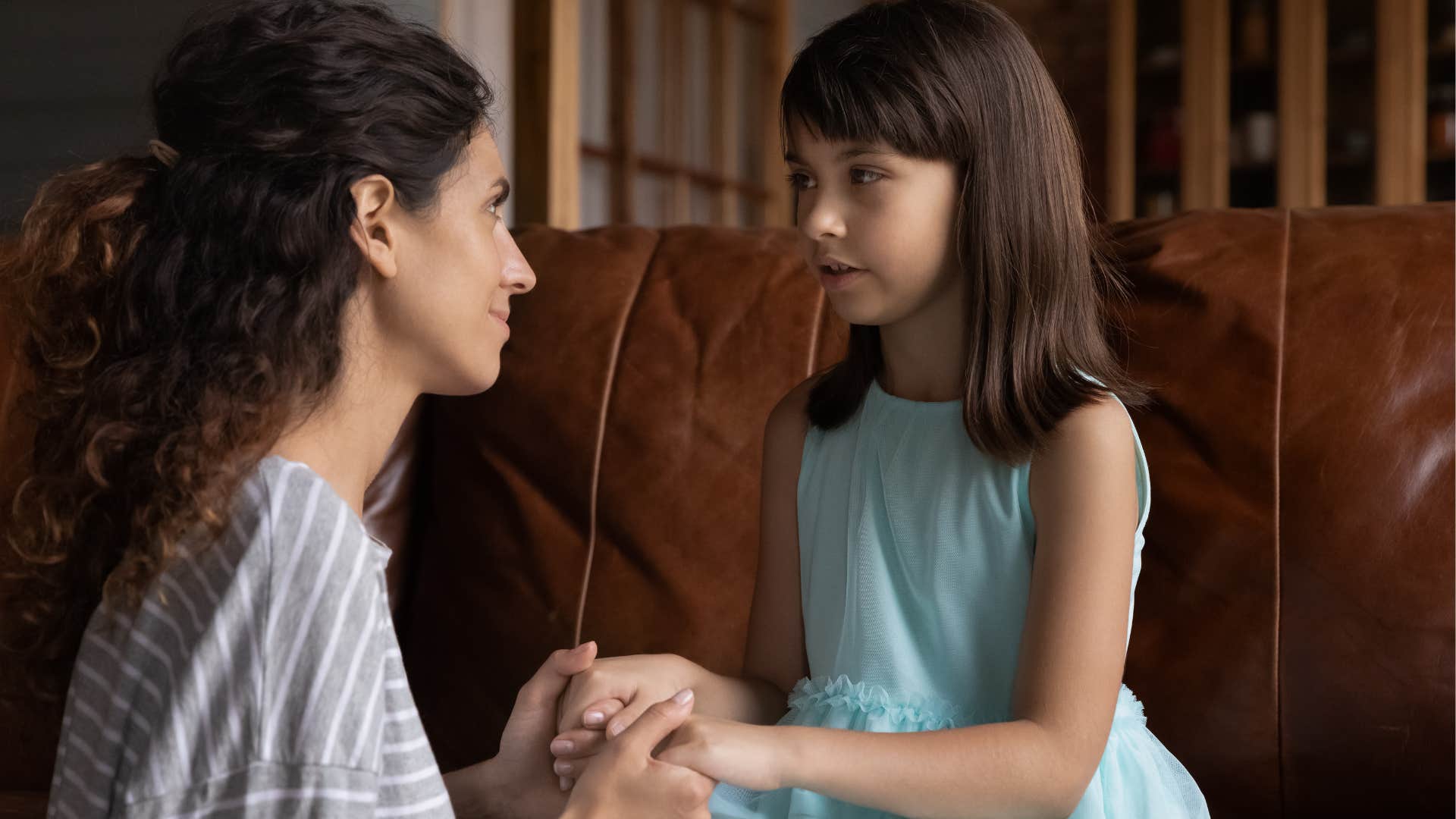
Research explored how risk-taking can lead to struggle, but isn't that a lesson about life? As long as our kids practice compassion and empathy for others and towards themselves, they'll get through it all. They'll learn. My son's teaching position fell through in China due to the pandemic. However, he's teaching online and will be positioned as a great choice for a full-time overseas teaching position. He thought about the future and could see the big picture.
7. How to be independent
 Nicoleta Ionescu via Shutterstock
Don't do the work for them. Research has suggested letting them do it, and you will watch as they become an amazing asset to their communities, a treasured friend, and an amazing, happy person. And isn't that what we want for all of our kids?
My experience with my dad made me hold my tongue when my daughter dropped out of art school to pursue advertising instead of art. She's now interning at a renowned national theatre as an advertising graphic artist and market research analyst. I let her make her own decisions, her own mistakes, gave her life skills, and not just academic skills, and stood back and watched after she turned 17.
This internship is only the first step of many in her career. She'll have to navigate work with love, relationships, and family. She'll have to decide where to live, when it's time to ask for a promotion, or when it's best to leave. That's what she's equipped to do.
8. How to be reliable
 fizkes via Shutterstock
The lack of this quality is a huge reason why so many young people lose their jobs. They can have gifts that set the world on fire, but if they don't show up at work and don't follow through, they will struggle no matter what their skill sets are. The best way to navigate the future is without a crystal ball. You can't see the future. But you can equip your kids to deal with it. You can help your kids learn how to make decisions they don't even know they'll have to make right now.
9. How to be resilient
 Inside Creative House via Shutterstock
All of these qualities equal a resilient, balanced person who is capable of making their own decisions, recovering from their failures, and capable of seeing and fulfilling their potential. How can you know it will all be okay?
Emotional intelligence wins over IQ any day. Give your kids life skills. Empower them and let them make their own decisions. Help them learn how to make their decisions, not what decisions to make, because you're grooming them to make decisions they (and definitely not you) will know about only decades from now. If you're forward-thinking now, your kids' future will be bright — and so will the world they live in.
Kathryn Brown Ramsperger wrote for National Geographic and Kiplinger before working as a humanitarian journalist. She's an intuitive creativity coach and creator of Step Into Your Story!, as well as the author of two novels, including A Thousand Flying Things.

