
Parents Who Raise Genuinely Good Humans Use 13 Rare Phrases On A Regular Basis
 Tanja Nikolaenko | Shutterstock
Especially with so many new parenting styles and advice floating around, it can be hard for parents to know what actually makes a difference when they're trying to raise good kids. Some advice is helpful, and some of it makes parenting feel harder than it has to be. But much of raising genuinely good humans comes down to the words parents use every day.
Parents who raise good kids use phrases that teach kids kindness, empathy, emotional intelligence, and healthy boundaries. These phrases help children understand their feelings and believe in themselves without thinking that the whole world revolves around them. When parents use these kinds of phrases regularly, they're teaching kids how to become thoughtful, decent people.
Parents who raise genuinely good humans use 13 rare phrases on a regular basis:
1. 'We don't comment on other people's bodies'
 Fizkes | Shutterstock.com
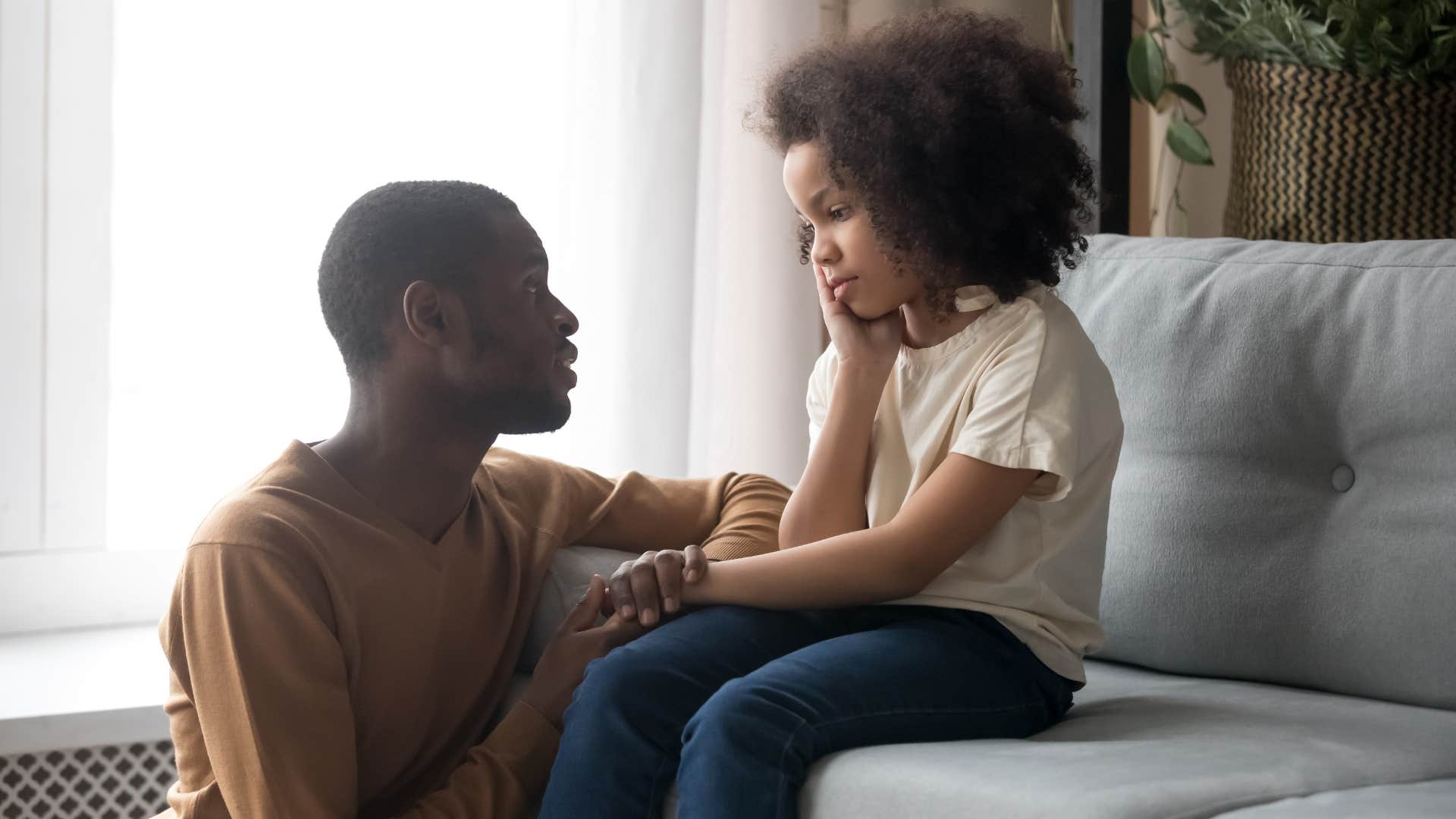
By setting clear boundaries around healthy communication, empathy, and social interaction, parents can ensure their children build healthy relationships in adulthood before they're even teenagers. Leading by example, these parents will ensure they don't speak poorly or judge anyone around their children unnecessarily.
They prioritize conversations about uniqueness, individuality, and the power of empathy, deconstructing a harmful societal norm that appearance is more telling and important than internal thought, perspective, and kindness.
2. 'You can be mad without being mean'
 Fizkes | Shutterstock.com
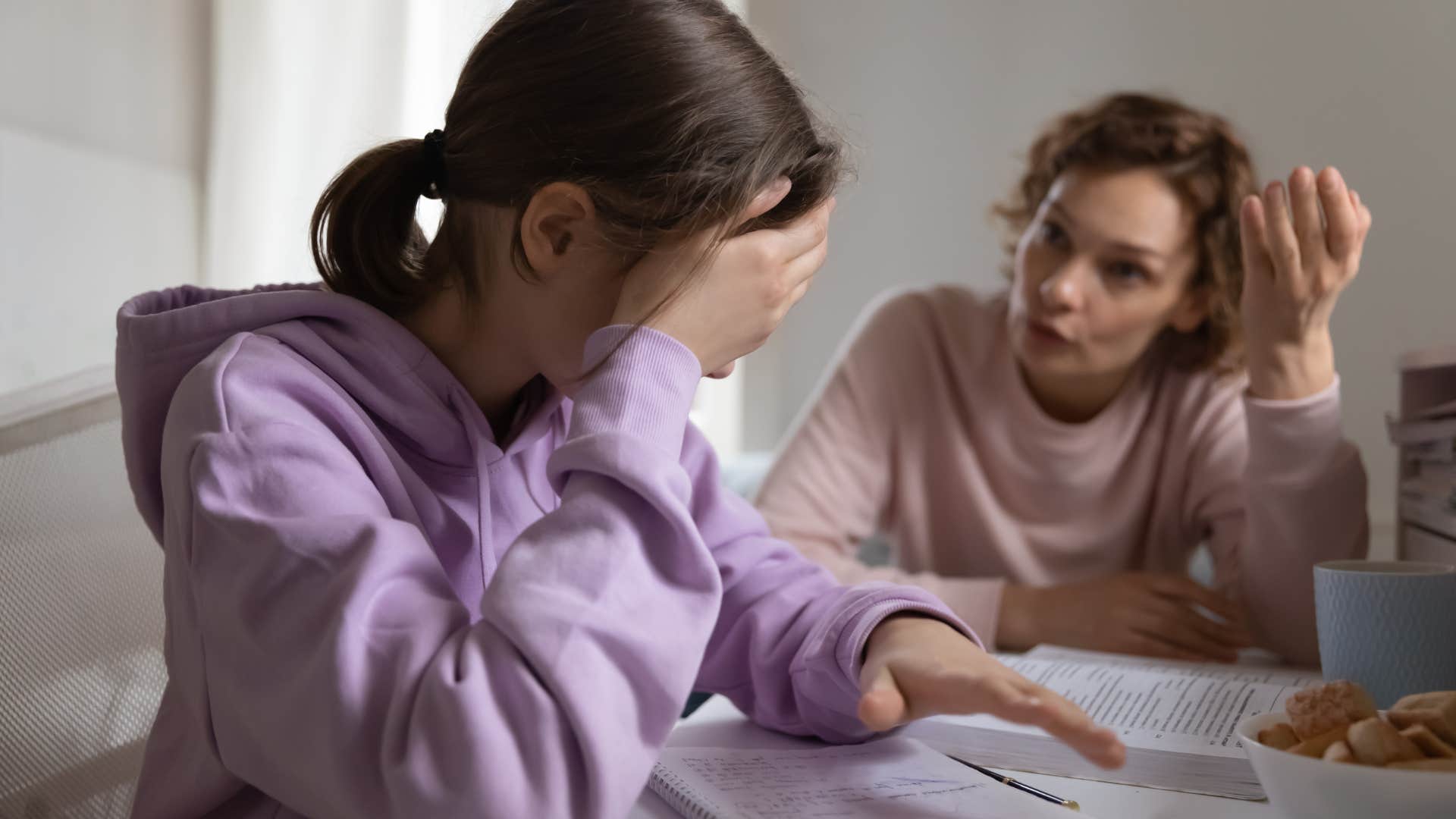
Even though they can be uncomfortable to express, emotions like anger and frustration are important to communicate, as repressing them only fuels greater internal distress and anxiety. Good parents ensure they cultivate safe spaces for their children to express these emotions, even amid conflicts or arguments, without judgment or critique.
However, they do prioritize basic empathy. Their kids are allowed to express these uncomfortable emotions, but not at the expense of their own emotional well-being. Beyond emotional and mental health benefits, adult children who grew up with healthy parents also face a lower risk of physical ailments, compulsive habits, and chronic stress, according to a study published in Nature Human Behavior.
3. 'What can we learn from this mistake?'
 Tanja Nikolaenko | Shutterstock
While these powerful parenting phrases are important, children absorb more wisdom and empowerment from their parents when those parents lead by example. By sharing your own mistakes, taking accountability for hurtful actions, and stepping in to listen when children express frustrations, you can embody the kind of healthy adult they strive to be.
According to the mental health magazine Psychologs, learning from our mistakes is a behavior that takes a lot of practice but remains foundational to our personal development, empathy, and perseverance.
4. 'No means no'
 PeopleImages | Shutterstock
Equipping children with empowering skills to stand up for themselves and invest in their own self-esteem is incredibly important for parents to prioritize, as it sets the standard for their future relationships and well-being.
Of course, it's not just teaching kids about language that sets them up for success, with phrases like "no means no"; it's also respecting their unique boundaries when they express them. If they don't want a hug, respect that. If they don't want to finish a meal, don't force them. Just as a good parent expects them to respect their choices, a child should feel the same.
5. 'It's okay to feel upset'
 Tanja Nikolaenko | Shutterstock
Validating a child's feelings and their unique expression of uncomfortable emotions can set them up for success with emotional intelligence in adulthood, which involves empathy and self-awareness that are much more difficult to master later in life. Cultivating a safe space for open communication, as the Action For Healthy Kids organization explains, can help you to guide their comfort with conflict and intense emotions.
6. 'Do you want help or do you just want me to listen?'
 PeopleImages | Shutterstock
Unprompted advice often lies at the heart of conflict and resentment between adult children and their parents. Sabotaging a sense of support and respect in basic familial relationships, a parent's tendency to dish out unprompted advice when their child really just needs a listening ear can be inherently problematic.
Instead, good parents devote themselves to healthy communication, asking open questions and respecting their children's boundaries in conversation, even when those boundaries are entirely unspoken. By actively listening, empathizing with their emotions, and only providing suggestions and solutions when prompted, parents give their children opportunities to practice healthy communication.
7. 'You know your body better than anyone else'
 Dean Drobot | Shutterstock
Reminding children that they're the boss of their own bodies can be incredibly impactful for their self-esteem, for adult boundaries around their bodies, and for their ability to communicate through uncomfortable situations and emotions.
Good parents not only give children decision-making power over their own bodies but also ensure they feel empowered to set their own boundaries around certain behaviors, such as hugs from family members or what they eat.
8. 'I appreciate your opinion, but I'm not changing my mind'
 dekazigzag | Shutterstock
As clinical experts from the Child Mind Institute argue, adult children who grow up with healthy boundaries with their parents tend to harbor healthier relationships in adulthood, not just with them, but with their future partners, friends, and peers.
Even if they don't appreciate a phrase like this as teenagers, it reasserts a healthy boundary that protects the stability of the family dynamic. It also helps kids practice empathy and set their own boundaries, as they're forced to express uncomfortable emotions to their parents and to respect the expectations their parents set.
9. 'Thank you for doing that'
 PeopleImages | Shutterstock
Expressing gratitude is incredibly important in any relationship, no matter how big or small the gesture. A study in the Journal of Happiness Studies argues that people who practice gratitude regularly live happier, more meaningful lives than those who don't, helping contribute to a balanced family dynamic even during tumultuous times.
By removing the sense of entitlement that many parents feel toward their children, they create a more balanced space for discussion, empathy, and gratitude, giving children room to feel appreciated for even the smallest helpful actions.
10. 'Your path is different from mine, but I support you'
 Tursk Aleksandra | Shutterstock
According to the Santos Counseling Center, many toxic adult attention-seeking and validation-centered behaviors are intrinsically connected to their childhood experiences and relationship with their parents. If they didn't feel unconditionally supported or loved, they felt pressured to seek validation through certain behaviors.
On the other hand, children with good parents growing up were often given the space to be themselves without judgment and celebrated in their unique identities. They were supported simply because of who they were, and never forced to go out of their way to beg for attention or approval.
11. 'I believe in you'
 ORION PRODUCTION | Shutterstock
Adult children who don't feel empowered or supported by their parents growing up tend to resort to people-pleasing and attention-seeking behaviors to get validation from others. It's the same validation they lacked from their parents. By using a positive phrase like "I believe in you," parents can help cultivate a safe, open space for their child to flourish.
Even prioritizing passing moments of support or family dinners, as a study in Nature Human Behavior explains, can create pockets of space for parents to casually express their pride. For kids, these passing moments are incredibly important, helping to empower and motivate them in their daily lives and in expressing and experimenting with their authentic identity.
12. 'Your opinions matter'
 Magic Lens | Shutterstock
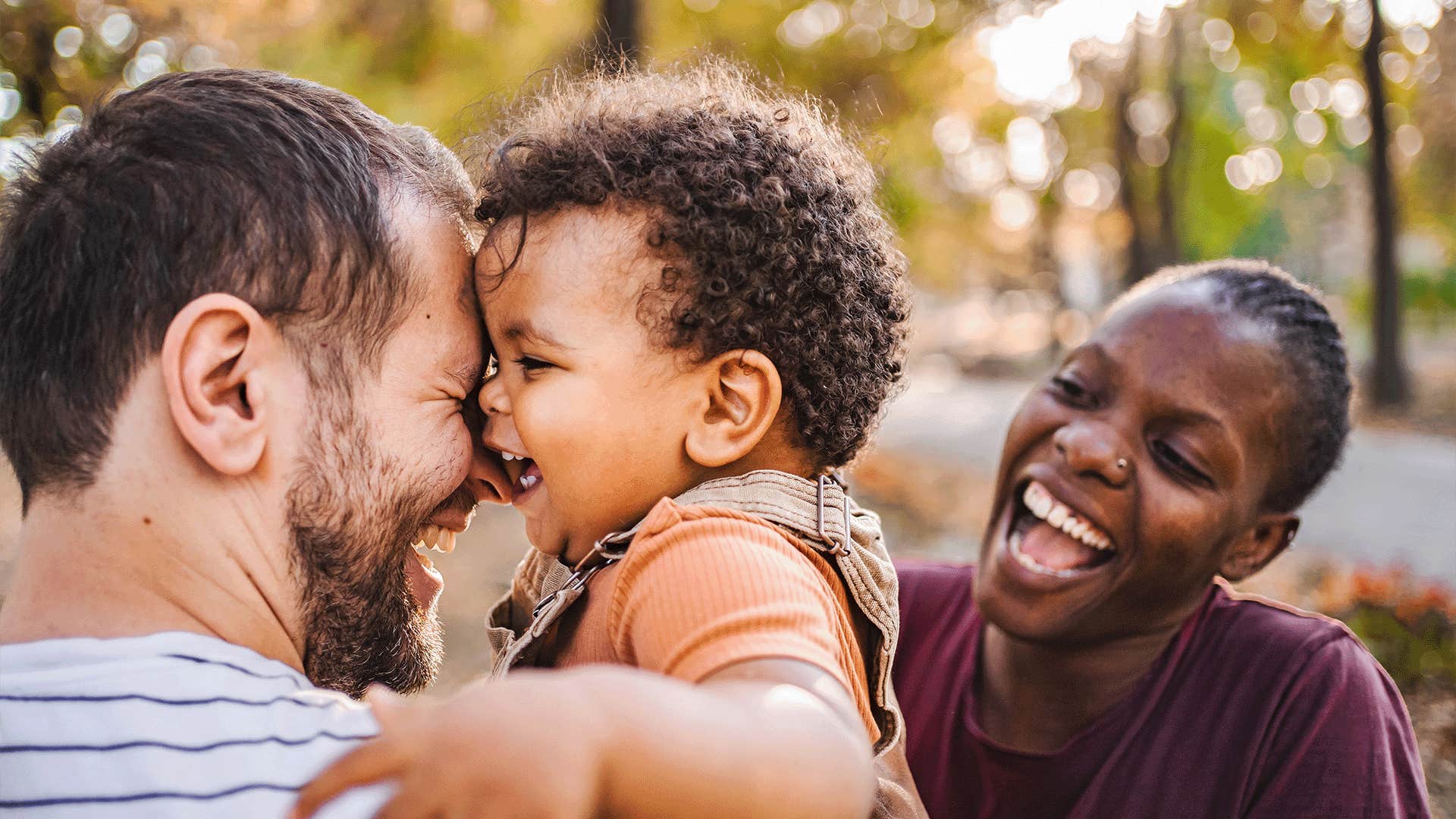
Alyson Gerber, the author of "Taking Up Space, Focused, and Braced," argues that children who grow up in unsafe or unsupportive environments often struggle to express their emotions and have unhealthy relationships in adulthood. Because their individuality was never celebrated and their emotional needs were left unmet, they learned to repress rather than express their feelings and opinions. Good, healthy parents use powerful yet simple phrases like this to ensure their kids feel empowered at home.
13. 'Not everything is going to be easy, but that's okay'
 PeopleImages | Shutterstock
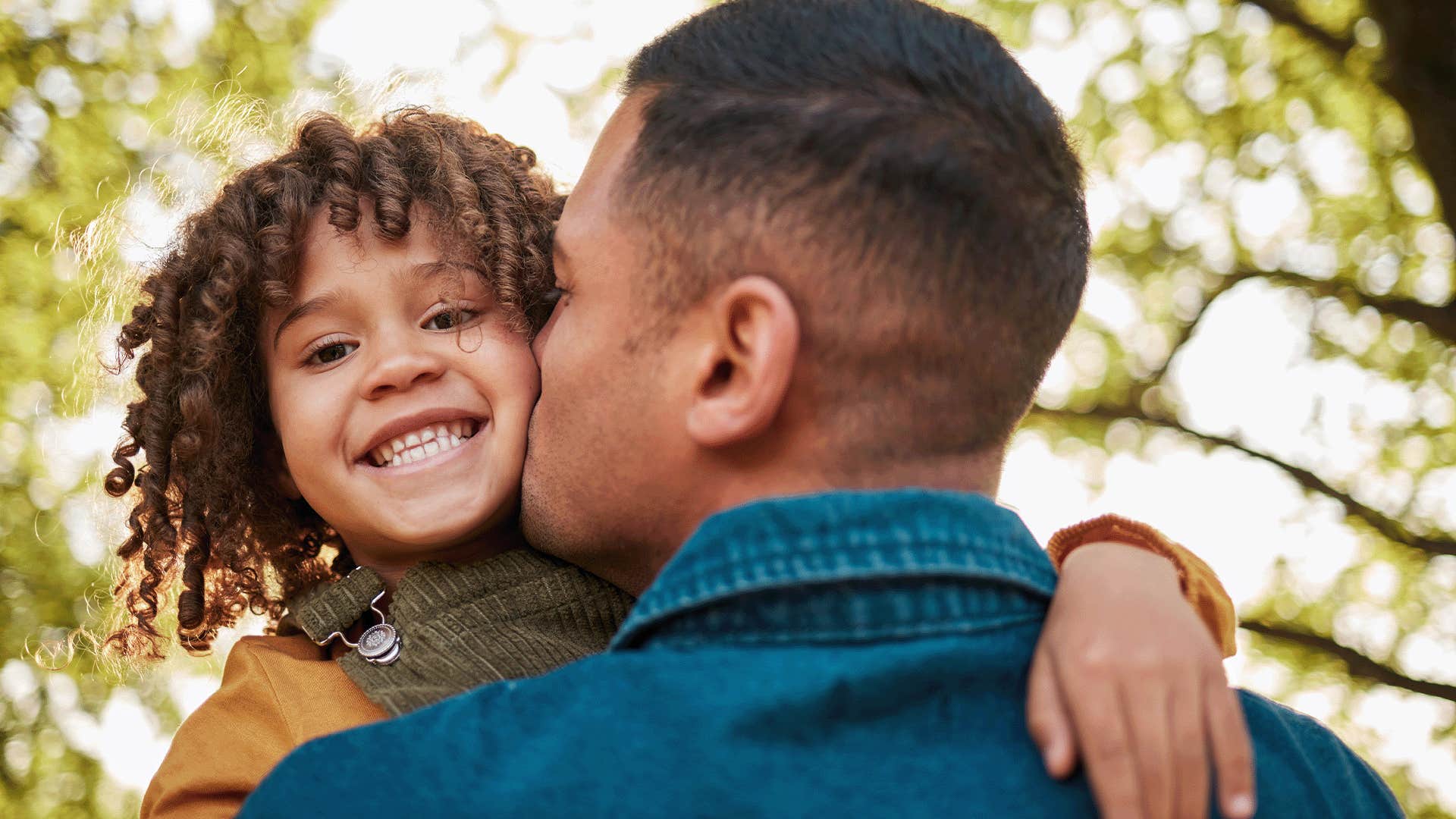
Many parents feel an innate urge to protect their children from everything and try to solve all of their problems, even well into adulthood. This overprotectiveness isn't inherently bad, but it does take away from children's opportunities to learn perseverance, critical thinking, and independence.
That's exactly why this is one of the powerful phrases good parents should say if they want to raise good kids. Parents remind them that hard work often pays off, even if it's not in the ways that we accept. Being excited about challenges and motivated to work through struggles is an important virtue that not every child learns early in life.
Zayda Slabbekoorn is a staff writer with a bachelor's degree in social relations & policy and gender studies, focusing on psychology, relationships, self-help, and human-interest stories.

