
People Raised In The 70s & 80s Have 11 Specific Skills Younger Generations May Never Learn
 Lyudmila2509 / Shutterstock
Despite being the most stressed generation, Gen Xers have a lot to teach young people. Their uniquely independent childhood experiences shaped who they are as people in ways that young people today may never understand.
Because they were generally left to their own devices in their ample free time, people raised in the 70s and 80s typically developed important skills that younger generations may never learn for themselves. Coming home from school often to an empty house and learning to fend for themselves meant developing a steely resilience and caustic sense of humor that bonds them even as strangers and carries them through the toughest of times.
People raised in the 70s and 80s have 11 specific skills younger generations may never learn
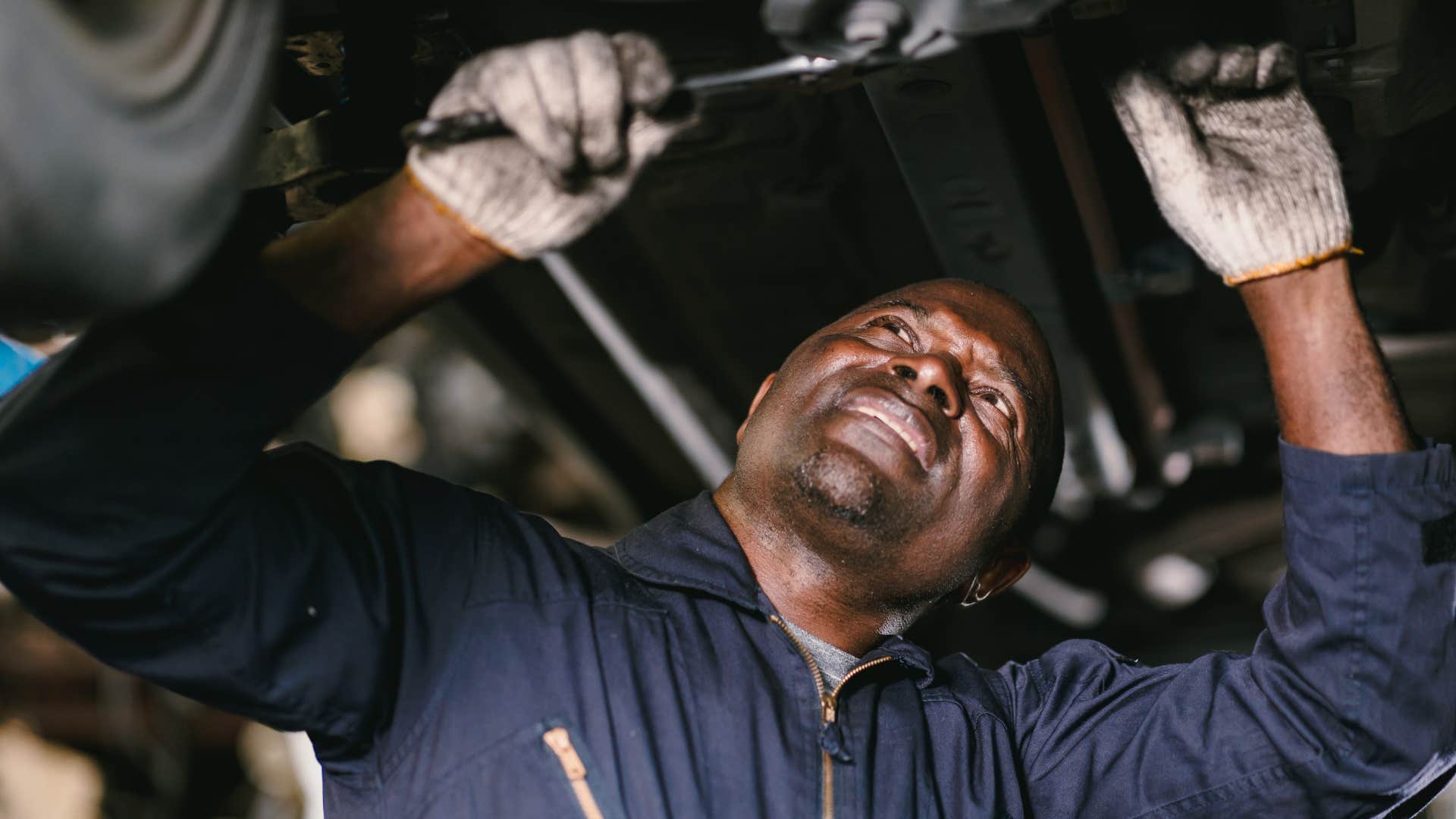
1. Doing basic car maintenance and repairs
 Quality Stock Arts | Shutterstock.com
Kids raised in the 70s and 80s often had no choice but to learn practical skills like changing a tire or swapping oil in a car. Their parents were doing it, and because they were rarely home, these lessons became a luxury. As adults, they have a relatively good idea of how to care for their belongings, from their homes to their cars, and rely on outsourcing much less than their young counterparts.
Even knowing who to call when something goes wrong or they get stranded is something Gen Zers may struggle with without access to Google or their parents. They’re used to promoting automation, outsourcing, and convenience, so of course, young people’s expectations around repair are much different from older generations.
2. Budgeting and saving their money
 Karola G from Pexels via Canva
More than 70% of Gen Zers are so stressed about money that they can’t even sleep at night, so it’s really no surprise that many are more avoidant than proactive when it comes to frugal habits like budgeting. They’d prefer to pretend their money stress isn’t there than to dive headfirst into figuring out how to manage it better, especially if that means accepting some really hard truths about their situation.
Compared to people raised in the 70s and 80s who were able to go to college, find a job, and start saving without a lot of the burdens young people face in today’s economy, it’s no surprise they learned frugality as second nature. They didn’t have to deal with constant comparison and consumerist pressures on social media. They could spend and live on their own accord.
3. Filing taxes
 AndreyPopov from Getty Images via Canva
More than 30% of Gen Zers are regularly not filing federal taxes at all. Either they don’t know how or understand the severity of financial obligations like taxes, or they don’t care enough to figure it out.
Every generation has its own unique misunderstandings about taxes, but in many ways, young people are growing less and less knowledgeable about taxes due to a lack of lessons at home and in classrooms. Their parents might’ve outsourced the practice, meaning they didn’t teach much at home, and without financial planning classes and lessons at school, they were left to figure it out themselves.
4. Writing in cursive
 Truecreatives from TrueCreatives via Canva
Considering cursive lessons were officially cut from the Common Core education curriculum in 2010, it’s not surprising that most of Gen Z and other young people have no idea how to write or read cursive. While their parents might’ve taught them at home, most are entirely reliant on typing and texting.
Of course, cursive lessons have been declining since the early 1970s, but modern kids are truly missing out on a lot more than just handwriting by not having access to learn the skill. From reading comprehension to stronger attention spans to practicing actual brain-body connections, on top of the consequences of screen time, young people are missing out on a lot without cursive lessons.
5. Entertaining themselves without screens
 Slatan via Canva
While some young people are shifting gears to detox from social media and embrace analog hobbies again, most kids are entirely reliant on their phones for everything. From solving problems to researching topics, entertaining themselves, getting to a place, and connecting with people, they need their cell phones to survive.
That’s why the ability to manage boredom and entertain yourself without a phone might feel so mundane and simple, but compared to today’s young people, it’s a superpower. You’re not dependent on the internet or a screen to feel secure. It comes from your emotional intelligence and identity.
6. Reading physical maps
 Psisa from Getty Images via Canva
Especially if they grew up with cell phones and digital GPS that could get them wherever they wanted to go, it’s not surprising that a growing number of young people have no idea how to use a paper map. They’ve never had to print directions or read a paper map on a road trip, because the convenience of a screen has always been there for them.
For some kids, reading a physical map isn’t where their struggles end. They’ve also become so used to their phones and digital clocks that they don’t know how to read an analog clock. It’s not just about a specific skill, but a struggle with critical thinking and problem-solving in the moment.
7. Mental math
 francescoridolfi.com from Rido via Canva
Even though Gen Z went through school and many of the same math lessons as their Gen X and millennial counterparts, a shocking percentage of them can’t do mental math or basic problems in adulthood. Whether it’s a symptom of too much screen time or the allure of convenience with a calculator, they’ve missed out on our chances to practice math in daily life.
Like so many other skills Gen Xers and other older generations have learned, if you don’t use it, you lose it.
8. Using critical thinking skills
 MAYA LAB | Shutterstock.com
From leaning too heavily on AI to think for them at the expense of creativity and original thought to relying on their phones to solve issues before giving it a second thought, many young people are making seemingly small choices daily that completely sabotage their critical thinking skills.
They just can’t think for themselves anymore, because they’re so used to immediately turning to AI or cell phones to ease the discomfort of thinking for themselves. However, people raised in the 70s and 80s, with tons of time to themselves, both in good and bad ways, had no choice but to think and figure things out on their own.
9. Addressing and sending letters
 GalacticDreamer | Shutterstock.com
While analog hobbies, sending letters, and writing notes by hand are all coming back around in the trend cycle for Gen Zers, there’s no denying that most young people have no idea how to even address an envelope, let alone send it out. With parents who typically sent emails and text messages, learning to teach kids digital literacy, of course, these more foundational skills went over the radar.
So, when tax season rolls around, or they’re forced to send out “thank you” notes after an event, it’s clear that dealing with physical postage and letters is one of the skills they have yet to learn.
10. Cooking for themselves
 Fabian Ponce Garcia | Shutterstock.com
More than two-thirds of Gen Zers lack the most basic cooking skills, struggling to make meals for themselves without relying on fast food, frozen options, or processed alternatives to standard nutritional ingredients. They rely on food deliveries and convenience shopping because they haven’t been taught basic skills like chopping food, temperature safety, and following recipes.
Especially if they didn’t have any kind of “home ec” class in school or parents who were home to teach them how to cook, they are missing out on this basic survival skill.
11. Shopping in person
 4045 | Shutterstock.com
With convenience, flexibility, and ease in mind, it’s no surprise that Gen Z prefers to shop online for everything from new clothing to groceries. Especially with the social struggles that cell phones and social media prompt in their daily lives, of course, they’d prefer to avoid small talk and awkward interactions with service workers.
However, people raised in the 70s and 80s were often expected to interact with strangers and run errands on their own. They had no choice, so they practiced respect toward service workers and social skills in public early in their lives.
Zayda Slabbekoorn is a senior editorial strategist with a bachelor’s degree in social relations & policy and gender studies who focuses on psychology, relationships, self-help, and human interest stories.

