
9 Questions To Ask Yourself If You Want A Better Relationship With Your Step-Children
 tativophotos | Shutterstock
I have never been a kid person. In fact, a few times in my life, I have been coerced into teaching dance classes for children, and I could not stand it. Why? I don’t like to be around other people’s children. This aversion to kids was just "one of those things about me" (I thought), but it became incredibly inconvenient once I became a step-mom.
First things first, my step-son is a really sweet kid. But man, do I have a tough time loving him and my blended family. It seems like he was created with every little habit that drives me crazy, all packaged into one little boy that I’m "supposed" to love. As I watch friends who are step-moms who naturally adore their step-kids, I think to myself, "What’s the matter with me? Why can’t I love him like that? Am I missing something about step-parenting?" But that’s asking the wrong questions of myself.
If you want to get a helpful answer in your life, never ask yourself, "What’s wrong with me?" That question sets you up for an answer that you not only don’t want to hear but is also not helpful. Our brains are programmed to answer questions. So the answer the brain gives is dependent on the question you ask it. Your brain will not say, "Hang on ... that question is really going to give you a bad answer." Your brain just answers the question presented.
Here are 9 questions to ask yourself if you want a better relationship with your step-children:
Question 1: What do I love most about my stepchildren?
 Anastasia Shuraeva / Pexels
Everyone has something good about him or her (whether we want to admit it or not). I remember at a parent-teacher conference, my step-son’s teacher said he was the "heart of the class." I did a double-take. Really!?
After that day, I watched him with his friends and realized not only was he liked by everyone, but he also really facilitated an air of lightheartedness amongst the other children. I had never seen him like this, but having his good qualities brought to my attention gave me the chance to see him in a new light.
Clinical social worker Stacy York Nation suggests that the first developmental task in any stepfamily relationship is building trust, and that the process begins by giving yourself and your stepchild room to genuinely get to know each other. Slowing down enough to see what's actually there is how a real connection starts.
Question 2: What part of myself might I be seeing in my stepchildren?
 MART PRODUCTION / Pexels
Other people are mirrors that provide a reflection of us. When there's something that irritates you about someone else, it's a reflection of an unloved aspect of yourself. My step-son is like a little fairy — light and playful, creative and imaginative.
When I’m around him, I get serious and tense. Why? Because his lightness reflects parts of myself that I don’t see as valuable and worthwhile, which means those qualities really bug me when he exhibits them, especially when people love him for it.
When we have strong negative reactions to a child's behavior, research on parental emotion regulation shows that those reactions are often rooted in our own unresolved emotional patterns rather than anything the child is actually doing wrong. The child becomes a mirror, and working on what we see there is one of the most productive things a parent can do.
Since I understand that his lightheartedness is a reflection of me, when I find myself getting "triggered" and falling into more rigid behavior and thoughts, I can remind myself that I just need to lighten up. My step-son provides me with a reminder of that.
Question 3: What do I have in common with my stepchildren?
 Vanessa Loring / Pexels
We all can find something in common, and it may not be as obvious as a special hobby or favorite food. It could be a way of thinking or seeing the world. When you can identify your similarities, it will provide a bonding experience.
At first, the only common thread may be something you both don’t like, so take what you can get. Shared activities and quality time together are among the most powerful predictors of a stronger stepparent-stepchild bond. You don't have to have everything in common, one study argued, you just need something to start with, and the relationship tends to grow from there.
Question 4: How would I like to be treated by my stepchildren?
 Julia M Cameron / Pexels
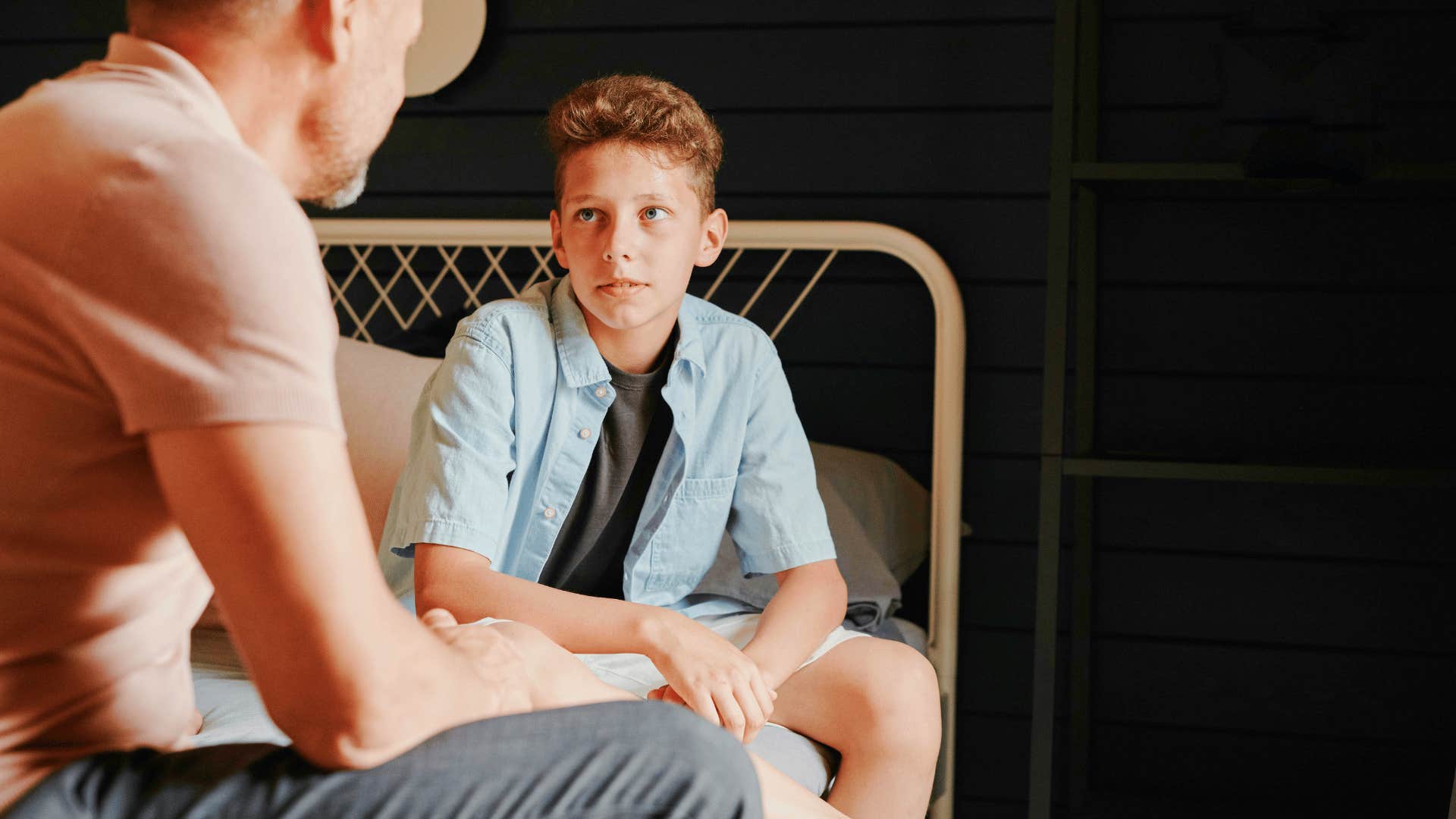
It’s the golden rule and worth stating here. Think about if you were a kid. Would you want to be treated like you’re treating this child? And if the answer is "no" but you still can’t change your behavior, it’s time to take a look at the child within you and ask, "Did I not get the attention I deserved in some way when I was a kid?"
There may be part of you that needed to be treated in ways that are more loving than you experienced in your young life. Healing your own past wounds brings resolution to the present.
Life transformation coach Natalie Maximets explains that stepchildren are already navigating enormous amounts of stress adjusting to a blended family, and treating them fairly and respectfully goes a long way toward building the trust they need to eventually let you in. The golden rule applies here more than anywhere: how you want to be treated is a good compass for how to show up.
Question 5: What child part of myself is having difficulty right now?
 Alex Green / Pexels
This question will help when you notice that a part of you is acting like a child and wanting to withhold love and attention from another human being, specifically this child. Ask yourself, "How old do I feel right now?" and put your hand on your heart to receive an answer.
Inside, there is a child — you — who needs healing, and by giving yourself attention in the way you would have liked back then, you will heal old wounds. Get help from a therapist or coach with this issue if you need to. It’s worth it so you can receive the love that this relationship offers.
Adults' unresolved childhood experiences directly influence how they respond to children, with research showing that it's often in ways they don't consciously recognize. When a stepchild triggers an unexpectedly strong reaction in you, there's a good chance an old wound is involved.
Question 6: How can I give myself permission to feel what I feel?
 Ron Lach / Pexels
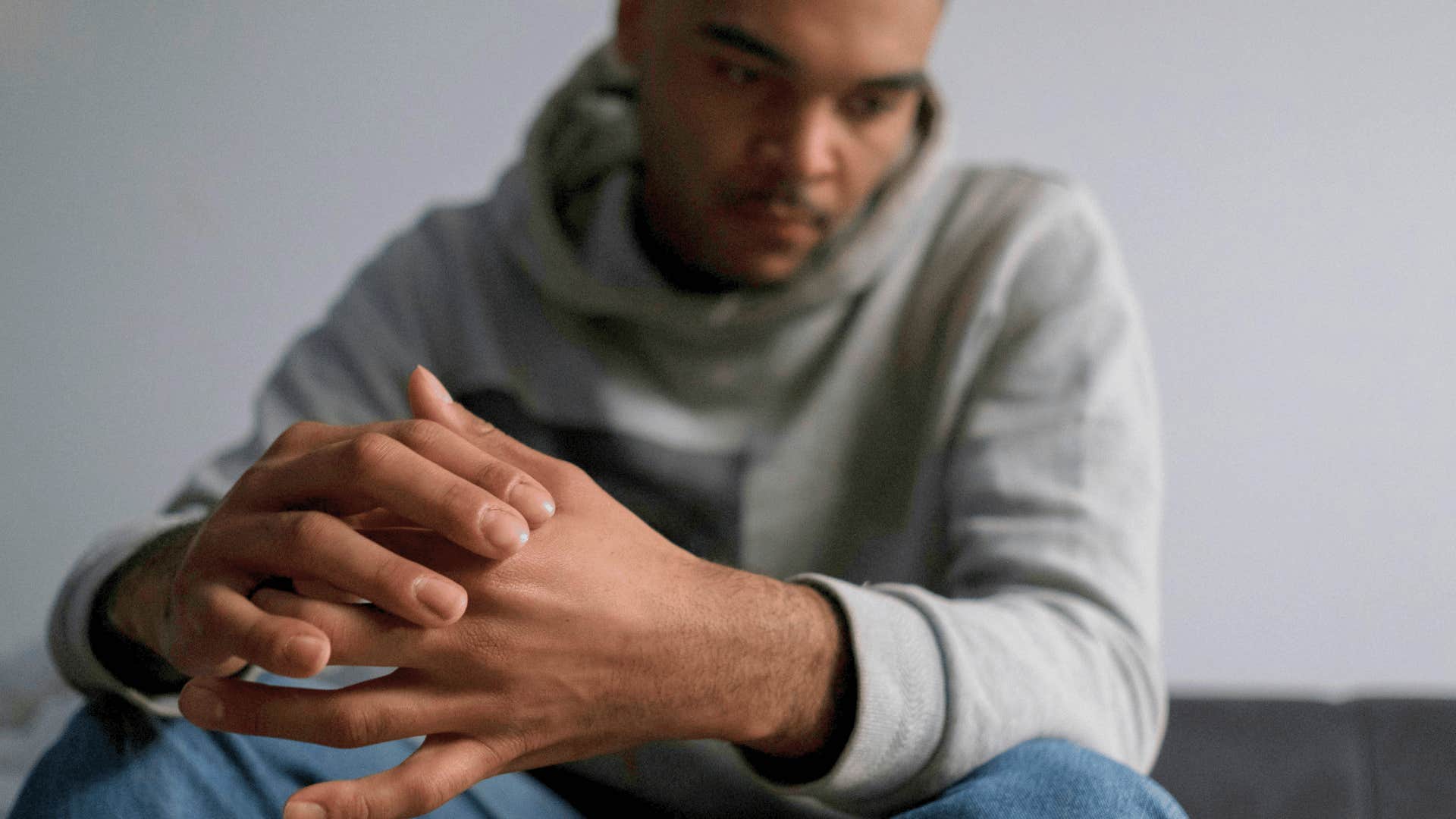
Sometimes we will feel angry, sad, or totally jealous, and we need to permit ourselves to feel that way. If we try to blow past our feelings, we will never be able to love ourselves, let alone someone else who bothers us. Practice accepting yourself with this question.
Marriage and family therapist Lianne Avila points out that parents often neglect their own emotional needs in favor of everyone else's, and that this creates more stress, frustration, and eventually burnout. Giving yourself genuine permission to feel what you feel is the foundation of being able to show up at all.
Question 7: How can I be kind to myself?
 Kevin Malik / Pexels
Loving someone else who is difficult to love is not easy. Be kind to yourself and give yourself what you need. Do you need a break? A night off? A hot bath? A place to be alone? A call with a friend, or maybe a walk outside? Take care of yourself first. We can’t be helpful to anyone else if we aren’t taking care of ourselves, especially when it gets hard.
Clinical psychologist Dr. Samantha Rodman Whiten explains that feeling guilty about not liking your stepchild makes things worse and that parenting is about behavior, not internal feelings. Being kind to yourself means releasing the shame, because the quality of the relationship depends on what you do, not on every thought and emotion you have along the way.
Question 8: What boundaries do I need to have in place with my stepchildren?
 Mikhail Nilov / Pexels
Just because you love someone doesn’t mean you have to spend every moment with them or take care of them in ways you don’t want to. We need to have boundaries so we can have loving relationships.
Research on stepfamily dynamics shows that healthy boundaries are the scaffolding that makes connection possible in the first place. When everyone in a blended family knows what to expect, children and stepparents alike tend to feel more secure and less reactive. Some relationships are best when we only see people occasionally, or when the person is not in our face constantly. Create ways that you can live your life on your terms as much as possible.
Question 9: What is my relationship with my stepchildren trying to teach me?
 Anastasia Shuraeva / Pexels
Relationships exist in our lives as a sole function to grow, not for us to be comfortable. As humans, we think we want to feel comfortable, but after a while, we get stagnant, because, just like everything else in nature, we are supposed to be growing.
When we ask ourselves what the relationship is trying to teach us, we get a clue as to how we can become better people. That new way of being will provide us with lots of opportunities to experience life in a way that we just couldn’t experience had the relationship not existed.
When stepparent-stepchild relationships do develop genuine closeness over time, the benefits for the child's health are significant and lasting, one study revealed. The relationship is hard, but the research suggests it's one of the most meaningful things you can invest in.
In my experience, learning to love someone else’s kid has been one of the hardest things I have ever had to do. There is a reason that 50 percent of new marriages fail within the first year, and studies say it takes 8 years to blend a family. Because it’s hard! And in 8 years, the kids aren’t kids anymore anyway.
However, the relationship challenges that come along with learning to love someone else’s child have equal rewards. And if you can hang in there and ask the right questions of yourself, you will have a chance to experience getting love back from this child when you never thought it could be possible.
Ani Anderson is a master coach, speaker, business mentor, and author.

