
If Late-Night Munchies Hit Harder After 50, These 8 Smart Tricks Can Help
 Lina Darjan's Images | Canva
If you find yourself raiding the kitchen after 9 p.m. more than you'd like to admit, you're not imagining it, and you're not alone. Late-night snacking tends to get harder to resist as we get older, and there's real science behind why. After 50, as your metabolism slows, your sleep patterns shift, and hunger hormones become less predictable, those nighttime cravings can feel stronger and harder to ignore than they did years ago.
A Vanderbilt University study focusing specifically on adults over 50 found that evening snacking reduces the body's ability to burn fat overnight, meaning that late-night habits hit differently at this stage of life than they did in your younger years. The good news is you're not stuck with them. A few simple, realistic changes can help you stay ahead of late-night snacking without feeling restricted or frustrated. If late-night munchies have become your nightly routine, these tricks can help you take back control.
If late-night munchies hit harder after 50, these 8 smart tricks can help:
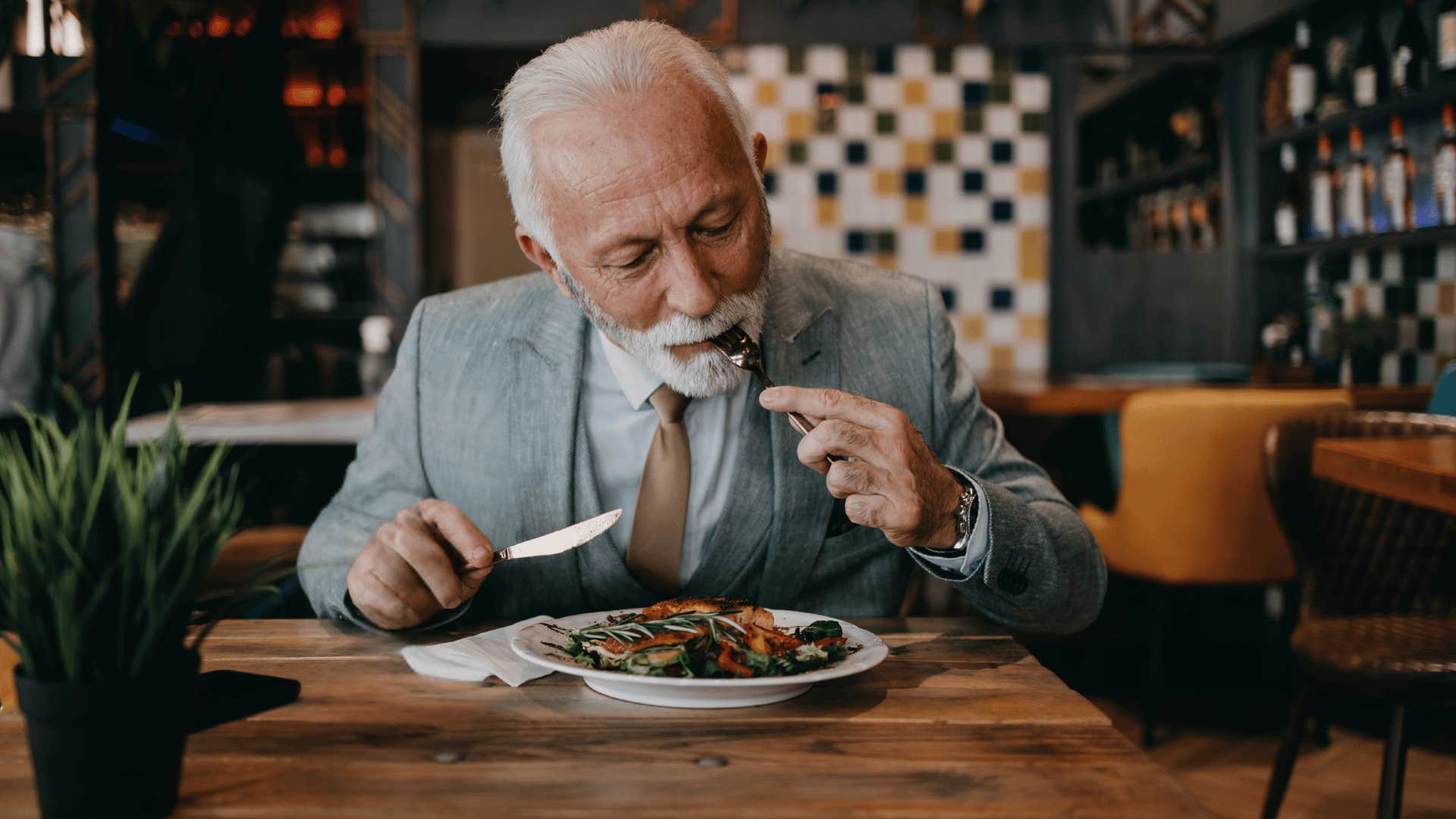
1. Eat a satisfying dinner
 Getty Images / Unsplash+
Starting the evening on a full stomach is one of the simplest ways to stay ahead of late-night cravings. When you've had a balanced, filling meal, the urge to snack later is much easier to talk yourself out of.
If hunger strikes anyway, remind yourself that you ate recently and that what you're feeling is likely habit or boredom rather than real hunger. If you wouldn't normally feel hungry in the middle of the afternoon, you're probably not truly hungry now.
Research from Harvard Medical School found that eating earlier in the day lowers hunger levels and helps the body burn calories more efficiently through the night. Starting the evening with a full, balanced meal is one of the simplest ways to stay ahead of cravings.
2. Go for an evening walk
 Getty Images / Unsplash+
A short walk after dinner does double duty. It aids digestion and gives your mind something to focus on other than food. You'll feel good about moving your body, and that sense of accomplishment makes it easier to skip the late-night snacking.
Evening walks can also be surprisingly enjoyable on their own. Take a different route, bring a podcast, or just enjoy the quiet. Making it something you look forward to helps turn it into a habit.
Even 20 minutes of walking shortly after a meal has a measurable impact on blood sugar and energy metabolism, according to a 2023 study. Getting outside after dinner gives your body something productive to do with what you just ate and gives your mind something to focus on besides what else is in the kitchen.
3. Watch something that fully pulls you in
 Vitaly Gariev / Unsplash
There's something to be said for getting absorbed in a good story. When you're fully invested in a plotline, food is the last thing on your mind.
The key is choosing something engaging enough to hold your attention. Save your most anticipated shows for the evening so you have something to look forward to that doesn't involve the kitchen.
Licensed marriage and family therapist Lianne Avila explains that truly restful evenings are about giving your mind something absorbing that isn't work or obligation. Choosing a show or movie you're genuinely invested in counts as the kind of mental rest that actually recharges you.
4. Drink water before you reach for food
 Curated Lifestyle / Unsplash+
One of the easiest ways to quiet a craving is to drink a full glass of water first. Thirst and hunger signals can feel surprisingly similar, and staying hydrated creates a sense of fullness that takes the edge off.
When the urge to snack hits, try water first. You'll still get the satisfaction of putting something in your stomach, but without the extra calories.
Research found that drinking water before a meal reduced calorie intake in older adults by helping them feel fuller sooner. Reaching for a glass of water when a craving hits is one of the easiest ways to take the edge off without eating anything.
5. Replace snacking with connection
 Getty Images / Unsplash+
Evenings are a great time to connect with the people around you. A genuine, engaging conversation keeps your mind occupied and shifts your focus away from food entirely.
If you're home alone, try journaling, calling a friend, or texting someone you've been meaning to catch up with. Keeping your mind and hands busy is one of the most underrated tricks for breaking the late-night snacking cycle.
Social connection is one of the strongest independent signs of both mental and physical health. Research found that meaningful interaction, even brief, delivers measurable benefits. Ending your evening with a real conversation rather than solo snacking gives your mind something genuinely nourishing to hold onto.
6. Keep better options within reach
 Teona Swift / Pexels
If a craving becomes truly hard to ignore, make sure what's within reach is actually good for you. Fruits, vegetables, or a small handful of almonds are great options to keep stocked.
Having a healthy backup plan means you're just making a better choice. Foods that don't leave you with regret or a food hangover the next morning are always a win.
A study in Advances in Nutrition found that whole-food snacks like nuts, fruit, and yogurt are consistently associated with higher satiety and lower overall calorie intake than processed options. Having the right things within reach just means your default choice is one you'll feel good about in the morning.
7. Keep your hands and brain busy
 Vitaly Gariev / Unsplash
Board games, card games, or even a game on your phone are surprisingly effective at passing the time and keeping your mind off snacking. They create a fun, absorbing atmosphere that has nothing to do with food.
If you're with others, break out Monopoly, Yahtzee, or a deck of cards. Flying solo? Solitaire or a word game on your phone works just as well.
Distraction and mental engagement are key factors in reducing how much people eat outside of mealtimes, research on snacking behavior found. Keeping your hands and mind occupied with something fun is an effective substitute for reaching for food out of habit.
8. Talk yourself through the craving
 Getty Images / Unsplash+
Sometimes the most powerful tool you have is your own inner voice. When a craving hits, pause. Remind yourself that you don't actually need to eat, you just want to, and there's a difference.
Think ahead to how you'll feel in the morning. A little satisfaction now versus waking up feeling sluggish and regretful is usually a pretty easy trade-off once you spell it out for yourself.
Licensed clinical social worker Dr. Amanda Savage Brown agreed that the most powerful mental shift you can make is choosing curiosity over the automatic story your mind tells you. When a late-night craving hits, pausing to ask "Am I actually hungry, or is this just a habit?" is exactly the kind of redirect that works.
And if you do end up snacking? Forgive yourself and move on. One night doesn't define a habit, but how you talk to yourself about it just might.
Isabella Pacinelli is a writer who covers love, relationships, self-care, body confidence, women’s health, college, and entertainment topics.

