
Men Who Do These 11 Things Don't Make Good Fathers, No Matter How Nice They Seem
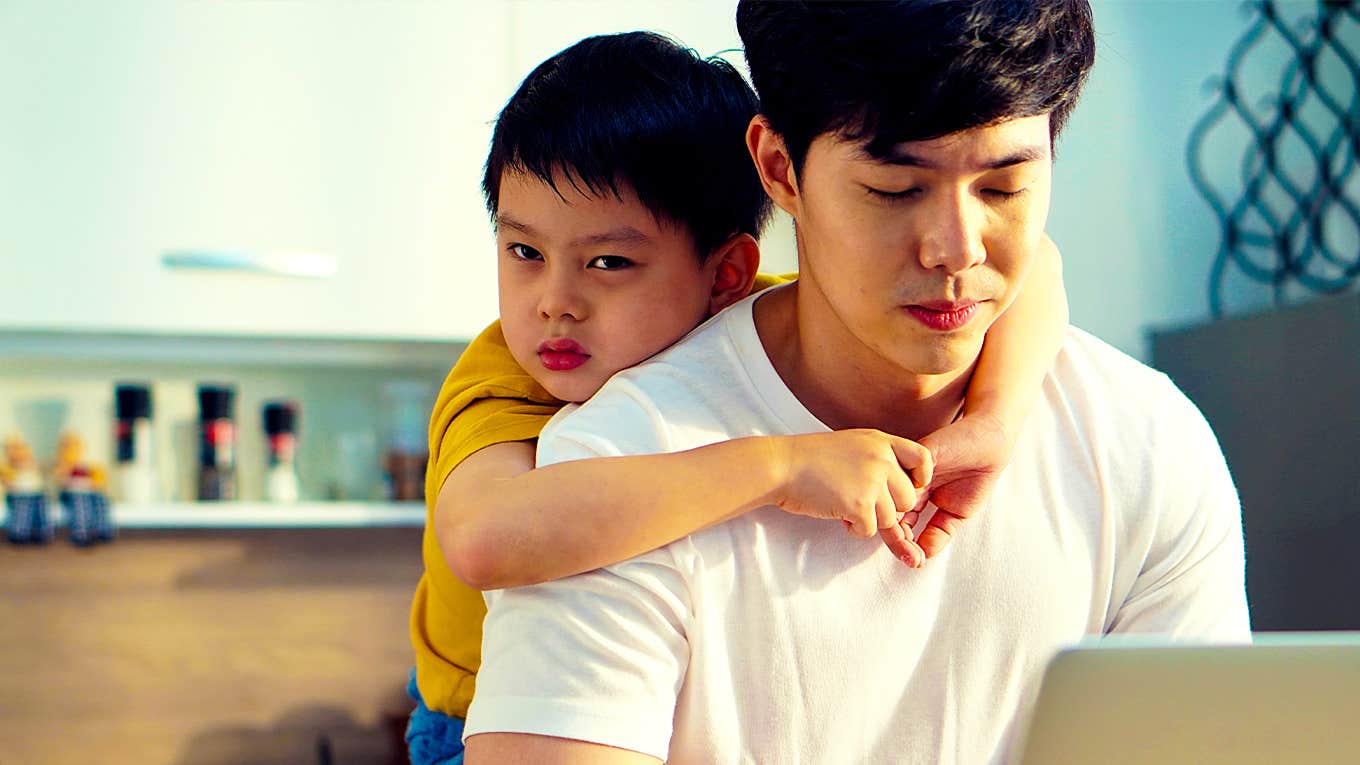 Pixpan_creative | Shutterstock
While definitions and experiences of good father figures look different for every child, family, and community, there are many basic habits and mindsets that raise better kids than parents who aren't present physically or emotionally. Compared to great role models, men who do certain things don't make good fathers, no matter how nice they seem.
Whether it's transactionally expecting their kids to meet their needs or going out of their way to embarrass them to prove a point, it doesn't matter how charismatic or charming a father appears on the outside if he makes space for these habits in his relationships with his children.
Men who do these 11 things don't make good fathers, no matter how nice they seem
1. Put their comfort over their kids' needs
 NDAB Creativity | Shutterstock
Inconsistent, selfish fathers often put their own needs and comfort above their children's well-being. When they prioritize their own convenience over their children's emotional or physical needs, kids start to feel like they matter less. Fathers who make everything about themselves can leave their children feeling smaller, less important, and unworthy of the unconditional love that should exist in families.
Over time, that can lead to anxiety, people-pleasing habits, and low self-worth. According to child psychiatrist Christine B.L. Adams, children raised this way are also more likely to struggle with chronic anxiety, self-neglect, and lowered self-esteem later in life.
2. Punish their kids for expressing emotions
 MAYA LAB | Shutterstock
Fathers who react harshly when kids show sadness, fear, or frustration teach them it isn't safe to be honest about how they feel. Instead of learning emotional regulation, kids learn to hide themselves.
According to a study from the University of Cambridge, kids who face harsh discipline early in life are often at a much higher risk of developing mental health issues later in life. They're always walking on eggshells, missing out on important learning lessons and opportunities to learn emotional regulation.
Kids learn how to manage emotions from their parents and from having safe spaces to practice expressing them in healthy ways. If they're always living in fear of anger around vulnerability, they're going to grow into avoidant, closed-off adults.
3. Shut down instead of communicating
 imtmphoto | Shutterstock
Men who avoid difficult conversations or refuse to be vulnerable leave their kids guessing where they stand. Kids raised by fathers who emotionally stonewalled them or completely avoided openness often end up seeking approval, attention, and validation from people for their entire lives. They're used to only having conversations with a parent when they were in trouble, making emotional expression and deep conversations feel inherently triggering and perilous.
That silence often follows children into adulthood and affects how they handle relationships later in life. Compared to kids who have a safe space to express themselves, ask questions, and make mistakes, these kids end up feeling unworthy of support in all of their future relationships. Their self-worth is inherently tied to avoiding hard conversations and people-pleasing in relationships, at the expense of their own needs and well-being.
4. Expect praise for doing the bare minimum
 pics five | Shutterstock
Fathers who expect recognition just for providing basics send the message that real parenting effort isn't necessary. Kids notice when emotional support, consistency, and presence are treated as optional extras rather than part of the job.
Dads who want credit for simply helping out often divert responsibility onto others, such as expecting older siblings to step in or acting as if spending time with their own kids counts as babysitting. Even if they're widely liked by friends and strangers, if they're not showing up emotionally or physically at home, they may not be the great fathers they seem to be.
A 2022 study found that fathers often perceive childcare responsibilities as fair, even when mothers handle most of the invisible work behind the scenes. When that mindset carries into parenting expectations, kids grow up noticing who consistently shows up and who expects applause for doing the minimum.
5. Consistently break promises
 pics five | Shutterstock
Promises and following through on commitments create a sense of safety, security, and trust in parent-child relationships, but if a father consistently breaks his promises or lies directly to his kids, they experience all kinds of consequences. Not only do they miss the trust and stability they should feel with their parents, but they also often have lower self-esteem after every broken promise.
When a father repeatedly says one thing and does another, kids stop trusting what he says. No matter how kind and nice they seem on the surface or in passing interactions, men who never keep their promises and encourage a sense of anxiety or uncertainty for their kids may not actually be the good fathers they claim to be. That instability can shape how secure their children feel in every future relationship.
6. Avoid apologies and accountability
 LightField Studios | Shutterstock
Despite expecting their kids to always follow their rules and to cater to their emotions with forced apologies, inconsistent fathers often refuse to take responsibility or accountability themselves. According to philosophy professor Iskra Fileva, many parents adopt a social hierarchy at home, leading them to believe they have moral immunity simply because they're providers.
Men who expect obedience but never admit when they're wrong teach their kids that power matters more than respect. Children need to see what healthy accountability actually looks like. If modern parenting styles have taught us anything as a culture, it's that parents need to show up emotionally with their kids if they want long-term, healthy relationships.
Being providers and caring for their kids is the bare minimum. Children also need to see models of accountability, healthy conflict-resolution, and emotional warmth to thrive and feel supported.
7. Lose patience quickly with their kids
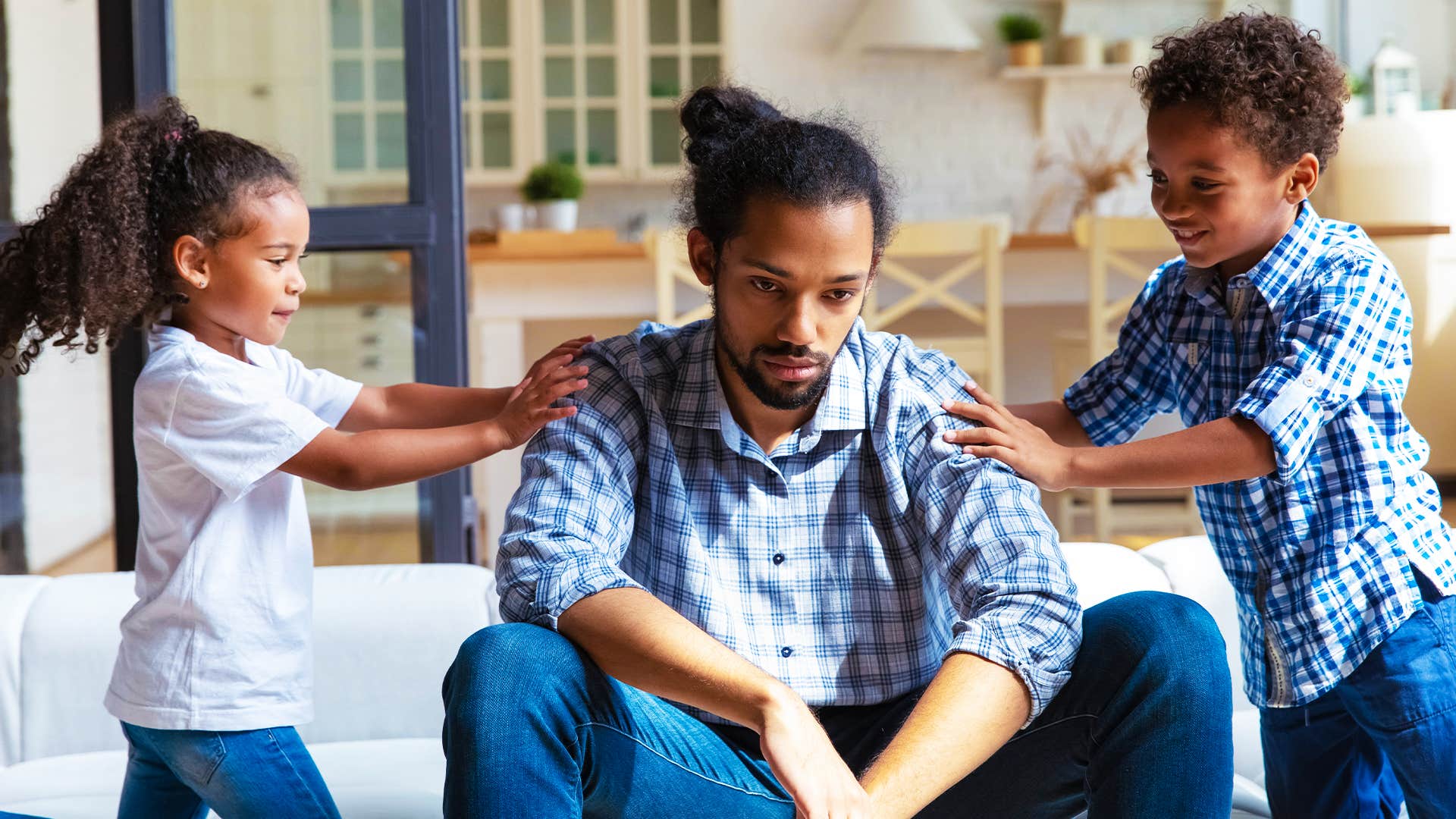 fizkes | Shutterstock
Fathers who respond with anger or frustration rather than patience make children feel as if they're always one mistake away from trouble. That kind of tension can follow them well into adulthood.
Parental presence creates a safe space and security for their kids as they develop over time. Whether it's making mistakes, learning from failures, expressing emotions, or asking for help, kids feel safer when they're not expecting emotional outbursts and misunderstandings from the people they're supposed to trust.
However, when fathers become defensive or irrationally angry with their children, they bring up all kinds of mental health issues, forcing their kids to always walk on eggshells. As they continue into adulthood, this anxiety may never leave them, causing them to consistently people-please and avoid conflict, at the expense of their well-being.
8. Avoid spending real time together
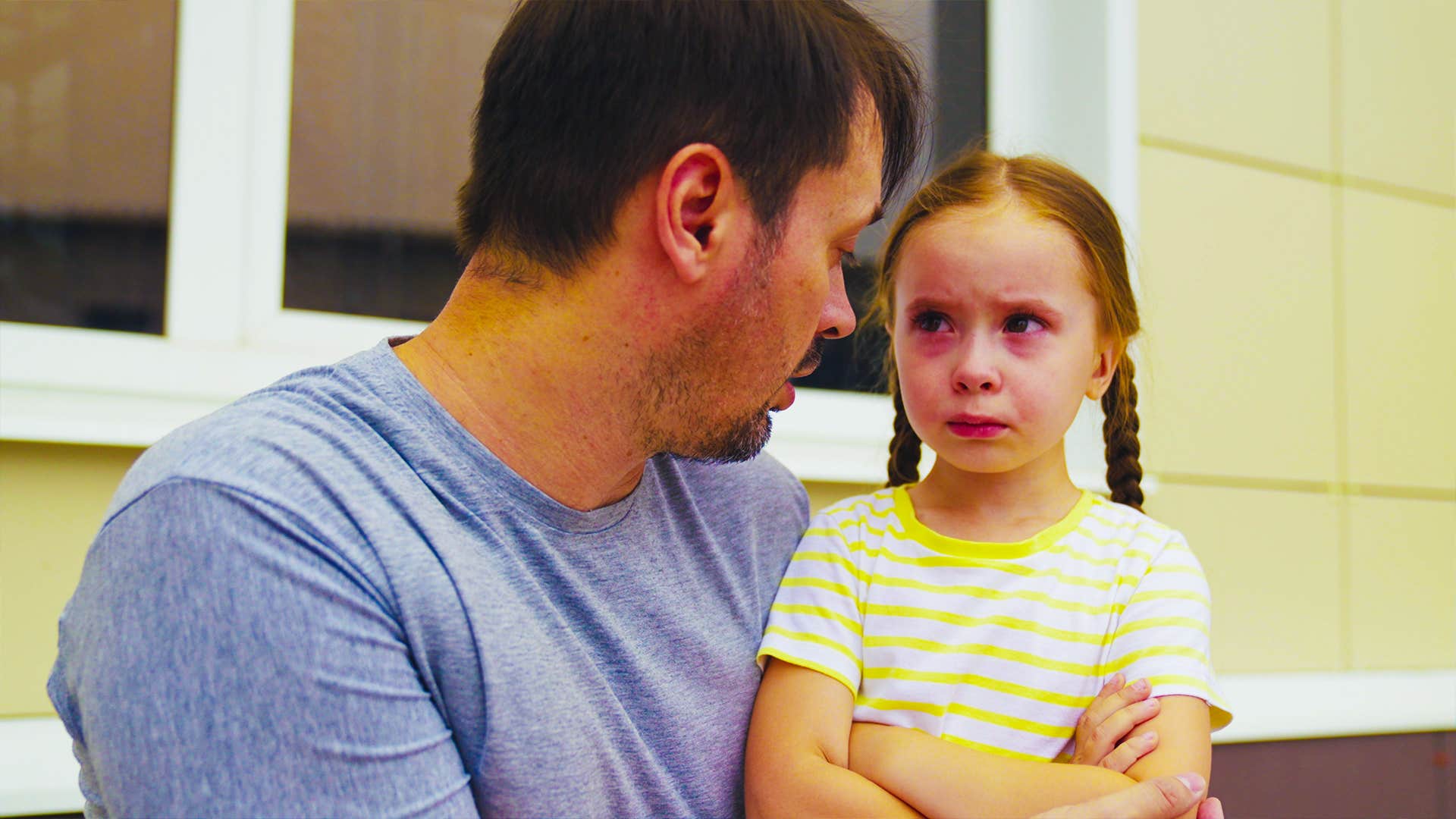 Valery Zotev | Shutterstock
Men who stay physically present but emotionally distant miss chances to build a connection with their kids. Without consistent quality time, children often start believing they have to earn attention and love.
According to a study from the Journal of Pediatric Nursing, kids with an insufficient amount of quality time with their parents are often at risk for many developmental consequences, from poor self-esteem, mental health concerns, lower social skills, and even physical health issues. They don't feel loved without this quality time, which often pressures them to interweave their self-worth for life with a transactional kind of relationship.
They have to work for and seek out love, often in situations where it should be offered immediately and willingly from consistent parents. So, if you grew up with a man who made you feel unworthy of love and emotional support, and who isolated himself instead of showing up physically, chances are he wasn't the best parent you could've had.
9. Rarely show up for important moments
 George Rudy | Shutterstock
The time and effort parents invest in showing up for their kids have serious implications for their overall mental, social, and physical well-being. Fathers who skip school events, activities, or milestones send a silent message about priorities.
Kids remember who showed up when it mattered most. Whether that's keeping their commitments, showing up for school plays and concerts, or coming home after work and being present with their kids, a great father is always available, even when it's inconvenient.
However, men who rarely make good fathers put their own convenience and time over showing up for their kids. They always leave them feeling disappointed and unloved, even if they provide a roof over their heads and food on the table.
10. Refuse to grow or adjust to their child's needs
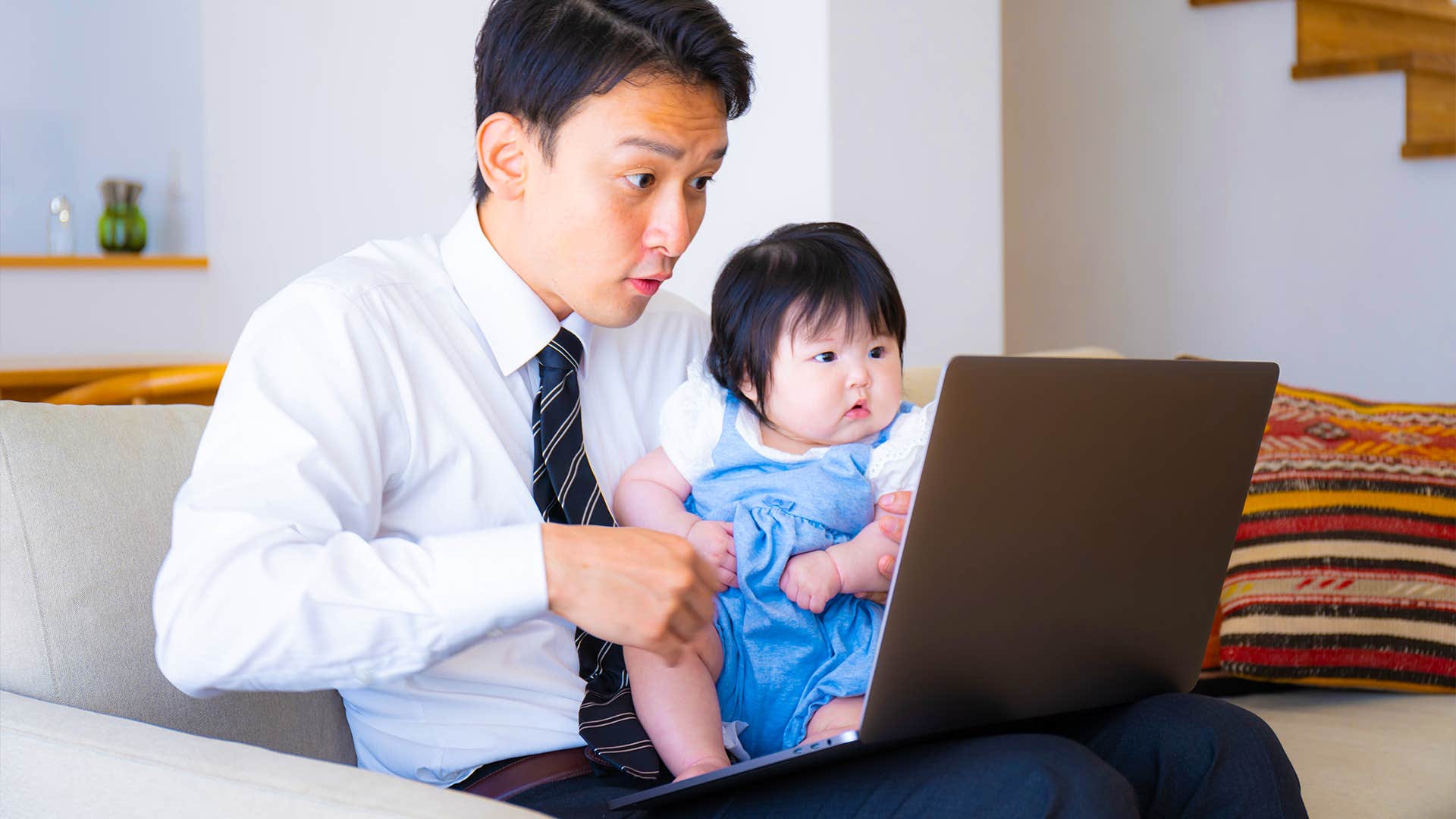 polkadot_photo | Shutterstock
Men who stay rigid rather than adapting to how their kids communicate or seek support often leave their kids feeling misunderstood. Over time, that disconnect creates distance that's hard to repair. Of course, feeling understood by parents plays an important role in a child's life, but, according to a study in the Journal of Youth and Adolescence, what's more important is a parent's ability to understand and adopt their child's preferred methods of communication and support.
If a father refuses to change and clings to his beliefs with rigidity, chances are his kids feel unsupported, even if he makes an effort to see them. Nobody can change simply because someone else begs them to. It's a personal decision that requires effort and intention.
If a child is constantly begging their parents for change but nothing ever happens, they associate this struggle and feeling unheard with their future relationships.
11. Care more about being liked than being a parent
 imtmphoto | Shutterstock
Fathers who focus on approval instead of guidance often avoid discipline and tough conversations. Kids don't just need a friend. They need someone steady enough to lead them.
Parents who care more about being liked, whether by their kids or others, often miss out on some of the most foundational experiences, like healthy discipline and patience, that help their kids become well-rounded people.
Whether it's being held to unrealistic expectations so they can boast about their kids' likes on social media, or trying to appease your every desire to feel appreciated at home, all of these behaviors, rooted in a need for validation, strain family dynamics immensely.
Zayda Slabbekoorn is a senior editorial strategist with a bachelor's degree in social relations & policy and gender studies, with a focus on psychology, relationships, self-help, and human-interest stories.

