
People In Their 50s And 60s Who Feel Distant From Their Partner Usually Just Need These 6 Simple Resets
 Inside Creative House | Shutterstock
People in their 50s and 60s can often feel distant from their partner. After years or decades together, their emotional availability might dissipate and leave the couple looking for something they aren't aware is missing. Yet, a couple who have been through it know the solution usually only requires a few simple changes.
Research has found that there are reasons you're feeling disconnected, but you can fall back in love and revive the fun and passion in your relationship. But this doesn't just happen by itself. There are specific things you need to do to heal your relationship when you're feeling disconnected.
People in their 50s and 60s who feel distant from their partner usually just need these 6 simple resets:
1. People in their 50s and 60s need to open up emotionally
 Photo by Esther Ann on Unsplash
One of the first experiences of connecting was probably being open to one another at the beginning of your relationship. Most people are open when they first meet because they're not invested in the relationship yet. As you fall in love and your fears are activated — fear of rejection, fear of engulfment, or fear of losing yourself — you might start to close up and protect yourself. Ironically, closing up can create the things you fear.
In any given moment, your intent toward your partner is either to be open to learning about yourself and your partner, or to protect yourself against what you fear with some form of controlling behavior. A study helped show that to heal the disconnection in your relationship, you need to consistently choose to be open to learning, especially in conflict.
You cannot resolve conflict if one or both of you are closed, yet conflict is easily resolved when both of you are open to caring about your own and your partner's highest good. Opening up means you're willing to hear each other with caring and understanding for each other's feelings and points of view, rather than arguing, defending, withdrawing, or giving yourself up.
2. They need to take responsibility for their feelings
 Photo by Nicolas Ruiz on Unsplash
When you close up and protect yourself from getting hurt, you cause yourself a lot of pain. Shutting down, getting angry, judging yourself, or giving yourself up hurts you. Instead of blaming your partner for your pain, be open to learning about how you are rejecting and abandoning yourself. That is what's causing your pain.
If your partner hurts you by shutting down, getting angry, blaming, or withdrawing, offer compassion for the loneliness and heartache we all feel when someone we love disconnects from us. Instead of blaming your partner for hurting you, be kind and caring with yourself, keeping your own heart open so when your partner opens up again, you can reconnect.
It's helpful, in taking loving care of your feelings, to develop a personal connection with a loving and comforting source of spiritual guidance. Being able to open to this source for love and compassion can help you keep your heart open to love. The more you're able to learn to love yourself by taking compassionate care of your own feelings, the more love you will have to share with your partner.
3. People in their 50s and 60s need to notice what's good instead of what's wrong
 Photo by Hoi An and Da Nang Photographer
When the bloom of falling in love has worn off, you might find yourself focusing on what you don't like about your partner. A study helped explain how we all have an ego-wounded self that often rears its controlling head when we feel insecure. None of us likes each other's wounded self, but it's not the wounded self we fell in love with.
What we fell in love with is the soul essence of each other. This part of us is what's truly beautiful about each of us. If you focus on your partner's wounded self, you will likely feel disconnected and resentful towards your partner. But if you focus on your partner's essence, you can regain your original in-love feelings.
4. They need to prioritize time together
 Photo by Simbarashe Takawira on Unsplash
Once people live together, they get busy and often forget to make time for each other. Connection flourishes when you have the time to talk, learn, share, laugh, and play. Try setting aside date times like you did when you were dating. We all live busy lives, especially after having children, but if a loving and connected relationship is important to you, you need to make time together a high priority.
One study explored the relationship between leisure time and a couple's satisfaction. People who shared time participating in an activity were generally happier than those who did not spend active time together or who were active on their own.
5. People in their 50s and 60s need to notice their own controlling behavior
 Photo by Ryan Hall on Unsplash
Most partners are aware of how the other person tries to control, but they're often completely unaware of how they try to control. Here are some of the ways you might be controlling without realizing it:
- Giving yourself up: To avoid conflict and rejection, do you give yourself up and go along with what your partner wants? When you're giving yourself up, you're trying to control how your partner feels about you.
- Withdrawing: Withdrawal is generally a form of punishment, which says, "I will withdraw my love from you until you behave the way I want you to behave." You might use TV, work, video games, and many other activities to shut your partner out.
- Getting angry and/or blaming: Anger and blame are ways to intimidate your partner into doing what you want him or her to do.
- Explaining, defending, teaching, pestering, or analyzing: These are all ways of trying to get your partner to give himself or herself up and see or do things your way.
- Turning to substances: This is another way of shutting out your partner. It's also a way of controlling/avoiding your feelings rather than learning how to take responsibility for them.
The problem with these controlling behaviors is that your partner will likely react by doing the same things or going into resistance. Each of you then perpetuates the disconnection between you. By becoming aware of your own controlling behaviors and being open to learning, you can heal your disconnection.
6. They need to shift focus from getting love to being loving
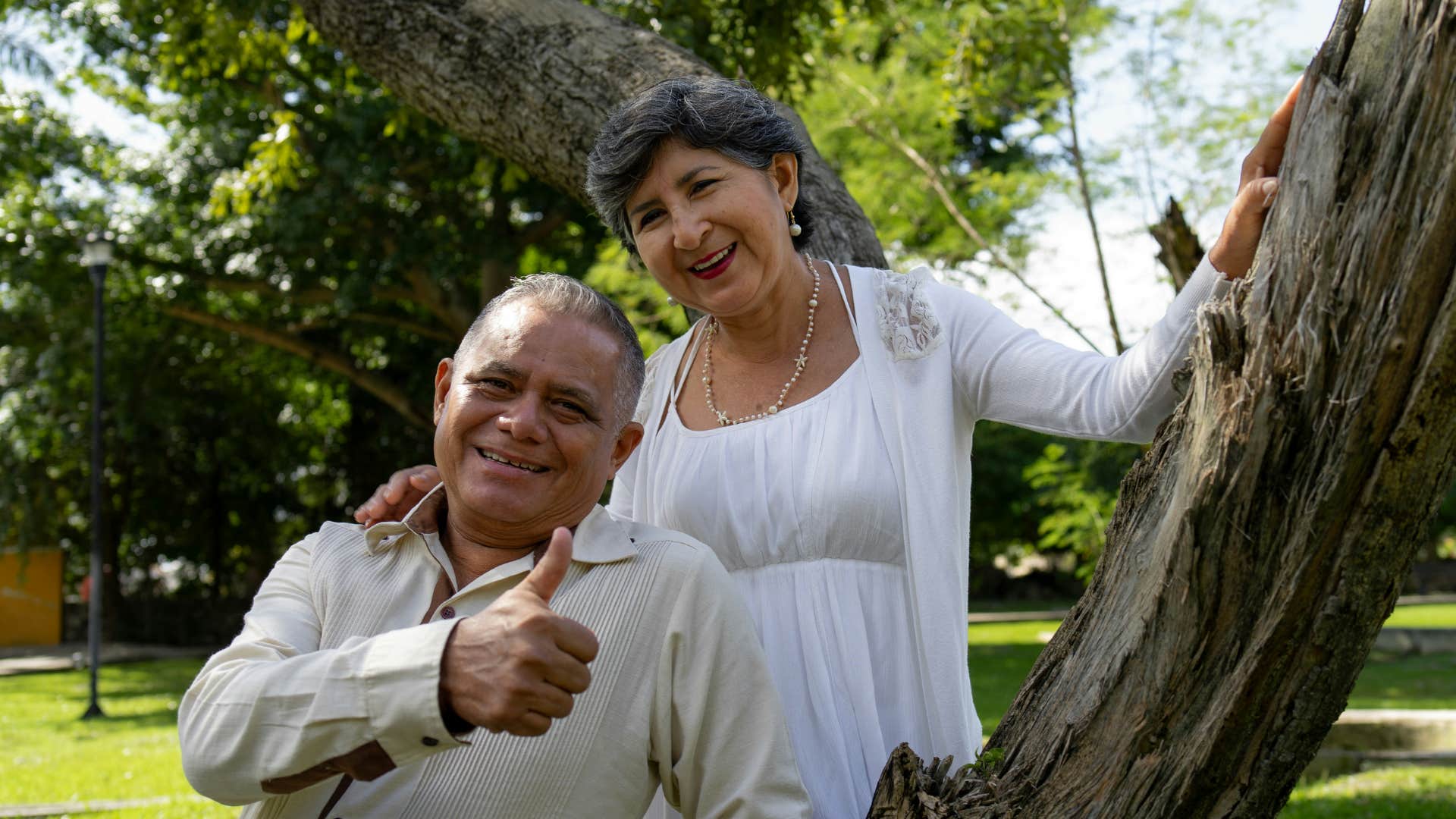 Photo by Alan Morales on Unsplash
Did you enter your relationship to get love or to get your partner to give you the sense of worth and security you're not giving to yourself? If you did, your partner probably has the same agenda since we're attracted to our common level of woundedness — our common level of self-rejection. One study said, "Feeling and expressing love in daily life are interconnected and perhaps mutually influential."
When you shift your focus away from getting love and toward giving love to yourself and sharing your love with your partner, everything changes. If both of you learn how to bring love to yourselves and then share your love, your emotional connection will heal.
Dr. Margaret Paul is a relationship expert, noted public speaker, and educator.

