
11 Things Wealthy People Think Are Status Symbols That Average Americans Couldn't Care Less About
 Stayman / Shutterstock
The ultra-rich live a different life from average Americans. Many items and experiences they see as perfectly normal are things most of us could never dream of doing or possessing. They may think that we are all jealous of them, but not everyone cares about the status symbols they value.
While many wealthy people enjoy purchasing ultra-luxury items, these days, they are typically things the average American may not even look twice at. From luxury brands that people outside of the ultra-rich community have never heard of, to the expensive travel to faraway places many can’t locate on a map, these status symbols go unnoticed by most of us.
These are 11 things wealthy people think are status symbols that average Americans couldn't care less about
1. Luxury brands
 Jacob Lund Photography from Jacob Lund via Canva
We all recognize some of the most famous luxury brands. From Chanel to Gucci, whether we are impressed by them or not, we are at least aware of them. For some, this is the ultimate sign of wealth. However, the ultra-wealthy have access to some of the most expensive companies. They may become interested in brands none of us have heard of, but apparently carry weight in the fashion industry. They think it’s impressive, but for the average American, it doesn’t matter much.
For Americans, buying luxury goods is trending downward. In 2023, most designer brands, like Burberry and Prada, were losing revenue in the United States by 20%. This may be a sign that the average American is losing its lust for designer items.
2. Health and wellness trends
 PeopleImages from Getty Images Signature via Canva
Most of us are interested in maintaining our health. However, there are only so many lengths we can, or want to, go. Healthcare is expensive, and those trendy wellness items of the moment are even more expensive. Our money only goes so far, and for the average American, spending money on wellness trends that may turn out to be nothing more than fads is out of the question. Instead of trying out the latest green drink or expensive wellness course, the average American will likely want to stick with what they know works.
The idea of ‘longevity’ has been huge in the wellness space for decades. This idea that we should live long, healthy lives, and can achieve that by xyz. For the wealthy, this may be a big deal and something they can throw their money at. It’s likely not all that impressive to the average American.
3. Spontaneous exotic travel
 RossHelen from Getty Images Pro via Canva
If you follow celebrities on social media, you may notice they can travel at the drop of a hat. It’s a random Tuesday, and they are posing on their private jet, going to a location the average American likely hasn’t heard of. Sometimes, this can spark jealousy. We may wish we could live that lifestyle. However, the average American knows that private jets and random exotic getaways are not achievable. Instead, they may find this display by the wealthy to be selfish and annoying.
The ultra-wealthy want to travel in luxury. They won’t settle for anything but the best. While this might be nice, the average American may not care at all.
4. Extreme privacy
 Africa images via Canva
From gated communities to personal security, the wealthy do what they can to maintain a private life. They do this for several reasons. Whether it’s to protect their safety or only to surround themselves with people in the same tax bracket, they may go to extremes to live a more private life. These people may struggle with letting people in. It could be because they are afraid of getting taken for granted. Whatever the reason is, they view their privacy as a status symbol.
The average American likely couldn’t care less about the lengths the wealthy go to keep their privacy. They may find it silly or not worth the price tag. However, the people forking over the cash seem to think it’s worthwhile.
5. Fine art collections
 SeventyFour via Canva
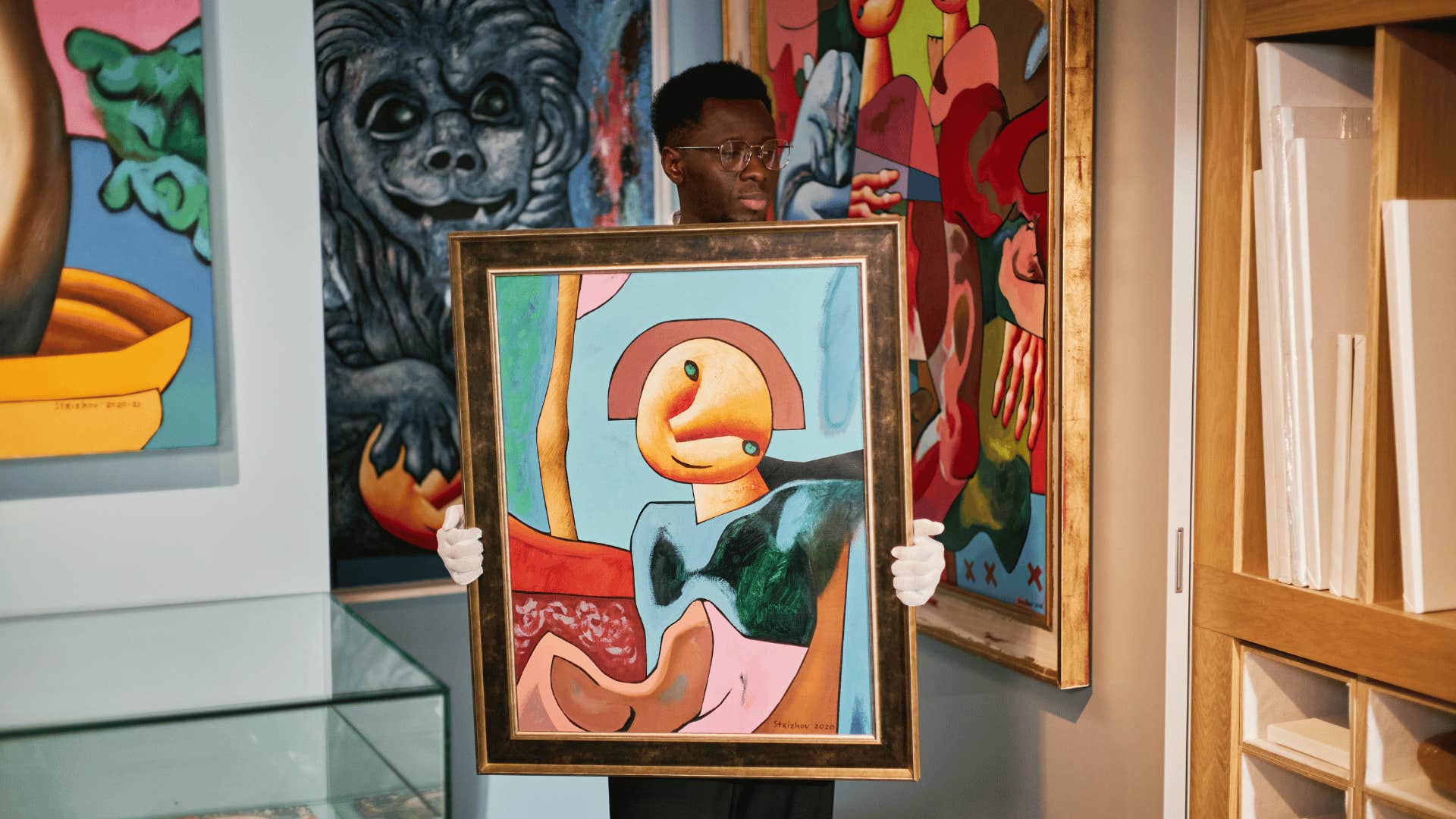
Art is amazing. There are so many benefits to having it in our homes. It’s been proven to uplift us and positively impact our mental health. While we may have various pieces in our home, the likelihood that they are original is slim. The average American probably enjoys art, but can’t afford to buy original pieces at incredible costs. For the wealthy, growing a fine art collection may be their idea of a status symbol.
By purchasing expensive artwork by legendary artists, the ultra-wealthy may be showing off their disposable income. They think this makes them impressive, but the average American may not even know the art they keep in their homes, or whether it is an original from the artist themself.
6. High-end pets
 Airam Dato-on from Pexels via Canva
As an advocate for rescue animals, I struggle to have patience with people who fork over thousands of dollars on high-end or exotic pets. I volunteer at a sanctuary that is a home for exotic pets confiscated from their owners. From monkeys and kangaroos to big cats and wolf-dog hybrids, it’s shocking what some people think they can keep in their homes. The average person has likely never imagined having these animals as pets. They likely have a cat or a dog, and wouldn’t dream of bringing anything else into their homes.
Some celebrities believe having these animals is a status symbol, which may encourage other well-off people to think the same. Even buying oddly bred dogs claimed to be ‘designer’ is a sign of wealth. In the end, the animals are the ones being impacted.
7. Branded everyday essentials
 Nuha Creation from Pexels
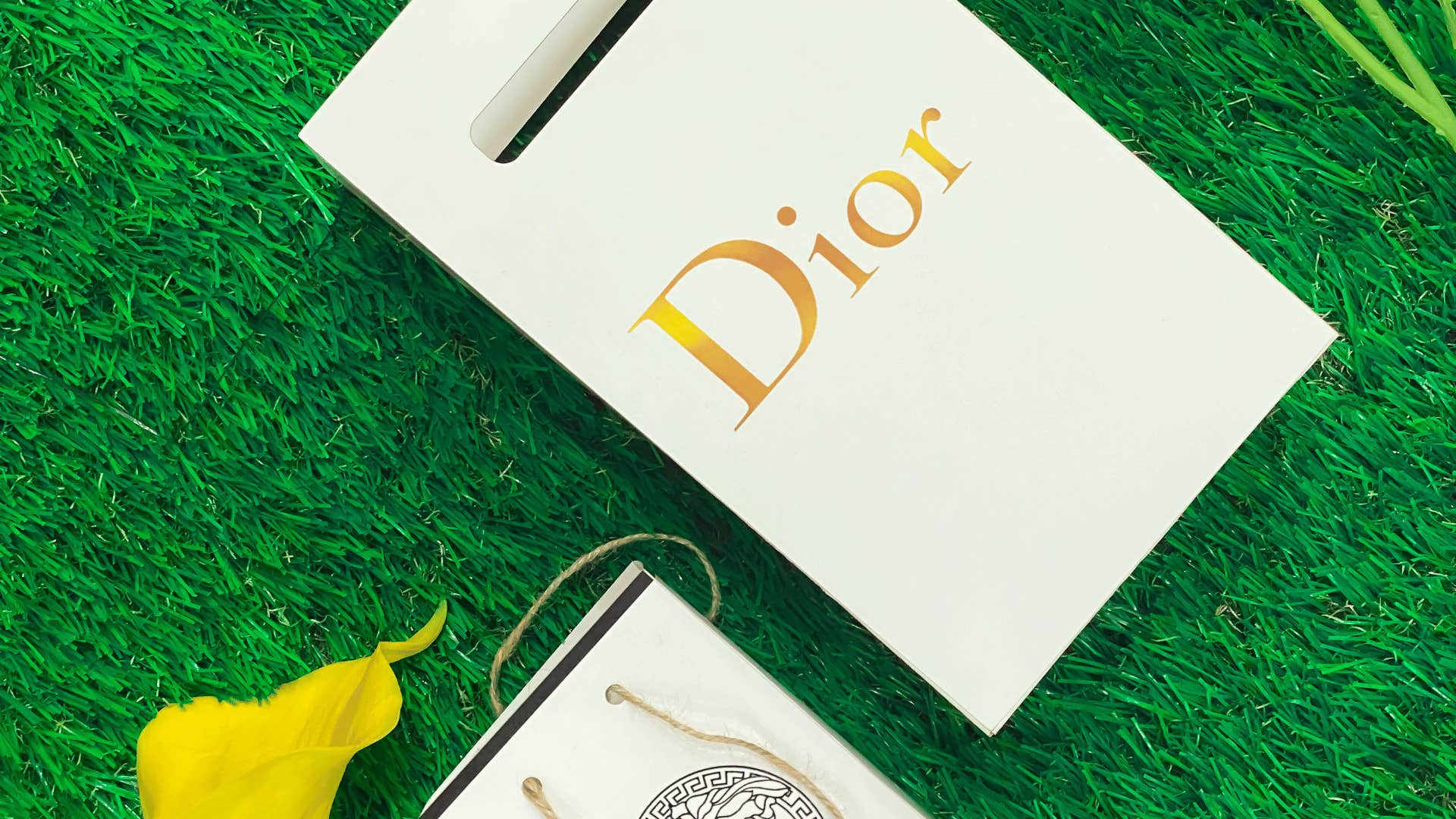
Let’s face it, branded items have gotten out of hand. It seems like there are high-end options for even the simplest things. Designers are slapping their labels on random things, from hand sanitizer to silverware. It’s silly, but wealthy people may be attracted to what brands they deem are the best, even if they don’t specialize in creating that item. They may view these things as a status symbol, but the average American likely couldn’t care less.
Branded everyday essentials likely do not make sense to the average person. Instead, they’ll buy their items at cost-effective prices from average, everyday stores. Whatever gets the job done works for them. The brand may be the last thing on their minds.
8. Elite private education
 Karola G from Pexels via Canva
Many of us grew up going to the school closest to our homes. Whatever was in the district, we attended from kindergarten until high school graduation. It was the norm. All of our friends did the same thing. However, the wealthy prefer to send their children to elite private schools. While many of us may have been happy to attend a school like this, we succeeded in the environment we had. A status symbol to the wealthy, forking over high tuition fees before their child is in college may not impress them.
Paul Albert attended an elite private boarding school attended by the ultra-wealthy. From kids coming to school in helicopters to socializing with the children of directors and major hotel owners, their experience was unlike that of the average American. They weren’t very impressed, telling Vice, “But being constantly surrounded by extreme wealth from a young age is incredibly unhealthy. You grow up thinking money is of no value, because you see it everywhere. You start thinking being poor is not having Gucci shoes, without realising that they represent a month’s salary to some people.”
9. Time wealth
 Truecreatives from TrueCreatives via Canva
Have you heard the term time wealth? It’s the concept that someone is wealthy in the amount of time they have during the day. For the ultra-wealthy, this likely means they can assign others their boring tasks. From going to the grocery store to cooking meals for them, the wealthy have cash at their disposal to hire people for various tasks. It can give them unlimited time in their day to do whatever they want.
This can be seen as a status symbol. However, the average American may not be very impressed. They have likely embraced doing everyday tasks. There are certain things I couldn’t imagine hiring someone else to do for me.
10. Exclusive memberships
 TOCHRA from Pexels via Canva
There are more private clubs and exclusive memberships than the average American may be aware of. They are in every major city and are popping up everywhere. They are a way for them to experience certain things, but in the company of other rich people. Joining these clubs costs serious money. If you can’t fork over the cash, you may not even know it exists. It’s a status symbol many people may not actually be impressed by.
The idea of having to pay a huge membership fee to attend a club or restaurant may not be appealing to the average person. It may seem pointless to them. Meanwhile, the wealthy find these memberships worthwhile.
11. Fine dining
 SUMALI IBNU CHAMID from Alemedia.id via Canva
We all love good food. However, dining at expensive restaurants can make people feel guilty. When money is tight, cutting out trips to eat out may be the first thing to go. It’s cheaper to make food at home. However, the wealthy likely love dining at the trendiest and most expensive restaurants. Since money isn’t a problem, they can dish out as much money as they want at restaurants. Fine dining may be something they prioritize.
Fine dining may never go out of style for the wealthy. However, when times are tough for the average American, they may not care about eating out at expensive restaurants. Instead, they’ll likely put their money towards other things.
Haley Van Horn is a freelance writer with a master’s degree in Humanities, living in Los Angeles. Her focus includes entertainment and lifestyle stories.

