
Baby Boomers Are Actually Sad About 10 Things That They Don't Really Talk About
 Bee Bonnet | Shutterstock
Despite being judged on social media by younger generations, baby boomers' daily experiences are largely misunderstood.
In fact, there are all kinds of struggles baby boomers are actually sad about that they don't really talk about, and other generations don't have the access to account for. Whether it's mental health struggles they don't feel safe speaking about or a sense of loneliness their adult kids don't understand, they regularly keep nuanced issues under wraps.
Baby boomers are actually sad about 10 things that they don't really talk about
1. Feeling lonely without their adult kids
 fast-stock | Shutterstock
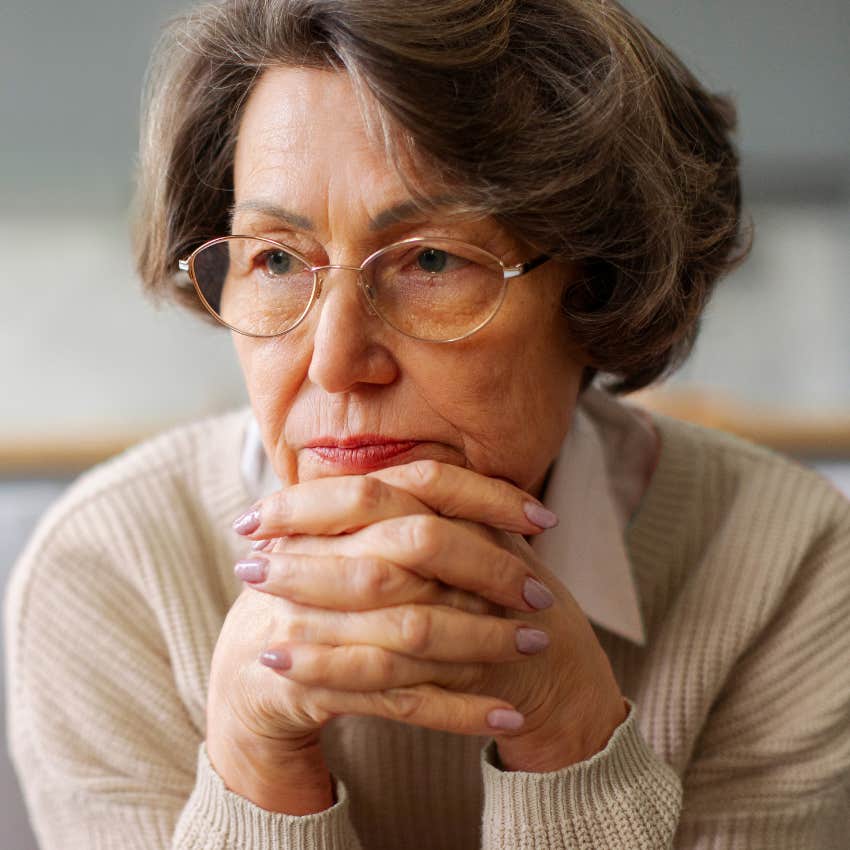
While baby boomers have had their kids grown and out of the house for years now, that doesn't mean the loneliness and isolation of watching them live their own lives still doesn't affect them. Especially after decades of being needed by children, having them start their own lives can spark all kinds of identity crises and complex emotions for anyone.
While their struggles with loneliness can manifest in unique, sometimes misunderstood ways, like needing constant background noise on a TV or showing up unannounced at their kids' homes, what's happening inside is more nuanced than most realize.
2. Feeling misunderstood
Collectively, baby boomers often feel misunderstood, largely because they're held to all kinds of misguided misconceptions and beliefs. Whether it's ignorance around technology or rigid values, they're often judged for traits they don't actually have or that young people don't understand.
Especially on the internet, where their intentions and identities are painted with broad strokes, feeling misunderstood may be a constant experience. This kind of social exclusion and ostracism is unhealthy and isolating for anyone.
3. Being left behind by new advancements
While most boomers aren't embodying the traditional stereotypes they're accused of when it comes to social media and technology, there's no denying that the modern landscape can feel daunting for most. Especially when they've built lives without things like AI tools, changing decades of experience for the sake of novelty can be confusing and difficult.
Especially considering they're so easily judged and held to ignorant stereotypes, boomers may consciously hide their struggles to protect themselves from criticism, making everything harder to cope with.
4. Watching young people suffer
While it's easy for young people to blame older generations for the economic or personal struggles they're facing today, the truth is that most boomers actually feel sad for them. There are certainly a few who believe that their own suffering should be felt by every generation, but for the most part, people don't want young adults to be miserable all the time.
Especially when it's their family and adult children facing hardship, of course they're going to feel sad, even if their conversations are about trying to fix the struggles and offering advice.
5. Losing friends and family
 PeopleImages | Shutterstock
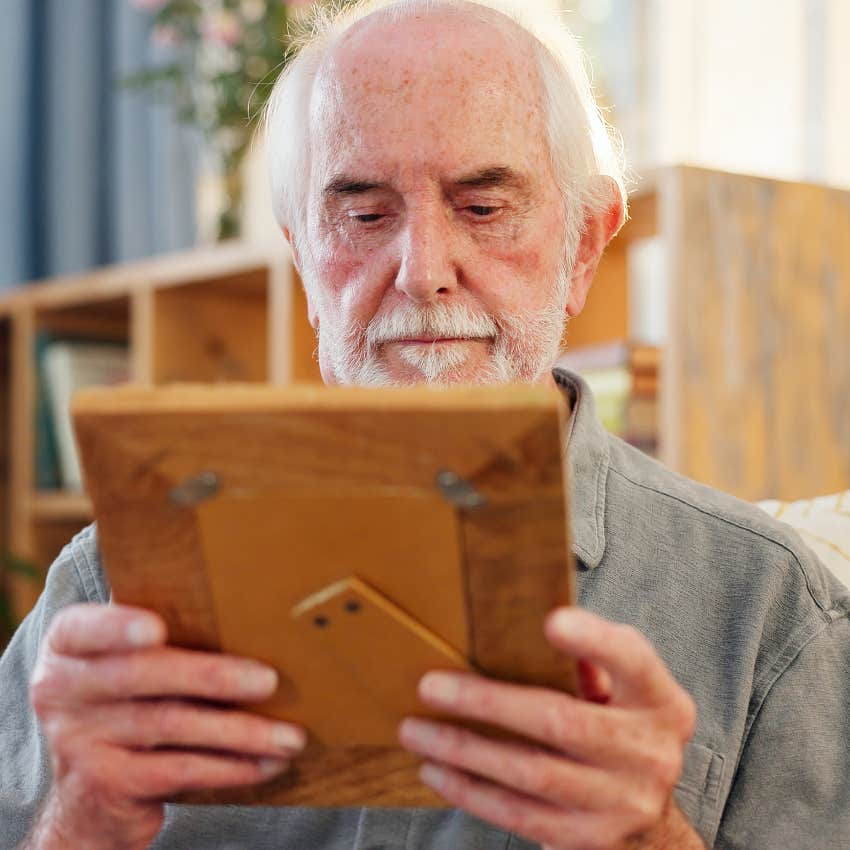
Whether it's a literal or metaphorical loss, many older generations are grieving the loss of people in their lives. From friends they've outgrown to partners they've grown old with, this kind of loss brings an insurmountable sadness that demands to be felt, whether out loud or in private.
Despite being somewhat expected and natural, as they continue to age, baby boomers continue facing more grief, and the knowingness of it all doesn't make it any easier.
6. Feeling invisible
Especially for women, aging can often make people feel invisible, according to a study from Current Issues in Personality Science, particularly when they stop caring about looking youthful and conforming to toxic beauty standards.
In a youth-fixated culture, on top of feeling invisible, some boomers may also be grappling with grief over the loss of a certain appearance or societal role. They're only getting more intelligent and self-assured, but society is condemning them to an expectation of decline that's just not true.
7. Life regrets and wasted time
Considering time feels as though it moves faster the older you get, as a study from the Quarterly Journal of Experimental Psychology explains, it's not surprising that boomers are cultivating a lot of dread and sadness about their regrets. Whether it was wasting time working all the time or tolerating misbehavior in a toxic relationship, they can't help but mourn all the time they spent in the wrong places and spaces.
With more quietness and alone time, they also have more space to reflect. Some of the mistakes they forgot they made or the comparisons they make with peers now only make them feel more alone.
8. Experiencing the deterioration of traditions
Traditions offer space for us to build community and commune with family. They also create meaning and bolster a sense of fulfillment in our lives. However, when we age, and everyone becomes a little busier and a little more invested in their own lives, traditions can fall apart, and with them, all of these special moments.
While adult children and friends may create their own new traditions with their families, many baby boomers are left mourning the ones they lost. Especially if they spend a lot of time alone and struggle making new communities outside of these relationships, the grief can be all-consuming over time.
9. Carrying guilt about past mistakes
 Gladskikh Tatiana | Shutterstock
Whether it's rearing its head through the childhood trauma of their adult children or their own internal reflection as they get older, old mistakes can haunt people as they get older. Even when they seem defensive or passive on the surface, these kinds of things tend to sit deep in someone's emotional state, cultivating shame.
Usually, the key to healing this kind of internal suffering is self-acceptance, but for boomers who are still facing mental health stigma in their lives, it can feel impossible to bring these pent-up feelings up and out. So, they keep causing sadness forever, until they ultimately bubble up and can be addressed.
10. Watching community spaces shut down
With economic issues running through communities, like non-profit spaces losing funding and more organizations needing member fees to keep their doors open, it's not surprising that so many "third spaces" are deteriorating in our culture.
When a lot of the memories an older person carries from growing up revolve around community spaces and sharing passing moments with strangers in group settings that they didn't have to pay a premium for, the loneliness they're faced with is only exacerbated by an inability to walk down memory lane.
Zayda Slabbekoorn is a senior editorial strategist with a bachelor's degree in social relations & policy and gender studies, focusing on psychology, relationships, self-help, and human-interest stories.

