
11 Basic Manners That For Some Reason People Today Didn't Learn Or Don't Care About
 Irene Miller | Shutterstock
In our often status-driven, convenience-oriented, selfish modern society, many people are noticing a lack of basic manners that for some reason people today didn't learn or don't care about. And it reveals quite a lot about not only their upbringing, but who they are as a person.
1. Respecting your elders
 PeopleImages | Shutterstock
In theory, respecting your elders and people with life experiences that you lack is a great idea. However, many younger people today are breaking down this norm in practice. Respect is a two-way street, and young people being intentional about mental health and boundaries push back against the idea that they should have to tolerate misbehavior and offer respect to someone who mistreats them.
We could all use a little more grace and love in all of our interactions, and while that doesn't mean tolerating someone toxic, it could mean being willing to offer respect and create space in your best interest.
2. Saying 'please' and 'thank you'
 PeopleImages | Shutterstock
While it seems like the most basic, easy piece of etiquette for older generations to follow, a study from Social Psychology Quarterly found that the number of people regularly using "please" and "thank you" in conversations is steadily decreasing. Whether it's rising narcissism in our status-driven society or a general aura of entitlement, people don't seem to care about this basic level of consideration for others anymore.
It's unfortunate, especially because so many people are struggling with chronic loneliness today, that they're missing out on chances to connect and respect people, even strangers. It's these kinds of respectful, empathetic interactions with people that truly boost our well-being and happiness, and a lack of manners is slowly sabotaging our ability to show up in them well.
3. Not using a phone during a conversation
 voronaman | Shutterstock
According to a study from Scientific Reports, the mere presence of a phone during a conversation or interaction can sabotage attention and concentration between people. So, if someone's actively using it or getting distracted by notifications and scrolling, there's an added layer of irritation and disconnection that ruins good interactions.
It's not only disrespectful, but it can encourage people to feel invalidated and unseen when the person they're trying to connect with is more interested in their phone. However, in our modern culture, where so much of our lives and identities are intertwined with our cell phones, it's not surprising that these are basic manners that for some reason people today didn't learn or don't care about.
4. Being respectful of shared space
 Trzykropy | Shutterstock
Social awareness is often defined by an ability to read a room and notice people's energy, but it also encompasses a whole list of social manners, like being respectful of someone's personal space, which is incredibly important for offering respect.
From respecting people's physical boundaries to walking at a comfortable pace, noticing people, and even cleaning up after themselves in public spaces, for some reason, many people today are overlooking the importance of care for strangers and their neighbors.
Especially when so many public "third spaces" are becoming inaccessible for most, taking care of the ones we have left with decency and respect is essential, and yet, it's becoming increasingly uncommon.
5. Saying 'excuse me'
 BearFotos | Shutterstock
Especially when many young people and children learn manners from independent practice out in the world, in addition to modeled behavior from their parents, it's not surprising that basic things like saying "excuse me" when passing someone are slowly disappearing.
With so many kids spending most of their time behind a screen, with an overbearing parent and at home, they're missing out on opportunities to practice social interactions and manners into adulthood. They're used to protecting their comfort at home or having a parent lead these interactions when they are in public, but when they're on their own, they're subconsciously operating in a more selfish, unempathetic way.
6. Not interrupting
 Dragon Images | Shutterstock
While interruptions and fast-paced conversations can sometimes feel friendlier in certain social situations, according to a Stanford study, most of the time, when we're cut off by someone seeking attention in a conversation, we feel invalidated and annoyed.
It sabotages the flow of conversations and often rewards the most overconfident, loud people, as their voices are most prioritized. While screens and a desire for instant gratification are shifting social manners to some extent, because many younger generations struggle with basic social manners and etiquette from a lack of practice, it's not surprising that this is one of the norms that's less prominent in our interactions.
7. Not one-upping in conversations
 Krakenimages.com | Shutterstock
Status drives our modern culture, whether it's defined by material things, money, or time. Many people have been socialized into seeking and prioritizing status above all else.
So, it's not surprising that basic manners like humility in conversations are slowly disappearing. Whether it's one-upping people sharing their success in conversations or bragging about everything from jobs to money, many people's desire to feel valued and superior overlooks their care for basic humility.
8. Returning shopping carts
 Nittaya Khuangthip | Shutterstock
While the tendency to return shopping carts at the grocery store has become some kind of unspoken social experiment, the truth is that it's actually a sign of respect and decency. If you leave your cart in the middle of the parking lot, it doesn't float to the designated area on its own. You're essentially making someone else's life harder for a minute of comfort.
It's a selfish mentality that many people are adopting in all aspects of life, and is one of the basic manners that for some reason people today didn't learn or don't care about. It's no wonder the etiquette people used to live by is starting to become less common and cared for.
9. Not oversharing
 Cast Of Thousands | Shutterstock
While a few decades ago, kids and young people were taught to value privacy around taboo topics, personal issues, and vulnerabilities at home, the digital landscape today has turned that expectation on its head. Now, everyone has full access to overshare and seek attention from their phones, and it's not shocking that this tendency has changed the way we interact with others.
Especially when so many people are lacking interaction and connection, this tendency to overshare, no matter how misguided it may be, allows people to seek a misleading version of vulnerability with others. They feel "seen" in some way and connected, even if oversharing ends up making people feel uncomfortable and emotionally burdened right from the start.
10. Listening instead of waiting to talk
 Bricolage | Shutterstock
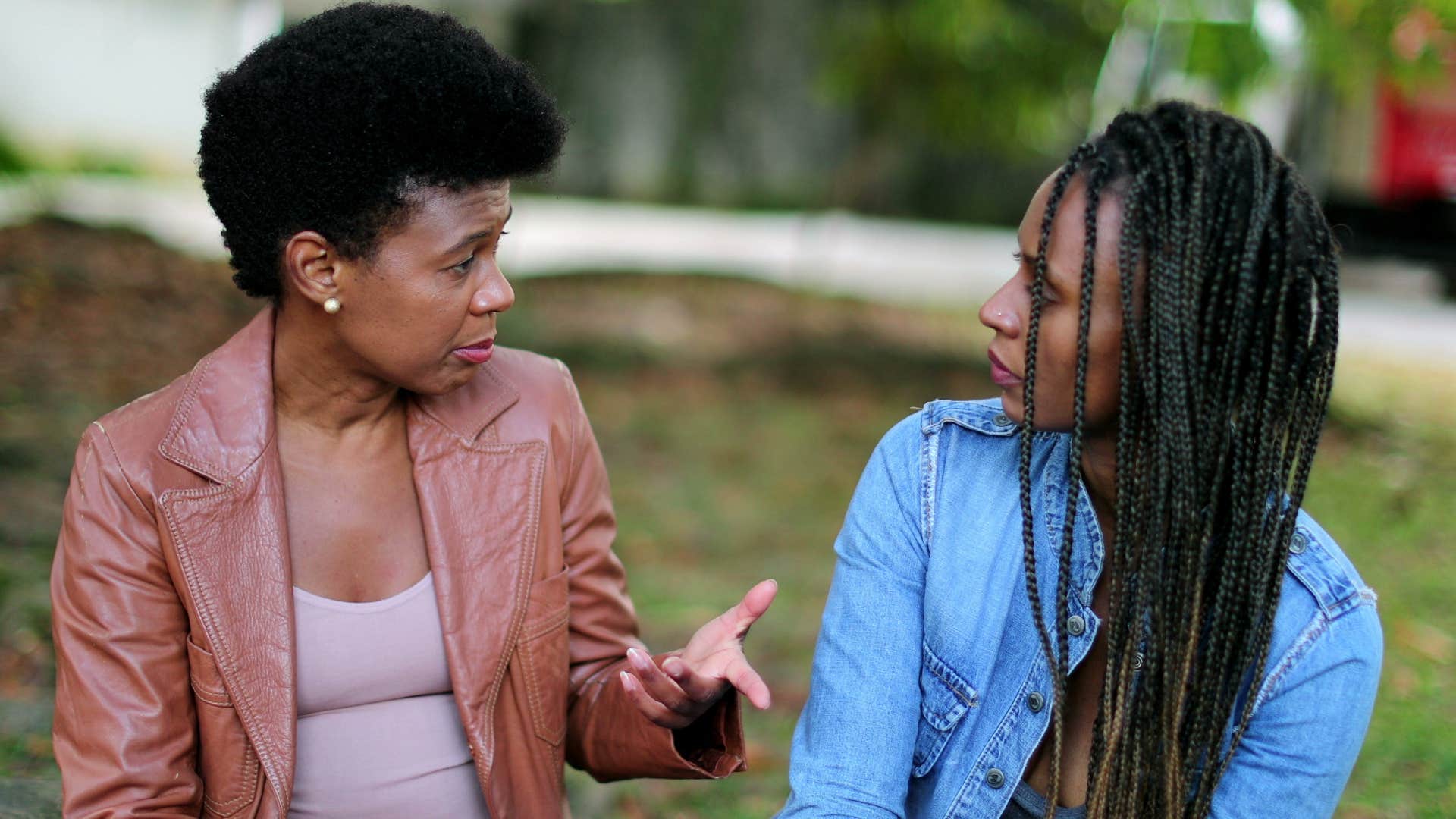
Our modern "age of selfishness" is incredibly nuanced and manifests in small ways across every aspect of our lives, but in conversations, it often urges us to seek the spotlight. Whether it's bragging about our goals and accomplishments, interrupting someone while they're speaking, or trading true active listening for a pause while you're waiting to speak, our selfish motives are harming conversations.
While it might seem like a subtle, harmless shift, active listening makes people feel valued in conversations, but being with someone who's only waiting to speak can feel like a competition. The art of simply supporting and letting someone else speak is a lost cause in many spaces, and is ironically sabotaging connection in a time when we need it most.
11. Not canceling at the last minute
 Andrii Nekrasov | Shutterstock
Our culture teaches young people to always put their comfort first, whether it's at the hands of overbearing parents or a digital landscape that offers them immediate comfort and distraction when they're feeling uncomfortable. So, when they're not feeling excited or interested in something, "quitting" is their natural reflex.
Even in close-knit relationships, canceling at the last minute and trying to justify their disrespect as self-empowerment and "protecting their peace" is their new normal. However, it's pushing people apart and making people feel isolated. Not everything has to feel personally rewarding or comfortable for it to be important. That realization could be the barrier many people face that's keeping them from truly showing up for the people they care about.
Zayda Slabbekoorn is a senior editorial strategist with a bachelor's degree in social relations & policy and gender studies who focuses on psychology, relationships, self-help, and human interest stories.

