
In Your 50s And 60s, Taking Better Care Of Yourself Stops Being Optional — Experts Share 6 Reasons Why
 Andrii Nekrasov | Shutterstock
As you enter your 50s and 60s, taking care of yourself is one of the best things you can do for yourself. It’s easy to put yourself last on the list. You take care of your family, and you prioritize work. This doesn’t leave much time for yourself. Start with getting enough rest, eating nutrient-rich foods, and drinking plenty of water. And, don’t forget about hygiene.
Taking care of yourself is not selfish. You should not feel guilty about it. It really is true, we can’t take care of anyone else unless we have taken care of ourselves. This will also help you enjoy life a little more.
Here are the reasons why taking better care of yourself stops being optional in your 50s and 60s:
1. Taking better care of yourself in your 50s and 60s can help protect your memory
 Getty Images / Unsplash+
We have become a sleep-deprived culture. The cost is forgetfulness. Have you ever noticed that when you haven’t had enough sleep, you make more mistakes? This can affect your family and your work performance. Make sure you get at least 8 hours of sleep. Take a 30-minute nap in the middle of the day. Your mind will thank you for it.
Researchers at Yale found that your brain actually uses sleep to clear out waste proteins linked to cognitive decline and Alzheimer's disease. Different types of memories are also processed during deep sleep, which means skimping on rest actively interferes with your ability to retain information.
2. Taking better care of yourself in your 50s and 60s can improve your mood
 Ahmet Kurt / Unsplash+
Are you more irritable these days? This happens when you put yourself last on the list. Taking care of yourself helps you feel better about yourself. It also helps you set better boundaries. So, you can stop saying "yes" when you mean "no". Your friends and family will thank you for this in the long run.
Therapist Lianne Avila explains that once you start setting this boundary, she says, your friends and family are actually more likely to respect you, and your relationships become more meaningful because of it.
3. Taking better care of yourself in your 50s and 60s supports heart health
 Getty Images / Unsplash+
Research confirms: Exercise is one of the best forms of self-care. Yet, so many people cut it out of their lives. Start scheduling time for exercise. You can start by walking 10 minutes in one direction from your house. You will have to walk back. There you go, you added 20 minutes of walking into your day. You are off to a good start. Try adding some weight lifting to your exercise regimen.
Not only is this good for your heart, but it is also good for your strength, especially as you get older. People who have a regular exercise routine report feeling better. And, you can’t beat the endorphin high. Regular movement is one of the most well-documented ways to lower cortisol, the stress hormone that, over time, does significant damage to heart health.
4. Taking better care of yourself in your 50s and 60s helps your stress levels
 Getty Images / Unsplash+
Tired of always worrying about the future? Will you have enough money, love, and time? You can’t predict the future. I've found that many people spend too much time thinking ahead. This creates a lot of unnecessary stress. Not only do a lot of people spend way too much time trying to predict the future, but they always predict that it will turn out badly.
If you can’t stop trying to predict the future, then predict a positive outcome. According to clinical psychologist Dr. Susan Pazak, worry is a persistent, slow drain on the emotional, physical, and spiritual energy you need to actually live your life. She points out that staying present instead of fixating on future fears is what allows you to feel regulated, peaceful, and capable of handling whatever the day brings.
5. Taking better care of yourself in your 50s and 60s makes it easier to care for others
 Getty Images / Unsplash+
When you don’t take care of yourself, you are at risk for burnout. This makes it difficult to take care of others and yourself. It also makes you feel jealous of friends and family who actually care about you. It’s hard to feel appreciative when you feel burnt out.
Research on caregiver burnout shows that people who neglect their own health end up facing physical and emotional exhaustion that directly reduces the quality of care they can provide to the people who depend on them.
6. Taking better care of yourself in your 50s and 60s helps you relax and enjoy life more
 ohlamour studio / Unsplash+
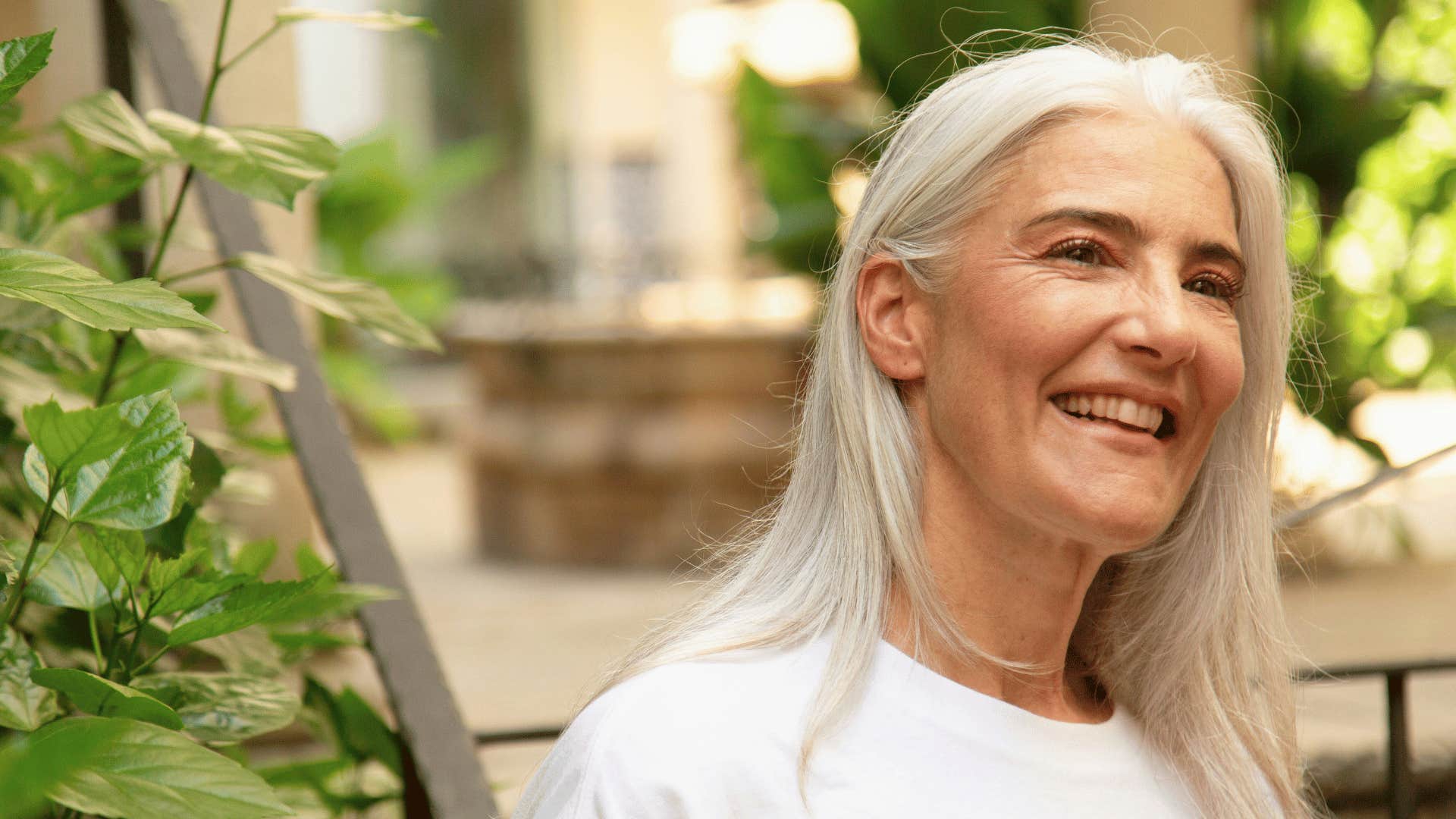
You will be able to ride through the highs and lows of life more easily. You begin to realize that you don’t have to be perfect, and neither does anyone else. You have realistic expectations of others and yourself.
Psychotherapist Nancy Colier explains that when we stop fighting our circumstances and instead give ourselves permission to soften and accept where we are, we actually end up more resilient because of it. Rolling with your situation rather than against it, she says, offers the smoothest ride possible on what is, by nature, a bumpy road.
You’ve already gotten through some difficult times and realize you can do it again if you have to. Let’s face it, we’ve all been around someone who just takes life way too seriously. You probably couldn’t wait to get away. Enjoy where you are in life and the people you are with.
We live in a fast-paced world, where it’s easy to focus on what you don’t have, rather than what you do have. This leaves you feeling like you never have enough. If you keep thinking this way, you will burn out. This can cause many unnecessary problems in your life. Now, who had time for unnecessary problems?
Lianne Avila is a Licensed Marriage & Family Therapist. She is dedicated to helping couples and has completed Levels 1, 2, and 3 at The Gottman Institute.

