
If Someone Was Raised With Zero Manners, They'll Usually Say These 11 Phrases On A Regular Basis
 Krakenimages.com | Shutterstock
Proper etiquette is an important part of making a positive impression. In fact, having good manners not only makes it easy for people to feel comfortable around you in social situations, but it shows others that you care about them. Good manners go beyond just saying "please" and "thank you;" it also involves having a grateful mindset and thinking about other people's needs.
You can tell a lot about someone by what they say and how they say it, especially as it pertains to their demeanor. Because if someone was raised with zero manners, they'll usually say certain phrases on a regular basis that expose their impolite and rude nature.
If someone was raised with zero manners, they'll usually say these 11 phrases on a regular basis
1. 'You're wrong'
 NDAB Creativity | Shutterstock
People raised with zero manners are quick to tell others they're wrong, without looking at their own fallibility. Oftentimes, they also shift blame onto others, because the feeling of making a mistake is too uncomfortable to accept.
Journalist Kathryn Shulz explored the dynamics of being wrong, asking, "Why do we get stuck in this feeling of being right? One reason actually has to do with the feeling of being wrong... It feels like being right."
Schulz described a concept she termed "Error blindness," which she explained as "A structural reason why we get stuck inside this feeling of rightness." She added, "Most of the time, we don't have any internal cue to let us know that we're wrong about something, until it's too late."
Schulz touched on another reason being wrong is so difficult, noting that we learn from an early age that "The way to succeed in life is to never make any mistakes." This lesson leads many people to have a perfectionist mindset, which means they struggle to admit when they've made a mistake.
2. 'That's not my problem'
 Kues | Shutterstock
Practicing random acts of kindness is one small way that we can help each other out. According to the Mayo Clinic, "Kindness can increase your sense of connectivity with others, decrease loneliness, combat low mood and improve relationships. It also can be contagious, encouraging others to join in with their own generous deeds."
Unfortunately, if someone was raised with zero manners, they'll usually say "that's not my problem" on a regular basis. They don't see the value in extending themselves to anyone else. They might be the type of person who doesn't put their shopping cart back at the grocery store or ignores tourists who need directions when they're lost, because they don't think those are their problems to solve.
3. 'It's my way or the highway'
 DW labs Incorporated | Shutterstock
When people are raised without good manners, they often turn into adults who expect everything to go their way. They lack flexibility and humility, and are incredibly entitled, which manifests in their attitude toward other people.
Licensed marriage and family therapist Lianne Avila explained that selfishness can negatively impact all types of relationships, from romantic partnerships to friendships to professional relationships. Always thinking you're right means you never learned to compromise, which can devastate relationships. Having a partner requires someone to give as much as they take, or else the inevitable imbalance will lead to resentment.
"Both people need to feel equal in relationships," Avila said. "When you don't feel equal, you will grow apart." Demanding that other people bend to your will and meet your needs with any reciprocity is a clear sign of someone raised with zero manners.
4. 'This is all your fault'
 PeopleImages | Shutterstock
According to a study published in Personality and Social Psychology Bulletin, accepting responsibility for transgressions is connected to how people view personality, overall. Researchers found that people's beliefs on personality can affect the likelihood of them accepting responsibility for being wrong.
Researchers also noted that people often avoid admitting when they're at fault because it feels threatening to their sense of who they are. They discovered that people who think personalities can change are more likely to accept their mistakes because they see being wrong as an opportunity for growth and repair.
5. 'That's just how it is'
 Kues | Shutterstock
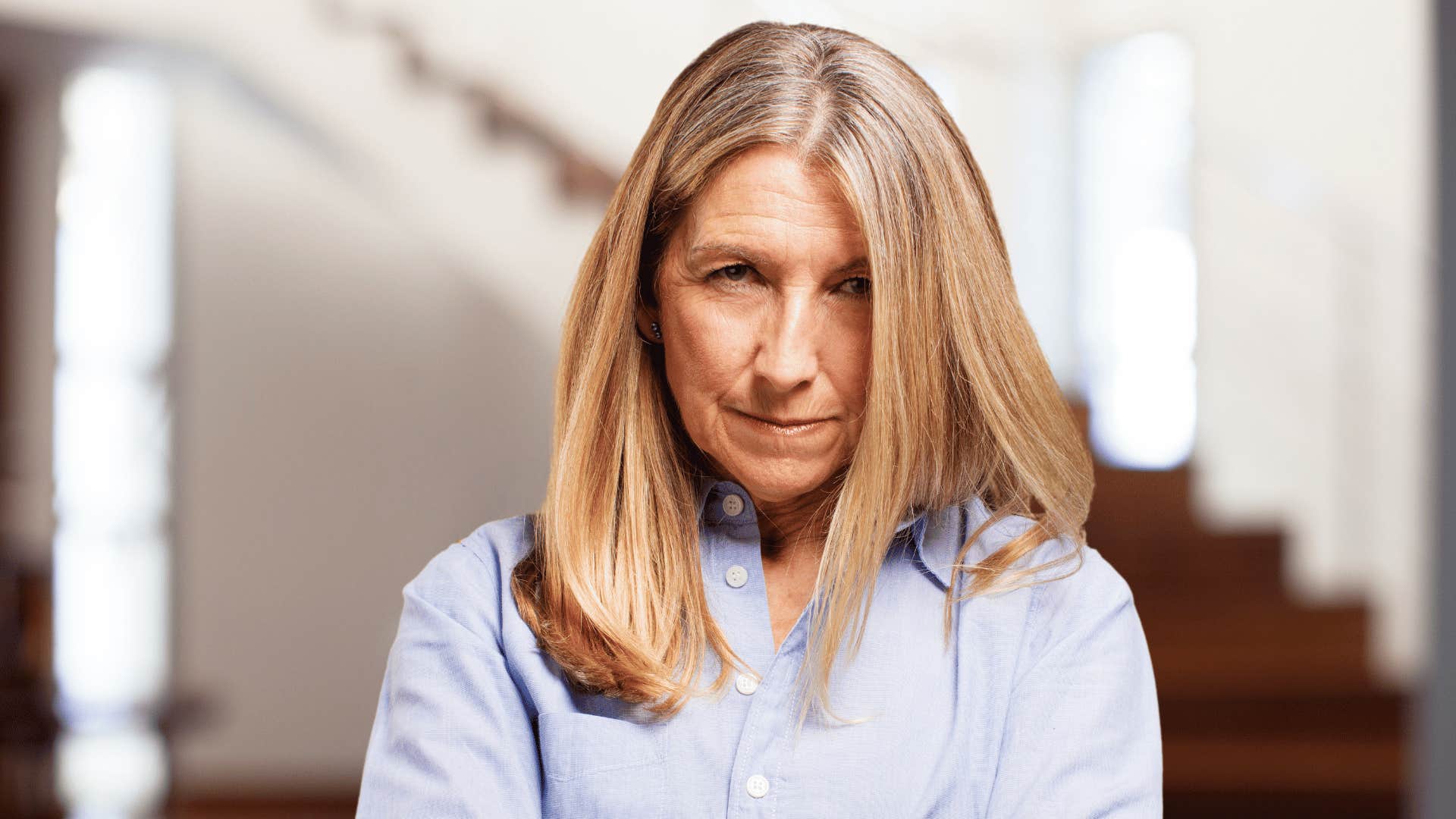
Having a rigid mindset can influence people's attitudes towards change. Just as someone who was raised with poor manners believes they're always right, they also believe they don't owe anyone an explanation for their actions or decisions.
By using the phrase "that's just how it is," they shut down any opportunity for constructive conversation. Instead of helping someone see things from their perspective or being open to other opinions, they put up walls and refuse to hear any alternatives.
6. 'Why would I apologize?'
 Estrada Anton | Shutterstock
Because they don't see a need to say sorry, even when they know they've caused harm, if someone was raised with zero manners, they'll usually say these phrases on a regular basis. Instead of apologizing, they get defensive and double-down on what they've done.
Not saying sorry can create a rift that's hard to come back from. And though apologizing can be incredibly difficult, doing so can heal relationships and repair wrongs of the past. Saying sorry enhances the emotional intimacy between people by creating a sense that they're on the same team.
7. 'Get away from me'
 Krakenimages.com | Shutterstock
Handling conflict is challenging for people who lack proper manners. They often weren't instructed on how to sit with difficult feelings, which means they don't know how to process or express their emotions during the heat of a fight. There's nothing wrong with taking time to oneself or asking for space, but saying it in an aggressive manner won't get a person far. "
"The overall tone and vibe of aggressive communication are intense and confrontational. A conversation that is dominated by aggression can be exhausting and frightening. It also does not tend to be a productive form of conversation — if everyone’s needs and goals are not discussed, they can’t be met," health educator Elizabeth Scott warned.
8. 'I need it right now'
 fizkes | Shutterstock
By the time we reach adulthood, most people have had their fair share of difficult colleagues. From officemates who spread rumors to co-workers who take credit for your hard work, the level of toxicity in any given job can vary widely.
Employees confronted by a manager who has no patience have probably heard them say some variation of "I need that right away." But this phrase not only highlights their inflexibility, it's also impolite. Even if a task at work is urgent, communicating with compassion and kindness isn't something that should get overlooked.
9. 'Shut up'
 Hananeko Studio | Shutterstock
If someone was raised with zero manners, they'll usually say "shut up" on a regular basis, but it's the epitome of rudeness. Someone who speaks this way to others were likely never taught the proper way to communicate their needs and wants.
There are much kinder ways to say this phrase, and "shut up" has an inherent harshness that is jarring. Using it is a clear indication that someone has bad manners and likely is just a rude person overall. Just because someone expresses something they disagree with, it doesn't mean anyone has the right to speak with such a rude tone.
As author Polly Campbell advised, "Nothing positive happens when we interrupt, talk over, or even shout at each other. And if you are looking to be persuasive, shouting others down won't do it. It just makes the situation more stressful and divisive, laying the groundwork for even more incivility."
10. 'What's your problem?'
 fizkes | Shutterstock
Asking "What's your problem?" is a confrontational and aggressive way to approach others. People might use this phrase when their partner is in a bad mood or when their friends push back against something they've said. It's a disrespectful way to ask much kinder questions like "Are you okay?" or "Did I do something wrong?"
People raised with zero manners who use this phrase don't have to stay stuck in this position. They can adjust their attitude and reframe how they speak so they center on compassion and not cruelty.
11. 'It's not a big deal'
 Anatoliy Karlyuk | Shutterstock
Telling someone that a certain situation isn't a big deal is not only dismissive, it's quite judgmental and indicates a lack of empathy. When a person is expressing how something has affected them, if someone replies with "it's not a big deal," it minimizes the experience and makes them feel insignificant.
Instead of opening space for another person to talk, responding this way makes them feel like they shouldn't be upset in the first place, so they may stop sharing altogether. Though the person saying it may think they're trying to be reassuring, it's skipping over how they feel first, which is usually what people need most.
Alexandra Blogier, MFA, is a writer who covers psychology, social issues, relationships, self-help topics, and human interest stories.

