
About To Lose It? Neuroscientist Says A 10-Second Breathing Trick Can Calm Your Nervous System Instantly
 Karola G | Canva
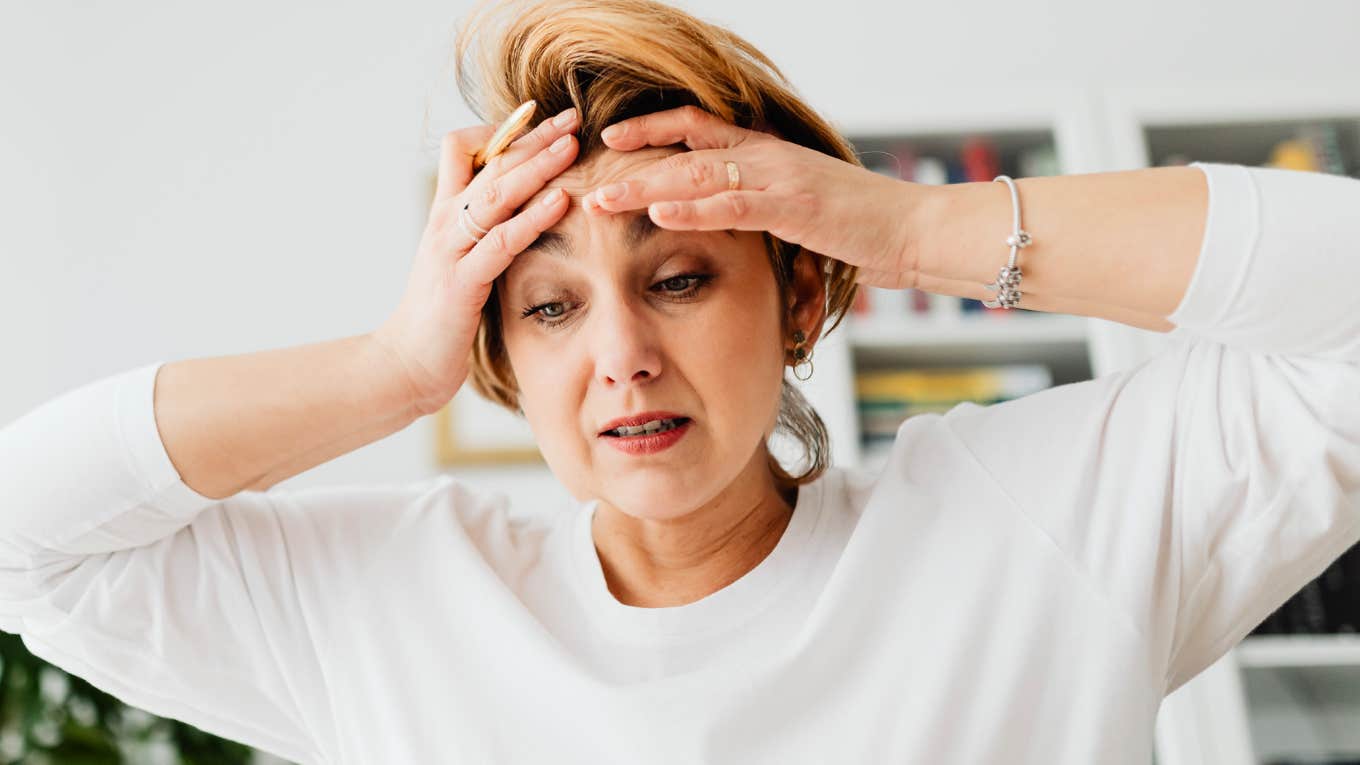
Of the many perils of modern-day life, one definitive aspect of being a person walking this earth is learning how to navigate stressful situations.
Existing in relation to other people can be inherently stressful, whether it be in the workplace, in intimate relationships, or in the completion of menial tasks, like grocery shopping or paying bills. It seems like we’re always seeking ways to reduce our stress levels, whether through diet, exercise, or various attempts at rest.
Neuroscientist Andrew Huberman says there's a ten-second trick called the 'physiological sigh' that can calm you down instantly.
Huberman is a neuroscientist and researcher at Stanford University who has spoken extensively about an easily accessible breathing technique for calming down quickly.
According to Huberman, "The physiological sigh is the fastest, hard-wired way for us to eliminate this stressful response in our body quickly, in real-time."
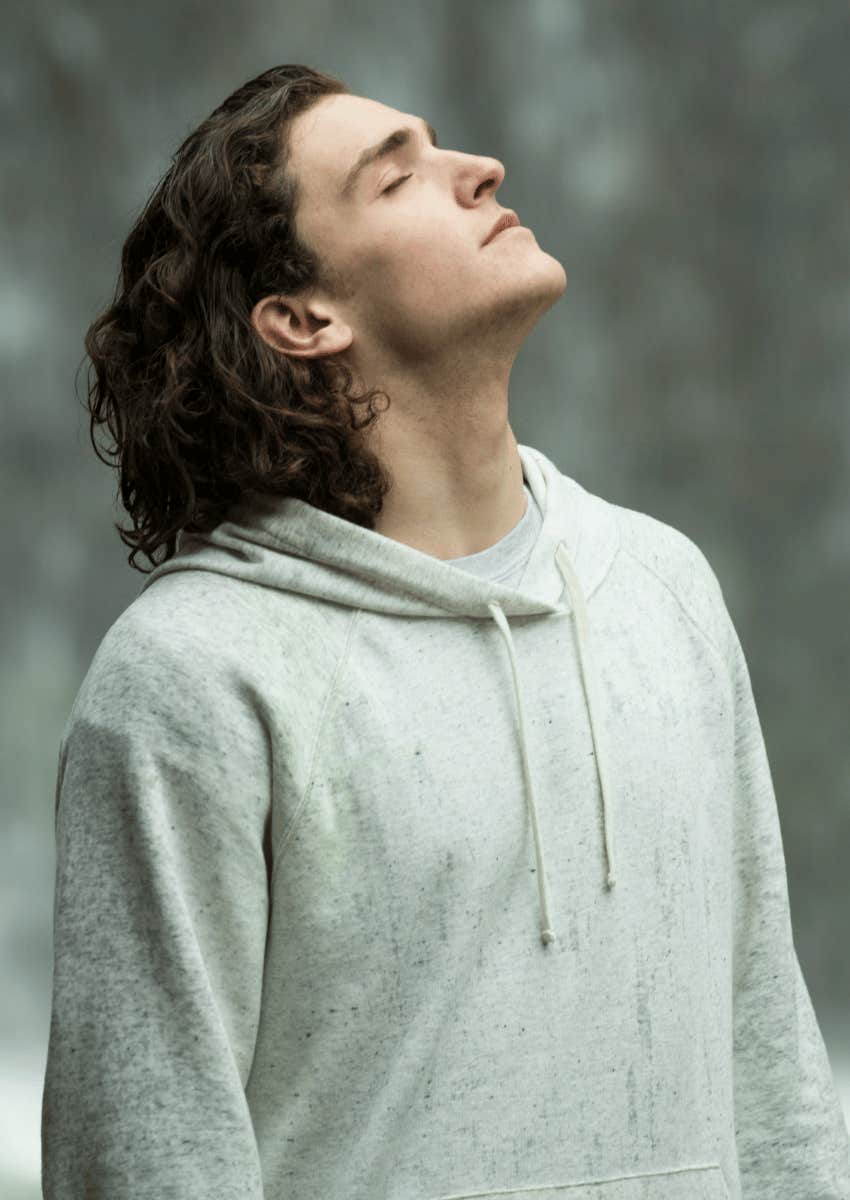
He explained that the “physiological sigh is something that we do spontaneously. But when you’re feeling stressed, you can do a double inhale, long exhale. When we do a double inhale, even if the second inhale is sneaking in just a tiny bit more air, because it’s kind of hard to get two deep inhales back to back. Deep inhale, then another little one sneaking it in.”
Huberman explained the reason why inhaling twice in a row, then exhaling, creates an immediate sense of calm
 Elijah Hiett / Unsplash
He described how our lungs are actually made up, stating, “Your lungs aren’t just two big bags, but you’ve got millions of little sacs throughout the lungs that actually make the surface area of your lungs as big as a tennis court. Those tend to collapse as we get stressed.”
He reiterated just how important it is to breathe and release the tension we innately hold in our bodies, just by virtue of being alive
Licensed psychologist Dr. Alicia H. Clark agrees, "Deep, slow belly breathing is one of the most powerful ways we can take control of our stress response and calm the autonomic nervous system." What makes Huberman's physiological sigh so compelling is that it takes that same basic idea and gives your body an even faster path back to calm.
“When you do the double inhale, exhale, the double inhale reinflates those little sacs of the lungs,” he explained. “And then when you do the long exhale, that long exhale is much more effective at ridding your body and bloodstream of carbon dioxide, which relaxes you very quickly.”
It's worth mentioning that this is something the body already knows how to do. The physiological sigh happens naturally during sleep as a way to reinflate collapsed lung sacs, and it's also what your body does automatically when you're deep in a cry. This might explain why a good cry often ends in a surprising sense of calm and release.
Parents have even found ways to teach the technique to young children, reframing it as something playful like "bunny breaths" to make it approachable for kids who are learning to regulate big emotions.
Our world is saturated with different ways to destress, some more accessible than others. Yet as Huberman emphasizes with this particular technique, the best way to stay calm is to be present in our bodies and remember to breathe.
There are bound to be days when releasing all our stress seems impossible, but by practicing Huberman's double inhale-exhale technique, we can ground ourselves and give our bodies a small, well-deserved break.
Alexandra Blogier is a writer on YourTango's team. She covers mental health, psychology, and all things to do with the human experience.

