
A 90-Year-Old Woman Says These 5 Everyday Habits Are The Secret To Her Long Life — And Science Backs Her Up
 mamaza | Shutterstock
I know a young woman who is so closed-minded. She feels put off by anything out of the ordinary: décor that is not her taste, fashion that's not her taste, relationships that don’t look like hers, religions that don't mirror her beliefs, and "foreigners" that don’t look like her. She is forever sneering. And her hostile, judgmental attitude makes her look hard and aged.
I'm also lucky enough to know an elderly woman who truly loves life. She laughs out loud and holds hands with every person she meets. She has seen a lot in her nearly 90 years, and she's still as curious as she was in her younger days. She tries new foods, travels to foreign countries, and often spends her days feeding the homeless in their makeshift communities.
She asks a lot of questions when she's in new or uncomfortable situations to help her better understand others and their perspectives. And though I admit her face is considerably wrinkled, there is something about her that radiates youthful exuberance and happiness.
And we all could learn a lot from her. So what's the secret to living longer and becoming a happier person? Like the elderly woman, focus on joy and stay open to new life experiences. It's as simple as that. And there's science to prove that it works, too.
The National Institute on Aging suggests that those who see aging as an opportunityare more active, social, and successful than those who don’t. Additionally, researchers studying longevity say those who feel a sense of purpose and direction in life may live longer. In fact, positive people can expect to live as many as five years longer than their grumpy counterparts.
If you want to live longer, become a happier person, and bring these science-backed benefits into your life, you must embrace the secret to a long life: joy, curiosity, and positivity. Make a point to accept others. Ask questions. Meet new people. Be engaged. Push your own boundaries. Try new things. And ultimately, don’t take yourself so seriously.
A 90-year-old woman says these five everyday habits are the secret to her long life, and science backs her up:
1. Thinking before you speak
Is what you're about to say actually true? Is it necessary? Is it kind? If you frequently use social media, please check your facts first. Snopes.com is a great way to fact-check.
Also, remember, not every motivational meme that supports your opinion is actually factual. Dig deeper. Get curious. Dive in and discover new facts.
The NIH's Baltimore Longitudinal Study of Aging followed 2,000 people for over five decades and found that emotionally stable individuals who manage their reactions and sidestep chronic negativity live an average of three years longer than those prone to anxious or negative emotional states. Pausing before reacting is genuinely good for your health.
2. Looking for the positive
 Danie Franco / Unsplash
Why be all, "Darn kids these days!" just because the latest music or dance craze or humor or hairstyles aren't the same as yours? Lighten up and open your mind.
First, not everything requires your opinion. Second, some of these fads make for a good laugh later in life. Enjoy them. And third, maybe challenge yourself to find something positive in the thing that (at first glance) you think you don't like. There is always something to appreciate if you dig deep enough.
Research has shown that an open mindset actually lowers the brain's stress response, pulling you out of the fight-or-flight reactivity that negativity tends to trigger. Even small acts of openness, like finding something to appreciate in a situation or approaching someone with genuine curiosity, have been shown to decrease stress hormones and boost mood and immune function.
3. Chatting with people outside your usual circle
Even the youngest of children can educate you about something. Want a great conversation starter? Ask a young person about their favorite app or video game. You’d be amazed at what you’ll learn. Technology is a great connector between generations.
But you don't have to stop there. Ask them about school, their opinions on the news, and their passions. You'll be surprised by what you can learn — and how you can grow — as a result.
Learning new skills, engaging with different people, and regularly stepping outside your usual routines all help keep the brain sharp over time, and the benefits build the earlier you start. According to the NIH study, striking up a conversation with someone from a different generation is one of the more underrated things you can do for your long-term cognitive health.
4. Discovering new music
 Curated Lifestyle / Unsplash+
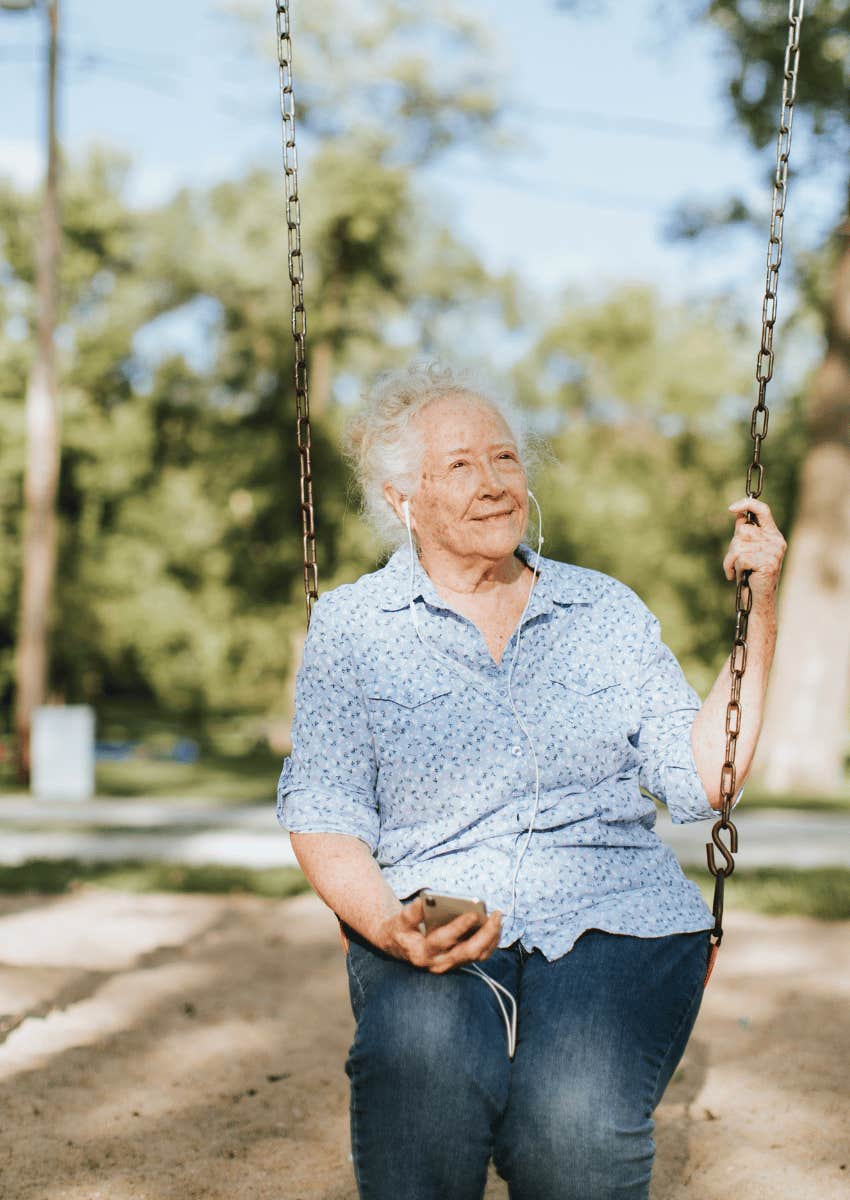
Val's List is a fantastic way to educate yourself about today’s music. Val Holler will guide you to new artists with sounds and vibes similar to your favorite oldie bands. Without a doubt, expanding your taste in music helps keep you young and relevant. And a new song can put you in a good mood, too.
Johns Hopkins researchers note that new music challenges the brain in a way familiar music simply can't. This is because the unfamiliarity forces your brain to work harder to process what it's hearing, which is actually a good thing for cognitive health.
5. Trying things that feel a little scary
Watch a documentary, volunteer for a worthy cause, try a new form of exercise, read a different newspaper, and deliberately hang out with people with opposing views. Not a fan of a political candidate? Have coffee with one of their supporters.
No matter whom you chat with, be sure to leave your opinion at the door. Just listen, and see if you can empathize with the opposition’s concerns. Everything is not always about you. You know, a few years ago, I saw something on TV that had a profound effect on me.
Higher levels of open-mindedness consistently correlate with greater emotional well-being, higher life satisfaction, and lower stress and anxiety. And a 2022 study adds that lives led with genuine curiosity actually feel longer and more vivid from the inside, because new experiences stretch our sense of time in a way that routine simply never can.
A television reporter interviewed a woman in her 50s at the scene of a riot. The reporter asked her why she was participating in the violence. She shouted with ugly rage, "What I don’t understand makes me angry!" Wow. Does anyone really want to age and become like that? Shriveled in mindset and spirit?
The secret to a longer and happier life is an open, curious mind. Don’t let a "Different is wrong" mindset age you before your time. There is far too much living and laughing to do.
T-Ann Pierce is a transformational life coach who helps empower parents to create healthy relationships with their children.

