
It Was Just A Normal Day. Then A Spinal Cord Injury Changed My Life And Nearly Cost Me My Family
 Science Photo Library, kevron2001, Kevin C. Charpentier | Canva, Courtesy of Author
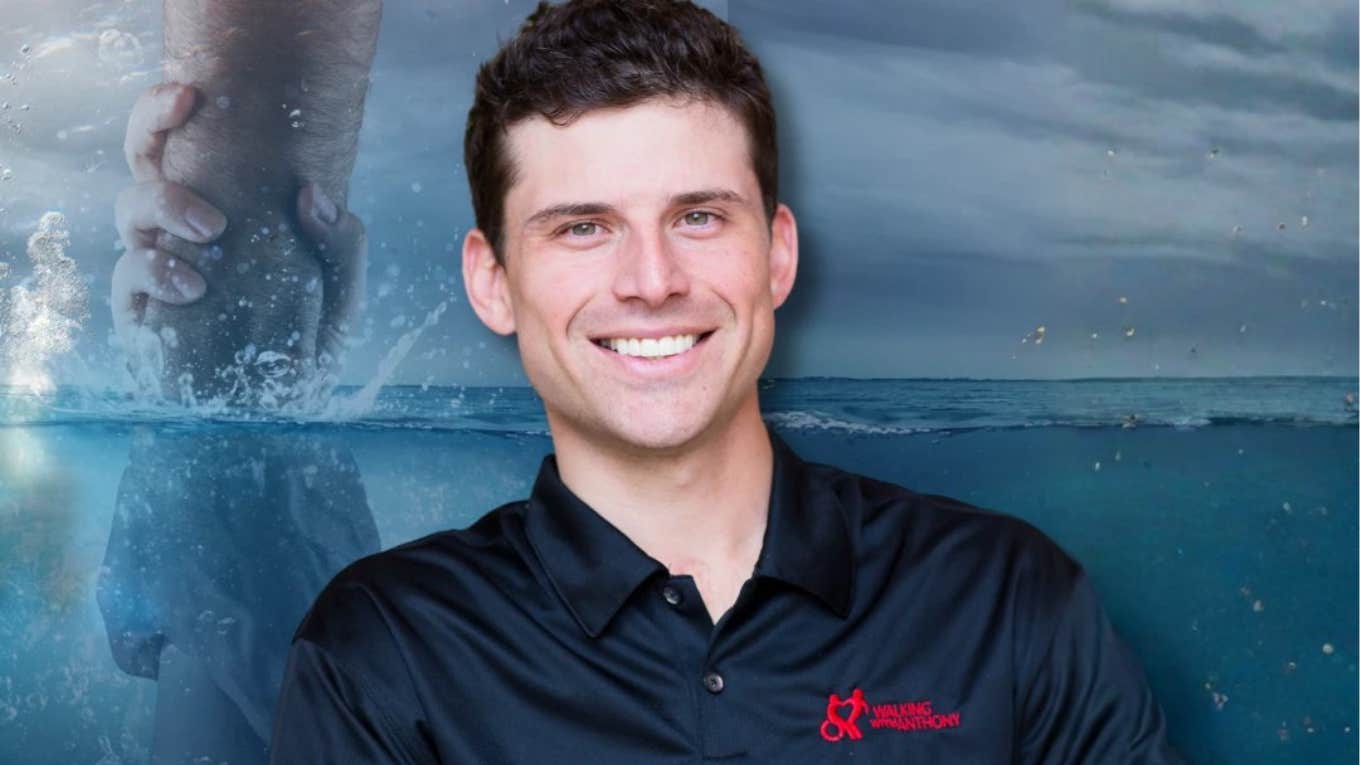
Diving into the choppy waters of Miami Beach was something I had done many times before. I was familiar with the ocean and its power, but I wasn’t prepared for how my dive on the morning of February 6, 2010, would radically change my life.
I was in Miami to attend the Super Bowl with my cousin, and we decided to hit the beach the day before the game. While diving into the choppy waves, I misjudged my landing spot and hit a hidden sandbar. That small error caused me to break my neck and bruise the C5 and C6 vertebrae in my spine. It was immediately clear that it was a devastatingly serious injury.
I was in the water — paralyzed — and unable to resurface on my own. Thankfully, my cousin Bernie pulled me to safety. He saved my life that day, but I also knew things would never be the same.
It was just a normal day, then a spinal cord injury changed my life and nearly cost me my family
 Getty Images / Unsplash+
Few injuries can be as life-altering as spinal cord injuries
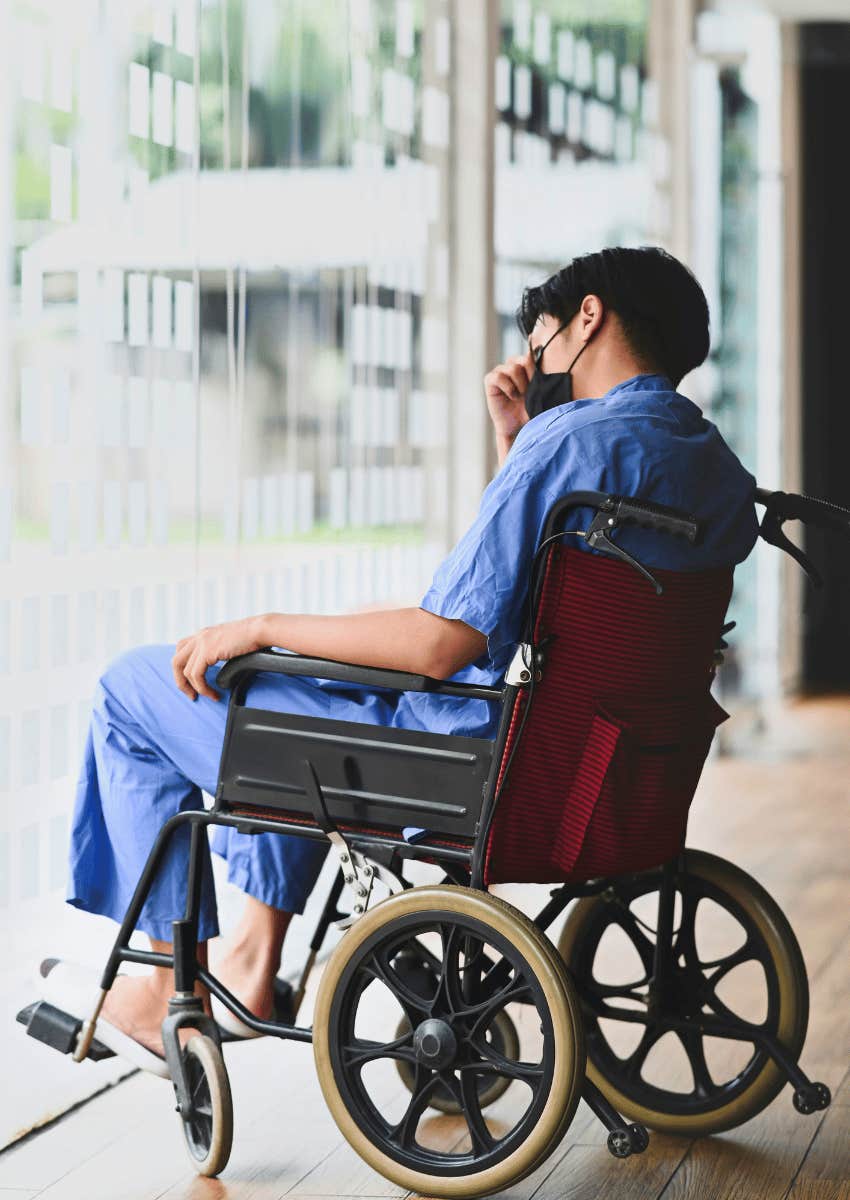
It’s a club no one wants to belong to, and I soon discovered I had a long journey ahead of me — a road covered in potholes brought about by depression, frustration, financial stress, and painful physical rehabilitation.
Following my injury, I underwent intensive rehabilitation. On average, those with spinal cord injuries (SCIs) can require three to six months of initial rehab to learn the basics of movement and living within their altered bodies. However, my insurance coverage for this necessary care ran out after 20 days.
I woke up to the truth that limitations on coverage and access to care were negatively impacting those with SCIs everywhere. Although my family was luckily able to afford to continue my treatment at a different facility, I wasn’t ready to accept the grim prognosis I faced, and one that all of those with SCIs face: life in a wheelchair and the persistent fight for access to care, care coverage, and being heard.
Many people who face SCIs and similar prognoses enter a period of depression and hopelessness. It’s human nature, but that fact doesn’t make the dark days any easier to endure. I had my dark days — and even moments when I considered not continuing with life. I believe finding a purpose beyond my rehabilitation eventually helped guide me away from that dark road and to a path toward rebuilding my life and imagining a brighter future.
My mom and I began Walking With Anthony because we wanted those with spinal cord injuries to feel less alone
We knew that with our experience, especially with the insurance industry, we could influence change in the recovery process for those with SCIs. To date, we have been able to help over 100 SCI patients restart their lives after injury through access to rehabilitation and grants that cover everything from assistive technology to emergency funds for living expenses.
Through Walking With Anthony and reaching out to give others the hope that had been in such short supply for me immediately following my accident, I began to see a way forward.
Immediately following my accident, my depression led me to have a lot of self-doubt. I thought I would never find someone to love me or get married, and knew I would never have children. I went from feeling like I had it made to feeling completely hopeless because I was in a wheelchair. However, I focused hard, working on my body and my mind.
Eventually, I was able to find the courage to build a life after my spinal cord injury
When I found Karen, an old high school classmate I had always had a crush on, on Facebook, I was in a place where I dared to contact her. We rekindled our old friendship, which eventually blossomed into a romance, and married in 2017.
I had set out into married life with the assumption that children were out of the question. Even though I had worked hard to strengthen my body and make strides that not even my doctors had thought it to be possible, I couldn’t see how Karen and I could have our biological children.
Finding Dr. Jesse Mills with Male Reproductive Medicine at UCLA Health changed our story. He told us that there was no reason someone with an SCI couldn’t father a child as long as doctors were able to successfully retrieve sperm to perform in vitro fertilization (IVF). Through a process called percutaneous epididymal sperm aspiration, he was able to retrieve viable sperm directly from my testes.
Though retrieval of the sperm was possible, the IVF process as a whole was challenging. It took Karen and me six attempts and over two years before we finally heard those magic words: “You’re pregnant!”
In the Spring of 2023, we welcomed Payton to our family. She is truly a miracle baby. After suffering an injury that had taken so much from me, I never imagined I would be a father. I don’t take it for granted — not one day.
Through Walking With Anthony, I’m hopeful that we can give others with SCIs the kind of hope and happiness that I was able to find through Dr. Mills. By giving injured people access to specialists, grants to pay for groundbreaking treatments, and the hope that they need to carry on another day with an eye on the future, we are helping others rebuild their lives and their families, as I was able to.
Anthony Purcell is the Executive Director and Co-Founder of Walking With Anthony. He sustained a Spinal Cord Injury in 2010, which motivated him to help others live victoriously over the physical, emotional, social, and financial challenges of SCI.

