
9 Old-Fashioned Rules Boomers Grew Up Respecting That Sadly Mean Almost Nothing To Young People Today
 Halfpoint | Canva
As society has progressed, rules have changed, but some people yearn for the past, wishing to bring back old-fashioned etiquette rules we shouldn't have abandoned. Due to these old-fashioned rules becoming outdated to a lot younger folks, we've slowly started to see the impact — for better or worse, you be the judge — of not being raised with the same basic manners Baby Boomers grew up with.
From embarrassing public screaming matches to cutting lines to spending all their parent's money, many older folks have lost hope that those good manners are gone for good for today's youth. (Meanwhile, younger people say that it's actually the older folks who are the problem; you decide.) Fortunately, not all is lost, and these are rules we can slowly begin bringing back into our daily lives by picking and choosing which ones make sense for us in today's ever-evolving world.
Here are old-fashioned rules Boomers grew up respecting that sadly mean almost nothing to young people today:
1. Addressing people by their titles
Back in the day, it was normal to call someone miss, mister, or missus, and it usually depended on your marital status. Unfortunately, the long-held habit of referring to someone as "ma'am" or "sir" has become a bit outdated, with people, especially younger generations, simply striking up a conversation without addressing someone with their title.
People today often say hello in a much more casual way (Hey, bro) without affording just a little bit of respect. But the first impression you make has a bigger impact than you may realize. According to a study published in Social Cognition, it's much harder to shake off a bad first impression than it is to lead with a good first impression. That said, it isn't impossible to reverse a bad first impression. Being consistent and respectful is the difference between being well-liked and being seen as rude.
2. Asking permission
Whether it was hand-holding, kissing, or asking to "go steady," society followed the old-fashioned etiquette rule of asking permission before moving forward in a romantic relationship. This was considered considerate and made all the difference between being well-mannered or not.
Times have certainly changed since then, with a modernized version of "asking permission" becoming a much more casual "what are we" conversation. Even though some folks have argued that asking for consent for every last thing has ruined the spontaneity of romance, asking permission before moving ahead (or at least just getting on the same page) in a romantic situationship, as the young kids say, ensures everyone feels safe and comfortable, and that both parties feel respected.
3. Offering a seat to those around you
 Jack Chen / Unsplash
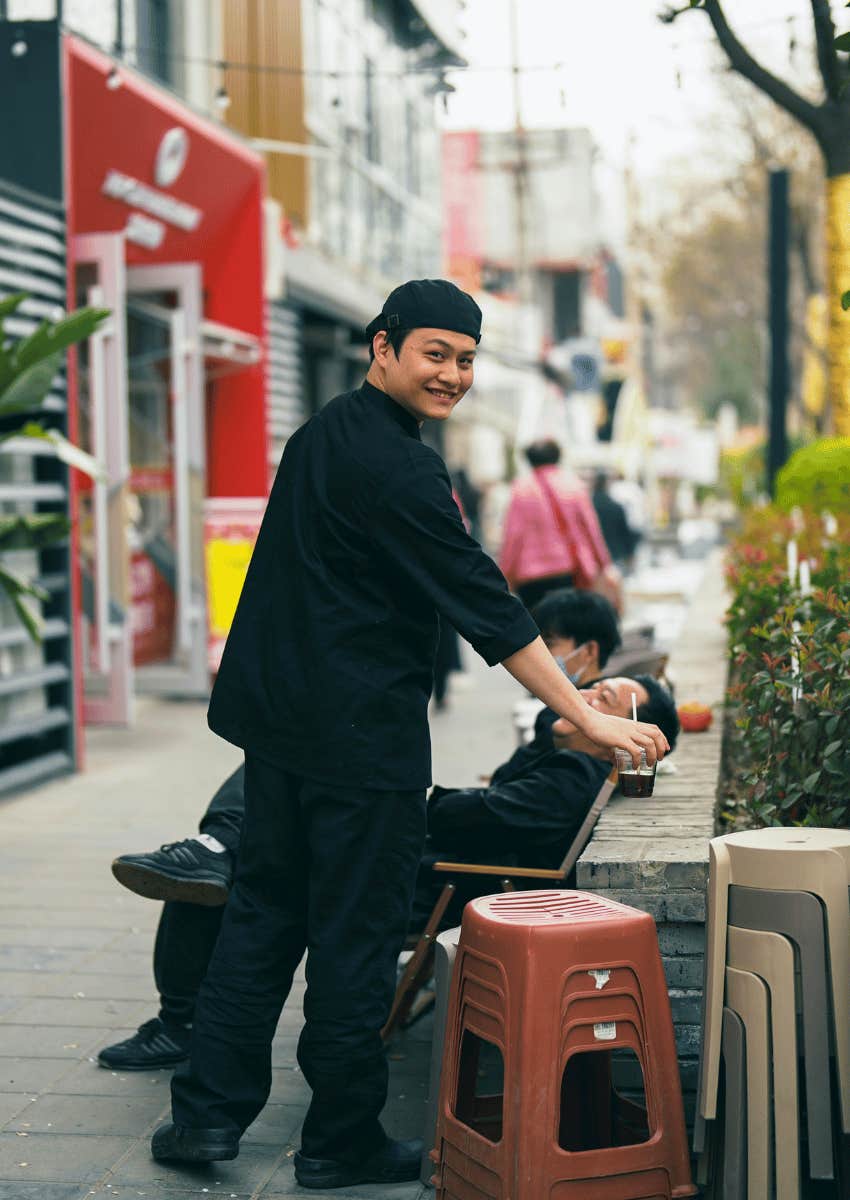
In countries like Japan, it's not uncommon to see a special seat reserved for those who are pregnant or elderly. Unlike most of modern-day society, many foreign countries understand that certain people should be given priority in seating. However, this sentiment was normal many decades ago.
For young men, especially, people never blinked an eye when they rushed to get up and escorted an elderly woman to their seat on the bus. In fact, it was considered proper, and the men were expected to stand, as women, children, or the elderly sat comfortably. (Today, many women don't want men to hold the door open for them, claiming they're fully capable of doing it on their own.) While people who ride the subway may still see genuine acts of kindness like this, it's perhaps an old-fashioned rule we'd be wise to bring back on the grounds of basic kindness, not female oppression.
4. Sending thank you notes
People weren't as materialistic or superficial decades ago, but thanks to capitalism, it seems like we just can't get enough of material items. In old-fashioned times, people didn't care about receiving money; rather, they cared more about the thought behind the action.
As a result, they were better able to acknowledge the effort put in and send a sincere thank-you card for their gratitude. This was a common gesture to thank someone for their generosity and to show appreciation. Knowing this, we should bring back the habit of sengin thank you-notes (even an email or text thank-you is better than nothing) as it has tons of benefits aside from just being seen as the kind thing to do.
5. Offering help without being told to
Whether an older person was crossing the road or someone needed help carrying groceries, people had good enough manners to extend a hand without being asked. Back then, it was considered normal to help someone without even thinking twice.
Unfortunately, this etiquette rule has subsided, as many people today are often too scared or paranoid to offer a stranger help. But considering how dangerous the modern world is, it's not too surprising. It might seem impossible to go out of your way for a stranger, but there's no denying the immense benefits of being kind.
6. Making proper introductions
 Unsplash+ Community / Unsplash+
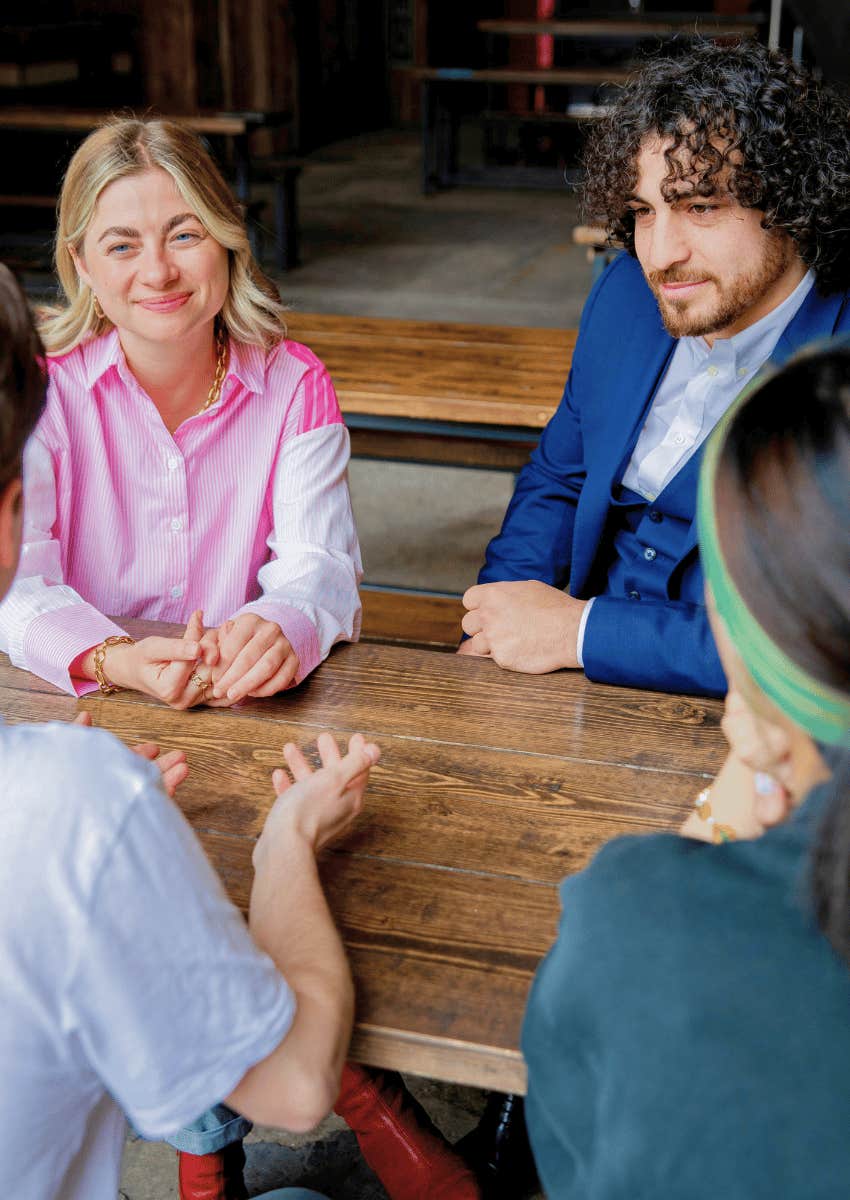
Though it might seem obvious, many people forget to introduce themselves or others when meeting someone new. They may begin speaking before a proper introduction — or even introducing the people they came with — and though this is an unfortunate error, it's one worth remedying for the sole fact that it's nice to greet people by name, and likewise, be greeted by name, as a means of making everyone feel more welcome.
7. Apologizing in person
It's only human to slip up and make mistakes from time to time. Everyone, at one point or another, has said or done something that they regret. Unfortunately, apologizing sincerely in person is an old-fashioned habit that seems to have gone out of style, but is something we should never have abandoned.
Saying "I'm sorry" has a huge impact on a person's friendship or relationship. Not only does it allow the other person to move on, but it reveals a sincere regret and acknowledgement of wrongdoing. But in today's world, an in-person apology simply doesn't exist. Many people use social media, texting, or — gasp — DMing to express how they truly feel.
Apologizing through a text message can make the person receiving the so-called apology feel unappreciated, and it makes the person apologizing appear uncaring. It's worth the effort to make an in-person apology; even a phone call is better than nothing.
8. Not taking off your shoes in public
When people get tired of the shoes they're wearing, whether it's due to sweat or the material rubbing their skin, they don't always "suffer" through the pain. Instead, when people feel uncomfortable with the shoes they wear, they resort to walking around barefoot. While this is acceptable in the privacy of your own home, doing so in public is not only rude but also incredibly gross.
If you've ever ridden the subway or a plane or been on public transportation, you've likely encountered at least one person who has done this. It's best to keep your shoes on at all times.
9. Respecting the elderly
In many cultures, respect for the elderly is a part of life. For example, in India, elders are a source of wisdom and tradition; in Korea, people follow one of the Confucian values of filial piety, where younger individuals show respect for elders.
Though it may be an old-fashioned etiquette rule we shouldn't have abandoned, we can make an active effort to ditch ageism and respect people older than us, assuming they're owed it. (Many young people argue respect shouldn't be automatic, no matter a person's age.) Elders are there to guide us through life, and can provide plenty of opportunities to grow as people. Not only that, but elders have been there to take care of and provide for their families. It's time to repay the favor.
Marielisa Reyes is a writer with a bachelor's degree in psychology who covers self-help, relationships, career, family, and astrology topics.

