
People Who Are Legitimately Stressed & Burned Out Usually Have These 11 Things Happen To Them While They Sleep
 Ground Picture | Shutterstock
Sleep and stress are inherently connected, much like our minds and bodies share an innate relationship that many forget to address during waking hours. We can distract ourselves with busyness and suppress emotions during the day, but when our subconscious takes over at night, all these repressed, suppressed stressors have nowhere to go.
People who are legitimately stressed and burned out usually have certain things happen to them while they sleep that are directly related to this emotional and internal upheaval. Whether it’s waking up with a racing mind or struggling to truly rest with nightmares sabotaging their sense of peace, they end up more exhausted and fatigued the next day, over and over again, until the root cause of their strain is addressed.
People who are legitimately stressed and burned out usually have these 11 things happen to them while they sleep
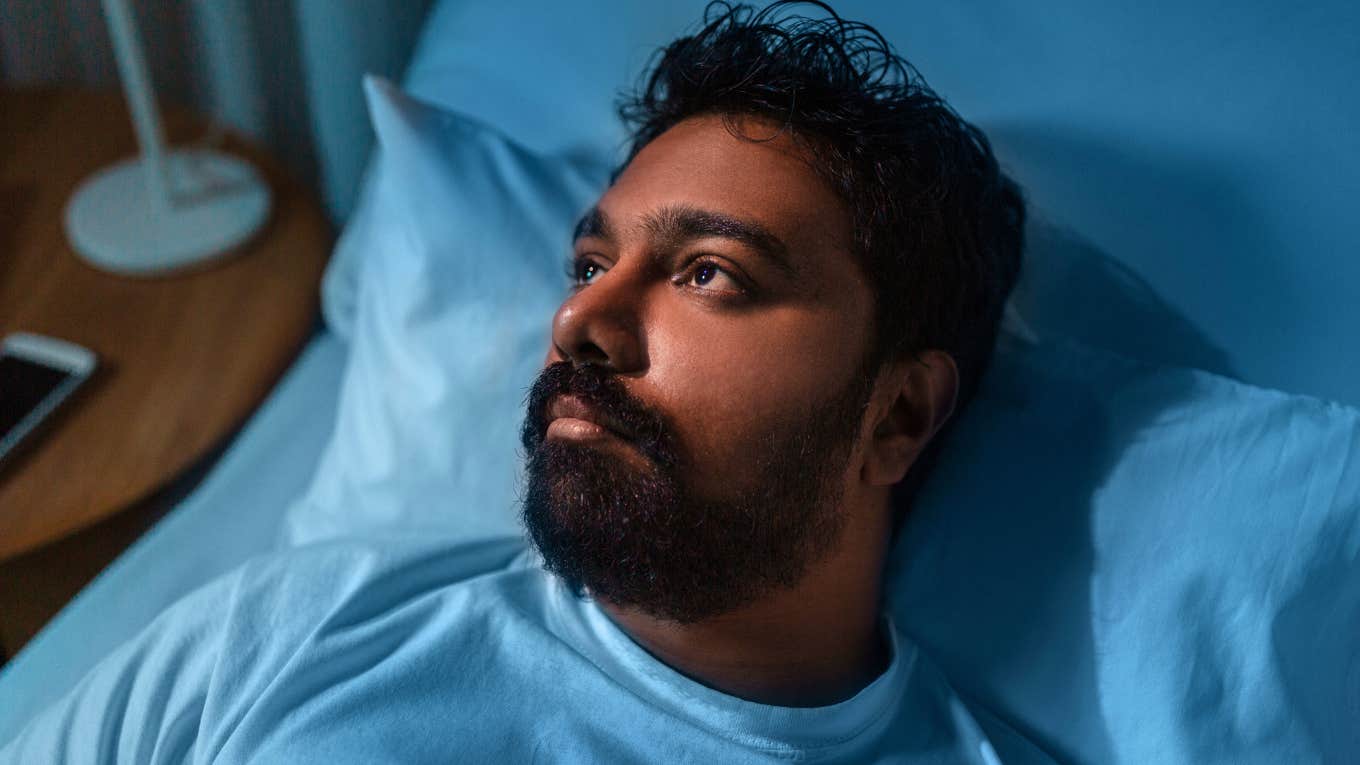
1. They wake up often during the night
 Prostock-studio | Shutterstock
If the mind is incredibly active and doesn’t have time to regulate before bed, chronic stress can often cause a million little wake-ups throughout the night. Especially for people who wake up and struggle to fall back asleep in the face of racing thoughts and anxiety, these sleeping habits could be a sign that they’re more stressed than they realize.
Even if it’s just staying up late and distracting our minds with screens, entertainment, and stimulation before bed, this kind of “night owl” behavior can truly harm our mental health and amplify the stress we’re running from.
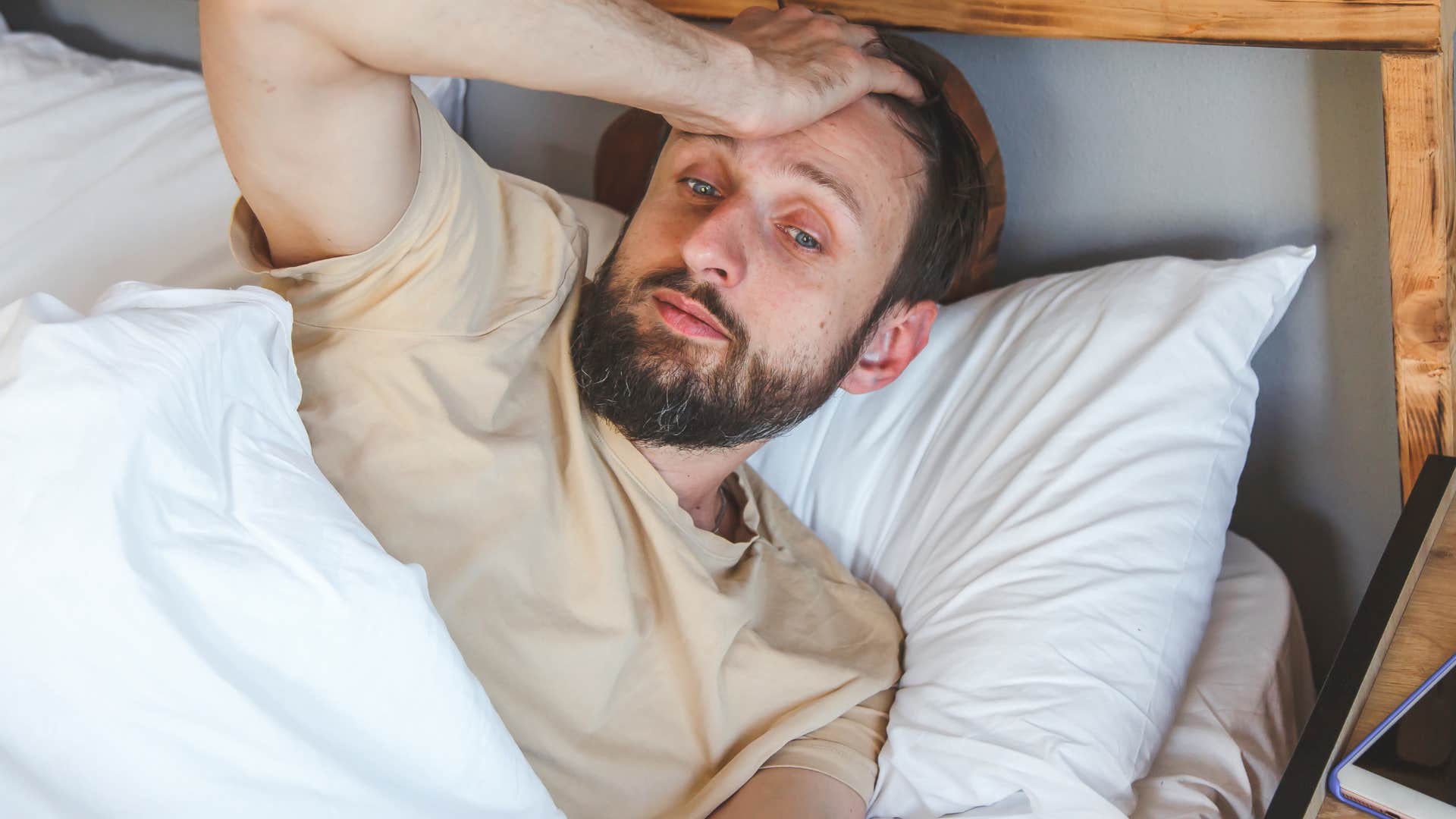
2. They wake up more tired
 Evgeniia Primavera | Shutterstock
While there are external habits to combat waking up tired, from limiting caffeine intake to removing screens from a bedtime routine, addressing stress is often a powerful way to wake up feeling truly refreshed and energized.
When we’re chronically stressed and our nervous systems are living in a state of “fight or flight,” we experience “micro-arousals” at night that we may not remember that pull us from deep sleep into a kind of passive rest. We’re sleeping, but we’re not actually regulating and restoring our bodies and minds.
3. They have vivid dreams and nightmares
 Andrey_Popov | Shutterstock
While nightmares are often elusive and under-researched, experts from Harvard suggest there are many potential reasons for a heightened exposure to nightmares and vivid dreams at night. From PTSD to unresolved trauma, anxiety, and, of course, stress, people who experience more hyperactive minds and dreams at night are compensating for the potential threats they experience during the day.
From being chased to feeling unprepared, the dream themes often shift from person to person, but addressing the cause during the day, whether it’s chronic stress or something else, can help to mediate sleep issues at night.
4. They grind their teeth
 AlexandrMusuc | Shutterstock
The involuntary clenching or grinding of teeth at night, often called “bruxism,” is far more common in people who are legitimately stressed and burned out during waking hours, according to a study from Frontiers in Neurology.
Especially when stress negatively affects sleep quality and sabotages a person’s ability to reach “deep rest,” the kind of experience where teeth grinding shows up most frequently, it’s not surprising that a burnt-out person wakes up with a feeling of tension and strain in their jaw and mouth.
5. They sweat a lot
 Krakenimages.com | Shutterstock
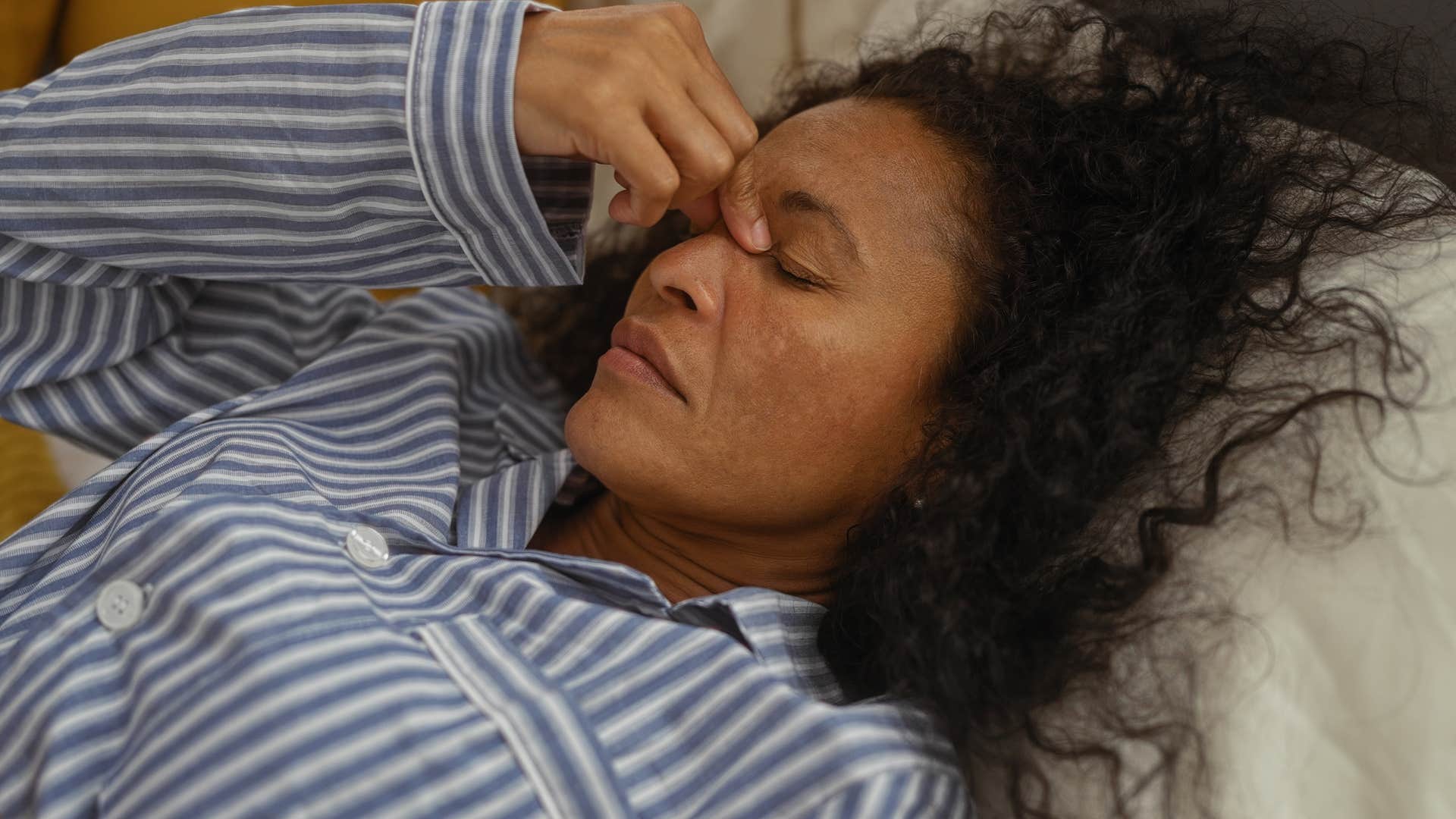
While many people experience “hot flashes” that are rooted in other hormonal shifts and lifestyle changes, feeling overheated and sweating a lot at night can also be a symptom of stress in the body. Even for people who haven’t tapped into understanding their mind-body connection, the internal dysregulation of a person’s nervous system or emotional state, often from stress, can cause this kind of overcompensation in the body to regulate.
The body is working to release the “strain” and “stress” the mind is experiencing, even if it leaves people feeling uncomfortable while trying to rest at night.
6. They toss and turn in their beds
 Kmpzzz | Shutterstock
According to an American Academy of Sleep Medicine survey, nearly 75% of people experience sleep disruptions when they’re overly stressed during waking hours. While their symptoms can vary widely, from waking up at night to experiencing insomnia into the early morning hours, it’s often a sense of restlessness that everyone shares.
Tossing and turning in their beds for hours, they experience worsened sleep by trying to fight against their minds, even if it’s entirely subconscious. Instead of admitting they’re not tired and resorting to wakeful de-stressing activities like stretching or journaling to unwind, they continue to flail around in hopes of finding the comfort they need for good rest.
7. They struggle to sleep deeply
 New Africa | Shutterstock
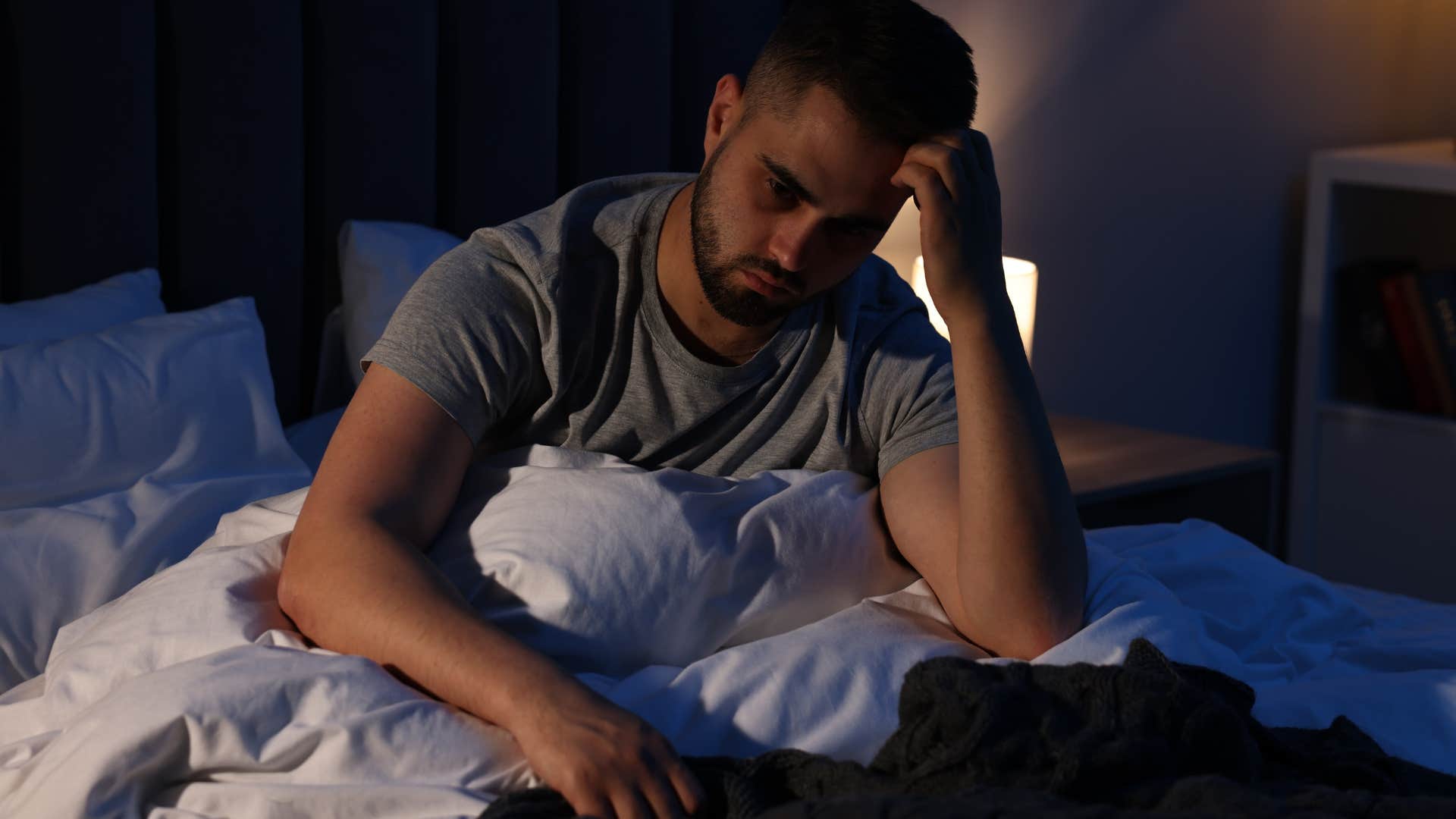
While many people fall asleep at night and aren’t necessarily consciously awake, the deep, restorative rest that comes from being fully asleep, in a deep cycle, isn’t always easy for burnt-out, stressed people to experience. They wake up tired, are floating constantly through consciousness and light rest, and experience being wired while lying in their beds at night.
Because stress keeps their mind active and running all the time, usually out of “survival,” their bodies struggle to get the full stage of rest they need to feel a sense of energy and restoration by morning.
8. Their heart is always racing
 Frame Stock Footage | Shutterstock
While a racing heart and anxious feelings at night can be sparked by a range of biological experiences and external factors, chronic stress often negatively impacts sleep quality by infusing people with a sense of restlessness. Even in the middle of the night, when someone wakes up after a nightmare or struggles to fall back asleep, the anxiety this stress causes can harm their circadian rhythm and sleep routine.
Even if it’s morning anxiety, waking up with worries and a chronic sense of “fight or flight” in the body are common for people who are legitimately stressed and burned out. They can’t catch a break from the restlessness their bodies and minds are feeling, so they never get a chance to fully rest and unwind.
9. They’re woken up by bedtime distractions
 Golubovy | Shutterstock
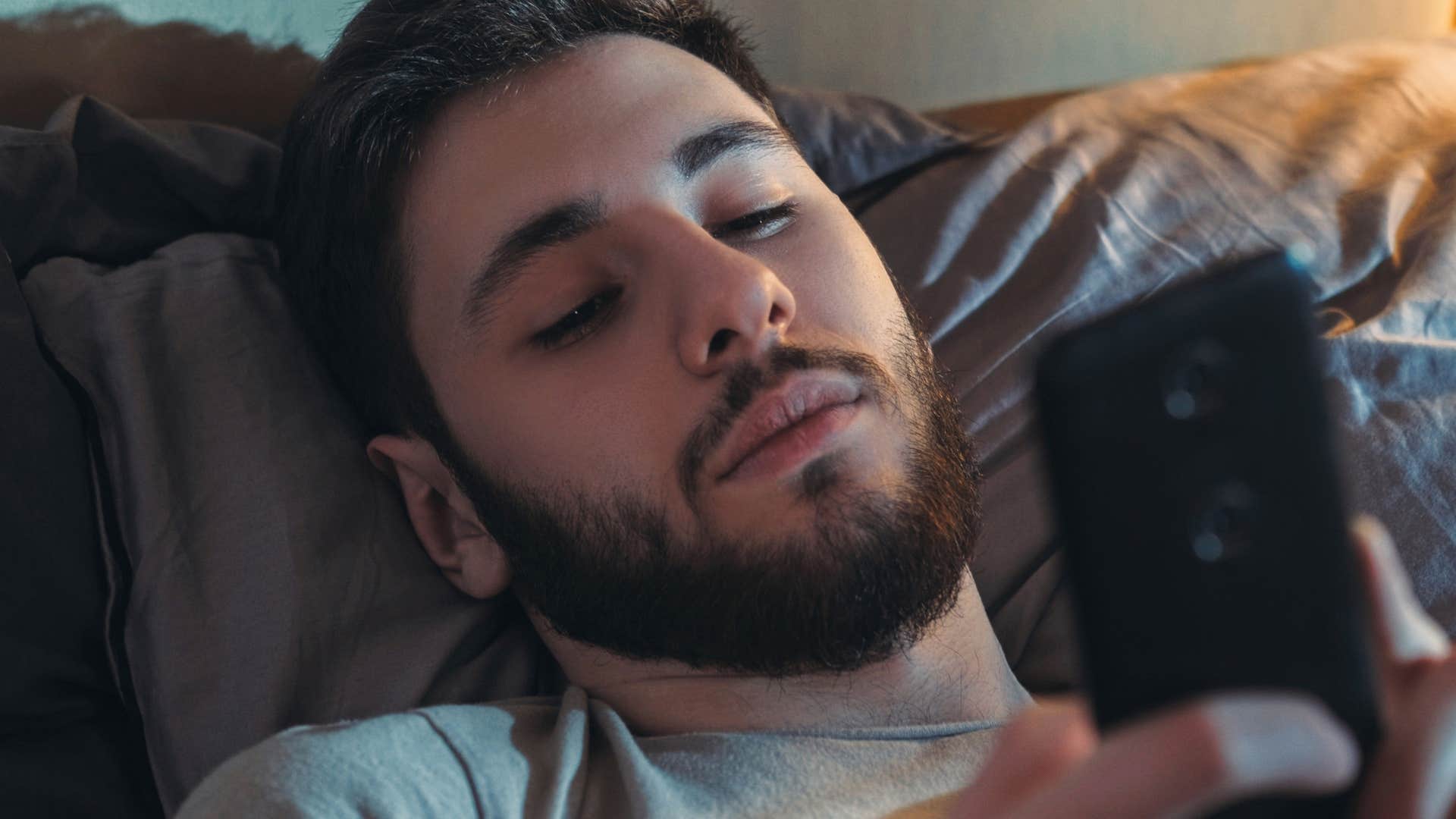
While it might be comforting to fall asleep with a nightlight or these distractions in the moment, especially when stress and overthinking tendencies often sabotage restfulness, a study from PNAS suggests that even small amounts of light at night can harm personal health and rest.
Even sleeping with the TV on for background noise, a common coping strategy for people dealing with isolation and loneliness in their routines, can promote adverse distractions to rest throughout the night, causing mid-sleep wake-ups and poor sleep quality. While relying on distractions before bed might feel comforting in the moment, throughout the night, these same experiences can harm overall rest.
10. Stomach aches wake them up frequently
 Motortion Films | Shutterstock
Part of the reason why we experience physical and mental health changes in highly stressful moments and lifestyles is because of our mind-body connection, especially connected to the gut. As a study from the Journal of Physiology and Pharmacology explains, the internal strain that chronic stress causes can influence all kinds of adverse experiences in the gut, from general discomfort to disorders like IBS.
So, if someone is regularly waking up throughout the night with tension in their bodies and stomach aches, there’s a chance it’s their body’s way of reminding them that their stress levels are unsustainable and taking a toll.
11. They snore more often
 TheVisualsYouNeed | Shutterstock
Waking up with a hoarse voice and a sense of fatigue can often be representative of the link between stress and snoring while sleeping, as a study from the Journal of Clinical Medicine explains. Snoring is often tied to other biological factors, but can also be influenced by tiredness and spark a stress response in the body.
If someone’s already burnt out and stressed, this nighttime activity only adds to the fatigue and exhaustion they experience in the morning and during waking hours.
Zayda Slabbekoorn is a senior editorial strategist with a bachelor’s degree in social relations & policy and gender studies who focuses on psychology, relationships, self-help, and human interest stories.

