
People Who Let Another Car Merge In Traffic When Everyone Else Won't Usually Have 11 Distinct Personality Traits
 Rido | Shutterstock
While "zipper merges," where all cars wait until the last second to merge, one after the other, are better for traffic congestion, according to a study from Missouri University of Science and Technology, behavioral tendencies keep people from reaping the benefits. From road rage to entitlement in drivers who are used to merging early and sitting in traffic, most people don't adopt "zipper" merging because it feels unfair to let another car "skip" the line.
However, people who let another car merge in traffic when everyone else won't usually have distinct personality traits and are influenced by behavioral norms. Whether it's being a rule follower or leading with compassion and empathy, even for people they don't know, it's not uncommon for these drivers to offer small acts of kindness on the road.
People who let another car merge in traffic when everyone else won't usually have 11 distinct personality traits
1. They're rule followers
 AYO Production | Shutterstock
While some people who cut off lanes of traffic and block people from passing think they're doing some kind of civic duty for the strangers behind them, the truth is that these behaviors are against the law. Road construction workers may not always be able to enforce "zipper merges" with skeptical drivers, but the law prohibits people from blocking lanes and pushing people out of traffic.
People who are rule followers may be frustrated about letting someone else into traffic, but they'll still do it for safety and to follow the laws of the road.
2. They don't live in a state of urgency
 mimagephotography | Shutterstock
While some people rush around constantly and live in a state of urgency to cope with stress or inner turmoil, people who are not afraid to slow down tend to protect their emotional and mental state without much effort. They don't try to compete with everyone or get their tasks done in record speed. They simply enjoy the pockets of quietness and the breaks that come from letting go of urgency.
Even if they're sitting on the highway in their car and using the traffic pockets to think deeply or enjoy music, they're not fighting a battle with other drivers. They don't try to cut people off to make a point or race ahead of someone to compete for the "best" stop, because they have more important uses of their time and energy.
3. They regulate their complex emotions
 Miljan Zivkovic | Shutterstock
Compared to people living in "fight or flight" or running from the consequences of their burnout, truly grounded, present people know how to regulate their feelings. They can make space for and acknowledge them without letting them completely take control or boil over into an outburst.
As a study from Social and Personality Psychology Compass argues, a lack of emotional regulation skills generally prompts people to cut off merging cars in traffic and lean into "road rage." They feel a compulsion to act on all their complex emotions or suppress them deeply, leaving only anger to inform their behaviors.
Instead of feeding into road rage by cutting someone off in traffic, they regulate their emotions as adults and cope with their anger, frustration, and complex emotions in healthier ways.
4. They're empathetic
 PerfectWave | Shutterstock
Even if it's small daily choices like smiling at a stranger or letting someone merge into traffic on their busy morning commute, truly empathetic people know how to offer compassion and kindness to others. In fact, they go out of their way to do so, in many cases, because they can put themselves in others' shoes.
Instead of taking a personal offense to being cut off in traffic, they imagine themselves needing to merge. They don't take rudeness from busy service workers personally. They give people grace. They don't get angry about things that can be made better with a small act of kindness.
5. They're confident
 AYO Production | Shutterstock
While small inconveniences, like traffic on the way to work, tend to affect most people more than larger struggles in life, confident, self-assured people tend to cope with them in healthier ways. They don't take someone cutting them off in traffic personally or blame other people when they feel embarrassed, because they have a strong foundation of confidence to guide them.
People who let others merge ahead of them in traffic lead with this kind of confidence in many aspects of their lives. From personal relationships to workplaces, they lean into discomfort, manage small inconveniences, and protect their emotional well-being by offering grace.
6. They have a strong moral compass
 Bits And Splits | Shutterstock
From saying "please" and "thank you" to following unspoken manners while driving in their cars, people with a strong moral compass are less likely to use interactions with other people to cope with their own anger and frustration.
Even when they're annoyed, frustrated, or stressed out, they don't compromise their manners and personal values. They lead with a strong character and a respect for others.
7. They don't try to 'win' everything
 GBJSTOCK | Shutterstock
Instead of leading with a competitive attitude in every aspect of their lives and trying to "win" in daily situations, like an argument with a partner, that actually need empathy and collaboration to thrive, regulated people lead with compassion. As a researched dissertation from Stanford University suggests, feeling "wronged" by other people tends to lead to this selfish and entitled behavior.
But when someone refuses to take everything personally, they can protect their well-being and happiness, even on a morning commute in their car. They let another car merge in traffic and slow down at work when everyone else is chasing burnout, because they care less about "winning" battles that don't exist and more about their own well-being.
8. They lead with respect
 Krakenimages.com | Shutterstock
Regardless of another person's mood, occupation, status, or relationship to them, good people treat others with respect. They always offer small acts of kindness and grace in difficult situations, even if it's letting someone stuck in traffic merge into their lane when everyone else won't.
According to a study from the Journal of Personality and Social Psychology, these people often feel a moral obligation to openly trust people because of their innate sense of respect. So, they trust that people deserve their kindness and are worthy of good deeds, even if they don't have evidence to support it.
9. They have a purpose in life
 Zamrznuti tonovi | Shutterstock
According to a study from Frontiers in Psychology, people who perceive meaning in their lives tend to be much happier than their listless counterparts. They have something to strive toward and to craft their daily habits around, which allows them to offer grace and kindness to others.
For some, kindness may be their sole purpose in life, so small things like smiling at someone on the street or letting someone merge onto the highway can be truly fulfilling.
10. They're mature
 New Africa | Shutterstock
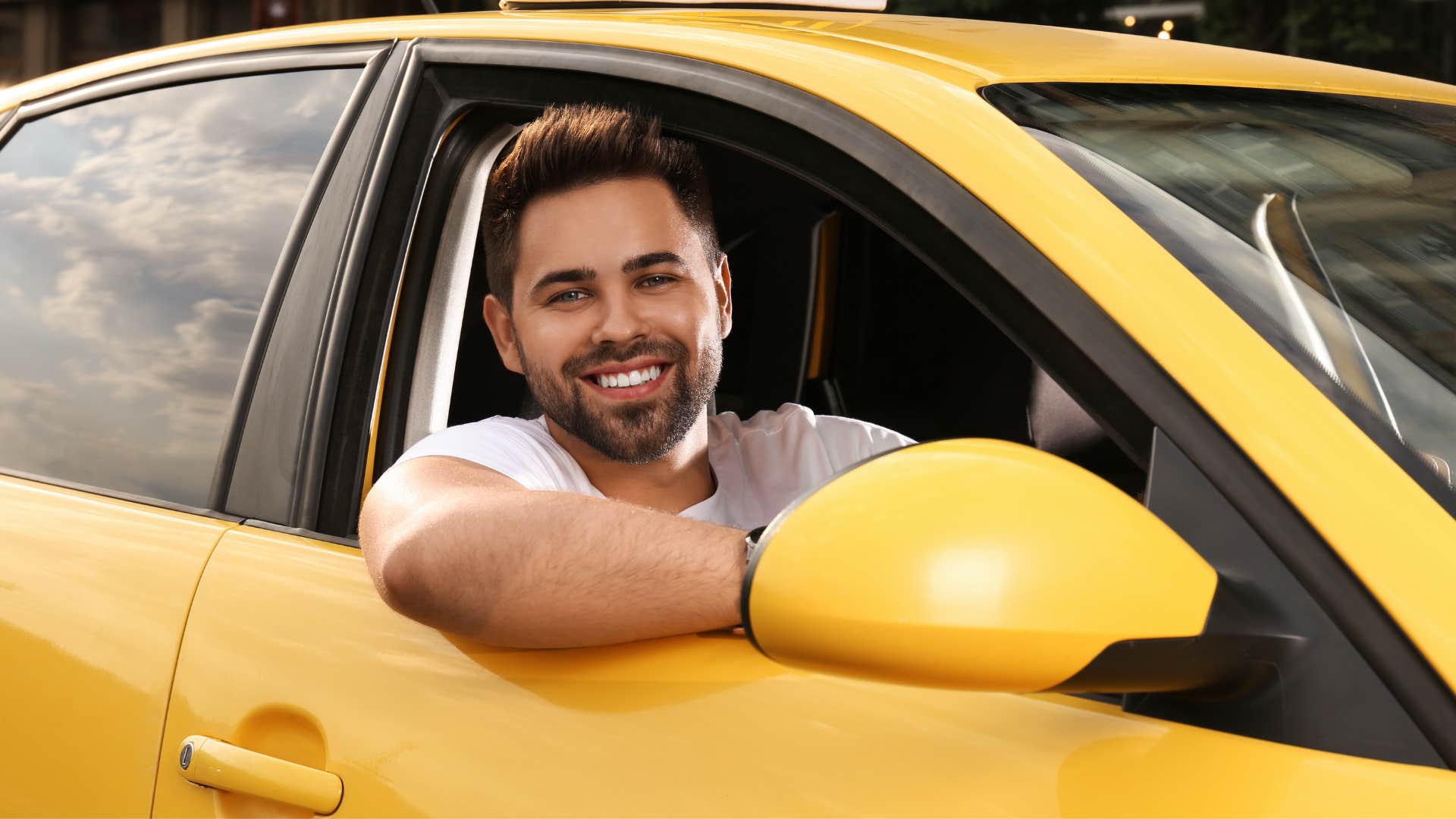
Emotionally mature people know how to handle their own emotions, tolerate discomfort, and offer empathy without expecting anything in return. They lead with kindness because they're not interested in coping with inner turmoil by making someone else's day more difficult.
Mature people let other cars merge on the highway. Immature people block lanes and try to "prove a point" by making another person's commute that much worse. Even if someone's not immediately appreciative of the gesture, mature people do kind things without praise.
11. They genuinely care about others
 FabrikaSimf | Shutterstock
While most people overlook strangers and live a "rushed" life without spontaneous connection, interacting with, caring about, and sharing moments with other people is how we add value to our lives. The more conversations and positive interactions we share with people, whether we know them or not, the happier and more fulfilled we become.
People who let another car merge in traffic, when everyone else won't in favor of some misguided moral ground, lead with this care for others. Even when they don't know them or are dealing with frustrations themselves, they make space to express their care.
Zayda Slabbekoorn is a senior editorial strategist with a bachelor's degree in social relations & policy and gender studies who focuses on psychology, relationships, self-help, and human interest stories.

