
People Who Dye Their Hair Fun Colors Usually Have 11 Specific Personality Traits
 Branislav Nenin | Shutterstock
Our self-expression, personal style, and even hair color are innately tied to confidence and a sense of self. When we shift our clothes or try new hairstyles, we’re playing with our individuality. While it might seem like a natural part of everyday life, for some people, changing these parts of themselves feels destabilizing and scary. Especially if they’re operating from a place of insecurity and anxiety, changing their style may feel like they’re fundamentally changing their entire identity.
However, people who dye their hair fun colors have specific personality traits like inner confidence and self-assuredness that allow them to lean into play. Even if it’s just trying new styles daily, they’re fulfilled and energized by change, rather than drained and afraid when it pops up in their lives.
People who dye their hair fun colors usually have 11 specific personality traits
1. They’re not performative
 Reshetnikov_art | Shutterstock
Our hair color is often a signal of our identity, according to therapist Kate Nichols, especially for those who feel a sense of belonging to a community or group internally that doesn’t always correlate with their external appearance. By changing their appearance, they may feel more connected to that part of their identity, or more “seen” by others within it.
Of course, meaningful social interactions with that community often play a strong role in shaping identity, as a study from the European Journal of Social Psychology found. But these small shifts and personal style choices are still personally reaffirming.
2. They appreciate novelty and change
 LightField Studios | Shutterstock
According to psychologist Vivian Diller, changing or dyeing hair can often be a way to cope with boredom and accept new seasons of life. When someone feels stagnant in one phase of life, making a change to their appearance or self-expression can spark a sense of novelty and renewal they’ve been yearning for.
While it often takes a sense of inner security to be comfortable with change, whether it’s a small routine shift, a change of appearance, or a life-altering decision, people who seek them aren’t just comfortable, they’re curious and excited about newness.
3. They like to stand out
 Wayhome Studio | Shutterstock
People who dye their hair fun colors often naturally stand out in our “neutral-washed” culture, but they may also appreciate being seen in their most authentic identity. They value their individuality and want to present it to the world.
Especially for people who have spent their lives pressured into conforming, feeling misunderstood, or struggling with being defined by the environment around them, adopting new types of self-expression is their way of showing the world who they really are. It’s not about seeking attention or feeling like a spotlight on them over others, but showcasing their self-expression without filters or edits.
4. They’re more creative than the average person
 Lee Charlie | Shutterstock
People who are naturally creative may use their self-expression as a means of practicing artistry or openness. Their clothing, language, hairstyles, and general aura are all informed by their naturally creative spirit.
Luckily, as a study from the Journal of Creativity explains, this kind of self-expression and creativity is what truly bolsters self-confidence and general well-being. The more creative a person is, and the more self-assured they are in embracing rituals and routines centered around it, the healthier and happier they feel on a regular basis.
5. They’re unconventional
 beauty-box | Shutterstock
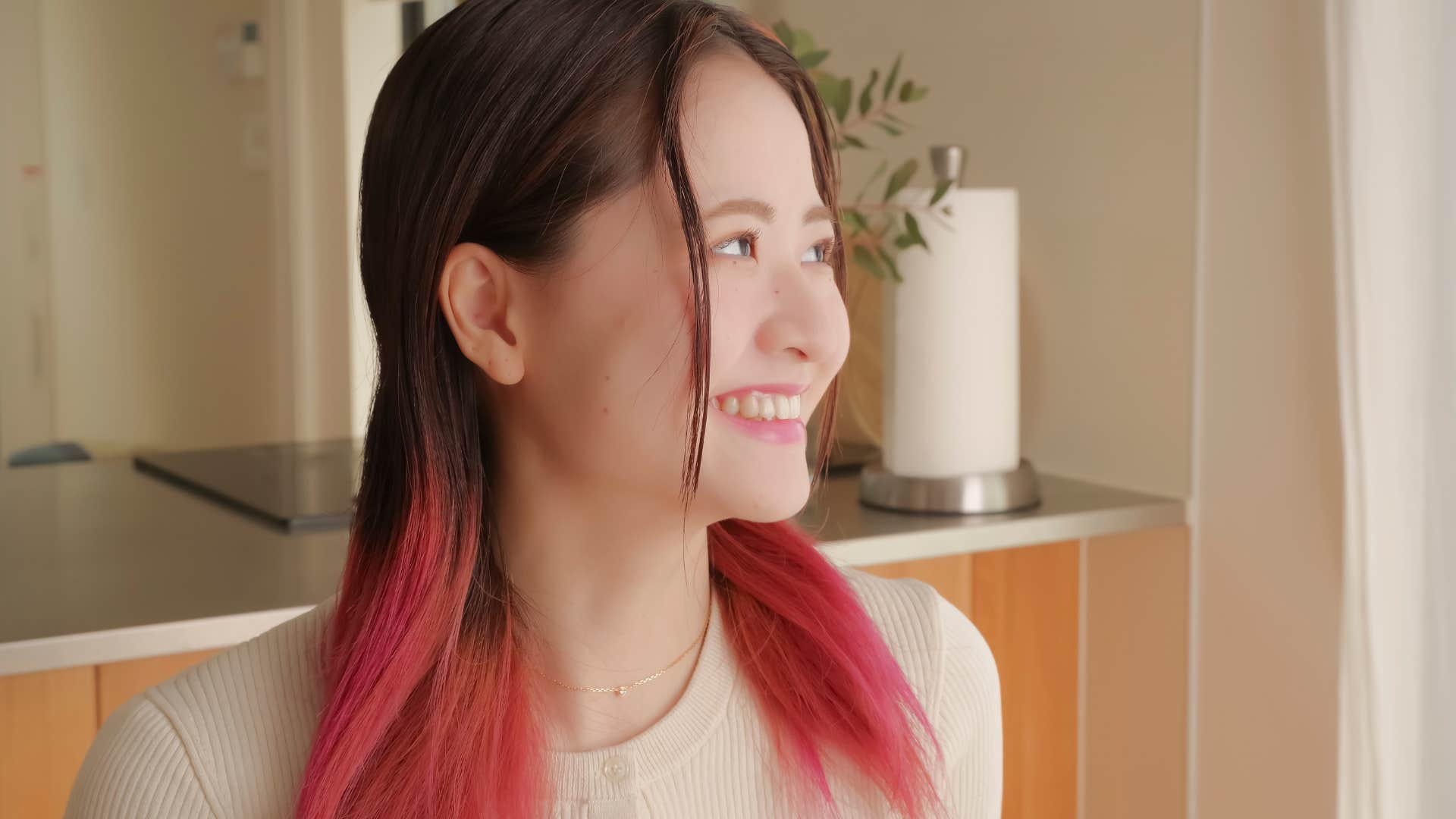
People who don’t feel secure and seen by traditional social norms and customs are often more rebellious if they have the inner confidence and security to play. They march to the beat of their own drum and their own values, rather than trying to adopt trends and conformity to feel accepted by people who don’t truly understand them.
They’re magnetic, not just because of their clothing or bright hair colors, but because they lead with authenticity. They’re not like everyone else, and it’s their superpower.
6. They like to experiment
 Stock 4You | Shutterstock
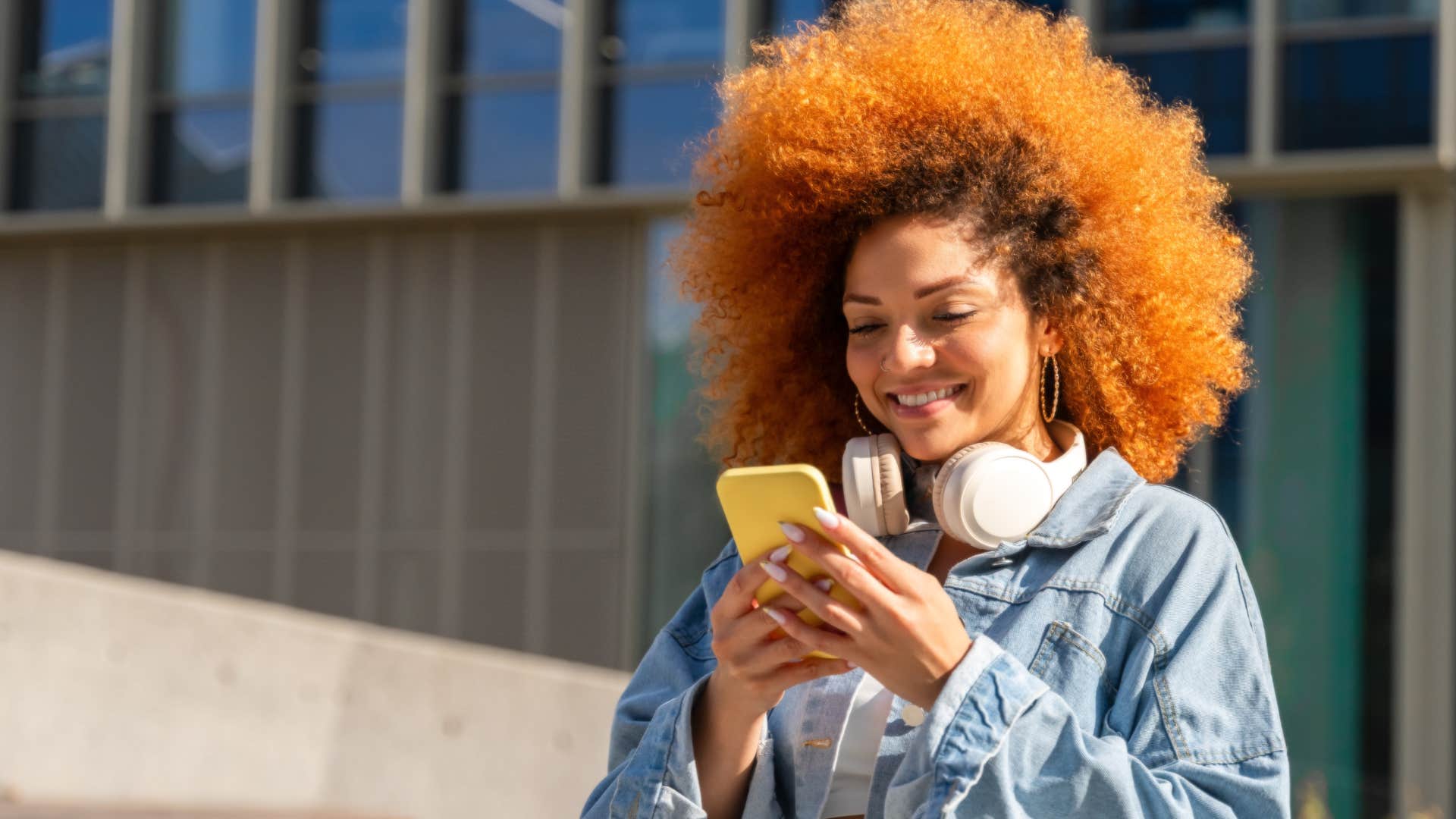
People who get stuck in the mundanity of life and need excitement to feel purpose in the world are more likely to experiment. Whether it’s trying a different career in new seasons of life, changing their hair color often, or simply appreciating new hobbies and rituals to create newness in their routines, they’re experimental in a culture that usually only promotes conformity and sameness.
While struggling with a sense of self and using self-expression to grasp a sense of control over individuality can cause emotional distress, as a 2022 study explains, experimentation founded on self-esteem and security is a beautiful, invigorating trait.
7. They’re open-minded
 dekazigzag | Shutterstock
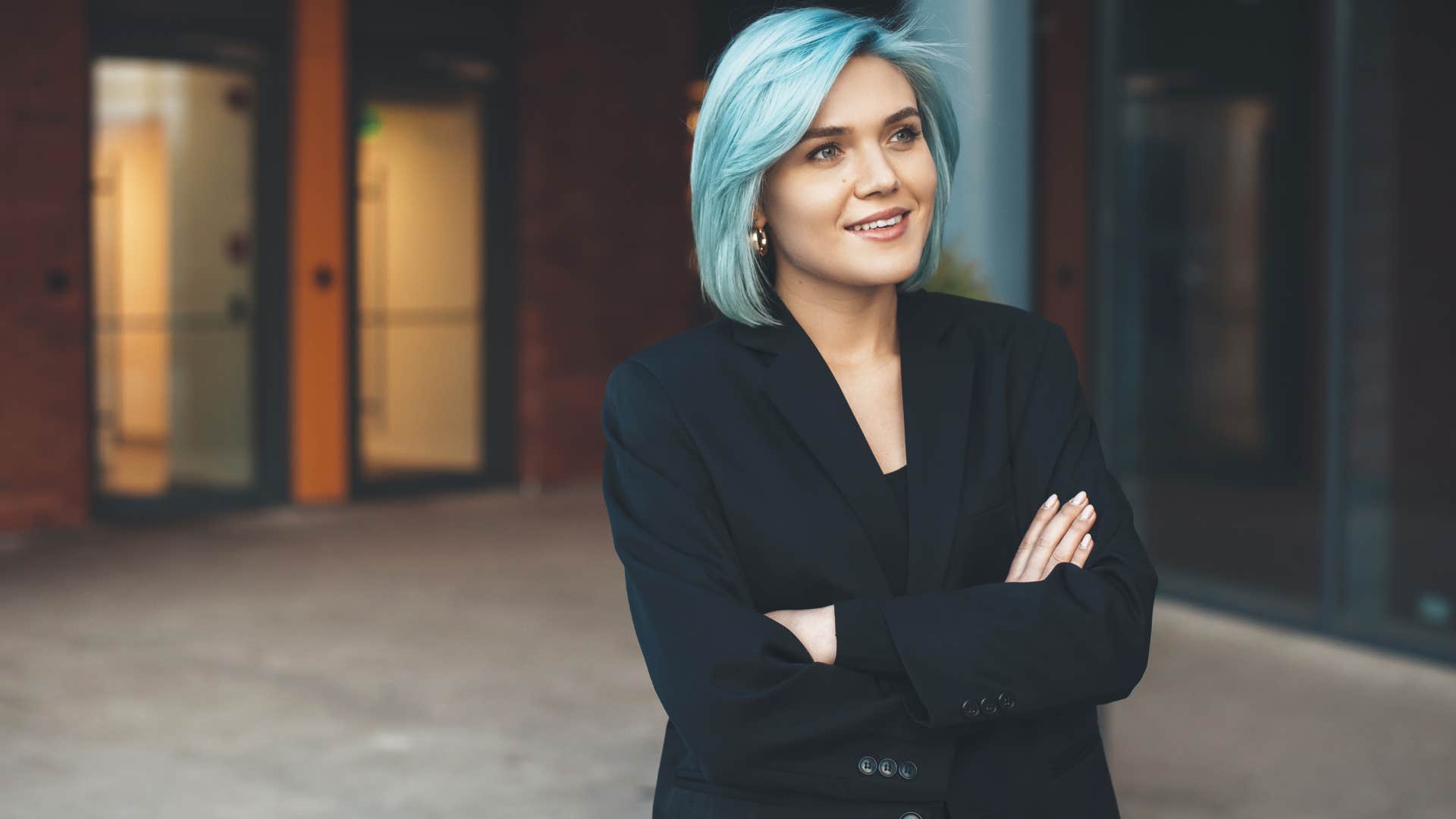
According to a study from Frontiers in Psychology, despite being overlooked and underestimated by a culture that prioritizes overconfidence and extraversion, openness is actually a personality trait more influential in predicting success. It’s open-minded, flexible people who are more confident and skilled in embracing life’s struggles, not someone who tries to prove they’re smarter than they actually are.
People who dye their hair fun colors may be open-minded to change within themselves, but they’re also probably open to novelty in their daily routines. From accepting random conversations with strangers to thinking about career changes from an optimistic perspective, their openness is a superpower.
8. They’re confident
 Artem Oliinyk | Shutterstock
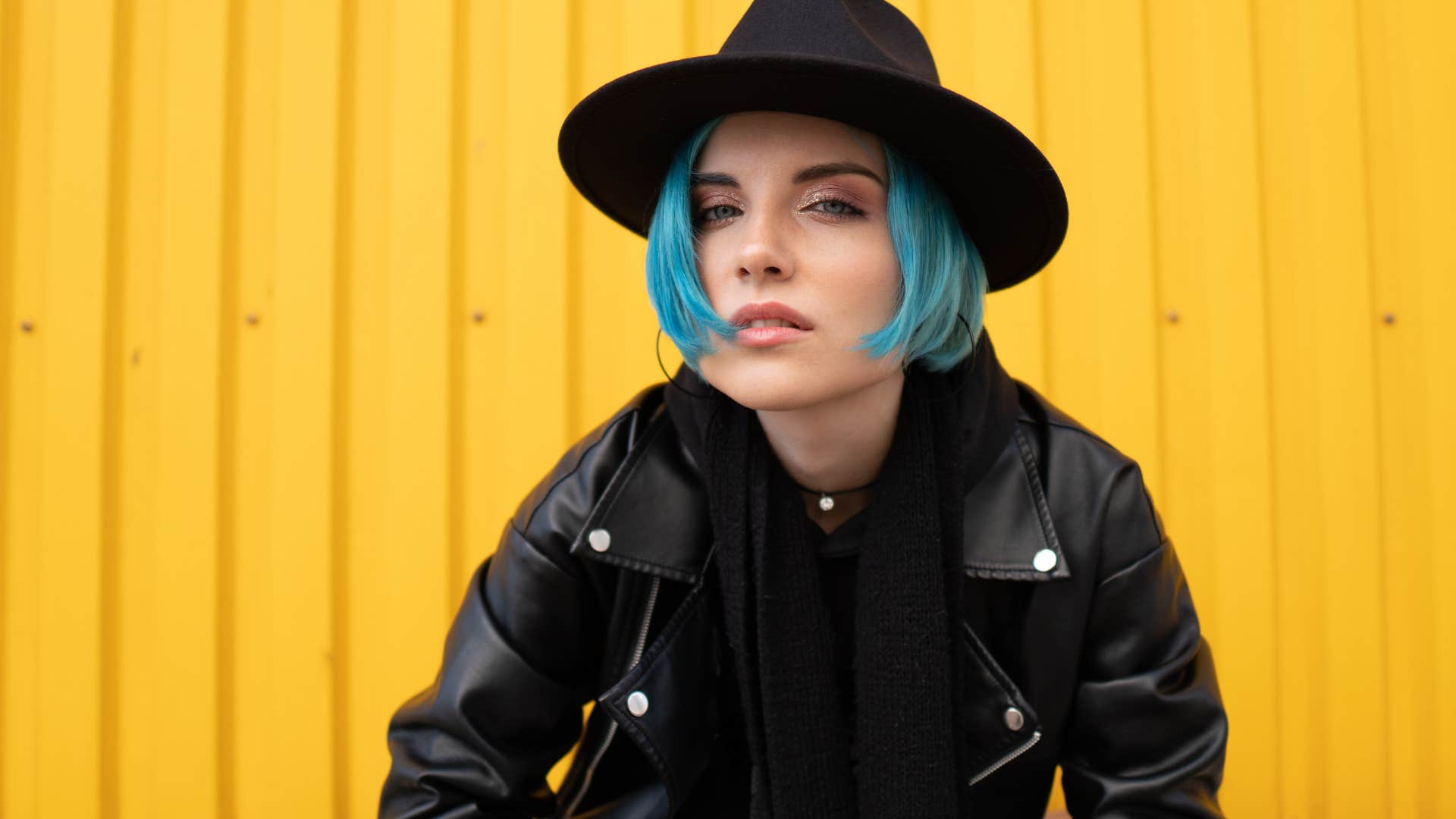
Self-expression, personal style, and confidence are all inherently intertwined. When we feel pressured to conform in ways that sabotage our individuality, we experience self-doubt, anxiety, and loneliness. However, when we feel free to experiment and play with self-expression without worrying about judgment or social perceptions, we become secure and confident.
People who play with their hair color, try new hobbies, and craft a sense of style that feels hyper-personal are more confident because they play. They aren’t bound by the stereotypes and pressures of the world, but by their own internal sense of self-assuredness, creativity, and desire.
9. They’re easily bored by rigid routines
 Krakenimages.com | Shutterstock
Similarly to their restlessness in the face of conformity and traditional social norms, people who change their self-expression often and embrace general life changes are less likely to feel secure in a solid, unchangeable routine. They appreciate flexibility and newness, even amid daily life.
While rigidity typically helps people to bind their anxiety and feel a sense of control in life, according to therapist Robert Taibbi, people who dye their hair fun colors often feel more secure when they have the power to change things. Sometimes, that’s a sense of spontaneity or a shift into a different kind of self-expression. Other times, it’s embracing a different routine every single day.
10. They appreciate art and culture
 naskami | Shutterstock
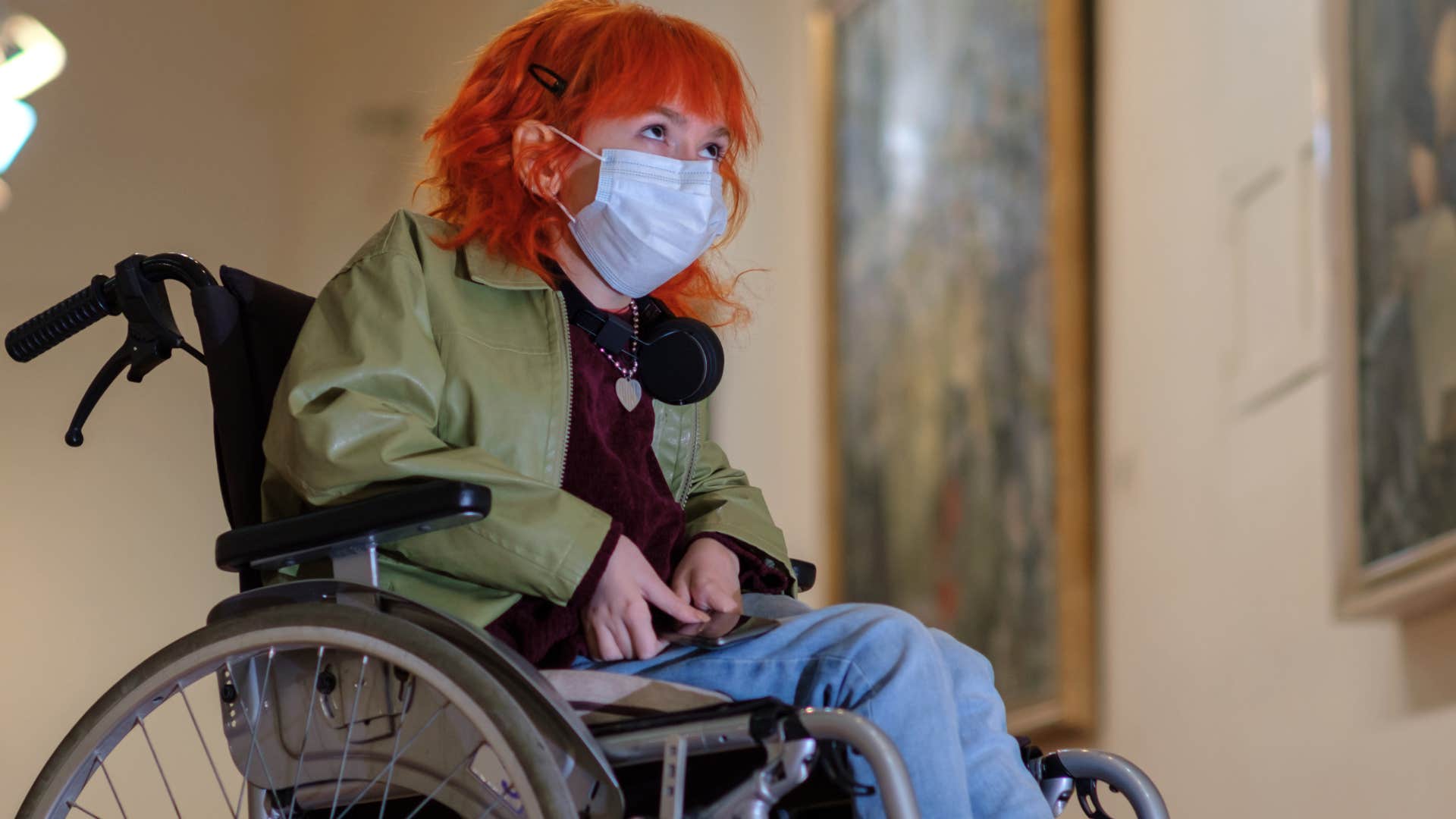
It often takes a level of self-assuredness and inner security to change self-expression to avoid conformity, especially in today’s culture. However, confidence isn’t an innate feeling for most people, but something they feed into with hobbies, solitude, routines, and relationships. For example, as a study from Frontiers in Psychology explains, seeking and appreciating art in the world often boosts psychological well-being and self-esteem.
People who dye their hair fun colors and feel a sense of security amid change are more likely to appreciate these small aspects of daily life. Whether it’s making art themselves at home or appreciating art and culture, navigating daily life, they’re soaking in the perspective and security that comes from integrating it into their routines.
11. They’re playful
 Jacob Lund | Shutterstock
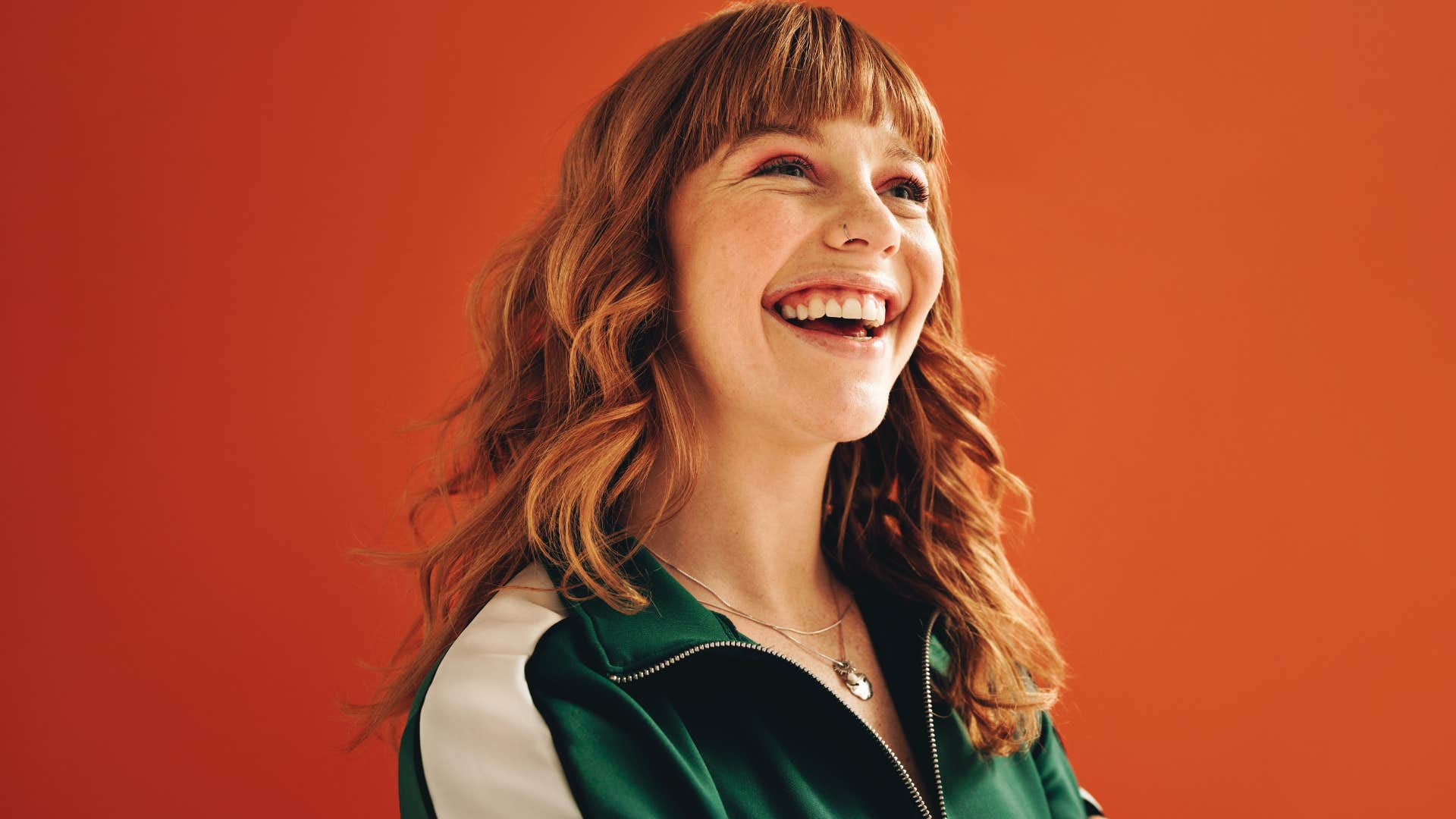
Despite being urged into a sense of sterile neutrality and conformity in our modern culture, people who change their personal style and dye their hair fun colors appreciate the wistfulness of play, even as adults. Of course, it’s important for children to bolster their identity, but as adults, play continues to feed our problem-solving skills, creativity, and general mood.
They don’t get stuck in self-expression or routines that drain the color and fun from life, but instead lean into hobbies and rituals that allow them to appreciate small joys.
Zayda Slabbekoorn is a senior editorial strategist with a bachelor’s degree in social relations & policy and gender studies who focuses on psychology, relationships, self-help, and human interest stories.

