
People Who Never Fit In With Any Group Growing Up Usually Develop 10 Rare Traits As Adults
 Summer loveee | Shutterstock
Growing up, you might have felt like the odd one out, the person who never quite fit in, no matter where you were. Maybe it was at school, in friend groups, or even within your own family. You tried to belong, but something always felt off, like you were on the outside looking in. That kind of experience sticks with you, and it can quietly shape how you see yourself and the world around you.
At the time, not fitting in probably felt lonely or frustrating, and maybe it chipped away at your confidence more than you realized. But here's the part people don't talk about enough: growing up this way often builds things in you that others never have to develop. People who never fit in with any group as kids tend to grow into adults with rare traits, like deep self-awareness, emotional insight, and a strong sense of independence. What once felt like a disadvantage often becomes the reason they're resilient, thoughtful, and quietly strong later in life.
People who never fit in with any group growing up usually develop 10 rare traits as adults:
1. They're fiercely independent
 Ground Picture | Shutterstock
Never fitting in creates the most independent people out there. These individuals were considered social outcasts, so they had to learn to pick themselves up by the bootstraps and face life's challenges head-on. Research shows that people who grow up with adversity — like ongoing social stress or rejection — often develop resilience that helps them adapt later in life, not fall apart (meaning they're likely to become more self-reliant).
This led to extreme independence, as well as resilience, making it so nothing can stand in their way. Even though they may not have fit the social mold growing up, they are highly adjusted to any circumstances life throws their way.
2. They're sharp and observational
 Juan Pablo Serrano | Pexels
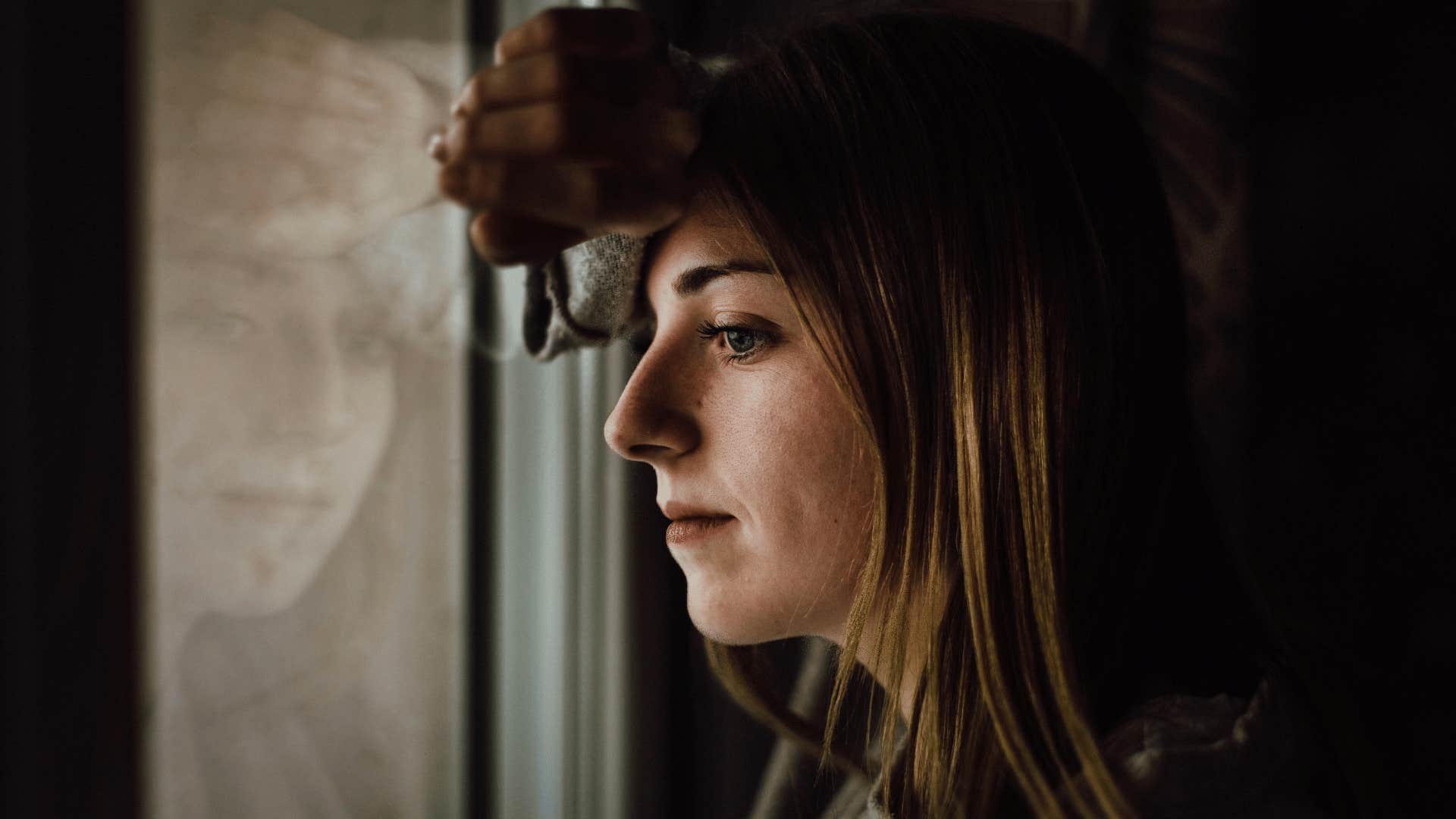
People who grew up without fitting in tend to have a keen eye for detail. As they moved through the stages of their early life, they were forced to observe others because they were usually excluded from social circles.
But in this case, it isn't a bad thing. Research has shown that introverts perform better during a crisis than extroverts do. It's suggested that it's likely due to introverts having a better understanding of other people's motivations and behavior.
3. They are empathetic
 Chay_Tee | Shutterstock
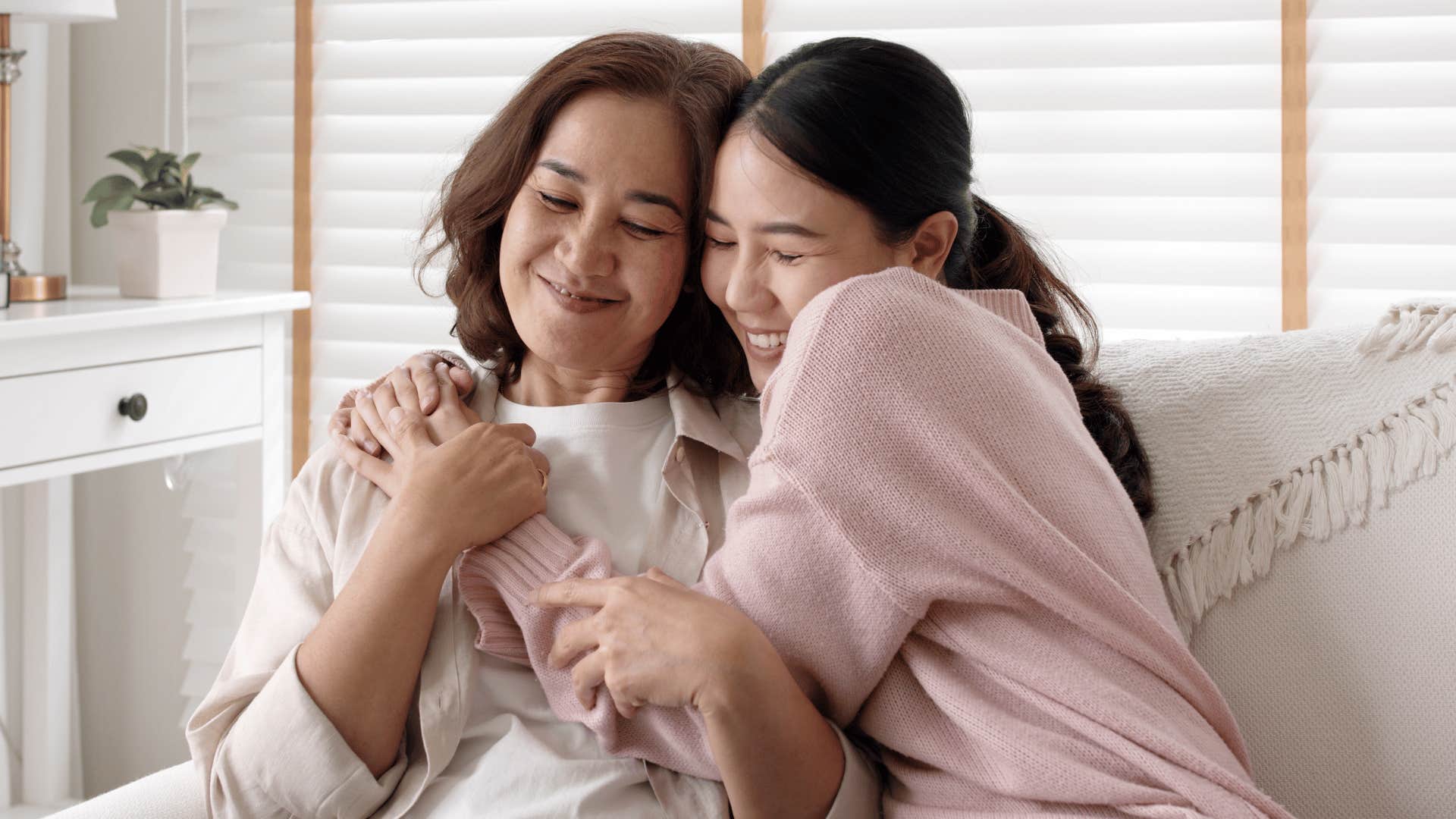
Being excluded from society for most of one's upbringing helps build empathy, especially in those of a younger age. Because people excluded knew how it felt to be the odd one out, they go out of their way to ensure it doesn't happen to others.
Alongside being a good person, having empathy has other benefits. A study suggests that higher empathy leads to better mental health, interpersonal relationships, and increased happiness.
4. They value authenticity over approval
 mavo | Shutterstock
When a person is ostracized, they begin to crave a real connection, whether it's with a friend or a romantic partner. So, it's no secret that these same individuals make for the most authentic people.
Because of their past, they understand the true value of the heart and only seek relationships that are built on mutual trust and respect. This explains why people who didn't fit in growing up have some of the healthiest relationships out there.
5. They think objectively instead of emotionally reacting
 fizkes / Shutterstock
Objectivity is the ability to see things from different perspectives. This rare trait is common in people who were considered social outcasts. They can hear all sides of an argument, and that's likely because they spend so much time alone.
One study found that adults who spent time alone tended to self-reflect more and develop greater patience and spirituality during their isolation.
6. They're constantly working to improve themselves
 PeopleImages.com - Yuri A | Shutterstock
Those who never fit in are always looking for ways to improve themselves. And it's likely because they're trying to prove their self-worth since they were seen as outcasts. Truthfully, they feel the need to be at the top of their game.
Unfortunately, this might come from a place of insecurity. After all, feeling the need to constantly prove your worth is never a good thing. And, according to one study, higher levels of perfectionist tendencies are associated with worsening mental health and an increase in self-destructive thoughts.
7. They develop a fear of abandonment
 MART PRODUCTION | Pexels
For people who are introverted and have been this way since they can remember, in some instances, this can be beneficial. However, like anything in life, there are some downsides, the biggest being the fear of abandonment.
People who never fit in have a fear of being cast to the side whenever they enter into a new relationship. For most of their life, this same cycle of abandonment repeated itself over and over again. Is it any wonder they feel this way?
With that being said, continuing to have this fear is harmful in the long run. According to the Newport Institute, those who suffer from abandonment anxiety experience distress, difficulty trusting others, low self-esteem, and anger issues. And if someone doesn't work on their own insecurities before entering into a relationship, they could jeopardize a beautiful thing.
8. They are comfortable being alone
 sutulastock | Shutterstock
People who never fit in growing up usually get used to being by themselves early on. At first, it might not have been a choice. But over time, being alone stopped feeling scary or awkward and started feeling normal.
As adults, this shows up as someone who doesn't panic in quiet moments. They don't need constant plans, constant texting, or constant noise to feel okay. They know how to sit with their own thoughts without spiraling.
Because of that, they're far less likely to stay in bad relationships just to avoid loneliness. They'd rather be alone than feel unseen, ignored, or drained by someone who isn’t right for them.
9. They keep their circle small
 Bbernard | Shutterstock
When you grow up feeling like you don't belong, you stop caring about having a big group pretty quickly. Instead, you learn to look for people who actually get you.
As adults, this often means they have fewer friends, but the friendships they do have really matter. Research shows that how satisfied people are with their friendships and how strong those bonds feel is more closely tied to happiness than the number of friends someone has (so a small circle can be just fine if it's real). These are the people they trust, open up to, and stick with long-term.
They're not into surface-level connections or friendships that exist just out of habit. If someone is in their life, it's because there's real mutual respect, honesty, and effort on both sides.
10. They know themselves better than most people
 maxfoto.shutter | Shutterstock
Spending a lot of time on the outside forces you to look inward. When you're not constantly distracted by trying to fit in, you start paying attention to how you feel, what you think, and what truly matters to you.
Adults who never felt like they fit in growing up usually have a strong sense of who they are — and who they aren't. They know their limits, their values, and the kinds of situations they won't tolerate anymore.
Self-awareness helps them make better choices, even when those choices are uncomfortable. They're more likely to walk away from jobs, relationships, or dynamics that don’t sit right, because they trust themselves enough to do it.
Marielisa Reyes is a writer with a bachelor's in psychology who covers self-help, relationships, career, family, and astrology topics.

