
People Who Still Mainly Listen To 80s & 90s Music Almost Always Have These 11 Rare Traits
 insta_photos / Shutterstock
Considering music often holds a specific energy in our lives, offering chances to appreciate nostalgia and reduce our stress in mundane moments, according to Professor Shahram Heshmat, it’s not surprising that some people's favorite music stays the same for much of their lives. No matter how many new, cool musical artists come along, they appreciate what works for them.
People who still mainly listen to 80s and 90s music almost always have certain rare traits that reflect the time in which they developed most as individuals. From an appreciation of nostalgia to self-awareness and introspection, these traits don’t just influence how they listen to music but also their entire lives.
People who still mainly listen to 80s and 90s music almost always have these 11 rare traits
1. They’re introspective and introverted
 PeopleImages | Shutterstock.com
According to a study published in the Brain, Behavior, and Immunity Health journal, music holds a transformative power to reshape the brain, as it often engages cognitive, memory, and motor processing components on its own. Considering introverted, introspective people tend to be internally focused, their brains are often altered by the music they choose in their solitude.
When they need space to think without constant stimulation from others or something predictable and familiar to listen to, they come back to the 80s and 90s music they’ve spent their lives appreciating.
2. They process pent-up emotions with music
 PintoArt | Shutterstock.com
Especially if they’ve tied old memories and nostalgia to music from the 80s and 90s, coming back to it and listening in their adult lives may be a means of processing pent-up emotions and suppressed trauma. Coming back to this music reminds them of past experiences and helps bring up feelings they’d otherwise push down, making it a productive coping skill for handling emotional turmoil.
While it might seem meaningless, listening to music is helpful and powerful for emotional regulation, which is part of the reason why it’s often used in therapy and other psychological support mechanisms.
3. They chase familiarity, not trends
 Miljan Zivkovic | Shutterstock.com
While some people chase trends for a misguided sense of belonging or to combat loneliness, people who still mainly listen to 80s and 90s music prefer to lean on what’s already familiar and predictable for them.
They feel a sense of meaning and purpose by returning to the songs that defined their younger years, and they offer a sense of grounding, perspective, and belonging that other artists and albums simply don’t.
4. They’re sentimental
 shurkin_son | Shutterstock.com
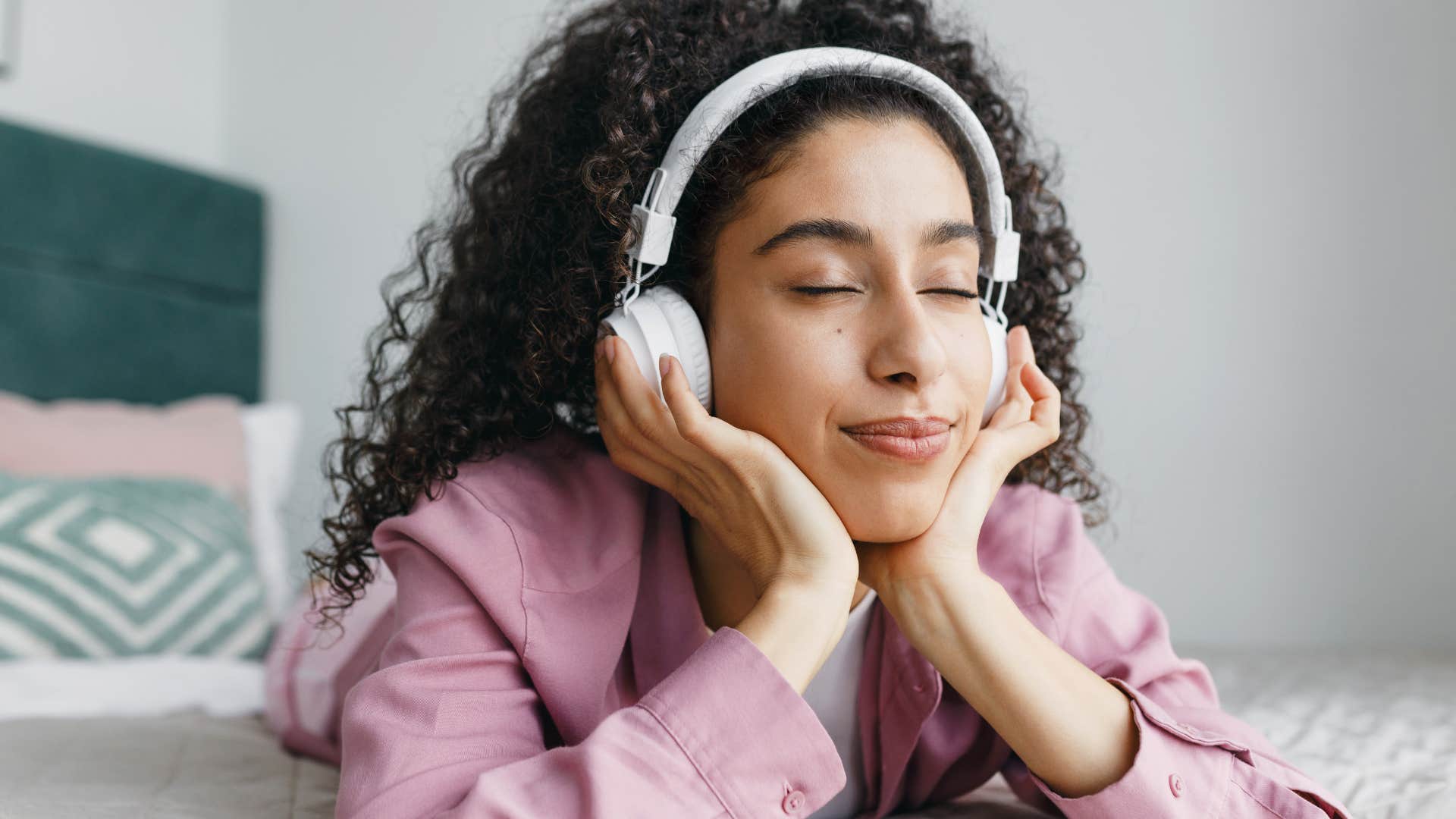
Sentimental people often appreciate nostalgia more than the average person, and since music often holds memories and brings up nostalgic feelings for people, it’s the perfect hobby and habit to hold on to. Especially when listening to 80s and 90s music takes them back to a different time, it can also serve as a sort of escapist distraction from the struggles of the modern world.
Luckily, according to a study published in the Cognition and Emotion journal, sentimental people tend to have happier relationships and friendships in their adult lives than others. If connecting with older music is their means of practicing an appreciation for life, everyone benefits.
5. They trust themselves
 PeopleImages | Shutterstock.com
People who continue coming back to the same music, hobbies, and habits, even after they’ve “gone out of style,” are operating from a place of self-trust and assuredness. They don’t need anyone else’s admiration or validation to make choices that boost their own well-being, even for seemingly unsuspecting things like music and songs.
Compared to those who weave their self-worth and trust in constant validation from others, these people are clearly more secure.
6. They’re content with where they are
 Trzykropy | Shutterstock.com
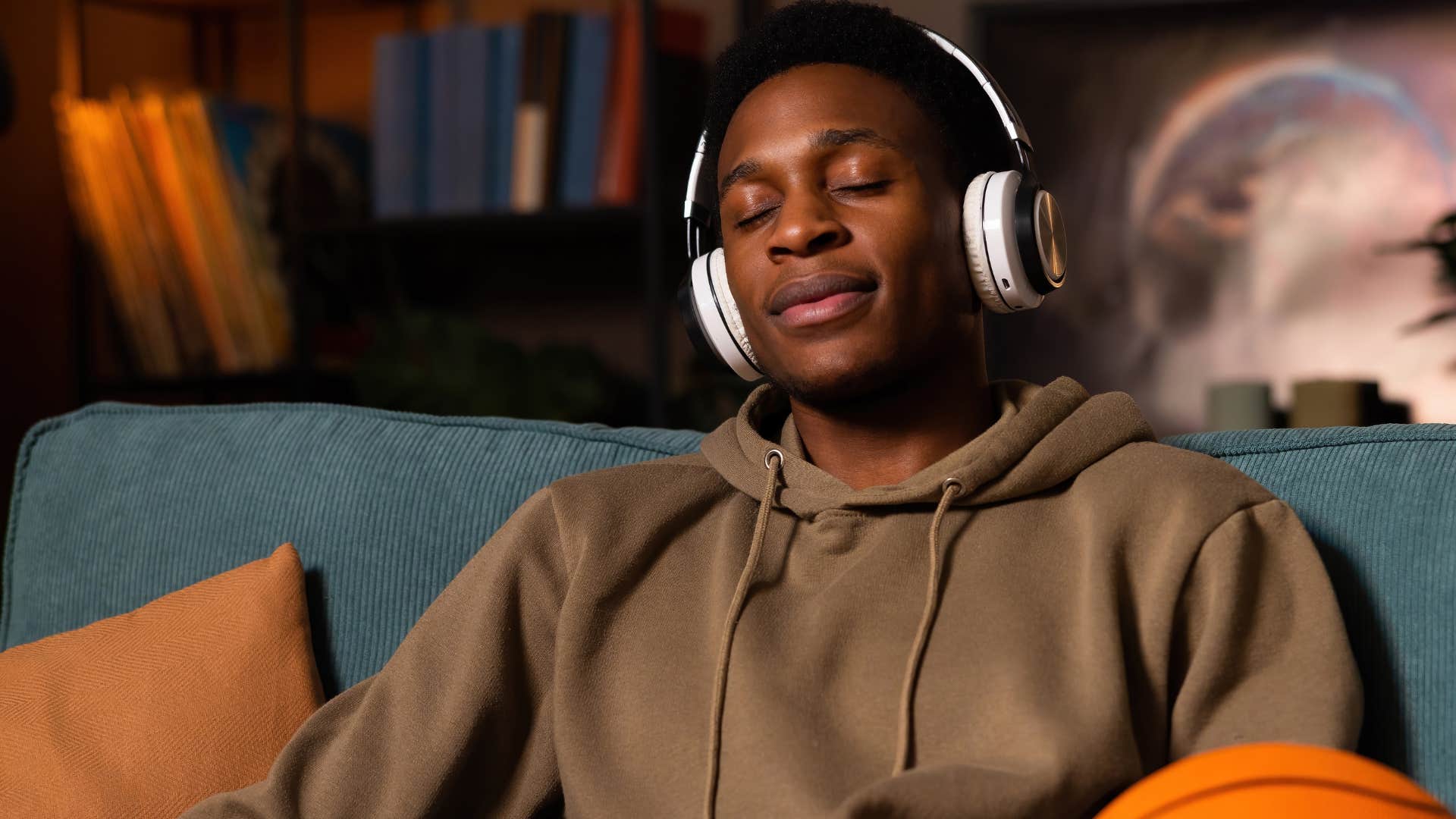
While our society often pushes people to constantly change and upgrade their lives, especially to adopt modern norms and needs, people who still mainly listen to 80s and 90s music are content with where they are. They adopt hobbies, habits, and routines that actually work for them, rather than chasing validation or misguided belonging by conforming to the norm.
Of course, it’s a simple mindset shift, but the ease, well-being, and self-assuredness that come from being content with your present self are superpowers.
7. They appreciate artistry
 Gorodenkoff | Shutterstock.com
For people who appreciate art and depth in their lives, listening to old music might be deeper than simple enjoyment. From appreciating the story in the lyrics to noticing melody choices and rhythms that are out of style, music from the 80s and 90s feels more intentional to them than modern options.
Especially considering that viewing, listening to, and appreciating art is generally associated with heightened psychological well-being, according to a study published in the Applied Psychology: Health and Well-being journal, they set themselves up for success by going deeper into the music they listen to.
8. They’re deeply sensitive
 PeopleImages | Shutterstock.com
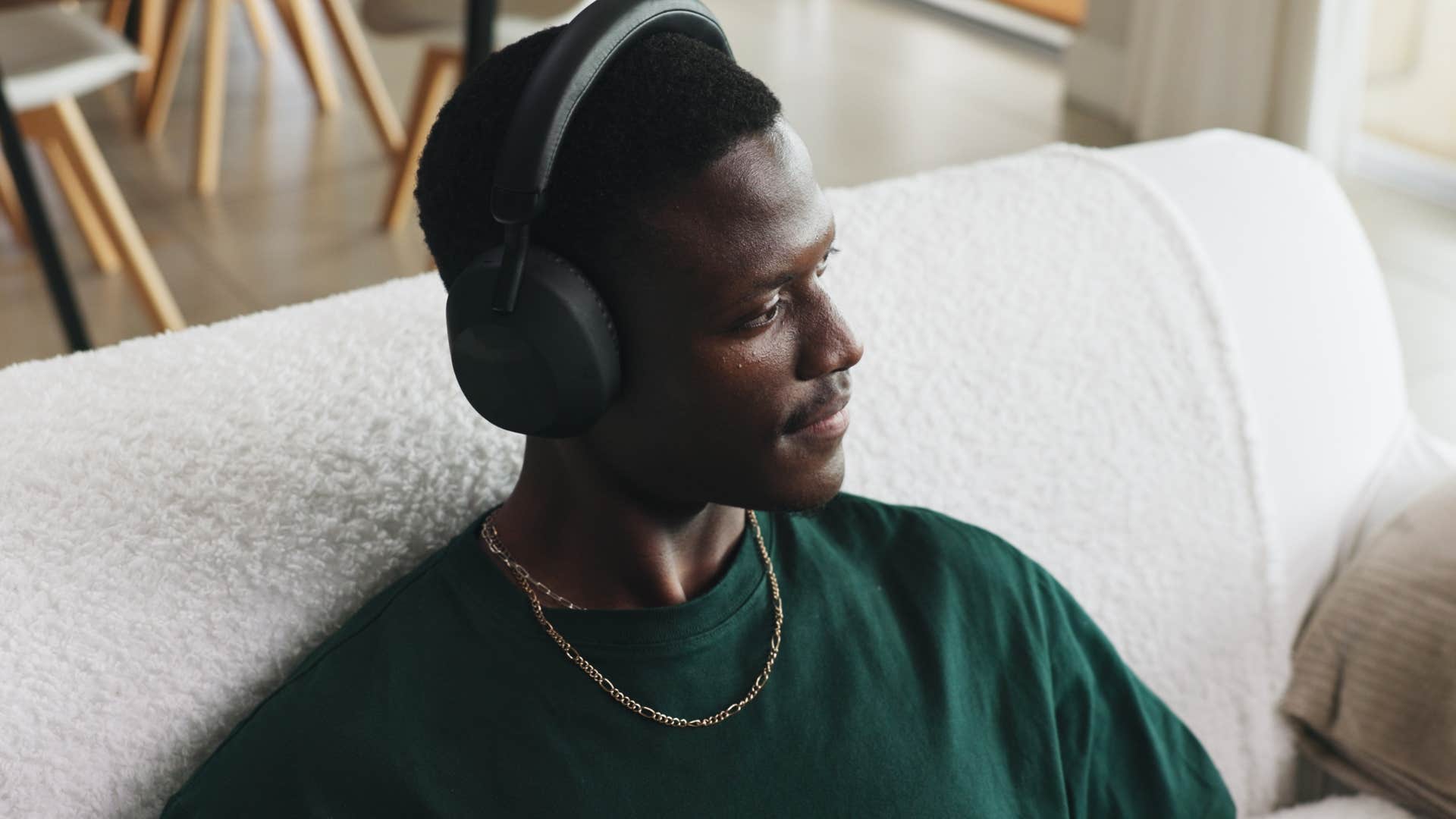
Considering deeply sensitive, emotional people are often easily overstimulated by sensory information in daily life, it’s not surprising that they come back to music and entertainment that’s familiar. They can unwind and rest without worrying about newness or being surprised by something unexpectedly overstimulating, which is why they appreciate music they listened to several decades ago.
Their musical taste is grounded and predictable, which helps them be introspective and emotional without fear or worry.
9. They find comfort in certainty
 MAYA LAB | Shutterstock.com
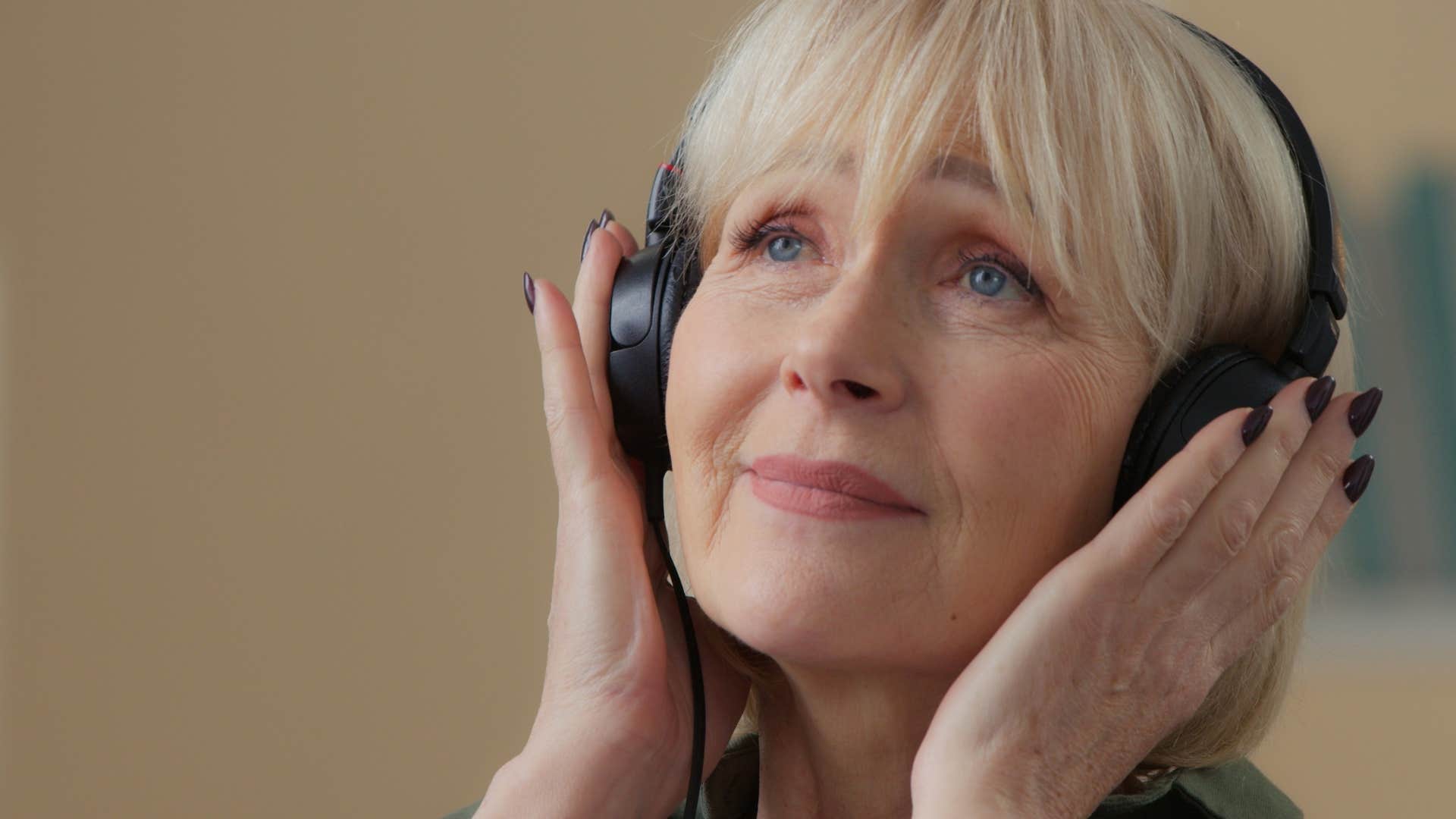
Especially for people with stressful routines or a sense of chaos in their everyday lives, it’s not uncommon to seek predictability and find comfort in certainty.
Listening to music from the 80s and 90s, which they’ve grown up appreciating, is one way some people seek out that certainty. They don’t have to guess about whether or not they’ll like a song or if it will bring up complex emotions, because they’ve cultivated a sense of familiarity with their musical taste.
10. They know who they are
 PeopleImages | Shutterstock.com
People who truly know who they are, live authentic lives, and feel secure in their individuality often prefer to listen to older music that makes them feel seen. Even if it’s not “cool” or modern to everyone else, they still feel validated and safe listening to the familiar songs and artists from the 80s and 90s.
While it might seem like a simple choice amid a chaotic schedule or demanding routine, listening to this kind of music that bolsters their authenticity simultaneously makes them feel happier and less stressed.
11. They appreciate busyness
 PeopleImages | Shutterstock.com
While some people who come back to familiar songs are introspective and content with simplicity, others are natural workaholics who crave a sense of busyness and distraction in their lives. From chaotic careers to a million obligations, they feel a sense of comfort, respite, and control in returning to the same music.
According to a study from the University of Michigan, songs and music can often provide that important space to seek comfort and rest amid chaotic schedules. So, if someone comes back to familiar music from the 80s and 90s they used to love, chances are it holds more meaning than just entertainment for them.
Zayda Slabbekoorn is a senior editorial strategist with a bachelor’s degree in social relations & policy and gender studies who focuses on psychology, relationships, self-help, and human interest stories.

