
Research Says These 20 Daily Habits Can Lower Blood Pressure And Improve Heart Health
 BGStock72 | Canva
I recently turned 50 and decided to have a complete physical exam with my doctor, including blood work. I was pleased to find all blood work indicators well within normal ranges, and no other concerns were found on examination.
I have no pain in my body either. I think I surprised the doctor because I also take no prescription medication, and the only over-the-counter medicine I take is an occasional ibuprofen for a rare headache. I also don't take vitamins and only one nutritional, whole-food supplement.
In talking with others my age, I found my situation rare. Instead of just patting myself on the back for a half-century well-lived, I decided to share my recipe for health, in case someone finds inspiration to add an ingredient or two into their own lives to feel better now. I am not a doctor or medical professional, so I cannot guarantee good health or make any promises. I am simply sharing what works for me in hopes it can work for you as well.
Before I list my health practices, you will notice some common themes. Practice the themes of prevention, moderation, and a positive mental attitude, and almost everything in your life improves. Here is a list of 20 daily habits you may want to consider adding to your life if you have not already done so to lower blood pressure and improve heart health.
Research says these 20 daily habits can lower blood pressure and improve heart health:
1. Drink water
Drink water instead of soda. Carry a water bottle around with you and drink constantly throughout the day. Drinking adequate amounts of plain water was associated with a meaningfully lower risk of developing high blood pressure over time. Research from Harvard Health also confirms that small clinical trials have shown that reducing sugary beverage consumption in favor of water can lower blood pressure and reduce excess weight.
2. Eat three meals a day
People who regularly eat breakfast have a lower risk of high blood pressure, heart disease, and strokes compared to those who skip it. Start with a healthy breakfast as a foundation and strive for two more quality meals later.
Research also shows that eating later in the evening is associated with higher BMI and elevated triglyceride levels, both of which are known cardiovascular risk factors. Try to avoid eating several hours before bedtime.
3. Give your body breaks from certain types of food and drinks
Have vegetarian days, gluten-free days, dairy-free days, alcohol-free days, and other difficult-to-digest substances to allow your internal organs a day off from hard-to-process foods. Pick one focus at a time and assess how you feel when you do not consume that particular food or drink.
When people cut out their personal trigger foods one at a time and paid attention to how they felt, one study reported that 81% saw real improvement in their digestive symptoms.
4. Avoid artificial ingredients
 Monika Borys / Unsplash+
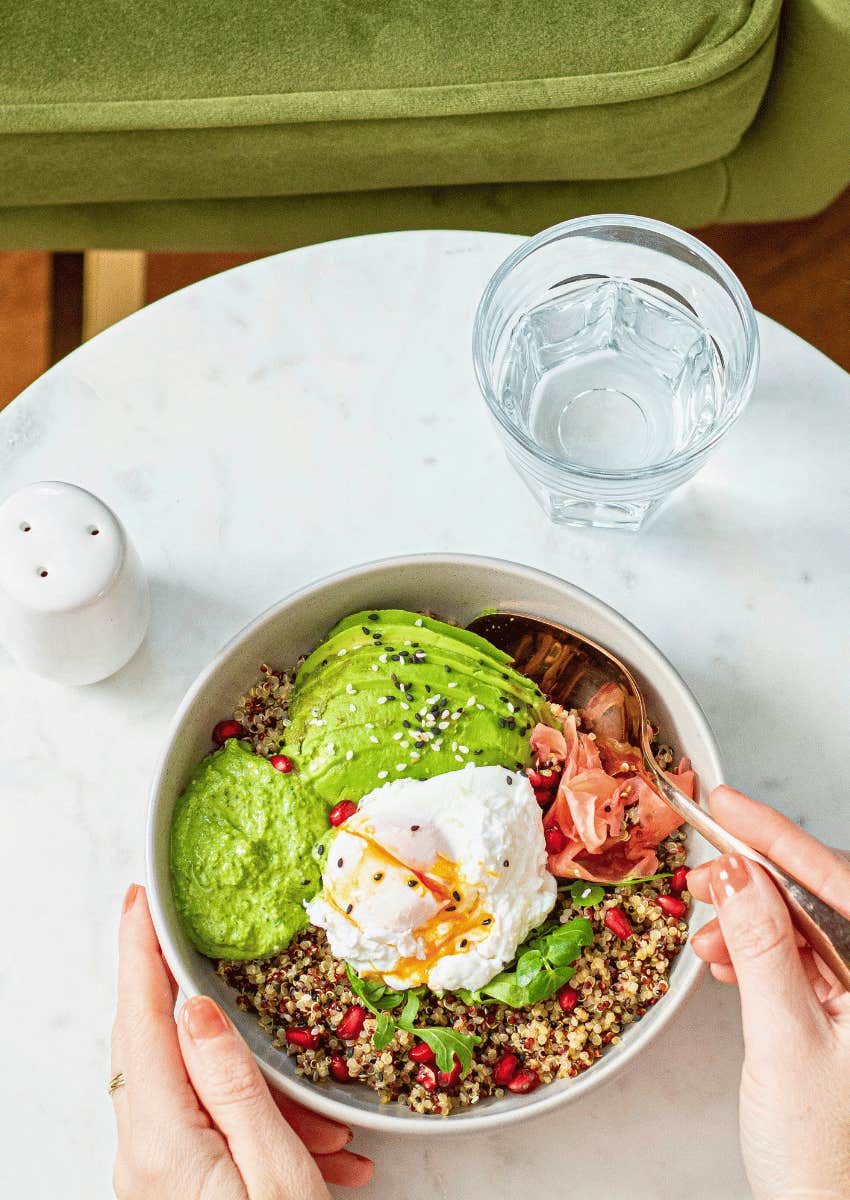
Stay away from aspartame, MSG, high fructose corn syrup, and other artificial additives. Focus on food and drink closest to nature, and whenever possible, choose organic.
Sugar-sweetened soft drinks containing high-fructose corn syrup negatively affect important markers of heart health, research has shown. Staying close to whole, natural foods rather than processed ones with artificial additives is one of the most straightforward ways to protect your heart long-term.
5. Remember to think of sweets as a special treat rather than a daily fix
Decrease sugar consumption, whether it is candy or sweetened lattes and other beverages, and save it for a special occasion. According to research scientist Dr. Terri Orbuch, the habits we build around gratification shape our overall well-being far more than any single indulgence. Training yourself to savor something sweet as a genuine treat rather than a default reflex is a small mindset shift with real, lasting effects on your health and your relationship with yourself.
6. Walk
Make walking a priority each day. Even if you do not have time for formal exercise, fit in a walk every day. An overview of 57 studies involving more than 160,000 people found that walking just 7,000 steps per day was associated with a 25% lower risk of heart disease and a 47% lower risk of dying from any cause.
7. Exercise at least 5 days a week
Have variety. Swim, lift weights, play a sport, use different muscles, and include cardiovascular exercise. A study in JAMA Cardiology found that participants who exercised through walking, cycling, or a combination of the two for 40 minutes, three times a week, lowered their blood pressure by an average of 6 points compared to those who received only lifestyle advice.
Varied exercise that uses different muscle groups and includes cardiovascular movement gives your heart the consistent, well-rounded workout it needs to stay strong.
8. Stretch
 Dex Ezekiel / Unsplash
Keep limber by stretching or taking classes such as yoga or ballet at least once a week. According to Dr. Ruth Schimel, a career and life management consultant, the body communicates in ways that words often cannot. Learning to listen to it through mindful, physical practices like stretching or yoga is one of the most powerful tools we have for maintaining balance.
9. Rebound
Rebound exercise (mini-trampoline) improves lymph movement, which in turn increases your immune system. Melissa Fritchle, a holistic psychotherapist, suggests building consistent movement practices into daily life as a sustainable way to maintain physical and emotional health over time.
10. Get sunshine
Find a way to get some sunshine each day if possible. There will be cloudy days, but when the sun shines, get out in it for a while.
People with low vitamin D levels were three times more likely to be diagnosed with high blood pressure than those with higher concentrations, research has found. Sun exposure also triggers the release of nitric oxide from the skin, which helps relax blood vessels and support healthy blood pressure.
11. Detox weekly
Try 10 minutes in a sauna or steam room. Sweat out toxins weekly. Psychotherapist Joan E. Childs explains that regularly creating space to reset and rebalance yourself is an important investment you can make for your long-term wellbeing. Whether it's ten minutes in a sauna or another consistent ritual, building a weekly detox practice into your routine is a form of self-respect your body will thank you for.
12. Take a whole food supplement
 Kateryna Hliznitsova / Unsplash+
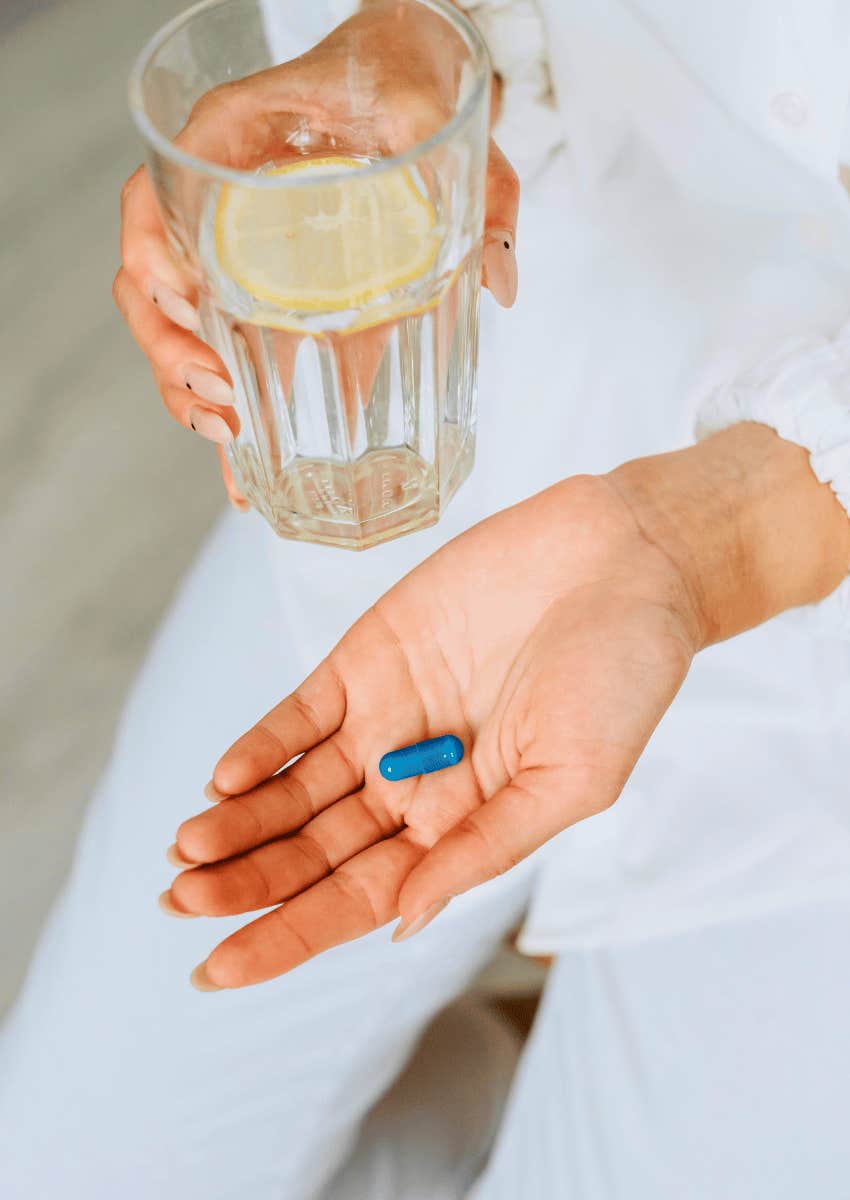
I love Juice Plus, which adds more vegetables and fruits to my daily diet. According to Dr. Lucy Brown, a neuroscience researcher, taking an honest inventory of what your life currently looks like and making proactive choices based on that is one of the hallmarks of a well-lived life. A quality whole food supplement is a simple, practical way to fill in the nutritional gaps most of us have without overthinking it.
13. Say no to drugs and smoking
Enough said. Research on life course patterns of prescription drug and substance use found that Americans now spend roughly half their lives taking some form of medication, a trend that in many cases begins with lifestyle choices made decades earlier.
The single most effective thing you can do for your long-term heart health is to keep your body free of substances that stress and damage it from the inside out.
14. Schedule consistent self-care
Find a whole body, eastern medicine type of practice, such as acupuncture, and attend faithfully once a month. Rebalance yourself in some way regularly.
Psychotherapist Sean Grover explains that people who regularly invest in their emotional and physical balance are better equipped to process stress, maintain healthy relationships, and show up fully in their lives. Scheduling consistent self-care is a necessary part of keeping yourself whole.
15. Try all alternatives before taking pills or having surgery
Explore natural remedies before taking pharmaceuticals or scheduling surgery, which always has side effects and risks. Lifestyle modifications are the most effective interventions available for preventing and managing heart disease, one study found. Exploring what your body can do when given the right conditions before reaching for a prescription is something research increasingly suggests is wise.
16. Get enough rest
 A. C. / Unsplash+
Don't waste your sleep. You need adequate sleep for clear thinking and optimal functioning of your body. The American Heart Association found that people with the highest satisfaction with their aging process had a 43% lower risk of dying from any cause over four years compared to those with the lowest scores. Cardiologists consistently identify sleep as one of the four behavioral pillars of heart health alongside diet, movement, and not smoking.
17. Breathe
When stressed, take at least 3 deep breaths in and out before reacting. Harvard Health explains that deep breathing stimulates the vagus nerve, activating the body's "rest and digest" response, which lowers heart rate and widens blood vessels.
18. Practice forgiveness
Anger and resentment often cause internal symptoms and unnecessary suffering. According to Dr. Lucy Brown and the late Dr. Helen Fisher, both neuroscience researchers, holding a grudge causes a sustained increase in cortisol. Forgiveness is about releasing yourself from a burden you were never meant to carry indefinitely.
19. Focus on gratitude
Be grateful for what you have and where you are now. Count your blessings. Research shows that people who maintain a grateful, optimistic perspective tend to engage more consistently in the preventive health behaviors that actually keep them well.
20. Laugh and love often
Find humor in situations and laugh often. Open your heart to love. Love others and love yourself. Research from the American Heart Association confirms that positive emotions, strong social bonds, and a sense of purpose are protective factors for heart health.
If any of these suggestions are missing from your health routine, consider adding one or two gradually to enhance your feeling of vitality. You never know which new addition will change your situation for the better. Age more gracefully, so you can enjoy an active lifestyle with good energy each year starting now!
Lisa J. Shultz is a consultant, speaker, and award-winning author who specializes in writing non-fiction, self-help, and inspirational books. She is the author of Lighter Living: Declutter. Organize. Simplify.

