
Research Says These 7 Old-Fashioned Habits Can Lower Blood Pressure And Improve Heart Health
 Africa Images | Canva
Heart disease remains the leading cause of death in the United States, but researchers are increasingly finding that some of the most effective ways to improve heart health and lower blood pressure aren't new at all. Many of the habits our grandparents lived by turn out to have real, measurable benefits for blood pressure and cardiovascular health.
The fast pace of our world can lead to stress, anxiety, and various physical ailments that are often caused by said stress and anxiety. It's not easy to do a major life overhaul, but there are small, simple changes you can make to be happier and healthier overall.
Research says these 7 old-fashioned habits can lower blood pressure and improve heart health:
1. Going offline
 Getty Images / Unsplash+
By virtue of having a smartphone, most of us have access to all of the world’s information with just the swipe of a finger. According to the Pew Research Center, 85% of Americans report going online every day, with 31% reporting they’re “almost constantly” online and 48% saying they go online several times a day.
Being hyper-connected and staring at a screen for an extended period of time can majorly affect our health and mental well-being. Excessive screen time has negative effects on children’s executive functioning and academic performance. Early exposure to screens has been associated with having lower cognitive abilities later in life.
Too much screen time can negatively affect adults’ brains, too. A 2020 study found that adults diagnosed with “smartphone dependency” showed poorer cognitive performance and had a lower volume of gray matter in their brains, which is responsible for transmitting messages.
Outside of work, the recommended amount of screen time for an adult is two hours. If being away from your phone feels strange or scary, start small. Leave your phone at home when you go for a walk. Put it in a different room when you’re making dinner. See if you can part with your phone overnight and use an old-fashioned alarm clock to wake you up instead.
Use the time that you’re not spending on your phone to cultivate other analog interests, like reading a book or going outside and literally touching grass.
2. Calling your loved ones
 A. C. / Unsplash+
A lack of social connection can cause people actual harm on both a physical and emotional scale. In his 2023 public health advisory on the loneliness epidemic, U.S. Surgeon General Vivek Murthy emphasized just how important it is to stay connected to our loved ones, noting that social isolation increases the risk of premature death by 29%.
Poor social connections can cause an increased risk of heart disease, stroke, depression, and anxiety. Most people have experienced a lonely part of their life, whether as a college student who’s living away from home for the first time or an older person who feels like they don’t have a strong community network.
Reaching out to people is valuable no matter what form that communication takes, but there are benefits to not using texts and calling instead. Hearing each other’s voices can make us feel more connected than seeing a sentence on a screen ever could.
Talking to someone we love leads us to describe what we’re doing and express how we’re feeling, which is hard to fully convey by text. Staying in touch the old-fashioned way can help you feel closer to the people you love, even if you’re far apart.
3. Making home-cooked meals
 Jason Briscoe / Unsplash
It’s always tempting to skip spending time in the kitchen by ordering take-out, indulging in girl dinner, or eating a premade meal that you pull out of the freezer. However, many prepackaged foods are also ultra-processed foods, which aren’t the best options when it comes to our health.
As the Harvard School of Public Health noted, ultra-processed foods are usually low in fiber and nutrients. Ultra-processed foods also contain saturated fats, added sugars, and sodium, which have an effect on heart disease and high blood pressure.
It takes extra effort, but turning on your stove, chopping up some vegetables, and making a meal from scratch is a good antidote to food that’s packed with preservatives. You might also find that cooking serves as a meditative practice, a moment where you can let your anxieties go as you read through a recipe and follow the directions, resulting in something delicious.
4. Planting a garden
 Pelargoniums for Europe / Unsplash
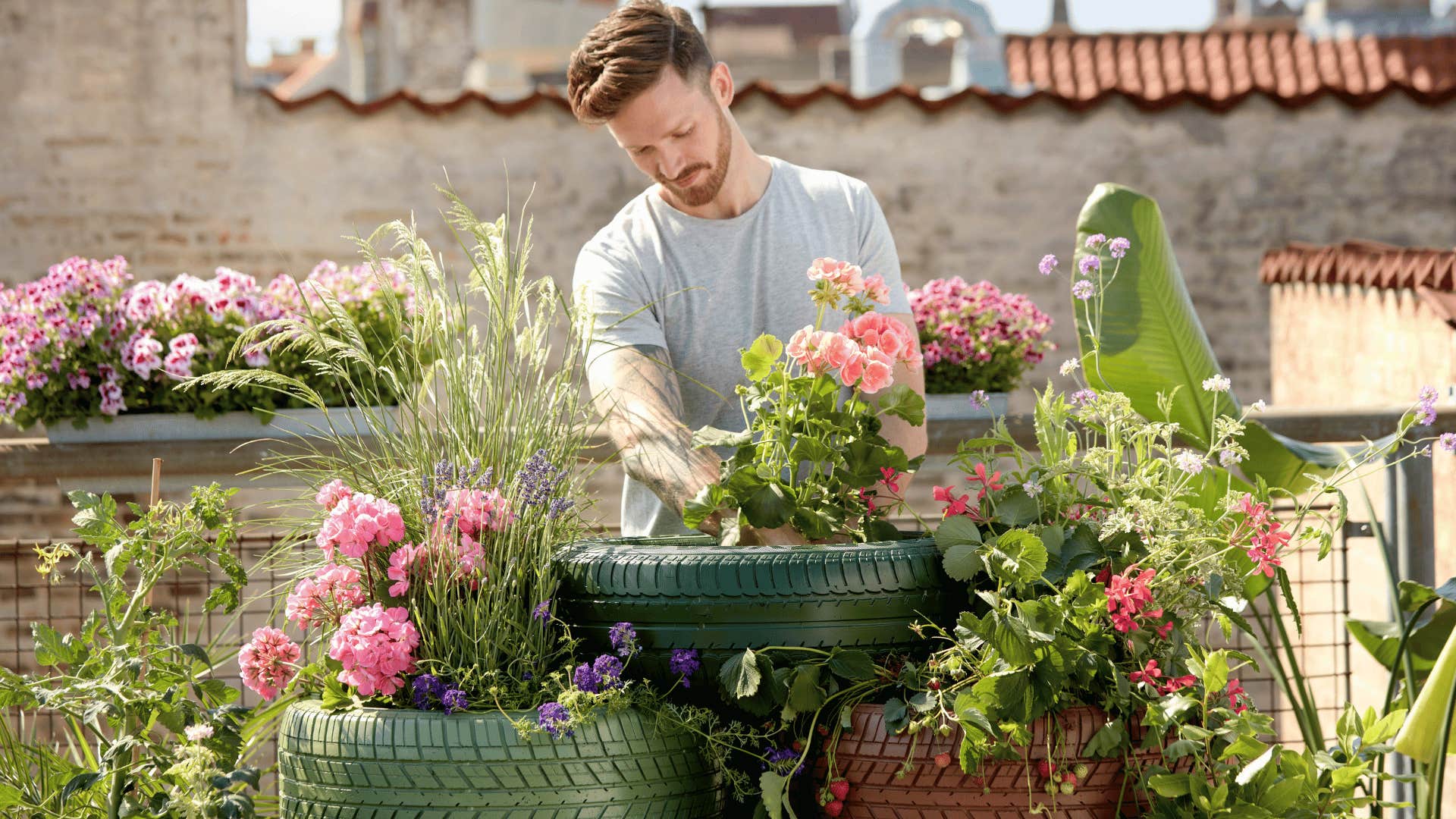
Tend to something other than your social media feeds by planting a garden and see how your physical and mental health blossom. By planting a garden and getting their hands in the dirt, people can increase their physical activity while growing their own fruits, vegetables, and flowers.
Gardening exposes you to fresh air and sunshine, which can lower your blood pressure and increase your vitamin D levels during the summertime. While gardens are beautiful, meditative spaces, not everyone has access to outdoor space. Even if you live in an apartment in the city, you can find herbs that grow well in pots or window boxes.
5. Taking a walk
 Natalia Blauth / Unsplash+
There are various benefits to walking, no matter where you live. Dr. Pranav Vyas, a functional medicine practitioner, shared how life-changing walking for just thirty minutes can be. He noted that walking strengthens your heart, supports your cardiovascular system, and can even help with type-2 diabetes.
“Don’t worry about the whole 10,000 step count,” Dr. Vyas advised. “Just start with 30 minutes a day. Even though it’s low impact, walking will still increase your heart rate, which will help strengthen your heart, help lower cholesterol levels, so it’s been shown to lower your heart disease rate by up to 50%, and also lowers your blood pressure by up to 11 points,” he said.
Walking also increases your immune system, helps lower inflammation, and can help decrease anxiety and depression. So, tie up those sneakers and go into the great outdoors, even if it’s just for half an hour.
6. Having a hobby
 Daiga Ellaby / Unsplash+
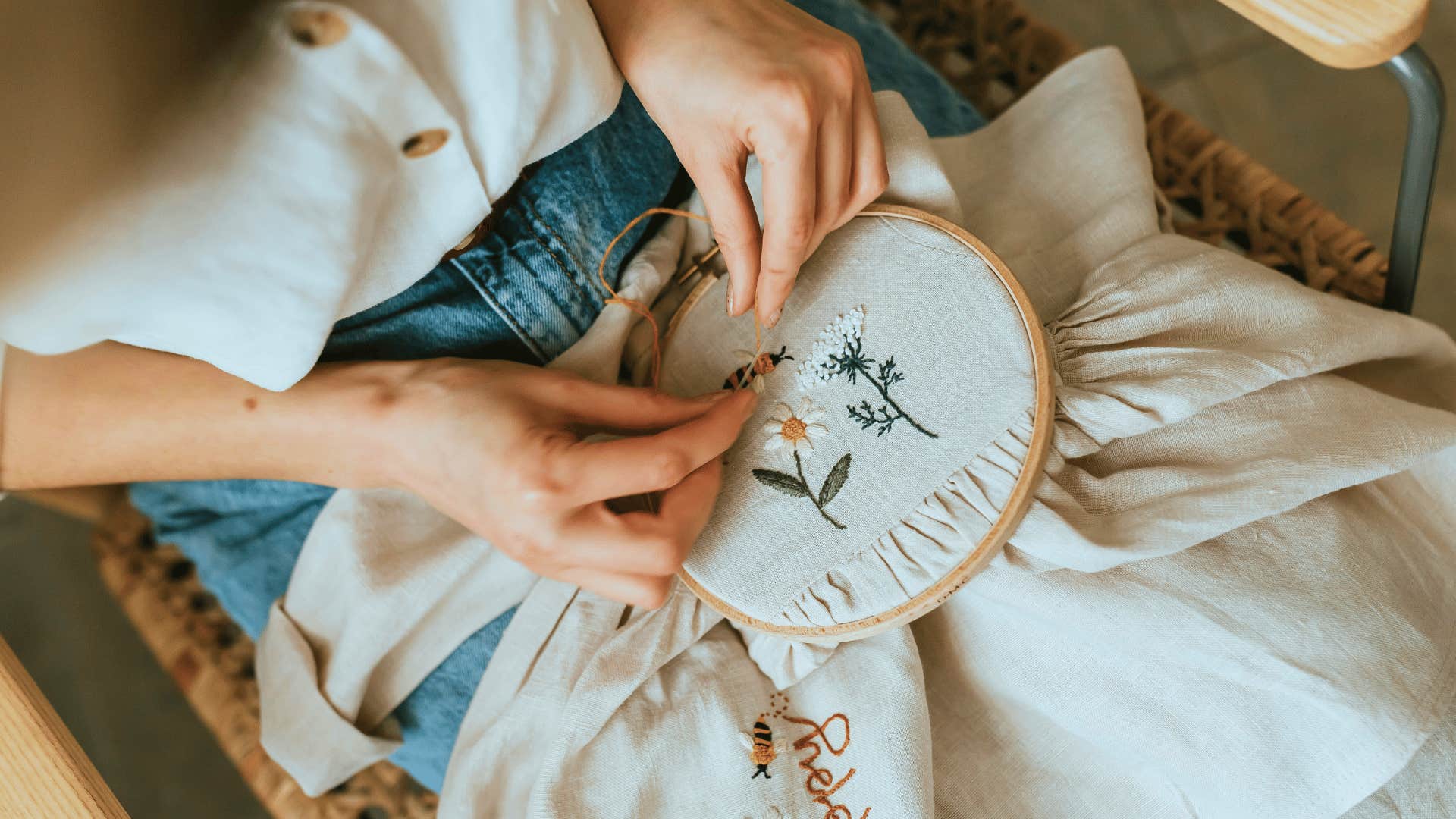
Cultivate your interests the old-fashioned way while exploring something new by leaning into the hobby lifestyle. According to a 2023 study from the journal Nature Medicine, having a hobby helps boost your health and your mood. Study participants were all 65 or older and were followed for 4 to 8 years, during which time they answered questionnaires about their health and well-being.
People with hobbies reported being happier and healthier, with less depression and higher life satisfaction. Starting a hobby is a great way to learn something new, which keeps your mind sharp. It also helps you have fun and stay connected to yourself. You don’t have to be an expert in whatever hobby you choose. Doing an activity because it brings you joy is reason enough.
7. Meeting your neighbors
 cottonbro studio / Pexels
It’s easy to feel disconnected from our communities, yet making connections with the people around us can serve us in various ways. Getting to know your neighbors can give you a sense of rootedness and can help decrease social isolation. You don’t have to become best friends, but having a quick conversation in person with someone who lives near you can boost your mood and help you feel like you belong.
Research shows that strong social connections help reduce the body's stress response and encourage healthier habits, both of which play a real role in keeping blood pressure in check as we age. So, say hi when you’re grabbing the mail or walking your dog. You might be surprised by what you discover.
Alexandra Blogier is a writer on YourTango's news and entertainment team. She covers social issues, pop culture, and all things to do with the entertainment industry.

