
Research Shows People Who Read Regularly Tend To Be More Empathetic Than Those Who Watch TV
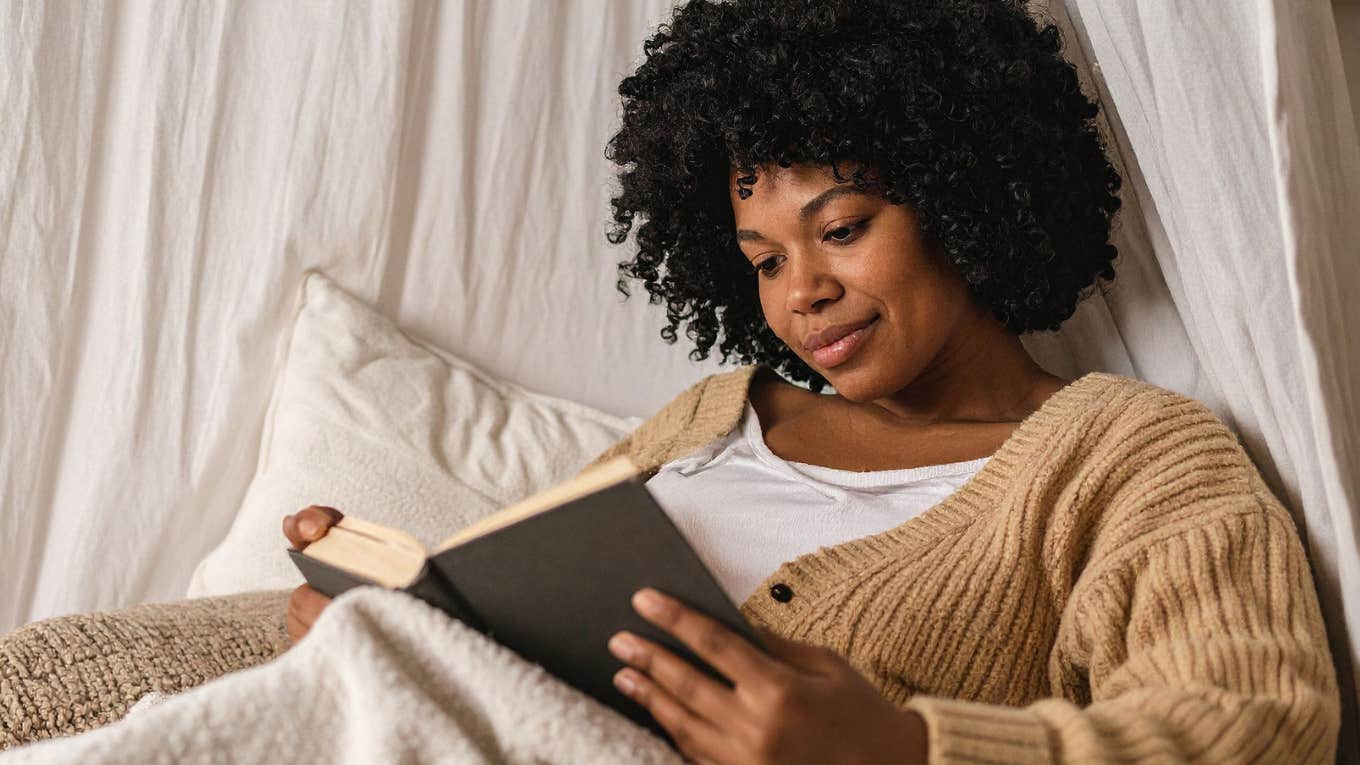 Truecreatives | Canva
We live in one of the most connected eras in human history, and somehow we're also one of the least empathetic. Social media gives everyone a platform, but it also gives everyone a front-row seat to just how little people seem to care about how their words land.
In a time when people are so sensitive about what is said online, what if I told you that the majority of us know better than to be offensive, but just don’t care? Would it really shock you?
Probably not, given how there’s a lot of carelessness these days. But what is stopping us from being nice to one another? Did we all forget how to be nice due to our current political climate, or is it something else?
According to the Los Angeles Times, 72 percent of American adults read books in 2015. The previous year, this was true for 76 percent. This kind of shocked me, considering that cable is so fairly priced these days, and so many shows and movies are available to watch.
But is the decline in reading to blame? A Kingston University in London postgraduate research student, Rose Turner, did a study, taking a look at how reading versus watching television affects social behavior.
Research found that people who read regularly tend to be more empathetic than those who watch TV
 Leon Seibert / Unsplash
This study consisted of 123 adults of various ages who completed an online survey. They had to answer questions regarding their preferences for books, TV shows, and plays, while also being tested on their interpersonal skills pertaining to how aware they were of the feelings of those around them.
The study found that people who read had greater awareness and empathy for other people’s feelings.
On the contrary, people who watched television were less friendly and understanding of others. If you’re like me, you will find this interesting, probably for the same reason that Turner did. She says, “This study demonstrates that the different ways that people engage with fiction can impact their emotional intelligence and empathetic behaviors.”
But if you’re like me, you’re also wondering why the results are what they are. “Reading is an individual experience that makes people think deeper,” said Turner.
“When we read, we go by what is simply written on the page, and we have to fill in the gaps as we go along, giving us a chance to develop empathetic skills as we try to understand what a character is going through.”
The lack of information we may have about a character in literature makes our imagination work overtime to get a full reading on who they are and all of their characteristics. On the other hand, when seeing a character on TV or in a movie, you feel (even more so than a character in a book) as though you grow with them from the beginning of the show to the end because you can get a better read on them.
You can see their facial expression when they get surprising news. You can see how they enjoy their downtime. You can see how they cope with a hardship. Therefore, the TV/movie character is instantly more relatable than the book character.
It makes a lot of sense why people who read have more empathy, despite TV/movie characters being more relatable: It’s the ambiguity.
The less definitive information we have about book characters versus their TV/movie counterparts means we’re more likely to be open-minded about them, all because our imagination is involved.
Open-mindedness usually means you’re more understanding of people, even if they differ from you. So maybe it's time to switch from the television remote and pop open your old friend: a book.
None of this means you have to give up your favorite shows or pass on a movie you've been eagerly waiting to come out. But the next time you're looking for a way to feel a little more connected to the people around you, it might be worth reaching for a book instead of the remote. The habit of filling in the gaps for fictional characters might just make you better at giving real ones the benefit of the doubt, too.
Eric Webb is a national award-winning pop culture critic, arts & entertainment journalist, editor, and film programmer.

