
10 Sneaky Ways Restaurants Secretly Make People Overeat
 KaterynaUKR | Shutterstock
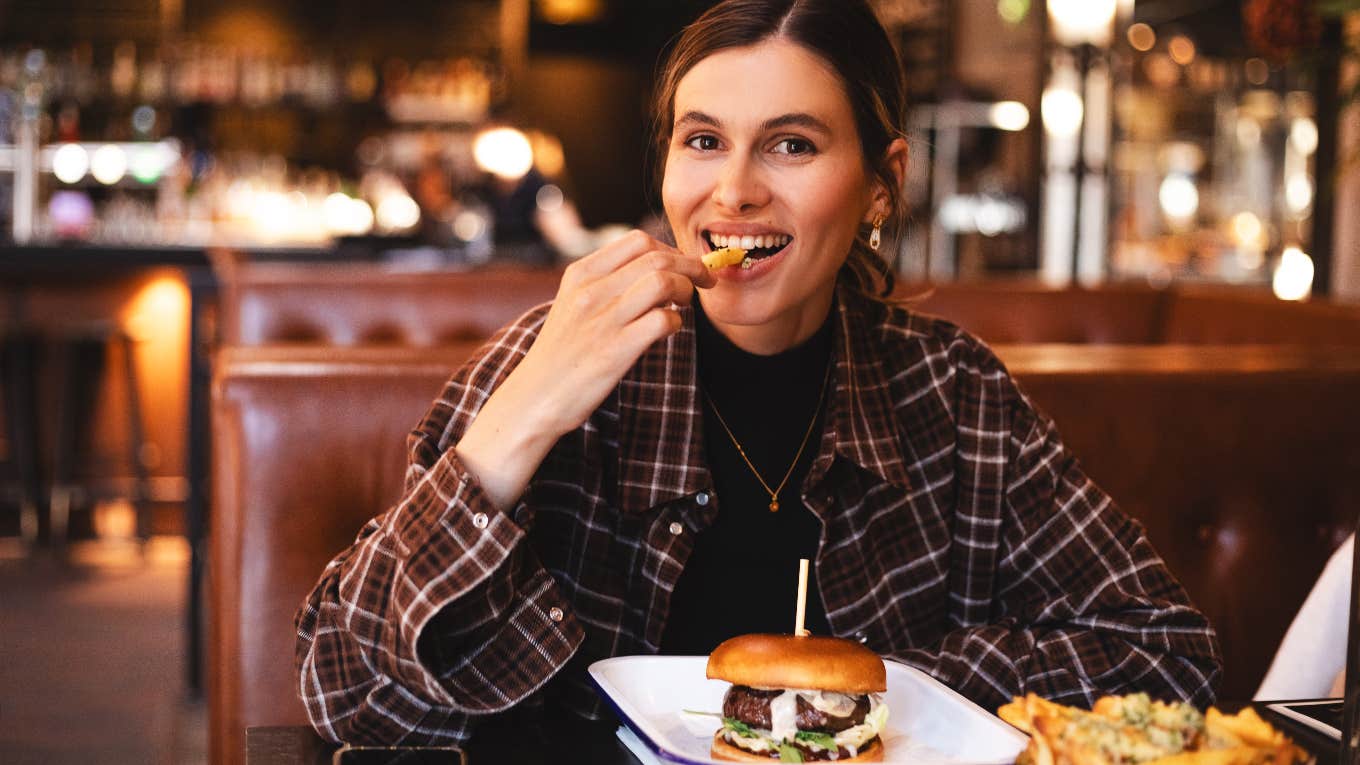
Unfortunately, there are many sneaky ways restaurants secretly make people overeat. And though some establishments tout providing high-quality foods, the dietary quality of restaurant meals is much lower compared to food cooked at home, creating potential problems. So, before you eat a meal outside of your home, remember that things aren't always as they seem.
Here are the sneaky ways restaurants often make people overeat:
1. Bottomless drinks and refills
 antonioodiaz | Shutterstock
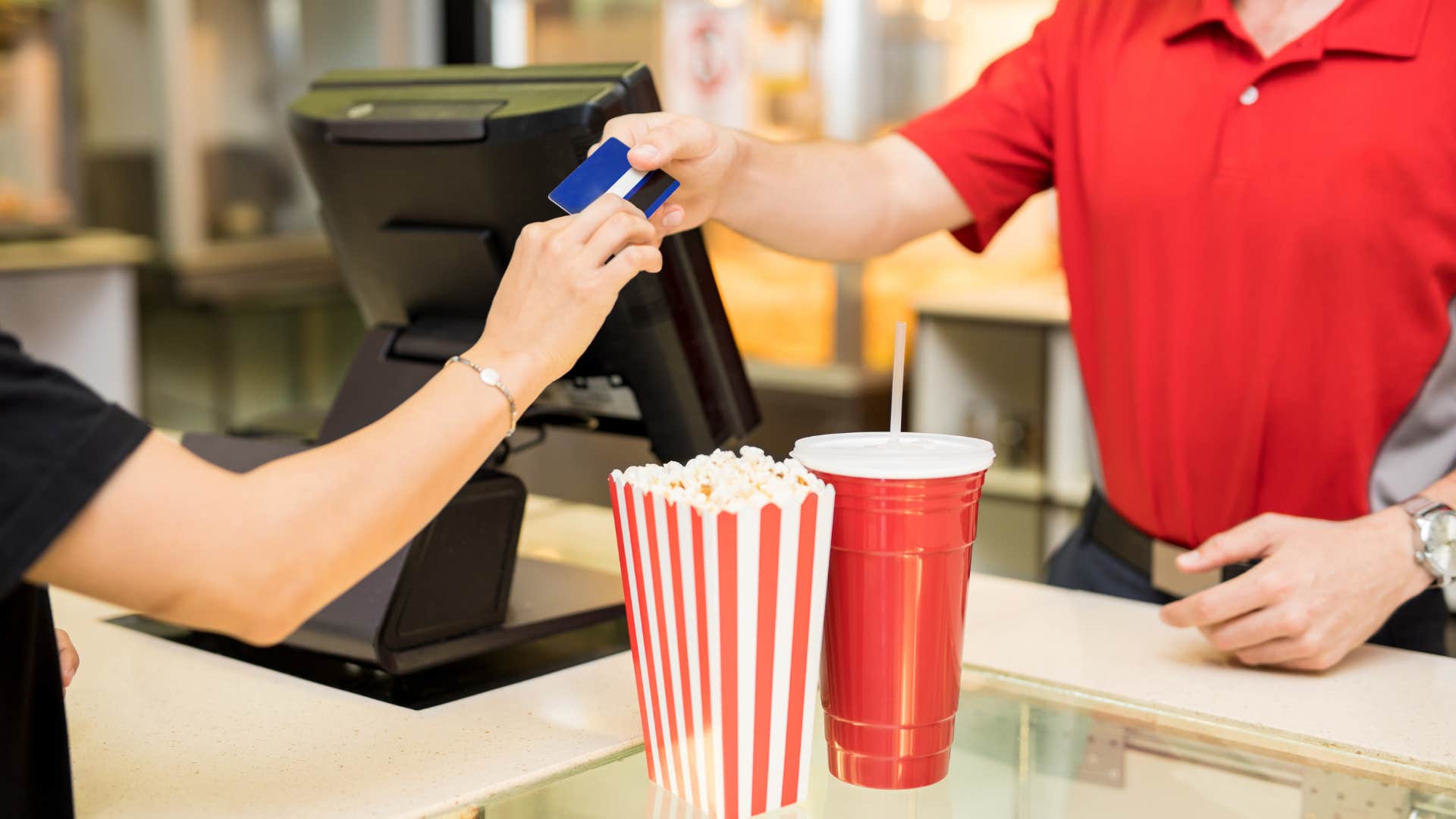
While it may seem like free refills are a great perk, with the cost of living rising, having anything free nowadays is a rarity in itself. However, while free refills on drinks don't sound problematic, they can pose an issue when it comes to consumption.
A study published in Psychological Science found that free refills actually increased consumption in customers, particularly when a waiter offered to serve that refill. Of course, this issue can be made better or worse depending on the size of the cup, but free refills are a slippery slope of overconsumption without people even realizing it.
2. Combo meals and 'upgrades'
 Valery | Shutterstock
Health is important, but food is meant to be enjoyed, too. Even so, always getting a combo meal or upgrade is unhealthy, even if it seems like you're getting more bang for your buck, so to speak. Outside of contributing to high blood pressure, restaurants make people overeat by advertising these combo meals and upgrades as a way to save money.
For the small price of a couple of dollars, it's easy to get reeled in with combo meals. Justifying it as financially smart, people don't realize that this is another way restaurants get people to overeat.
3. Huge portion sizes
 Anton Pentegov | Shutterstock
After a long day of work and skipping meals, it's normal for people to consume more food than usual. Hungry and too tired to cook, there's nothing wrong with picking up takeout. Even so, there's a way to make takeout healthier.
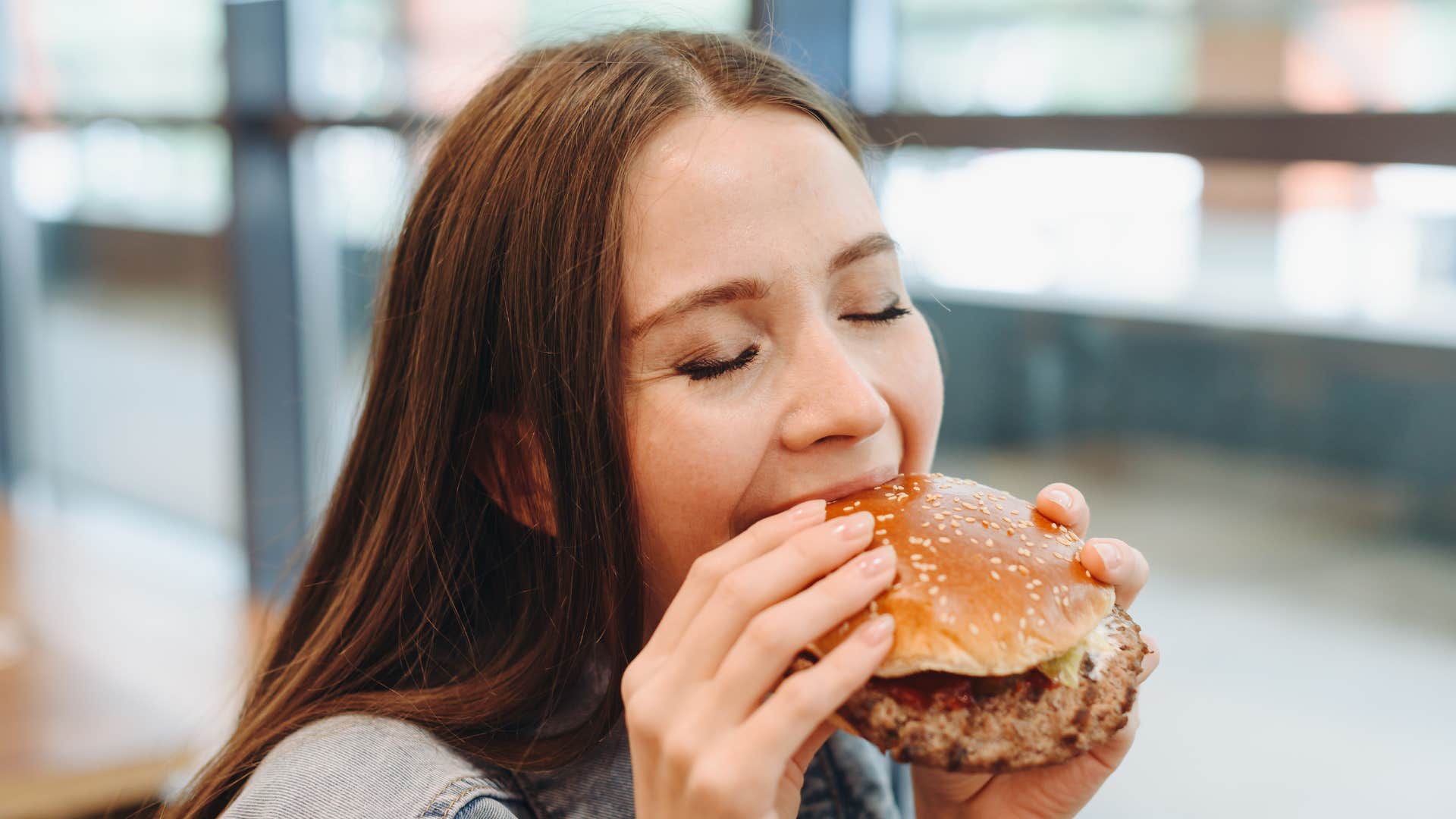
Whether it's smaller sizes or replacing ingredients, it's important to consider portion size. According to Mayo Clinic, people tend to eat more when they're served larger portions. So, it's important to be mindful of those portion sizes and make more health-conscious decisions.
4. Fast service
 junpinzon | Shutterstock
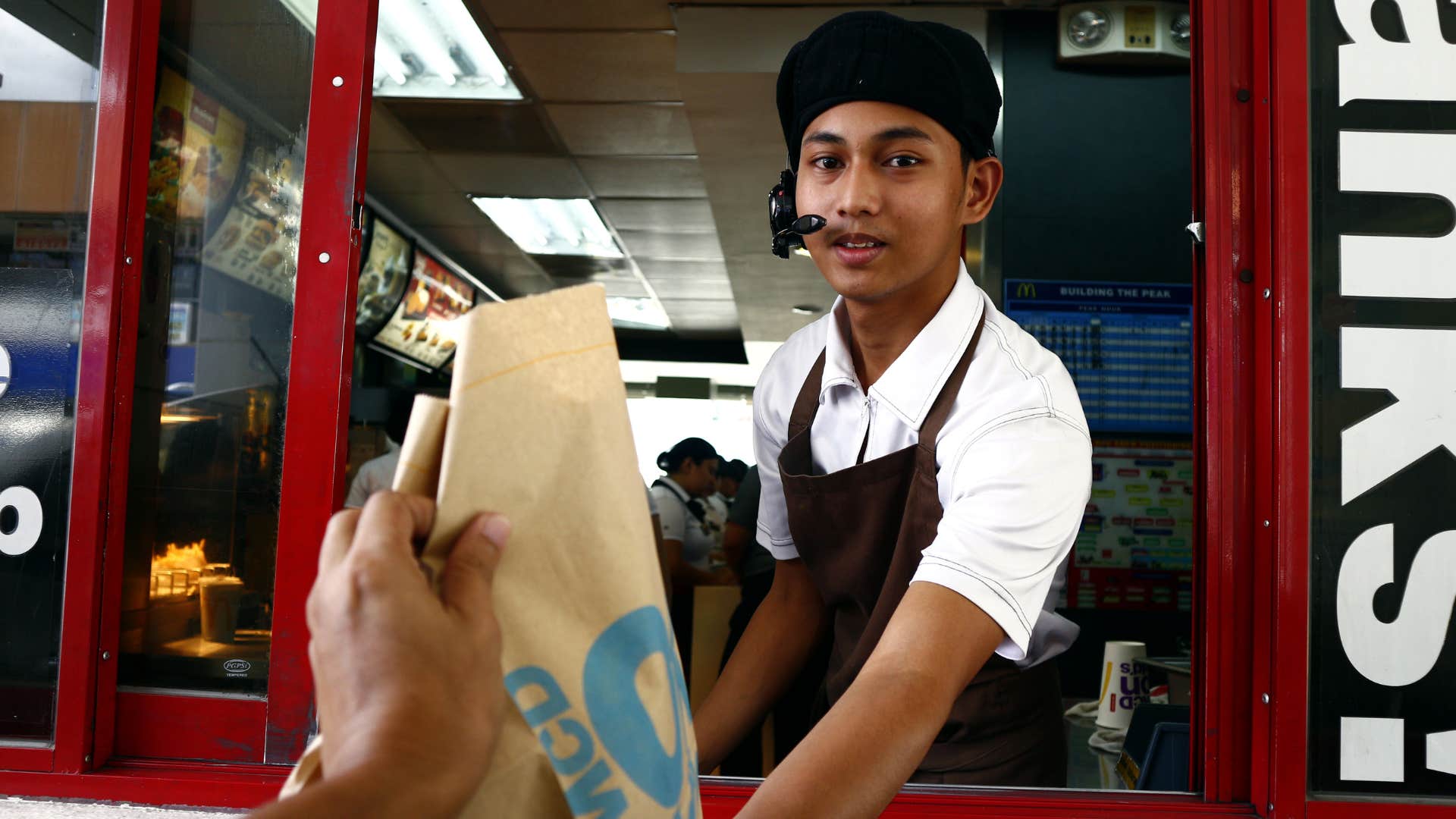
Not having to worry about wait time, it's all too easy to rely on convenience when it's readily available. While fast food is good for those Friday nights in or pitstops road trips, some restaurants will try to sneakily trick customers.
Due to the fast-paced environment, it's tempting for customers to eat more fast food. Not having to wait for a meal to finish cooking, people who are limited on time are more likely to eat out than spend energy making a meal from scratch.
As the Centers for Disease Control and Prevention pointed out, around 32% of adults consume fast food on a given day. And unfortunately, consuming fast food has been "associated with an increased intake of calories, fat, sodium, and sugar, and with a lower intake of fiber, calcium, iron, fruits, dairy, whole grains, nuts, and seeds."
5. Free bread, chips, or appetizers
 Jovan Barajevac | Shutterstock
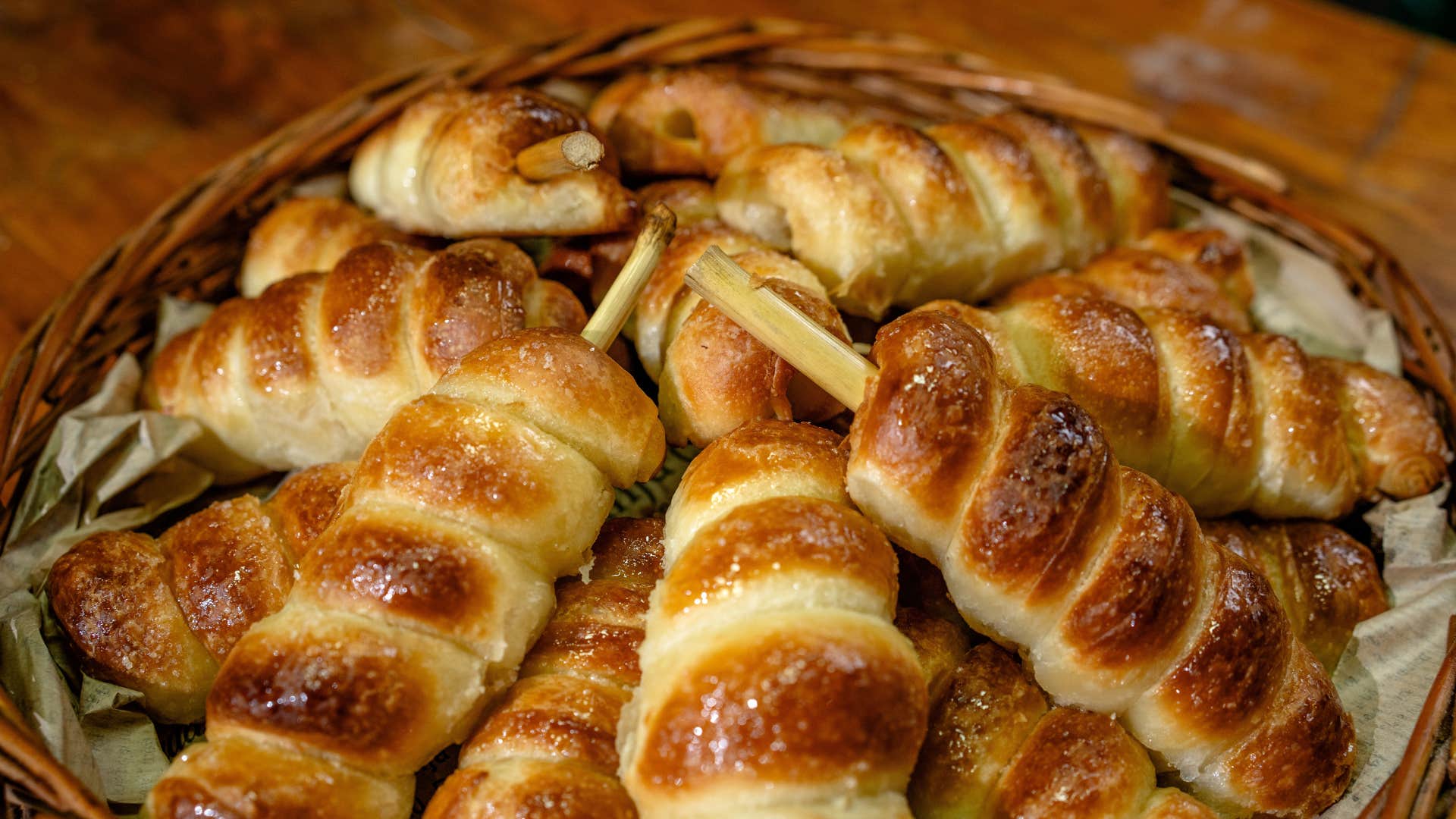
From Olive Garden to the Cheesecake Factory, nobody can say no to free bread served before a meal. People may think it's a good way to stave off hunger before their actual meal comes for "free," but restaurants don't do this out of the kindness of their own heart.
Food writer Dhruv Trivedi explained, "Interestingly, while satiating your hunger, bread can also have the opposite effect, which is what many restaurants seemingly count on. The high carbohydrate content of bread means your body quickly breaks it down into sugar." Research published in Nutrition Reviews supports this, adding that a quick rise in blood sugar levels actually leads to more hunger and overeating.
6. Limited-time offers
 PJ McDonnell | Shutterstock
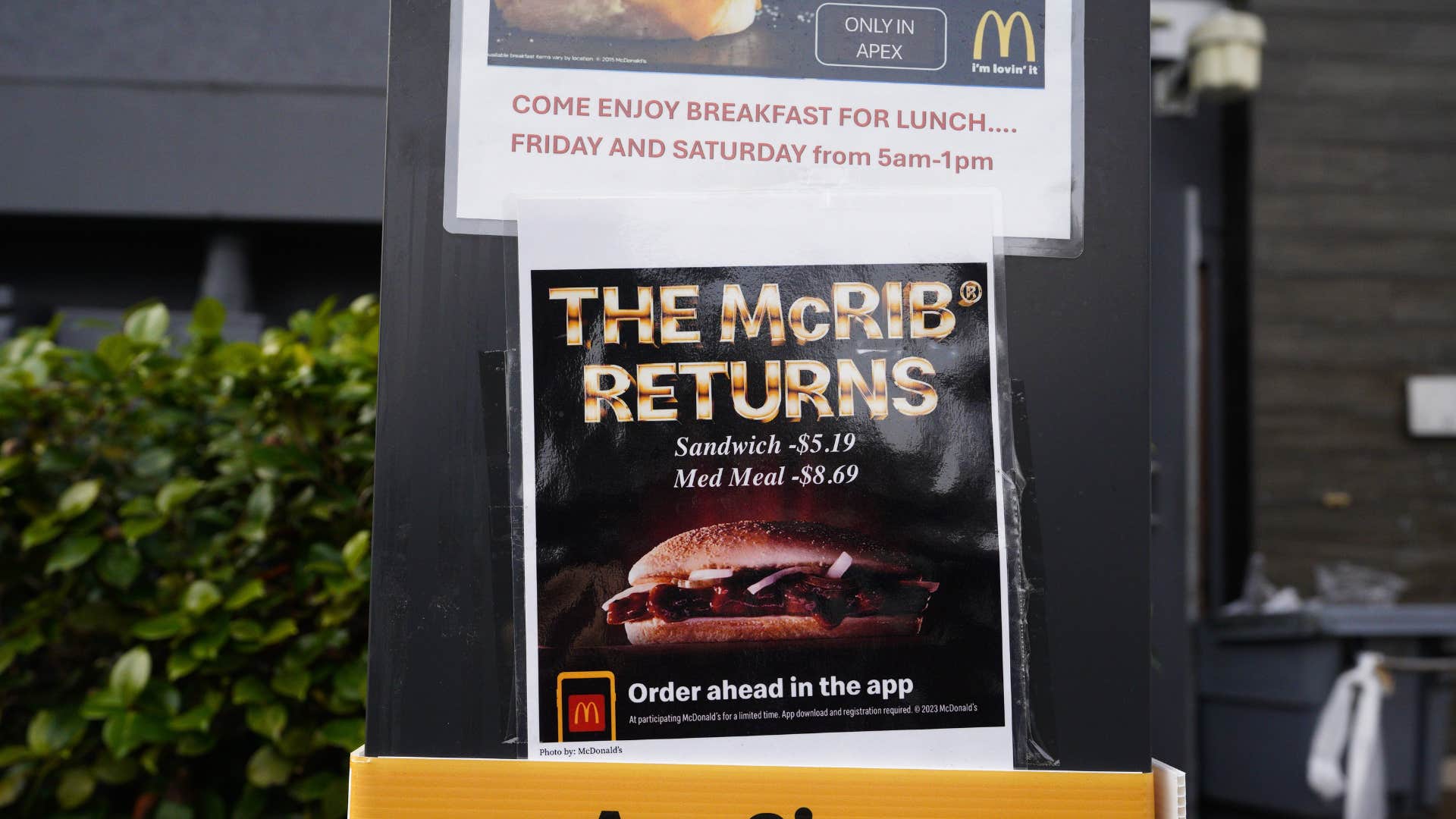
Everyone has one thing from their favorite restaurant they miss. From secret sauces to sandwiches, it sucks when those items are gone for the rest of the year. And while people may not think much of it, restaurants do that on purpose. Knowing these creations are popular, they bring it back every blue moon as a limited-time offer.
When the McRib was brought back, everyone freaked out. Instantly going to McDonald's, they consumed way more than they'd care to admit. So, when restaurants justify bringing back our favorite foods as a limited-time offer, it's just another secret way they make people overeat without knowing it.
7. Menu manipulation
 AnnaStills | Shutterstock
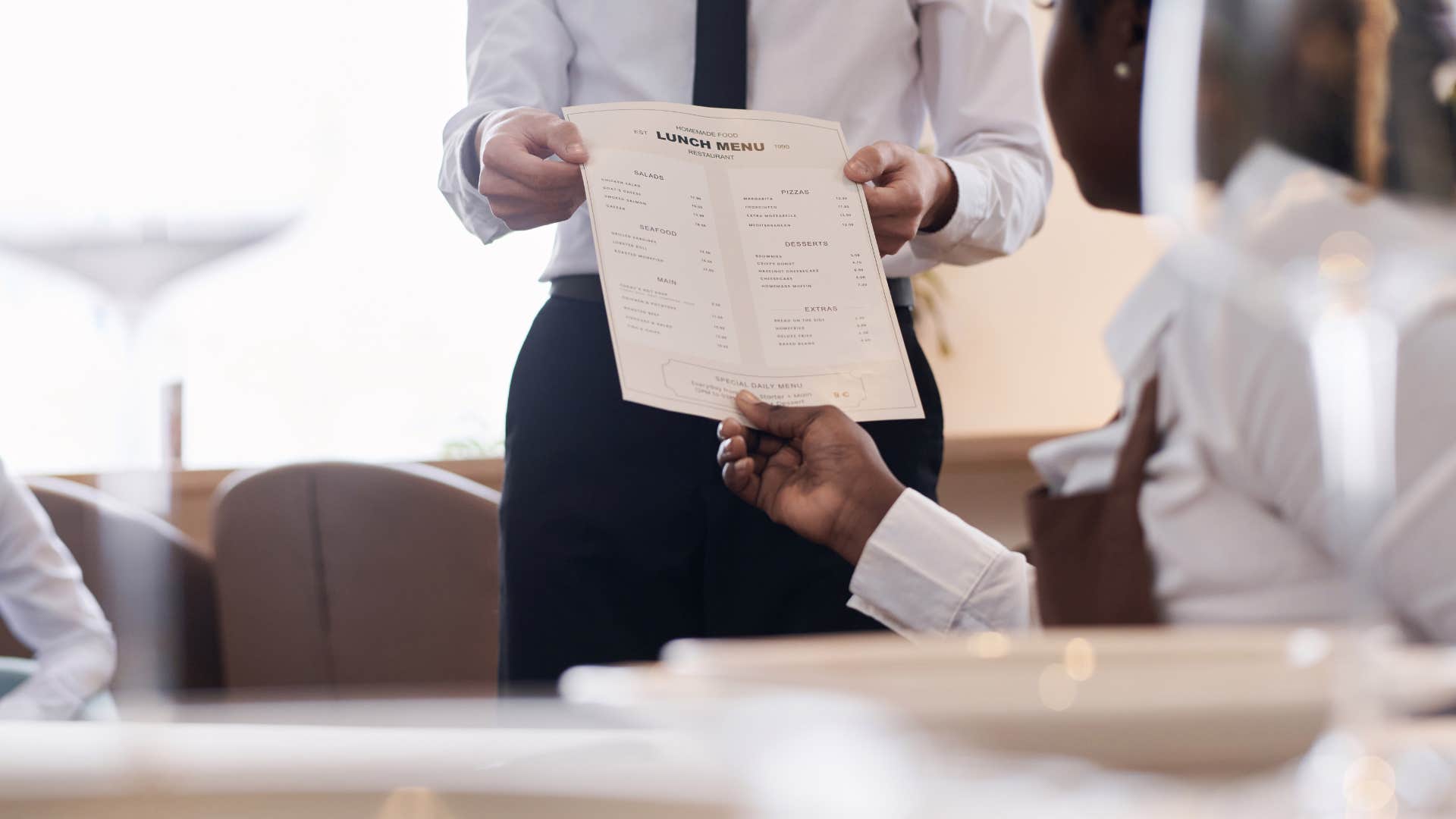
Most people don't think twice when looking at a menu, but restaurants are sneaky about getting customers to eat more by manipulating that menu. As science and climate journalist Jessica Hullinger explained, even the placement of an item on a menu can cause people to behave differently.
Whether it's far too many options, high-calorie foods being highlighted more, or calorie placement, menu manipulation is yet another way restaurants control the way customers eat.
8. All-you-can-eat pricing
 Kzenon via Canva
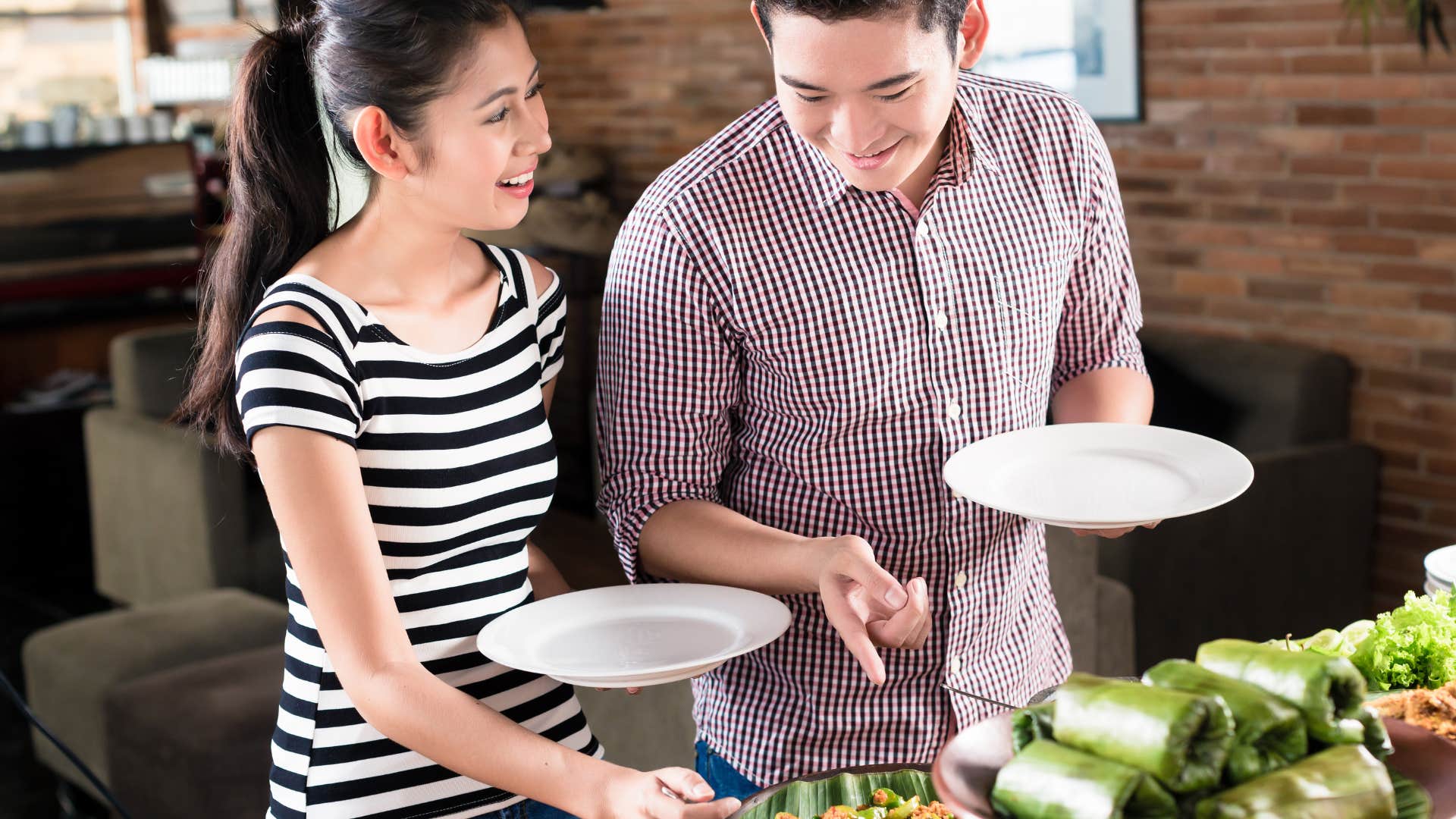
After a family gathering or attending a church service, it's customary to go out to eat. Needing sustenance and socializing, one of the most popular places to visit is a buffet. Looking at the prices and seeing it as an all-you-can-eat option, it's normal for people to overindulge so they can get their money's worth.
While it sounds good in the moment, all-you-can-eat pricing is just another way restaurants trick their customers. As associate psychology professor Eva Krockow revealed, "With unlimited amounts of food and a multitude of different dishes to try, it’s certainly tempting to keep re-filling that plate... The constant visibility of food presents a strong sensory trigger, which — combined with a noisy, distracting surrounding — can easily induce you to consume larger portion sizes and unhealthier dishes than normal."
9. 'Light' food options that aren't actually low-calorie
 Robert Kneschke via Canva
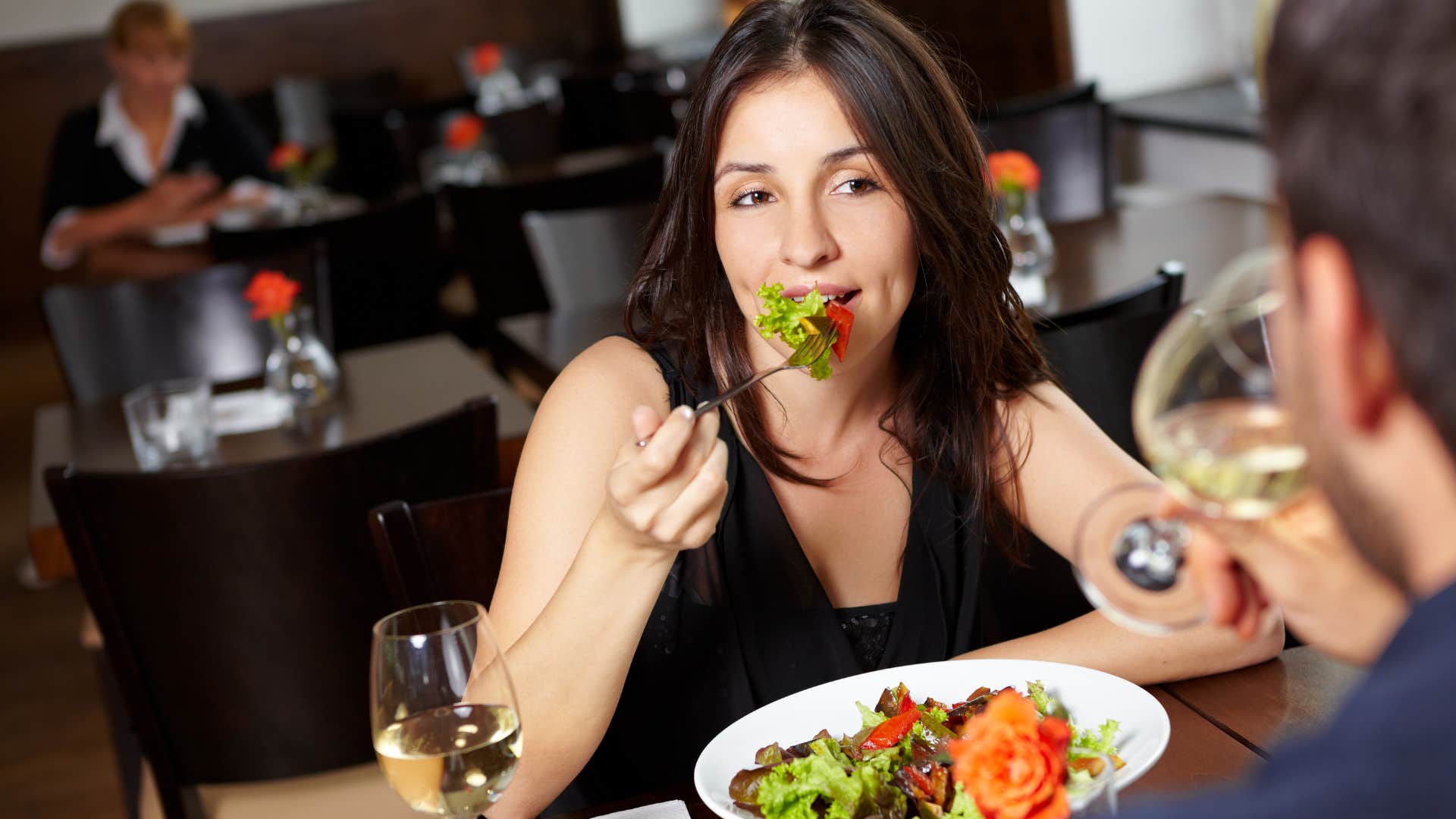
Some people try to eat healthy, remaining conscious of the food they're consuming and opting for lighter options. Whether it's a salad or a healthy yogurt parfait, it's evident they'd steer clear of fast food options. But when they go to a restaurant and choose something that appears to be lighter in calories and high in nutrition, it's not actually true.
From 700-calorie salads to highly sugared smoothies, light options aren't healthy. According to registered dietitian Jennifer Major, this is because of all the add-ins. From heavy salad dressing to fried over grilled meat, it makes the overall meal much higher in calories.
10. Tiny add-ons
 SALMON-STOCK | Shutterstock
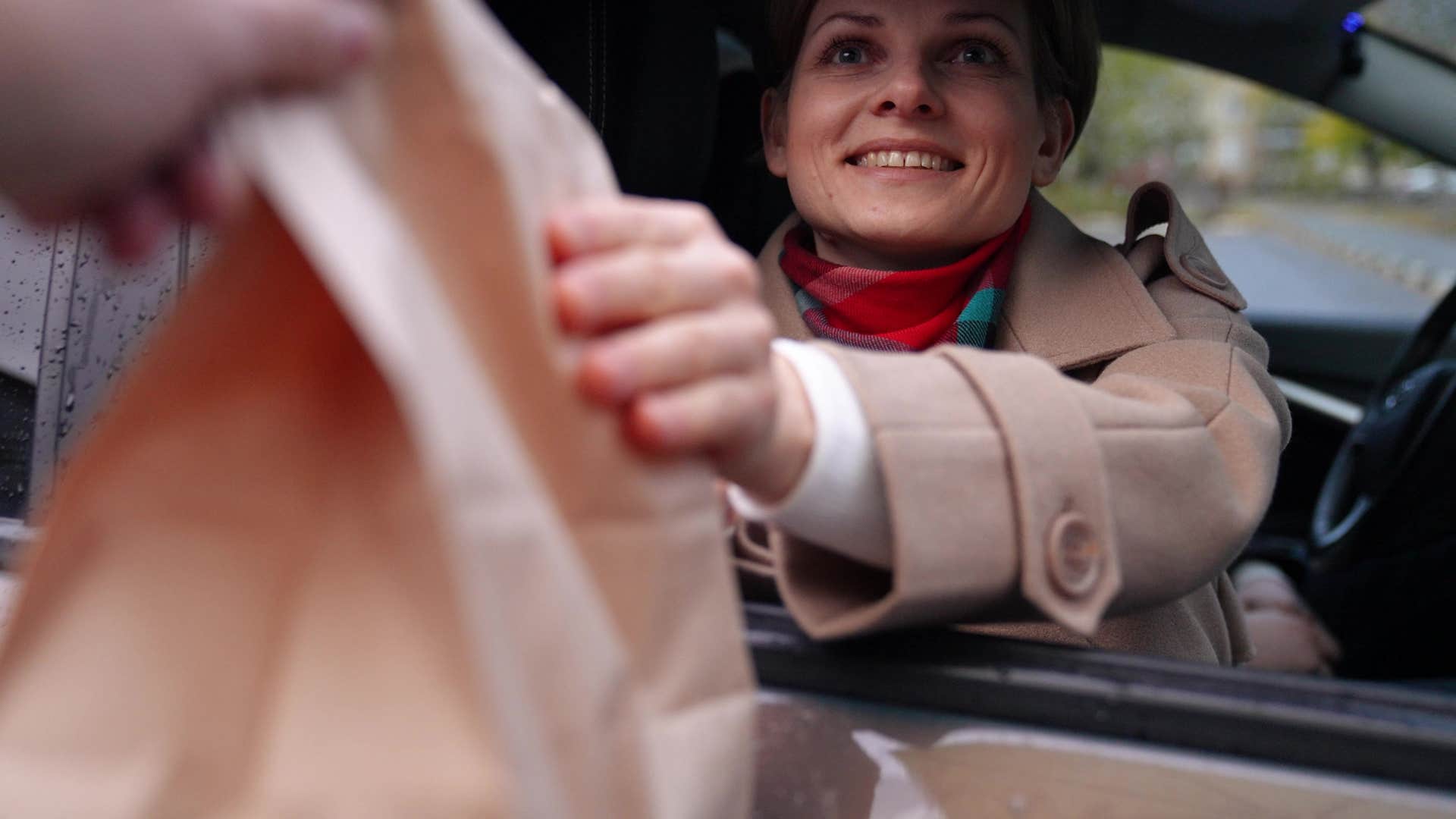
When people go to the drive thru wanting a cheeseburger, they're often put on the spot. In a line with multiple people behind them, it's easy for them to ask for the burger to have "everything" on it. However, this is why it's important to do your research before going to a restaurant.
Even if an add-on is free or cheaply priced, it doesn't mean it's always worth it. Especially if someone is looking after their health, being mindful and consistent can prevent overeating altogether.
Marielisa Reyes is a writer with a bachelor's degree in psychology who covers self-help, relationships, career, family, and astrology.

