
Highly Intelligent People Usually Keep 11 Very Specific Things In Their Homes
 Rido | Shutterstock
Many people express themselves through their personal appearance and clothing, as they're fundamental to our identities. It all serves a purpose, and for many people, their homes also reflect their internal passions and values.
Smart people usually keep some specific things in their homes, though it's not always to set a certain atmosphere. In fact, those items create ways to protect their emotional and psychological well-being. Because your living space is a collage of your life, and all the habits and events that take place there, it's no wonder why intellectuals surround themselves with particular things.
The very specific things highly intelligent people usually keep in their homes:
1. Clutter or little messes
 Krakenimages.com | Shutterstock
Highly intelligent people tend to leave clutter and occasional messiness in their homes, but those are just two fundamental traits of high-IQ individuals, according to research published in Psychological Science. It's not just creativity and curiosity that sidetracks them from being able to clean up either, as highly intelligent people actually tend to work best in a cluttered space full of inspiration and passion.
Of course, living in a dirty or crowded environment can sometimes stifle creativity and spark more stress than peace. But for high-IQ people, they're not worried about a little mess. It's actually much less likely to cause them anxiety when they're working from a cluttered desk or relaxing in a room in their home.
2. Shelves full of books
 Fast-stock | Shutterstock
While many people might picture the homes of intellectuals as a library of textbooks and informative novels, the truth is that people with high IQs generally read for pleasure, not to acquire tangible knowledge or expertise. In fact, literary fiction and reading for fun is one of the ways intelligent people build their emotional intelligence, practicing skills like self-reflection and even empathy.
You can never truly judge a book by its cover, so the next time you walk into someone's house and there are bookshelves and novels everywhere, consider it something that brings them joy. You may very well have a more balanced and healthy relationship with them because of it.
3. Artwork on the walls
 Branislav Nenin | Shutterstock
According to social psychologist Alexander Danvers, living in a space cluttered with sentimental photos and artwork can spark creativity and boost a person's emotional and physical well-being. It's not just engaging in creative hobbies, but also filling a space with artwork and inventive outlets that are common for people with high IQs to have in their homes.
"Using art to help understand who you are more deeply may both eliminate the need to suppress your emotions and help you reinterpret your experiences and integrate them into your understanding of who you really are," Danvers said. "This may be the most beneficial way that art can affect our emotional lives. It both helps us express ourselves and helps us turn difficult experiences into a part of our own stories."
4. Creative projects and supplies
 Stock-Asso | Shutterstock
According to a study from the Journal of Intelligence, people with high IQs tend to be more creative, indulging in pursuits and endeavors to feed their internal curiosity and passions. Their creativity tends to overflow into their living spaces.
A painter has brushes and canvases in every corner of their home. A person who enjoys yoga and meditation in their free time may have a space for movement or incense around.
It's evident when you're in the home of a creative person, not just because of the clutter, but because they leave traces of their projects and personal interests around for everyone to enjoy.
5. Puzzles
 Leka Sergeeva | Shutterstock
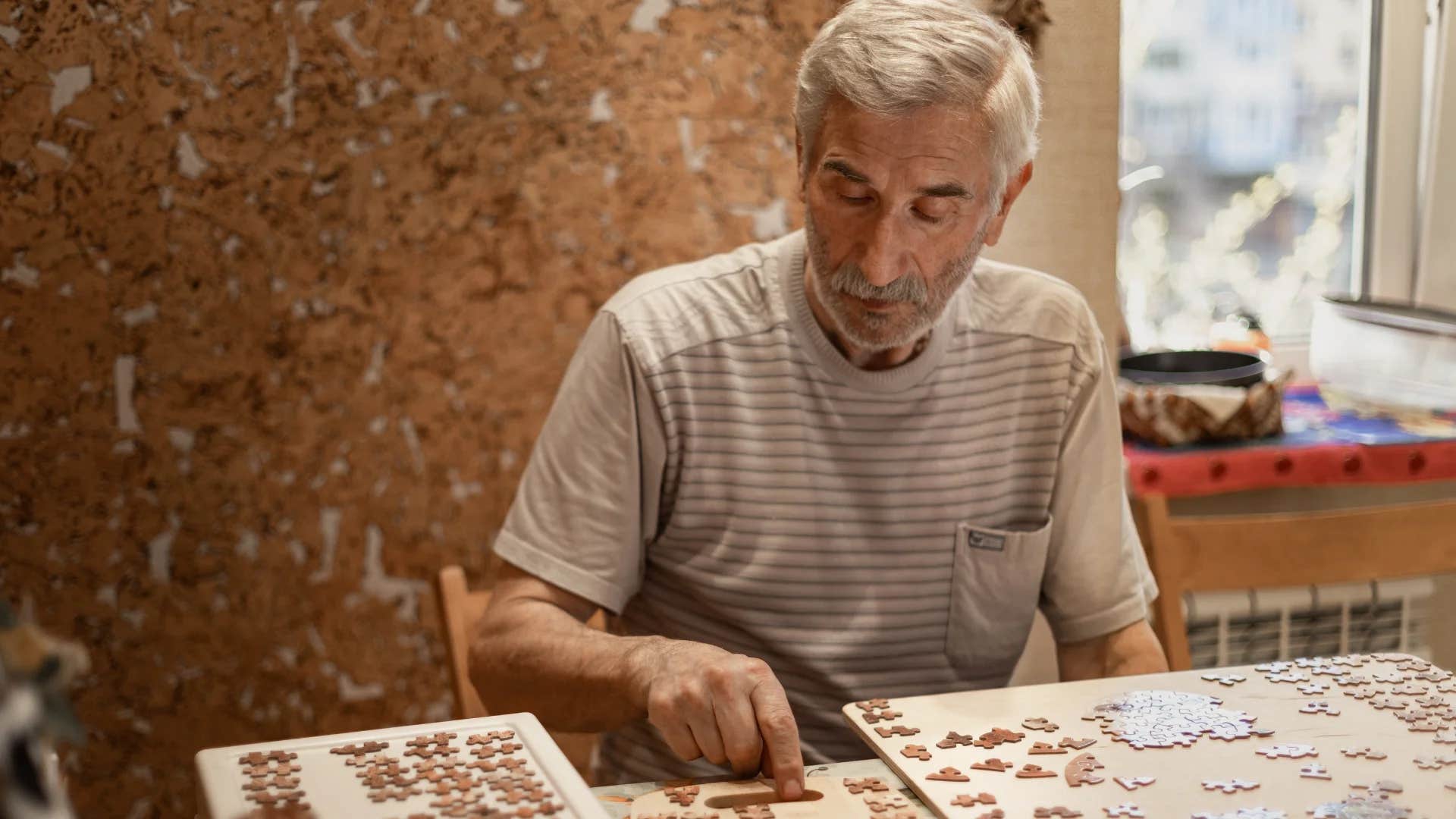
Highly intelligent people usually keep puzzles in their homes, whether it's in a box or sprawled out halfway complete on their dining room table. And it's not just because they enjoy putting together a picture piece by piece.
Doing jigsaw puzzles on a regular basis is a protective practice against cognitive decline, according to a study from Frontiers in Aging Neuroscience. From problem-solving to emotional regulation and self-reflection, there are numerous benefits to keeping puzzles around.
6. Plants and flowers
 popcorner | Shutterstock
Having indoor plants and flowers or greenery in your home can bring a sense of peace and calmness to a chaotic routine, which is exactly why high-IQ individuals make space for them. Whether it's a hanging plant or a seedling, nurturing and taking care of plants is a staple in the home of a high-IQ person.
Unsurprisingly, people who regularly nurture and make space for plants in their homes report better mental and psychological health outcomes than those who don't. So, it's not just about the visual appeal of bringing nature inside, but a cycle of nurturing and caregiving that feeds into a person's mood and intelligence.
7. Musical instruments
 PreciousJ | Shutterstock
According to a 2024 study on music therapy, listening to and making music feeds into emotional intelligence through behaviors like self-reflection, coping with stress, engaging in social bonding, building community, and regulating emotions.
Highly intelligent people usually have musical instruments of some kind in their home, or, at the very least, something that promotes music in their day-to-day routine, like noise-canceling headphones or a radio.
8. Journals for reflection
 PeopleImages | Shutterstock
Journaling is one of the most practical ways to build emotional intelligence and better regulation skills, as well as reflective tendencies in your daily life. So, person with a high IQ always has a journal lying around their home.
Whether they're actively unpacking trauma or simply "brain dumping" on the page to cope with stress or anxiety, high-IQ people practice their emotional intelligence and intuitive nature through journaling, usually on a daily basis.
9. Board games
 Anna Stills | Shutterstock
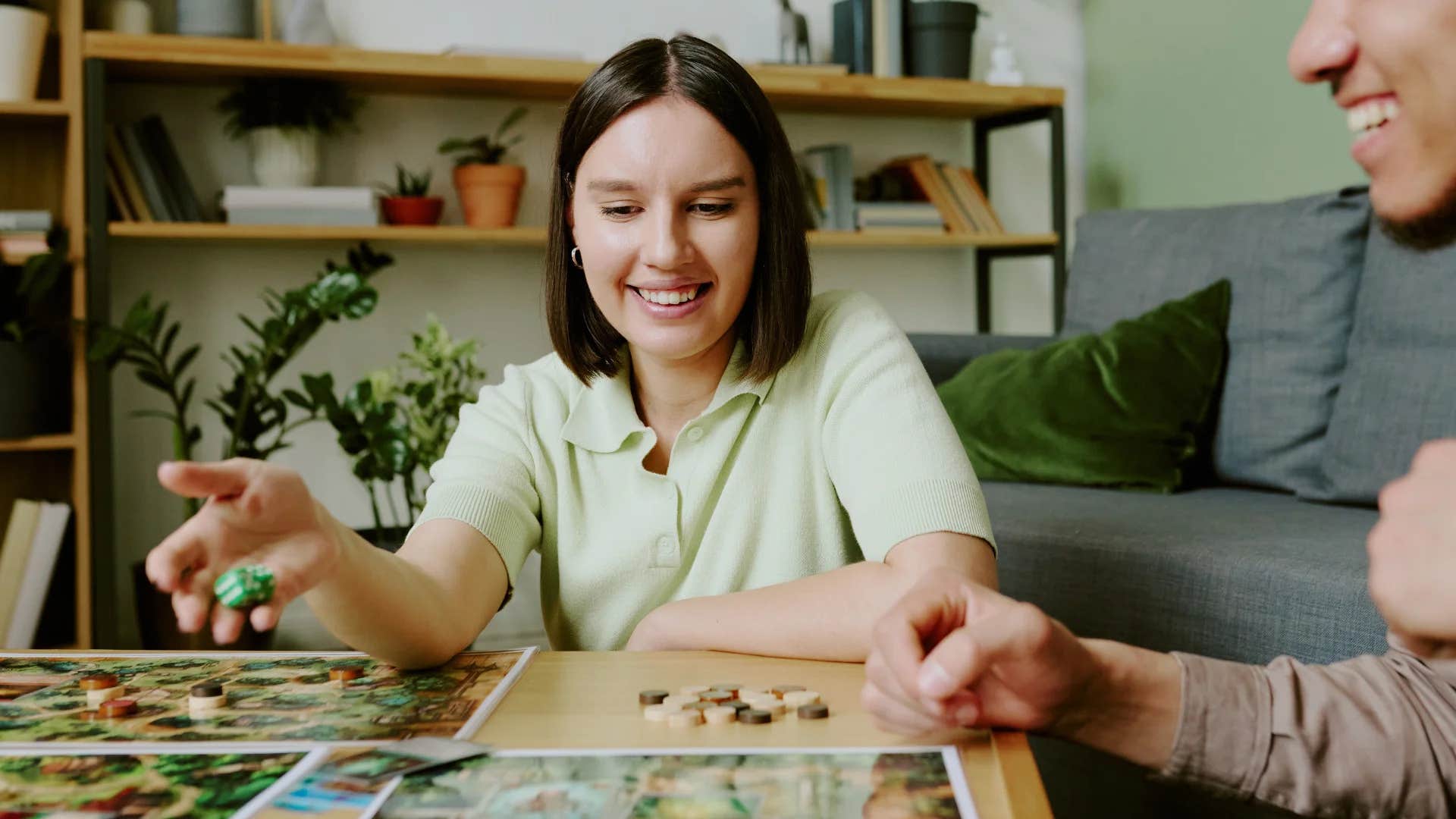
A study published in the International Journal of Game-Based Learning suggests that people who regularly play board games typically have a higher IQ. From building reasoning to practicing conflict resolution and problem-solving skills, even engaging in tense conversations with close friends over a game, highly intelligent people protect their mind even in their free time.
The next time you stumble upon a closet packed full with board games looking for the bathroom in a friend's house, remind yourself that it's a predictor of their intelligence and a practice that builds a number of essential skills.
10. Cozy conversation nooks
 fizkes | Shutterstock
People battling social isolation or poor social connections are at a higher risk for cognitive decline, which is why intelligent people generally prioritize their social lives and interactions to the same degree as their solitude. Of course, most people generally appreciate and benefit from meaningful social interactions more than superficial small talk, so these people tend to have a comfortable and safe space for conversations in their home.
Whether it's a cozy nook with comfortable furniture or an open-concept living space that promotes more social interaction, it's important for people with high emotional and tangible intelligence to have a space that allows them to easily interact and bond with the people in their lives.
11. Herbal teas
 Pixel-Shot | Shutterstock
Habitually drinking tea is associated with better brain cognition and health, especially in aging demographics. So, if a person has a stash of herbal teas or a kettle on their stove, chances are they also have a high IQ, or at least engage in habits and routines that promote and stimulate their brains.
In fact, caffeine generally promotes productivity, but in some cases it can also boost mood and general alertness. For intellectuals, drinking tea isn't just a soothing ritual before bed or a habit of familiarity, it's also a tool to concentrate and focus when they're sleepy or in need of an extra boost of energy.
Zayda Slabbekoorn is a senior editorial strategist with a bachelor's degree in social relations & policy and gender studies who focuses on psychology, relationships, self-help, and human interest stories.

