
True Introverts Don't Care About 11 Things Normal People Always Seem To Worry About
 Olga Kri | Shutterstock
Extroverts are often admired in society for their loudness, confidence, and social skills that make people feel seen and secure. However, introverted people aren’t completely isolated. They also thrive with intentional social interactions like meaningful conversations and deep relationships that most people miss out on.
They can take care of themselves and set their own priorities, even if society has different ideas about what they should be doing. For example, true introverts don’t care about certain things normal people always seem to worry about, like boredom and eating lunch alone, because they know how to manage their energy. They need solitude, stillness, and quietness to recharge, even if it feels scary to an extrovert.
True introverts don’t care about 11 things normal people always seem to worry about
1. Being bored
 Rachata Teyparsit | Shutterstock
Introverted people are often coined “boring” because they’re not socially admired and rewarded like extroverts are in our current culture. They keep to themselves and feed their own well-being, making them less admired by people in society who need attention to feel important.
Ironically, it’s actually these introverts who enjoy and make the most of their boredom, compared to extroverts who tend to fear being alone with their own thoughts for too long. They find hobbies that make them feel secure, boost happiness with strong routines, and figure out how to show up for themselves in healthy ways, rather than relying on other poeple, distractions, and stimulations to do all that for them.
2. Eating lunch alone at work
 MMD Creative | Shutterstock
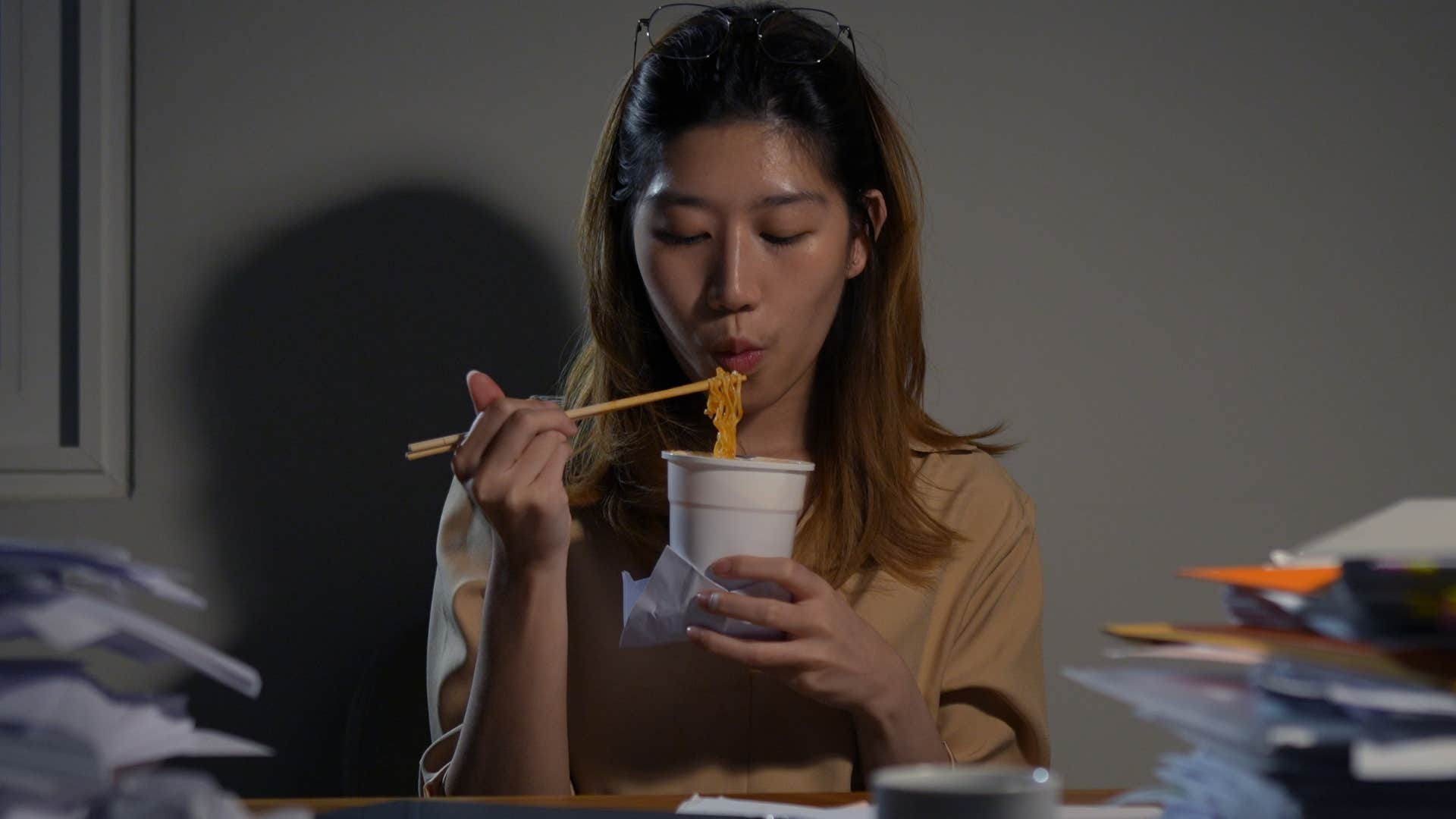
Especially in high-stress, incredibly social jobs, introverts need their pocket of time for a break to be restful. They need privacy, headphones, and a room where they’re not going to be bothered to truly recharge for the last half of the day. Otherwise, they go home feeling entirely exhausted.
That’s why introverted people forced to go out to lunch with co-workers or to share an office with someone to eat often report feeling even more drained in the afternoon.
3. Last-minute canceled plans
 Miljan Zivkovic | Shutterstock
The relief that introverts feel when someone cancels their plans at the last minute is a hundred times more powerful than any kind of disappointment they might feel. Especially considering they often need time to prepare for social interactions, rehearsing conversations, and managing their anxiety, the second someone calls or texts that they need to cancel, all that pent-up stress immediately dissolves.
So, while the average extrovert needs this social time to energize themselves, hence their anger when plans are canceled unexpectedly, introverts can protect their well-being on their own terms, at home, without anyone else needing to show up.
4. Needing to take a sick day
 pics five | Shutterstock
Much like rainy weather or accidents, unexpected illness often gives introverts an excuse to stay home and away from other people. Even though being sick or having a cold is a nightmare to an extrovert who needs to be out in public and with other people to feel secure and energized, for introverts, it may be uncomfortable, but it’s also refreshing.
They’re not expected to show up for anyone or anything. They can feel some relief about not having to interact with anyone at work. They can rest, without guilt or obligation lingering in the corner.
5. Thunderstorms
 fizkes | Shutterstock
Introverts love rainy weather and thunderstorms because it gives them permission to stay home, relax, and do nothing without expectation or guilt. Especially during the summer, when so many introverted people develop a unique kind of seasonal depression where they feel pressured to constantly be outside and around other people, severe weather is a breath of fresh air.
Even though the average person is usually annoyed by rain and bad weather, especially when they have plans and want to get out of the house, introverts love the quiet alone time and respite they offer.
6. Having no weekend plans
 PeopleImages | Shutterstock
Despite pressures to have plans all the time and spend your weekends making cool memories, most of the time, introverts are thrilled by the idea of having a weekend of nothing. Especially if they work a job that demands a lot of time, energy, and social effort throughout the week, the last thing they want to commit to is a crowded party, bar, or social plan that drains them even more.
They’d prefer to make last-minute plans with close friends they don’t have to perform for, or, better yet, spend time alone recharging their social batteries.
7. Being left on ‘read’
 Mix and Match Studio | Shutterstock
Even though they’re technically protected by the barrier of a phone screen, introverts may still be drained by text messages, unexpected phone calls, and group chats that never seem to settle. So, even if the average person is instantly anxious and annoyed when someone leaves them on “read,” introverts appreciate the permission to step away.
They don’t have to keep answering and keeping the conversation going. They can just shut their phone and enjoy the stillness, without a constant stream of notifications coming in.
8. Silence in a conversation
 STOCKEROcr | Shutterstock
Considering many introverted people spend most of their social energy on close friends and meaningful interactions, it’s not surprising that they’re more comfortable with awkward silence. As a 2023 study explains, this space in conversations is less uncomfortable when we’re around people we know and love, compared to strangers and acquaintances.
However, no matter who they’re around, saying nothing and accepting space in conversations, rather than filling every pause with unnecessary language, is a powerful introvert superpower. Not only do they reflect and regulate themselves, but they also help other people feel more comfortable and secure speaking their mind.
9. Running errands alone
 VesnaArt | Shutterstock
Introverts still need and benefit from socializing, even if it’s not in the same ways an extroverted person does. For example, going to a group event, like a baseball game, is enough for many introverted people to experience the joy and community of social events, without needing to feel pressure to interact with anyone.
The same goes for running errands, like going to the grocery store, alone. They can still appreciate their own company and solitude, while feeling seen and supported by community members.
10. ‘Boring’ movies
 PeopleImages | Shutterstock
Rather than appreciating the busyness of action movies or the high-energy vibes of many comedy films, introverted people tend to prefer “boring,” deep, drama films, according to a study from Cureus.
Especially when there’s a lot of emotional build-up and less constant dialogue, they can spend time and energy appreciating the score, scenery, and cinematography, even if the average person is sufficiently bored. When they’re alone, they truly do enjoy the stillness and predictability of these comfort movies, despite most people constantly looking for newness and excitement.
11. Not having holiday plans
 Ilona Kozhevnikova | Shutterstock
Being around distant family members and feeling obligated to endure endless small talk at parties during the holidays are nightmares for introverts. Especially when forced to spend the night, carpool with other people, or have the same kinds of conversations with a million different people throughout the night, it’s a season when introverts often feel drained and exhausted.
So, even if it's scary for the average person to imagine not having holiday plans and needing to spend it at home with their own company, for an introvert, that might be ideal. They're socially anxious by any means, they’re just quickly drained by superficial conversations and interactions that don’t provide any kind of value or energy.
Zayda Slabbekoorn is a senior editorial strategist with a bachelor’s degree in social relations & policy and gender studies who focuses on psychology, relationships, self-help, and human interest stories.

