
Women Who Always Seem To Be The 'Emotional Support Friend' Usually Had 11 Experiences Normal People Didn't Have
 Lithiumphoto | Shutterstock
Many women, who already take on emotional burdens and obligations in their romantic relationships, may also adopt the “therapist friend” role if they’re sensitive, empathetic, and emotionally intelligent. Even in good-intentioned conversations and with truly lovely friends, sometimes it feels impossible to adopt this role, especially if you seem to have the “wisdom” of reflection and perspective, compared to other people in your life.
Women who always seem to be the “emotional support friend” usually have experiences normal people didn’t have. Of course, these conversations and supportive behaviors are sometimes fulfilling and bonding, but most times, these women end up feeling exhausted and drained from having boundaries chronically overstepped.
Women who always seem to be the ‘emotional support friend’ usually had 11 experiences normal people didn’t have
1. They were forced to mature early
 Gladskikh Tatiana | Shutterstock
While emotional intelligence and independence do tend to feed into a greater well-being in adulthood, for children who were forced to build these skills from parentification too early, chances are they struggle with finding a balance. They’re the “therapist friend” in their friend groups because they have a great sense of emotional intelligence, but chances are they had to mature out of survival early on to cultivate it.
They were the third parents as eldest daughters or thrown into tumultuous household situations and forced to mature. And while their emotional intelligence is far beyond others now, it wasn’t necessarily cultivated out of peace and secure growth.
2. They were praised for being a peacemaker
 DimaBerlin | Shutterstock
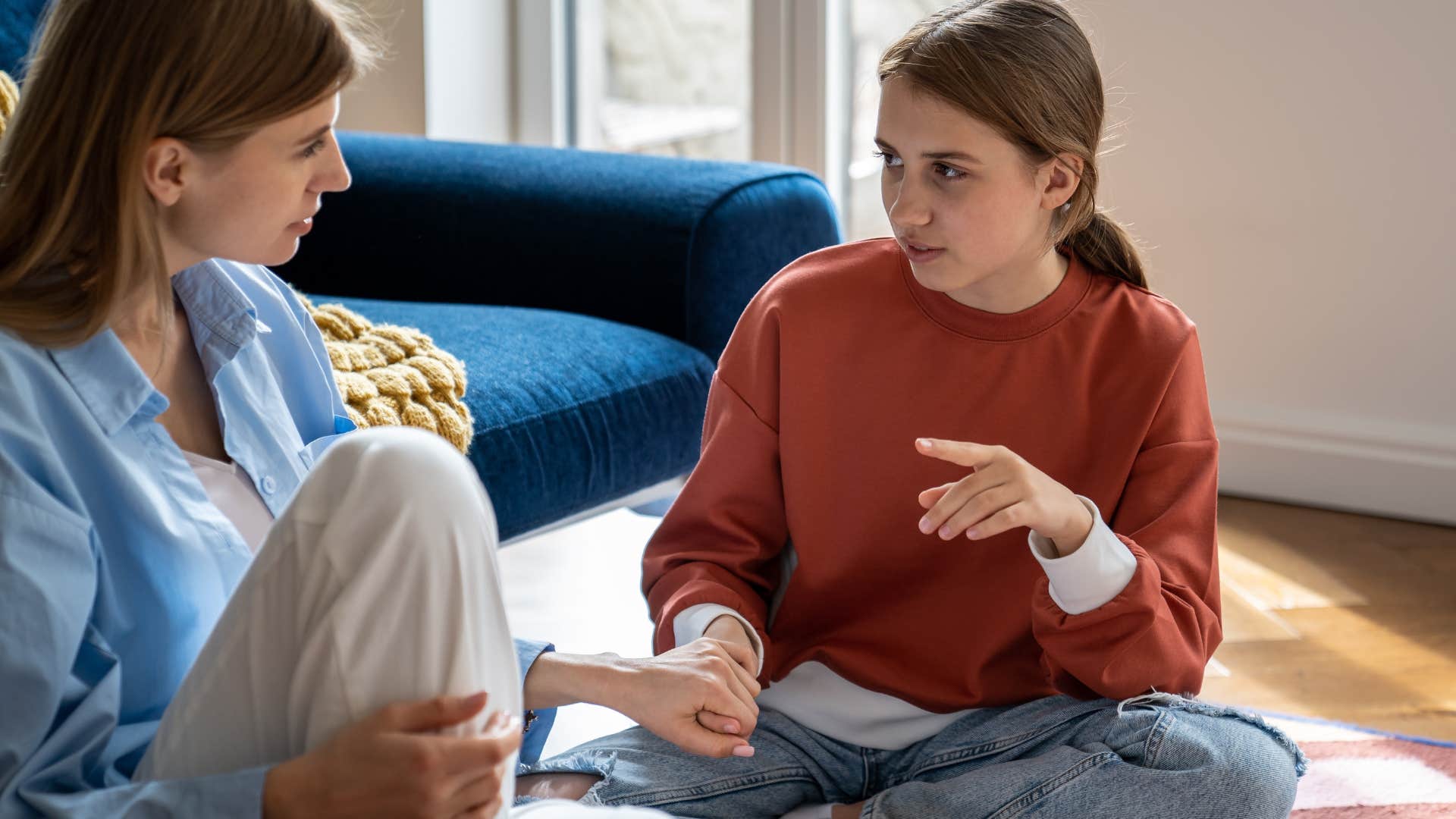
As children, many people who are overly emotionally intelligent or empathetic as adults were the “peacemakers” of their household. Even if it meant putting their own needs and feelings aside, they protected the peace of their family by regulating their parents' emotions or being a mediator during conflict. That pattern is still alive and well today in their “emotional support friend” role.
Of course, friendships with a reciprocal kind of emotional support tend to keep us healthy and happy in adulthood, but when someone is putting in effort without having a safe space to receive it in return, it becomes entirely one-sided.
3. They learned to read energy before understanding their own
 MAYA LAB | Shutterstock
If someone grew up in a space where they had to keep the peace and walk on eggshells, their trauma has informed a kind of hypervigilance and social awareness today. They had to learn to notice and read other people’s emotions before they even had a safe space to understand and feel their own.
So, as adults, when they notice a friend is upset or struggling, they can’t simply ignore it. They open up conversations and do their best to “keep the peace” in new ways, even if it means they’re still suppressing and pushing down their own.
4. They felt like love was transactional
 fizkes | Shutterstock
Growing up with transactional parents teaches kids that their “worthiness” of love, affection, and respect comes from offering something themselves. Their self-worth is tied to service, and if they’re not helping and doing things for others, they feel less worthy of things that should be unconditional in healthy relationships.
Women who are always the “emotional support” or “therapist” friend in their social circles may have experienced this as children. They felt like they had to prove themselves worthy of love and appreciation by offering their emotional services, and it’s stuck.
5. They learned to suppress feelings
 imorarash | Shutterstock
Whether it was due to people-pleasing behaviors or selfish, narcissistic parents, many kids who learned to suppress their feelings and emotions during the most impressionable years of their lives struggle to open up and share them now. They missed one of the most important windows of practicing emotional intelligence, learning to regulate themselves, and verbalizing emotions, and now, they feel safer pushing them away.
As the “emotional support friend,” these women can cope with that desire to suppress their own feelings by hyper-focusing on others. Even if it ends up harming their emotional and physical well-being in the long run, these conversations and offers of support can feel like the perfect distraction in the moment.
6. They had toxic friends in the past
 Bricolage | Shutterstock
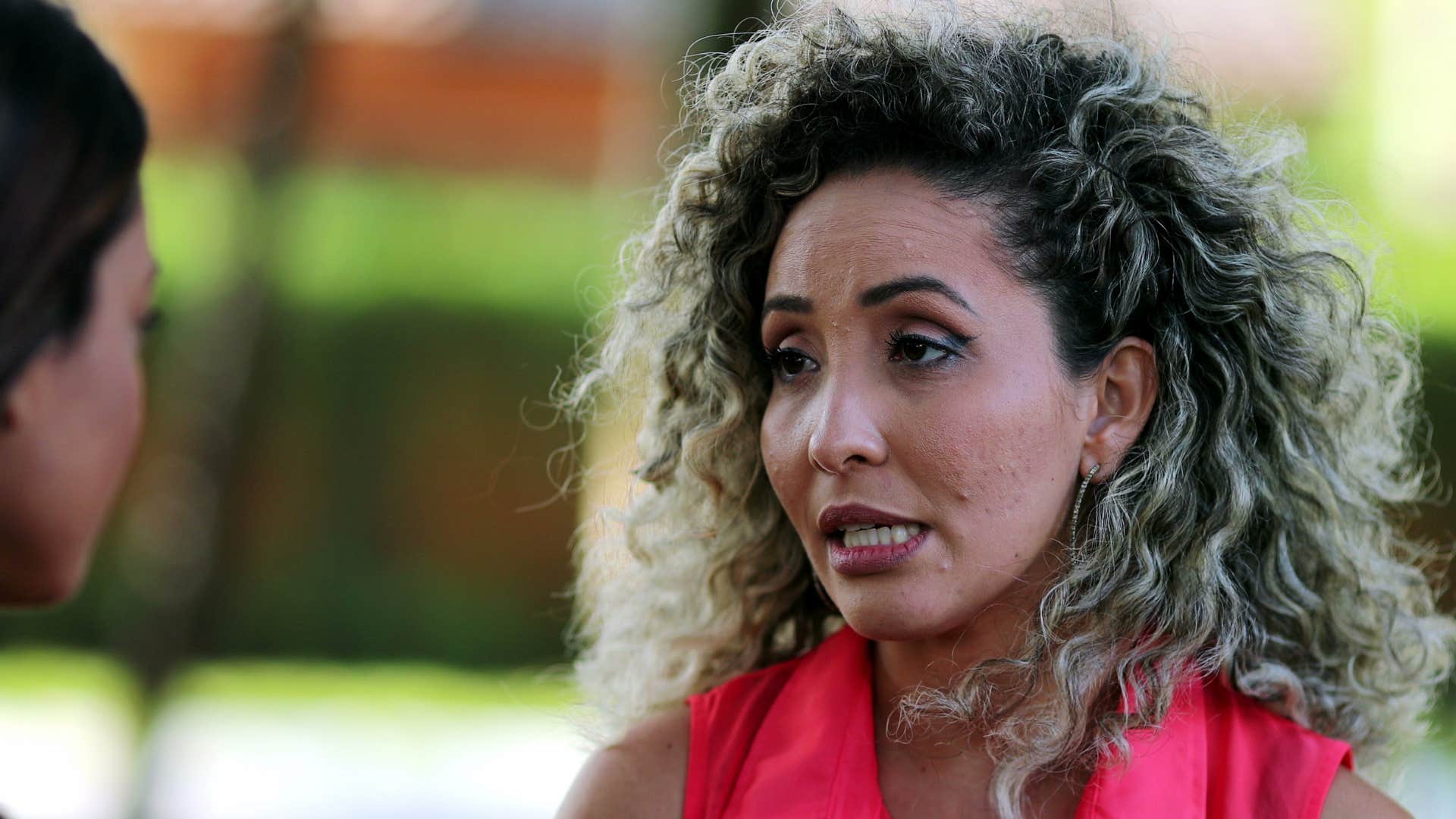
Much like toxic romantic relationships can anchor us in place of perceived unworthiness and shame, toxic friendships can greatly alter the way we show up for future platonic connections. Whether it’s overstepping boundaries or manipulating us into misguided routines, women who always seem to end up being the “emotional support friend” in their circles may be coping with a toxic friendship from their past.
Even if it’s not entirely noticeable to others, they’re compensating in some ways for being taken advantage of or manipulated. Especially if this trauma is fresh or unresolved, they may associate their sense of worth with the misguided expectations that a toxic friend placed on them, prompting these people-pleasing behaviors.
7. They grew up as outsiders
 nimito | Shutterstock
Considering the shame, social pain, and loneliness that come from feeling like an outsider, especially over the course of impressionable childhood years, is so intense, it’s not surprising that many adults are still behaving and operating in a way to mitigate the damage.
Whether it’s over-apologizing for their sheer presence or people-pleasing when they notice someone is upset, women who always seem to be the “emotional support friend” may be stuck in a cycle of winning people’s appreciation and love.
They’re lonely, or at least suffering from the trauma or being excluded as a child, and relying on interactions with friends as a means of proving their worthiness. Even if it’s entirely subconscious, they worry about sharing their own struggles on top of helping others, because they don’t want to be a burden.
8. They’ve never felt empowered to prioritize themselves
 Perfect Wave | Shutterstock
Whether it was growing up in a home where parents or a sibling got all the attention or struggling with chronic insecurity, women who end up supporting their friends constantly without any effort in exchange never felt empowered by others to put themselves first.
They were validated by giving to others, but never offered the chance to practice self-empowerment and ask for help. So, they continue to struggle with unbalanced relationships and emotional suppression today.
9. Their parents were radically empathetic
 MAYA LAB | Shutterstock
Considering kids often soak up and adopt their parents' empathy levels, in many cases, it’s not surprising that a woman with radically empathetic parents would lead with similar priorities in adulthood. Whether it was regularly giving to others at the expense of their family or even rewarding selflessness at every turn, these women were socialized into giving without carving out space for themselves.
Now, in their friendships and relationships with others, they can’t help but put their own needs to the side and help. They regulate other people’s feelings and show up at inconvenient times, even if they’re getting nothing in return.
10. They learned to chase being liked
 Stock Unit | Shutterstock
Women who grew up in households with parents who were inherently insecure and transactional often learned to seek out approval, attention, and validation from others. They learned to tie their self-worth to how they liked themselves by others, which ultimately chipped away at their sense of self and authenticity over time.
Now they care more, even if it’s subconsciously, about being liked and valued by others, instead of prioritizing their own boundaries and well-being.
11. They’ve never had a safe space
 Perfect Wave | Shutterstock
From missing out on opportunities to practice getting comfortable with their own company to never having a safe space at home growing up to express themselves, people who have felt chronically unsupported may rely on helping others to feel seen. If they can emotionally support a friend or act as a “therapist” in their social circles, they can feel indirectly supported, even if they’re never offered that same effort they give.
They’re always looking for validation and external approval from friends and peers because they don’t have a sense of internal gratification themselves, largely because of how they were raised.
Zayda Slabbekoorn is a senior editorial strategist with a bachelor’s degree in social relations & policy and gender studies who focuses on psychology, relationships, self-help, and human interest stories.

