
Women Who Have Felt Alone Most Of Their Adult Lives Often Develop These 11 Specific Traits
 HI_Pictures / Shutterstock
While feeling misunderstood and alone in life can often spark complex feelings of stress, rejection, and emotional pain, having to get better acquainted with your own company can be a superpower. As you get older, learning to deal with things on your own can be an opportunity to gain more fine-tuned resilience, self-reliance, and awareness than you otherwise might.
Women who have felt alone most of their adult lives tend to develop certain beautiful, specific traits as they get older because they’re not seeking validation or attention from superficial relationships, but rather leaning into experiences they know will bring value. It’s a learning curve to battle feeling misunderstood, but with the right tools and intentions, it can blossom into something incredibly fulfilling.
Women who have felt alone most of their adult lives often develop these specific traits
1. They’re authentic and unconventional
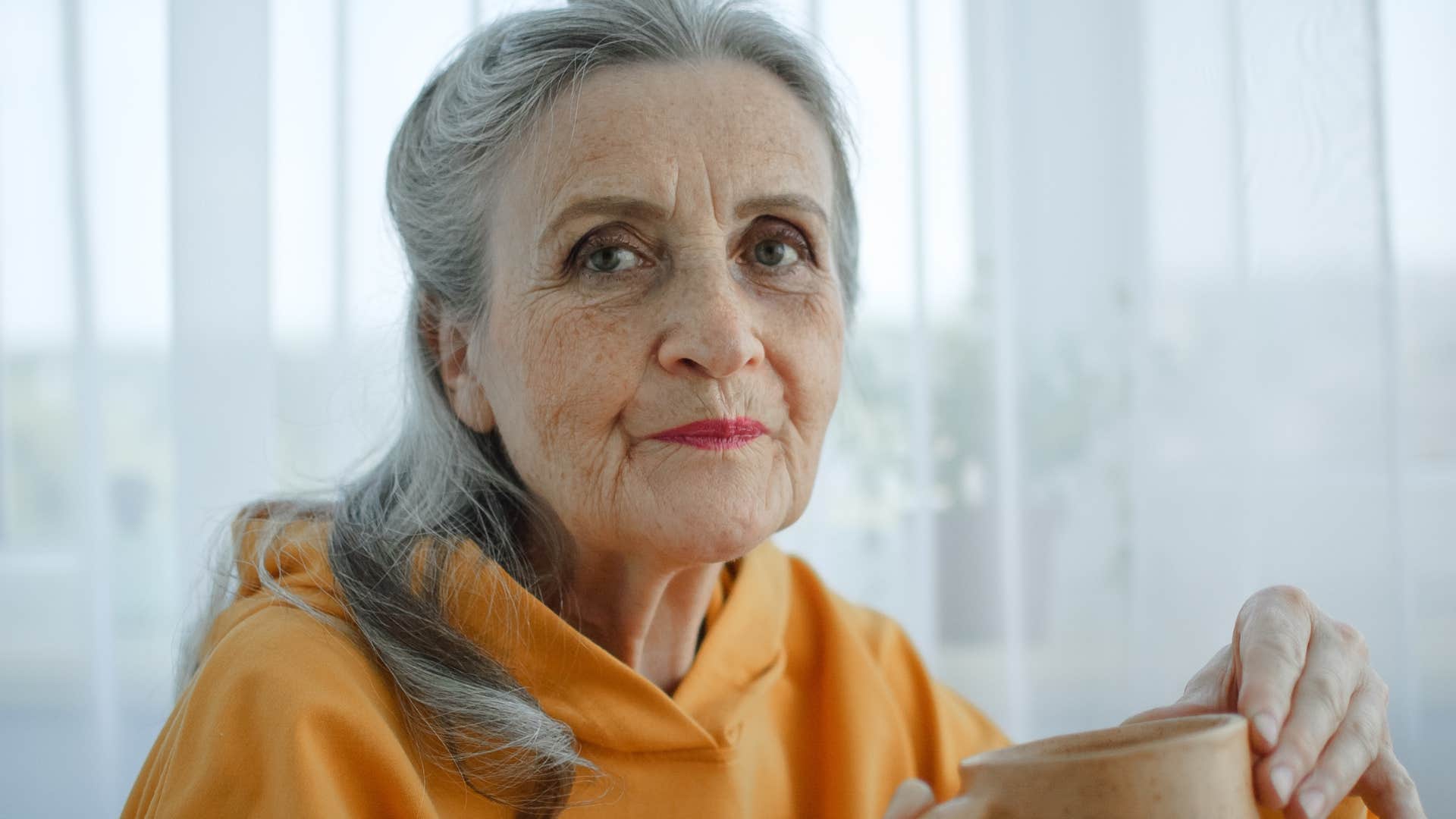 OlgaLucky | Shutterstock.com
People who’ve had to look internally for validation and spend lots of time alone are more likely to boast authenticity. Their lifestyles and hobbies might be unconventional, but they live life with their own needs in mind. They don’t search for constant validation to find themselves, but instead use their alone time to craft their own unique interests, habits, and identity.
Compared to many people who search for belonging by following trends or copying others' lifestyles, women who’ve felt chronically alone and misunderstood craft their lives authentically, by their own standards.
2. They become incredibly independent
 Monkey Business Images | Shutterstock.com
Women who’ve felt alone most of their lives are no strangers to solitude and spending time in their own company. However, alone time isn’t always bad. In fact, it’s part of the reason why these women know how to be independent and self-reliant today.
They’ve handled life on their own terms for a long time, so they know how to self-reflect, meet their own needs, and show up in life without anyone else’s validation or attention.
3. They’re observant in social situations
 Jacob Lund | Shutterstock.com
When someone’s used to being on the outside of social interaction and ostracized from communities, it’s not uncommon for them to be more observant. Whether this behavior is rooted in anxiety, like worrying about perceptions and judgment, or a desire for connection and trying to find shared experiences, not being fully seen often makes people resort inward.
While being excluded is often painful, being an observant person is actually a superpower. Not only is it an admirable way to appreciate quietness, but it’s a skill that allows people to read a room, sense energy shifts, and support complex emotions during difficult times.
4. They prefer depth over convenience
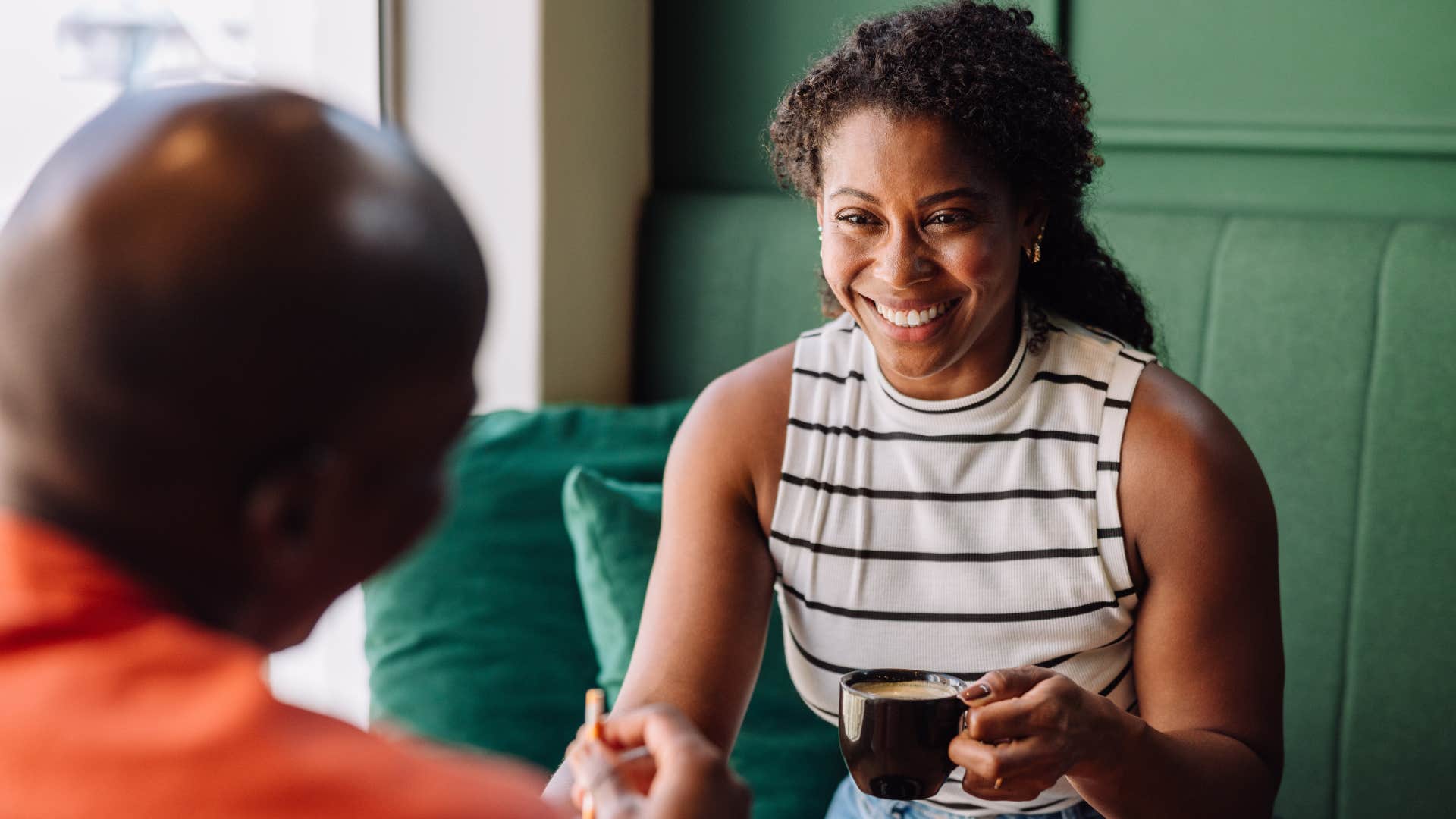 JLco Julia Amaral | Shutterstock.com
In our modern convenience culture, it’s no surprise that many women who seek depth and meaning from life are feeling chronically misunderstood. They prefer deep conversations over small talk, intentional vulnerability over easy avoidance, and hard work over mindless distractions. They care about putting in effort and having it intentionally reciprocated.
They’ve felt alone most of their lives because they don’t tolerate superficiality and a lack of effort, and their standards require people to show up in ways that aren’t always easy. However, their preference for depth is part of the light to feeling misunderstood. They know they can spend time alone and appreciate their own company without having to make concessions in their relationships and connections.
5. They entertain themselves
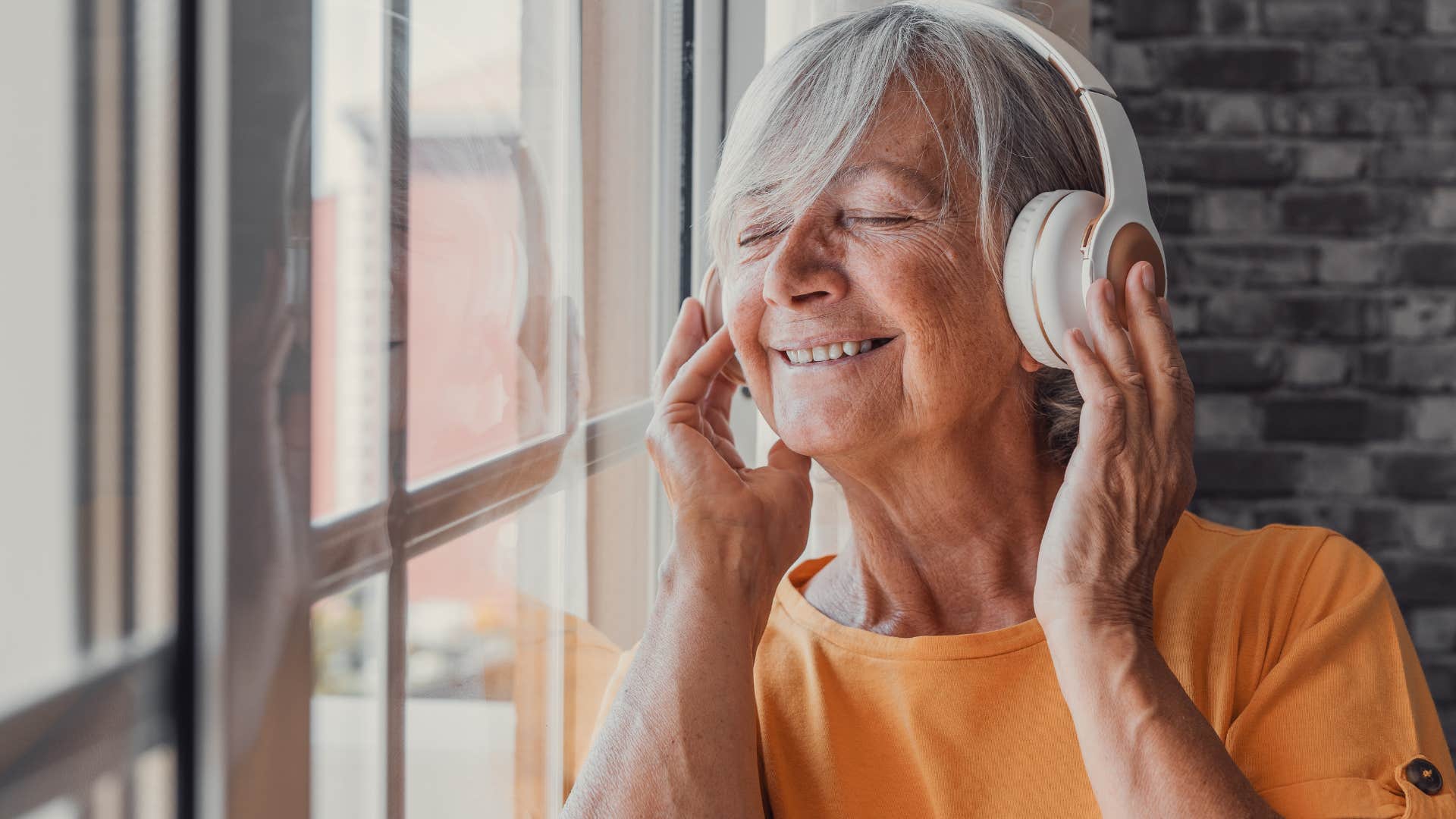 Perfect Wave | Shutterstock.com
Women who’ve spent their lives feeling lonely and misunderstood have been forced to spend a lot of time with themselves. While it’s not always easy to embrace solitude or to be comfortable spending time in one's own company, these women have learned to entertain themselves with hyper-personal rituals, habits, and hobbies.
According to a study from Harvard Health, these hobbies don’t just boost individuality and identity, but they also directly benefit personal well-being, happiness, and general health. The more time someone has to play around with hobbies and figure out their own personal interests, the more grounded and assured they are to build strong relationships socially.
6. They’re motivated and disciplined
 JLco Julia Amaral | Shutterstock.com
Without other people to boost their sense of discipline or motivate them through community, women who’ve spent most of their time alone had to learn to motivate themselves. They crafted their own goals, set up their own routines, and made space for progress without seeking attention or validation from others to make it count.
Especially when their social ostracism flared into stress and anxiety, those emotions offered them a sense of understanding about themselves. They could follow their anxiety into motivation and change, compared to the average person who might prefer to distract themselves from it with interaction and busyness.
7. They can sense other people’s energy
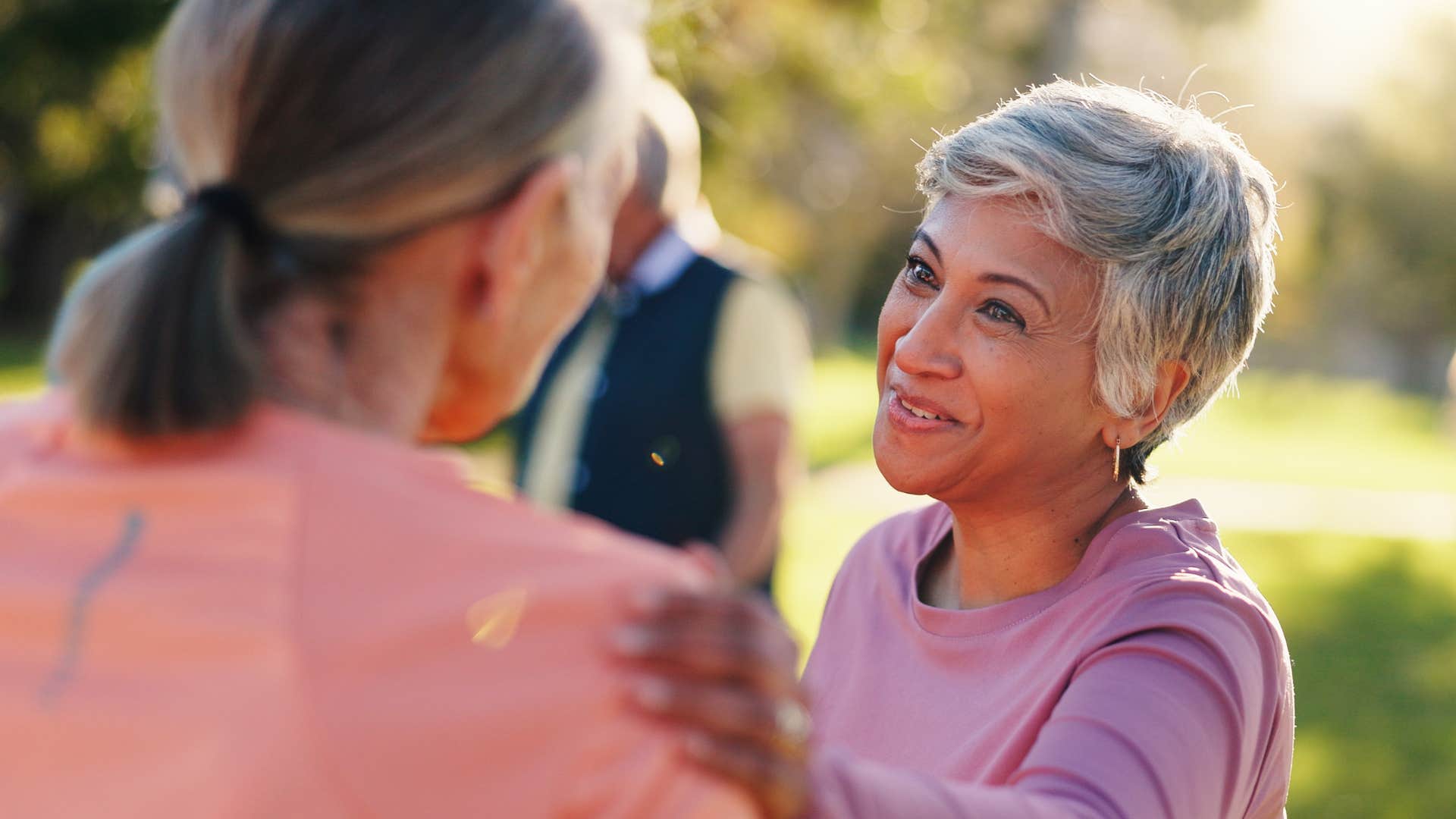 PeopleImages | Shutterstock.com
Beyond being generally observant of the world around them, women who’ve spent their lives on the sidelines of social interactions are better equipped to sense other people’s energy. Especially if they spent their lives worrying about other people’s judgments and perceptions, they’re already acquainted with picking up on social cues and the energy of conversations.
In their lives today, even after they’ve built a life and relationships for themselves, they’re still socially aware. It’s a habit that they can’t seem to stop making space for. From reading into body language and noticing when someone else is being left out, they’re always noticing the little things other people miss.
8. They are guarded
 PeopleImages | Shutterstock.com
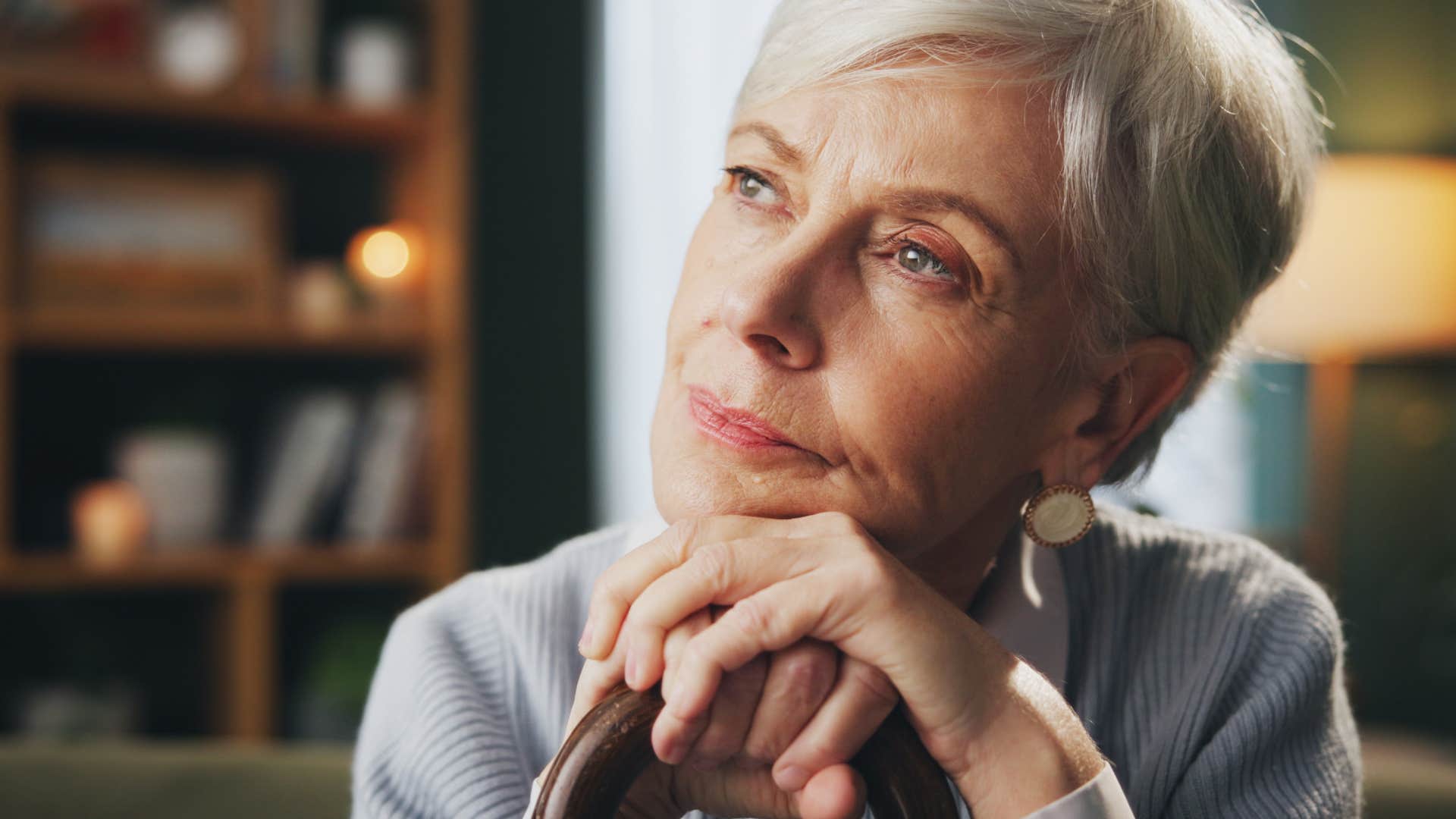
A greater sense of trust in our interactions and relationships often boosts connection in every aspect of life, according to psychology coach Diane E. Dreher, and yet, many people who’ve experienced adverse childhood experiences and toxic social dynamics struggle to wear it on their sleeves. They’ve been socialized into believing that they’re less deserving of other people’s attention, and even if they’ve addressed that concern, they may still be guarded and operating from a place of fear.
From a fear that they’re going to be abandoned to a discomfort with embarrassment or rejection, they don’t easily trust people unless they have a plethora of evidence to suggest that they’re safe.
9. They have a rich sense of imagination
 shurkin_son | Shutterstock.com
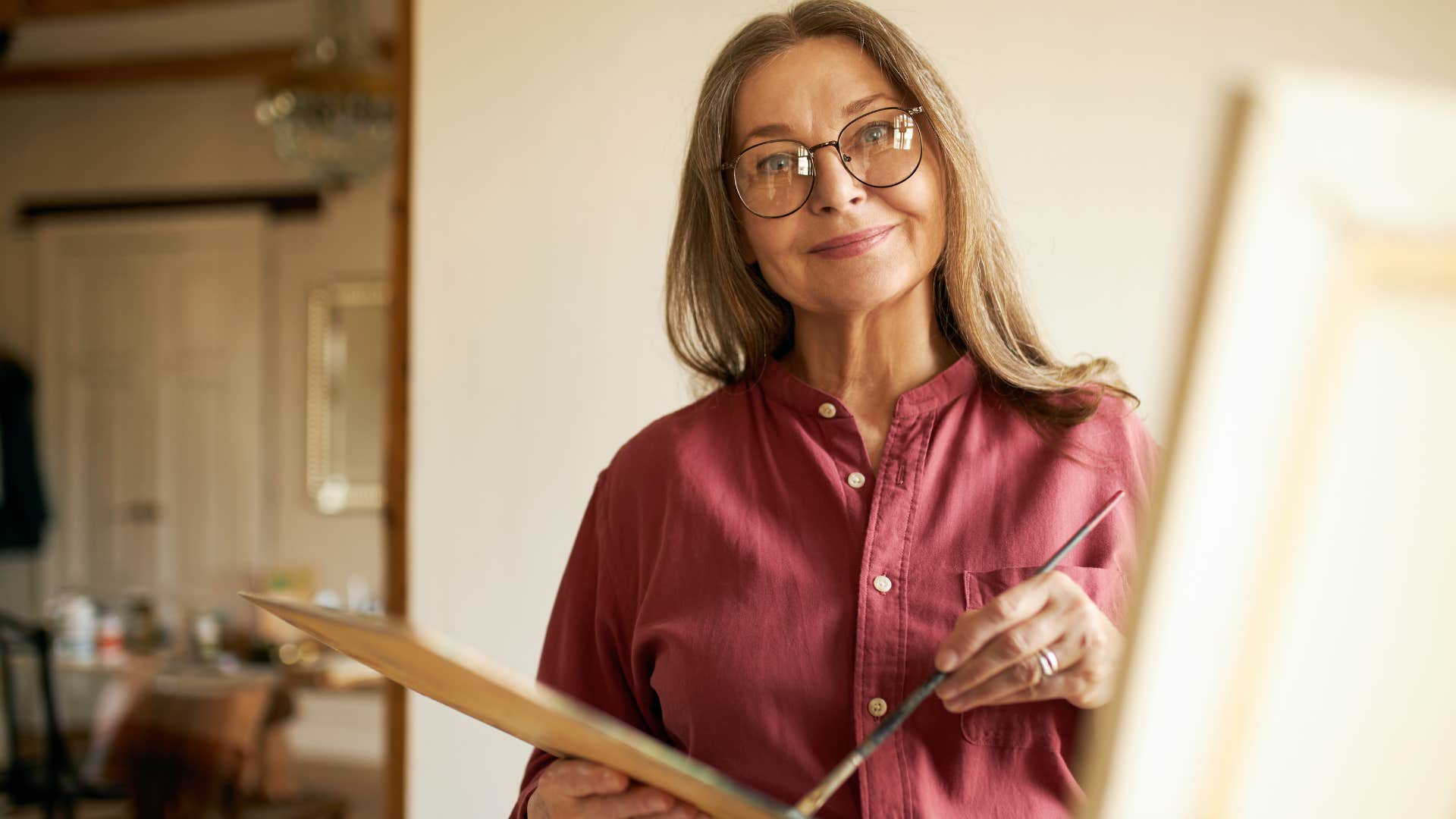
Considering creativity often thrives in alone time and idle space, according to a study published in the Creativity Research Journal, it’s not surprising that women who’ve spent most of their lives alone are naturally creative and imaginative. They have rich inner worlds to entertain themselves and endless alone time to practice creative hobbies and habits.
In some ways, without the pressure of social influences and the desire to find belonging with misguided trends, their creativity is authentic. It comes from a place of true identity and individuality, often because it’s never created or shared with the world.
10. They’re calm under pressure
 PeopleImages | Shutterstock.com
With the emotional regulation and self-awareness that come from spending a lot of time alone, it’s not surprising that these kinds of women are calm under pressure. They’ve dealt with the intensity of feeling misunderstood for most of their lives, so they’re not stranger to operating in chaotic, stressful, or overly emotional situations.
That’s part of the reason why emotional intelligence and skills like emotional regulation are so essential for long-term well-being, as a 2024 study explains. The more regulated a person is, whether through alone time or personal emotional work, the more confident and equipped they are to handle challenges and inevitable discomfort in life.
11. They’re protective of their energy
 DimaBerlin | Shutterstock.com
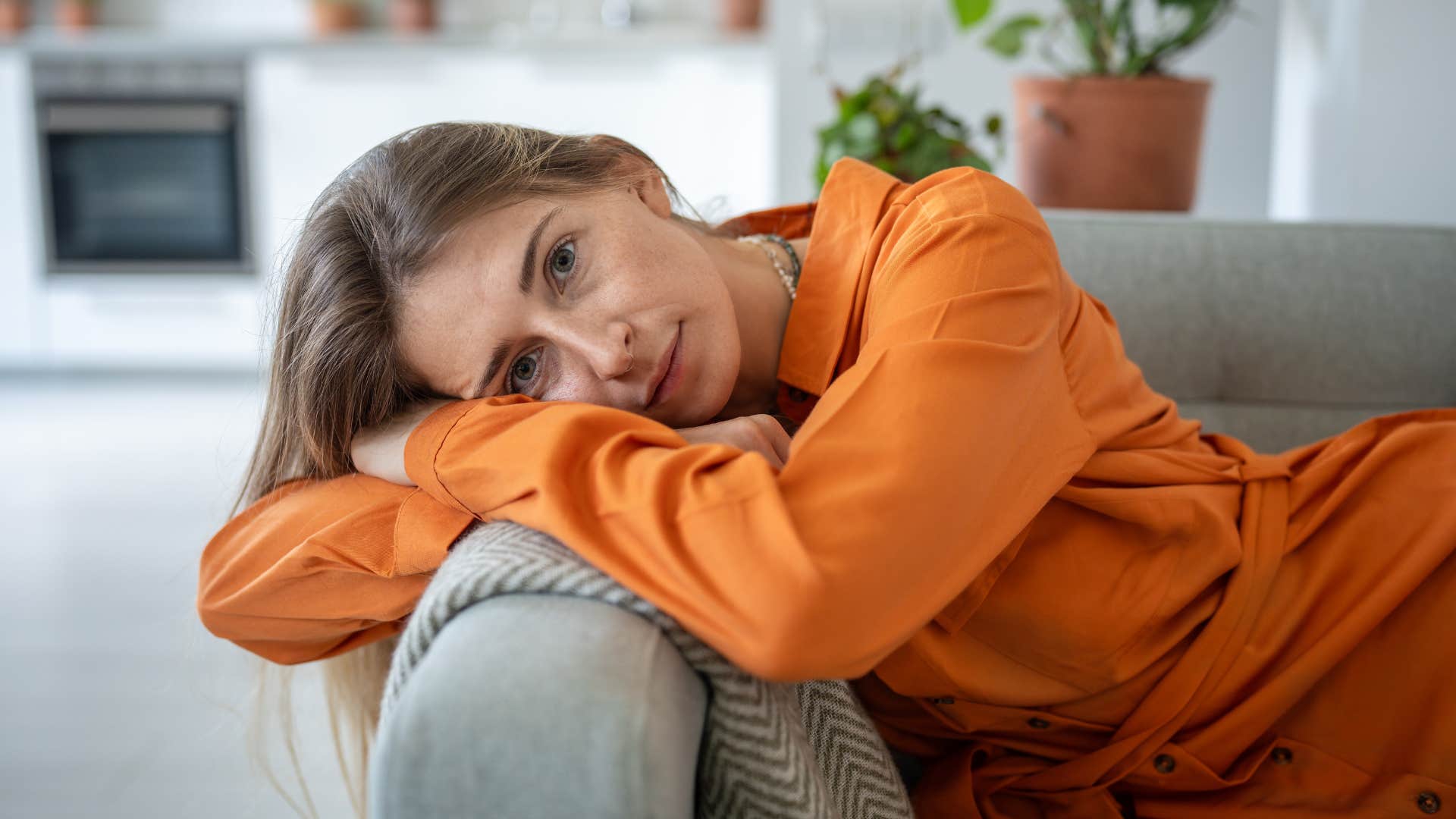
Much like their trust and attention in social situations, women who’ve spent most of their lives alone are protective of their energy. They’ve found a balance in their solitude, meeting personal needs and relaxing without external validation, so as adults, they don’t often sacrifice this space.
Their boundaries are not only set, but also maintained. They don’t love superficiality, and they’re not interested in tolerating misbehavior. In a world that encourages women to be passive and agreeable, these misunderstood women are confident and self-assured.
Zayda Slabbekoorn is a senior editorial strategist with a bachelor’s degree in social relations & policy and gender studies who focuses on psychology, relationships, self-help, and human interest stories.

