
11 World-Changing Events That Defined The Way Boomers Think
 LightField Studios / Shutterstock
The 1950s and '60s were two of the most influential decades. So much history unfolded in such a little time. These moments shaped the way the boomer generation viewed the world around them.
Those born between 1946 and 1964 are members of the boomer generation. These days, the word ‘boomer’ is thrown around as an insult. It’s important to remember that this generation experienced more history than most of us can wrap our heads around. From presidential assassinations to the Civil Rights Movement, major historical events unfolded each year. They also experienced the rise of Elvis and The Beatles. The Baby Boomers are walking history books, and we can learn from them.
Here are 11 world-changing events that defined the way boomers think
1. Rosa Parks refusal to give up her seat on a bus (1955)
 Warren K. Leffler from Library of Congress CC0 Images via Canva
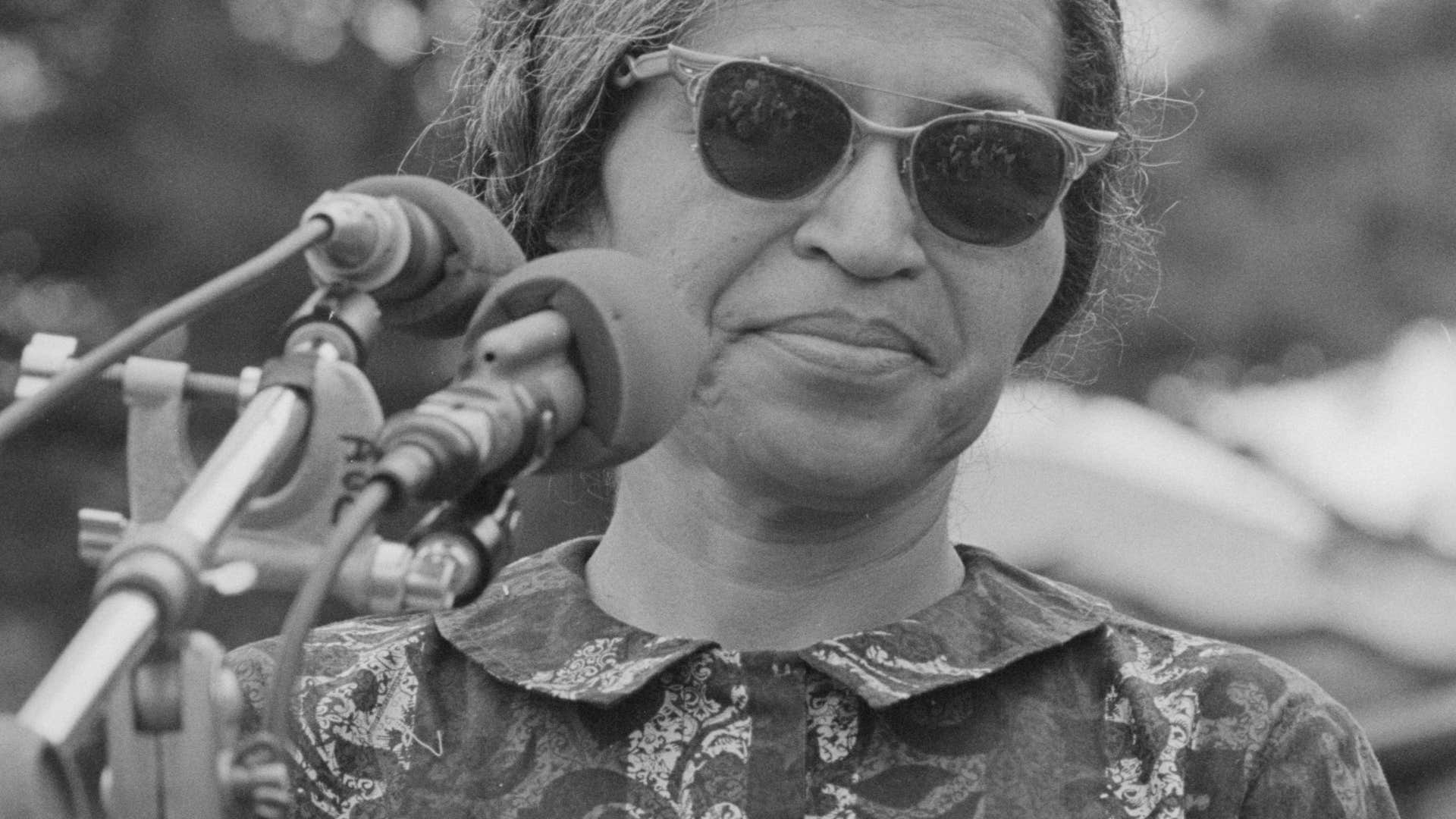
Rosa Parks changed the world when she chose to stay at the front of the bus instead of moving to the back. During this period, Black Americans were expected to sit at the very back of the bus, while white Americans took up the front rows. It was part of the segregation law. On December 1, 1955, in Montgomery, Alabama, Parks made the powerful decision to stay near the front, refusing to give up her seat for a white man. Ultimately, she was arrested for breaking the law.
Her arrest sparked the Montgomery Bus Boycott, which was organized by Martin Luther King Jr., then a young pastor and an unknown name. This event would lead to the Civil Rights Movement. This was a call to arms for boomers. Many got involved in the boycott, and as a result, they watched segregation come to an end. Once separated, boomers were the first generation to experience all races coming together.
2. Elvis Presley on Ed Sullivan (1956)
 Mike Bird from Pexels via Canva
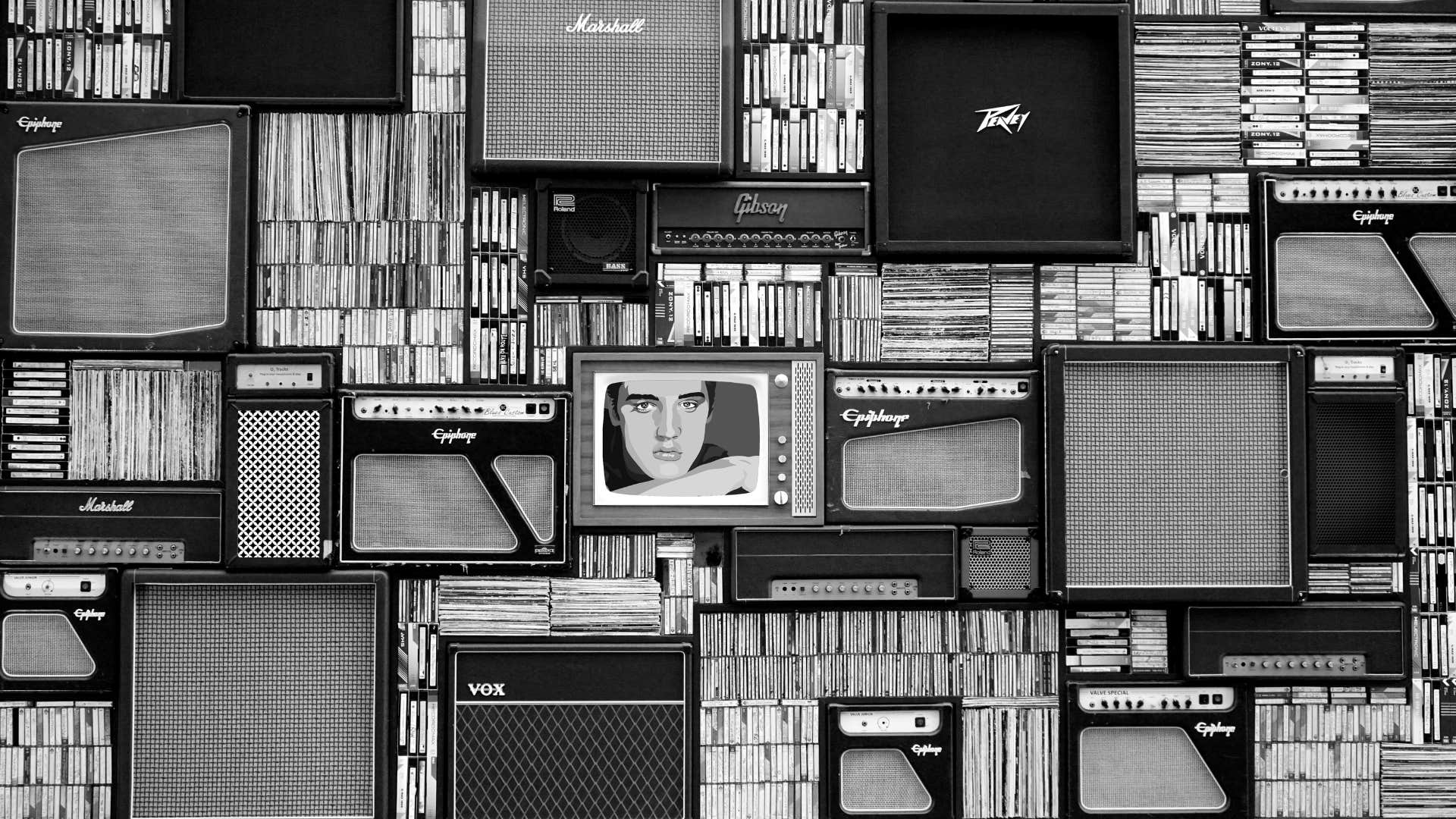
Elvis Presley brought a new genre of music to the mainstream. During the '50s, music performances were conservative. Big bands and crooners were popular. Elvis shook things up completely when he took the stage on the Ed Sullivan show in 1956. His dancing, paired with the style of music he played, shocked the boomer audience.
Elvis’ performance tested the status quo. It brought a new love of music to boomers who were teenagers at the time. Americans were ready for something new. His exciting music launched a new generation of musicians and expanded the boomers’ musical tastes.
3. The Cuban Missile Crisis (1962)
 DavorLovincic from Getty Images via Canva
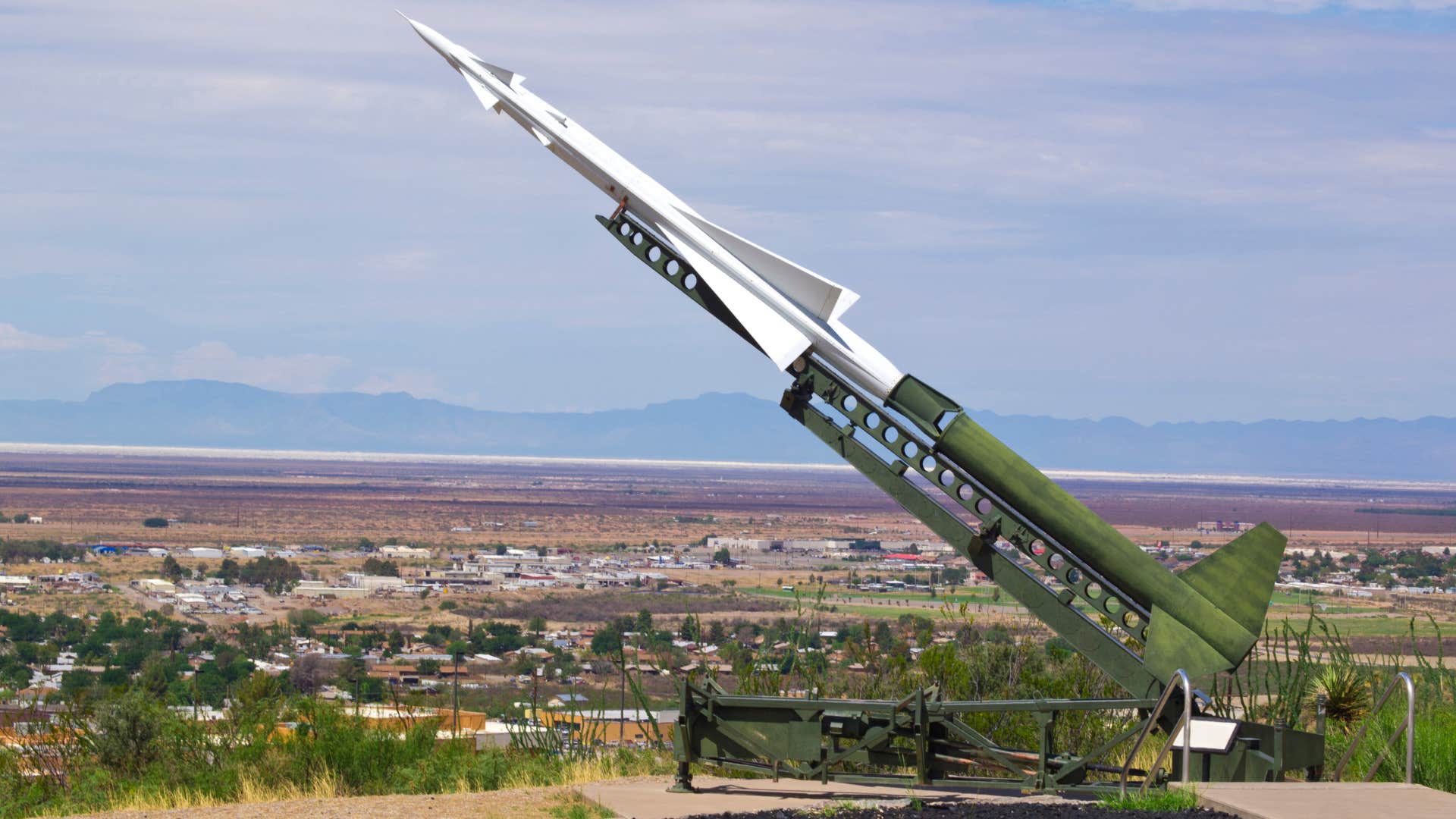
In 1962, a confrontation between the United States and the Soviet Union brought chaos for baby boomers. During the Cold War, nuclear war became a serious threat. Things reached their peak when the United States attempted to overthrow the Castro regime in Cuba. President John F. Kennedy insisted Americans take quarantine as the threat of nuclear war became more possible.
“As a kid, growing up in the 1960s, I feared death from above: the A-bomb’s immense, blinding flash, its mushroom cloud. Nights during the Cuban missile crisis, I sat in bed, ear pressed to the window as I tried to gauge the height of planes overhead because I imagined bombers would fly low,” writes Carol Mithers for the Los Angeles Times. “For years, I checked every home I rented for its safest, least-windowed room, just in case. And during a nap when I was 20, I had a nuclear nightmare so vivid I remember it to this day.”
4. The March on Washington (1963)
 The Everett Collection via Canva
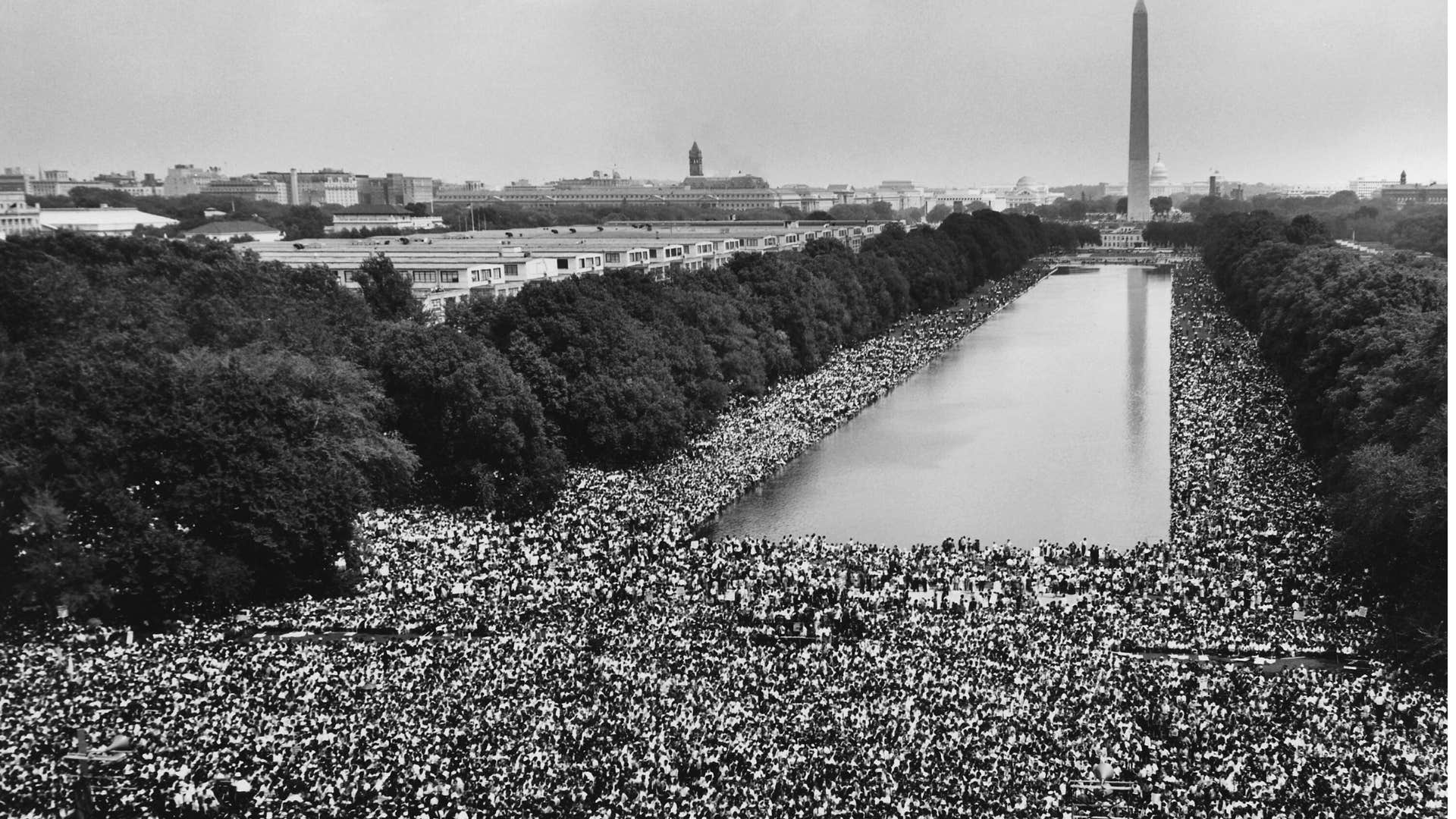
A quarter of a million people marched on Washington in the name of civil rights in 1963, gathering near the Lincoln Memorial. With a group that large, they showed that America was ready for a change. Surely, boomers were the majority of attendees. They were the first generation to protest, peacefully, for better rights for all. Segregation was going to be a thing of the past, and they were determined to be part of the action.
The march included a large group of civil rights groups. Martin Luther King, who was only scheduled to speak for 4 minutes during the protest, spoke for 16 minutes. Those in attendance heard his incredible "I have a dream" speech. This fight for equality defined the way baby boomers think.
5. The assassination of JFK (1963)
 NASA from NASA CC0 Images via Canva
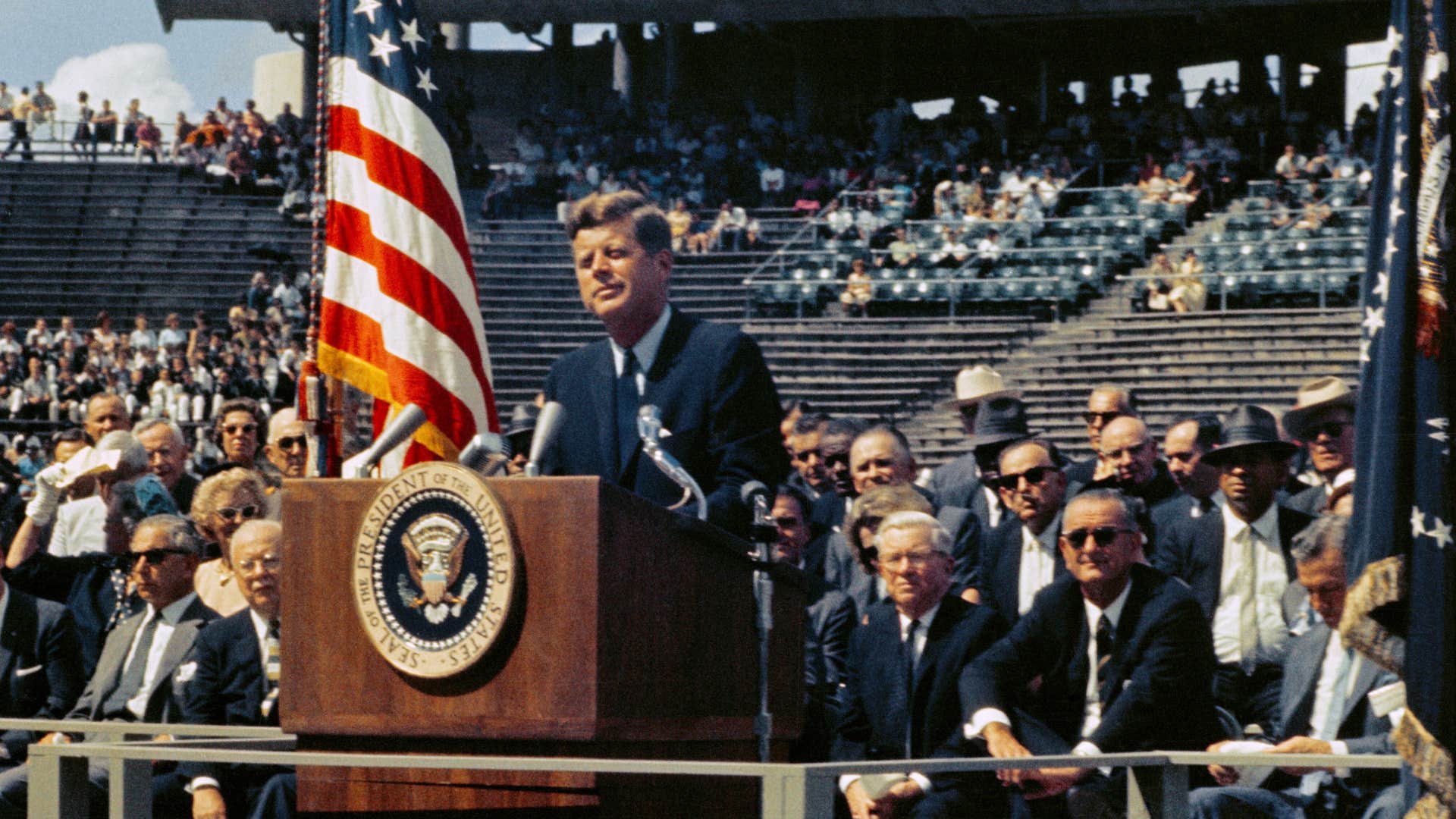
John F. Kennedy was an influential president. He was young, and his ideology aligned well with what Baby Boomers were focused on. He was a supporter of the Civil Rights Movement and inspired a generation. Sadly, what defined the way boomers think wasn’t just the impact of his presidency, but his tragic assassination. It was an incident that had not occurred for any generation since.
While preparing to run for re-election, Kennedy took his campaign to Texas. While driving in Dallas in a motorcade, he was assassinated by a gunman, Lee Harvey Oswald. Watching the death of a president not only changed the world, but it also made a lasting impact on the minds of boomers.
6. Beatlemania and the British invasion (1964)
 VICTOR SANTOS from Pexels via Canva
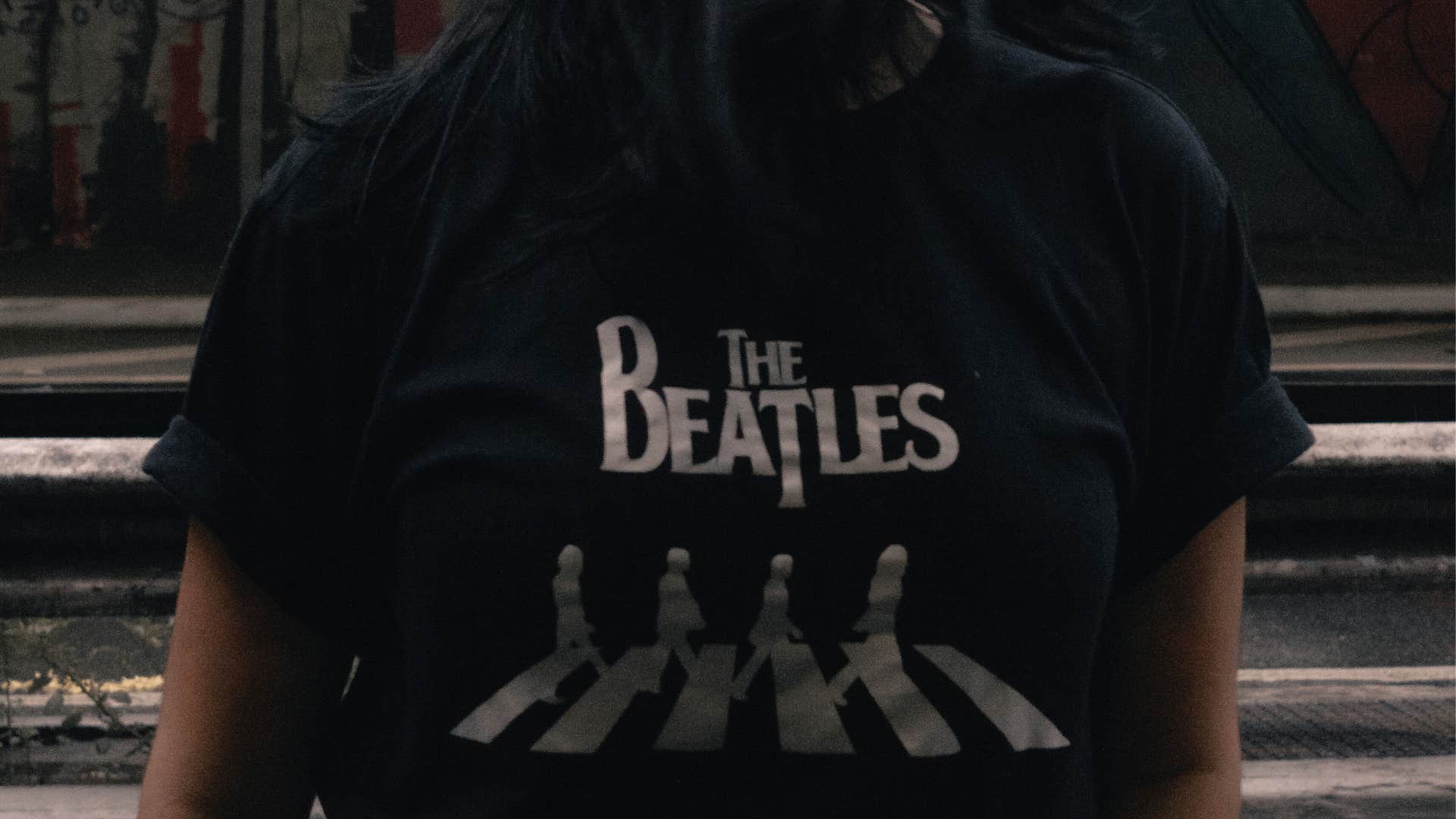
If Elvis changed the musical lives of baby boomers, Beatlemania only made them more passionate about their new favorite genre. When the Beatles made their way from the United Kingdom to the United States, teenagers and young adults were instantly invested. When the band played on The Ed Sullivan Show on February 8, 1964, 73 million viewers tuned in. The majority were in the 12-24 year old age range. Female fans would be called ‘teenyboppers,’ one of the first major fan groups for a band. It started the world of the super fan and changed how people enjoyed music.
This new band ushered in the ‘British Invasion,’ or the generation’s obsession with British rock and the bands who played it.
7. The Civil Rights Act (1964)
 Africa images via Canva
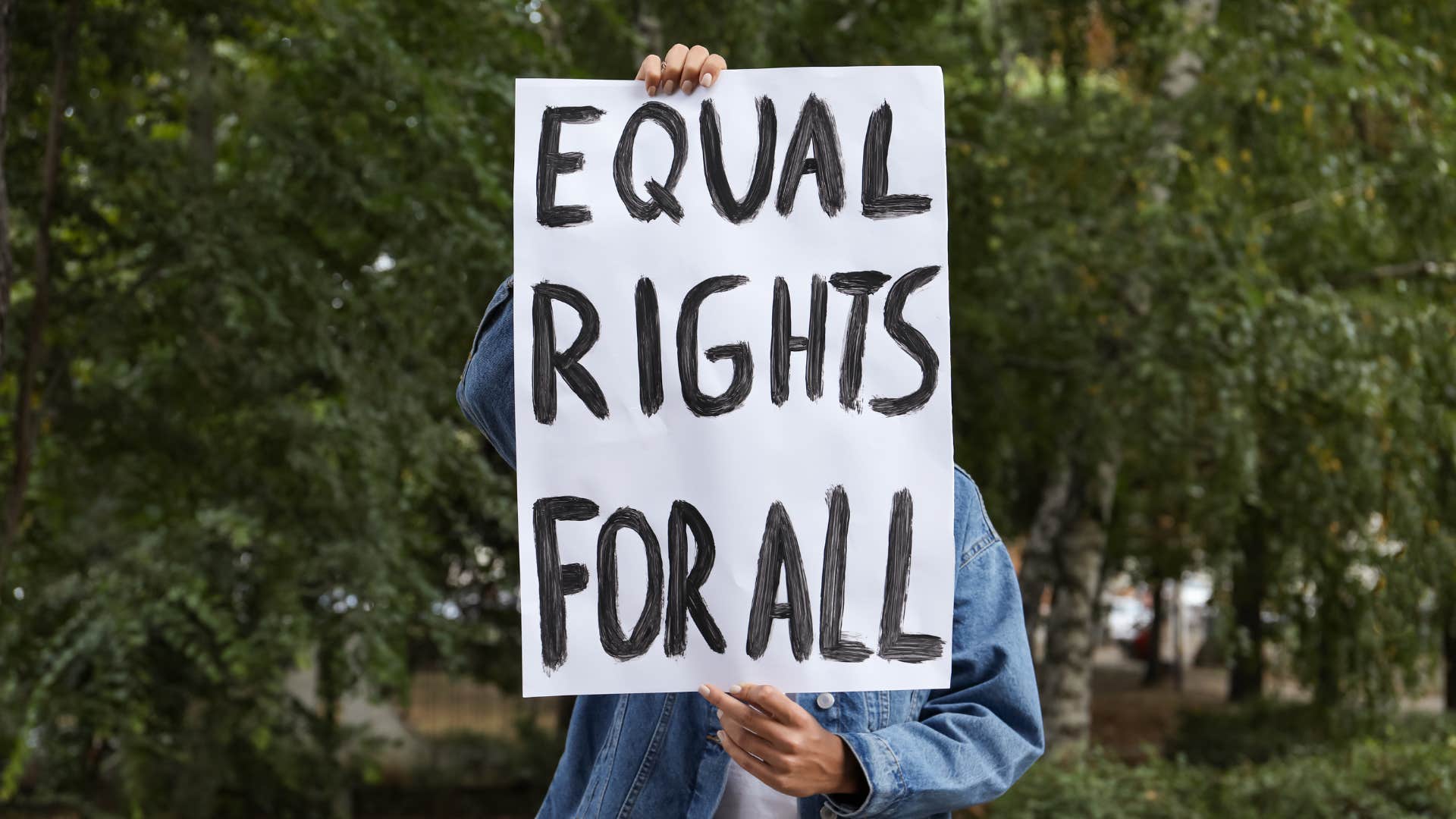
Following the death of President John F. Kennedy, influential legislation was introduced that changed everything for the Baby Boomers. The Civil Rights Act outlawed all forms of segregation and discrimination. Schools and jobs were integrated. This act altered the way boomers think. They were at the forefront of the fight for civil rights.
While Kennedy urged the public to accept this new legislation, he was not the one who signed it into law. Following his assassination, Lyndon B. Johnson, the new president, passed the bill. This generation watched segregation crumble, and it made a lasting impact on them.
8. The Vietnam War
 ASphotostudio via Canva
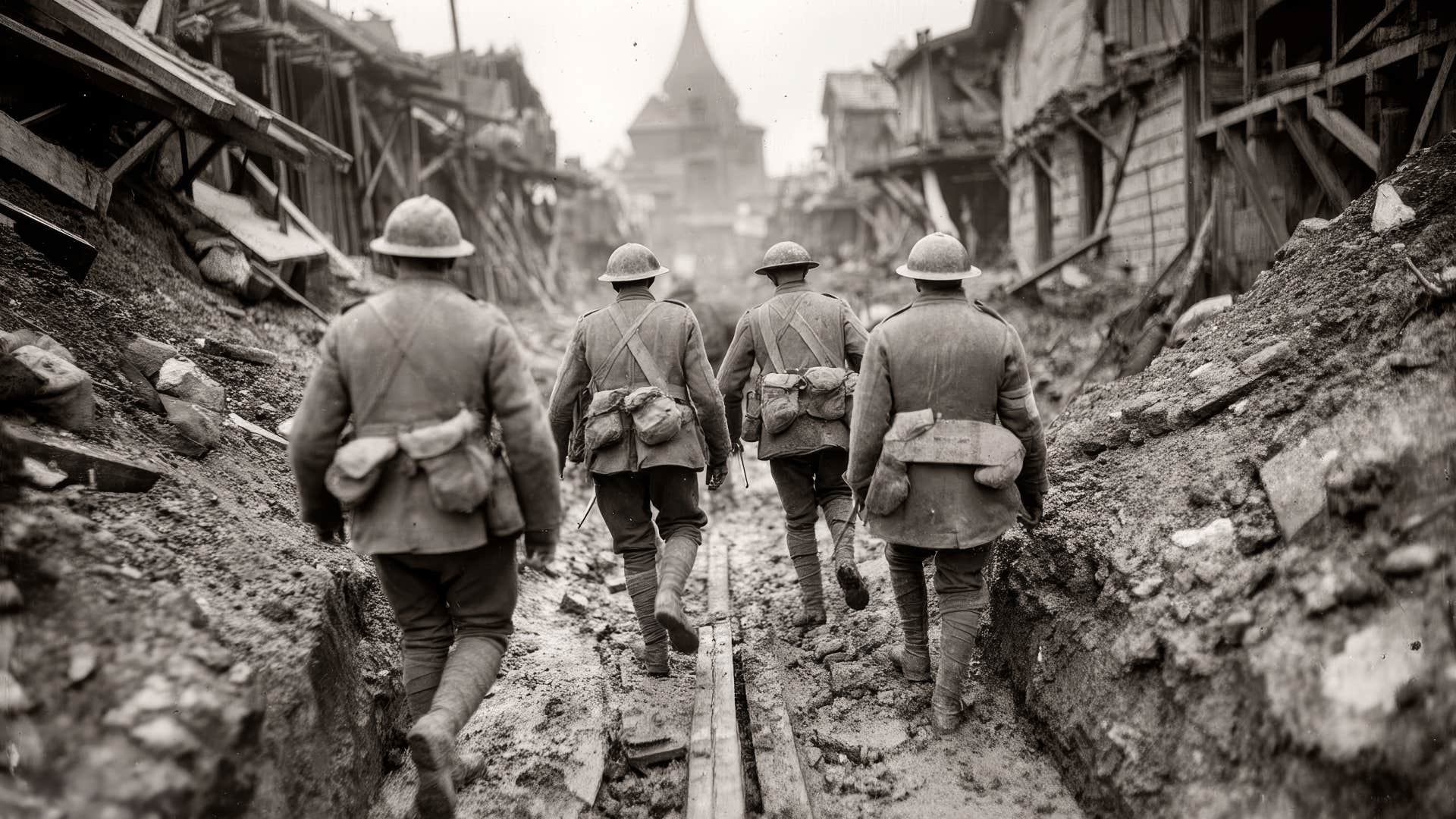
While moments of World War II were captured and shown in movie theaters, the Vietnam War is often recognized as the first televised conflict. Boomers saw events unfold in their homes, which caused backlash. Protests occurred across the country, especially on college campuses. These baby boomers were unhappy with America’s involvement in the war and how it was sending members of their generation to battle.
Baby boomers’ lives were completely changed by the war. Over 2.7 million Americans served in the war. They were forced into the draft or lost loved ones during this period. It changed the way they viewed war and politics. The term ‘draft dodger’ became prominent, but more boomers' lives were lost in Vietnam than fled to another country or went to prison for refusing to serve. The trajectory of their lives was completely disrupted by this conflict.
9. The National Organization for Women
 shaunl from Getty Images Signature via Canva
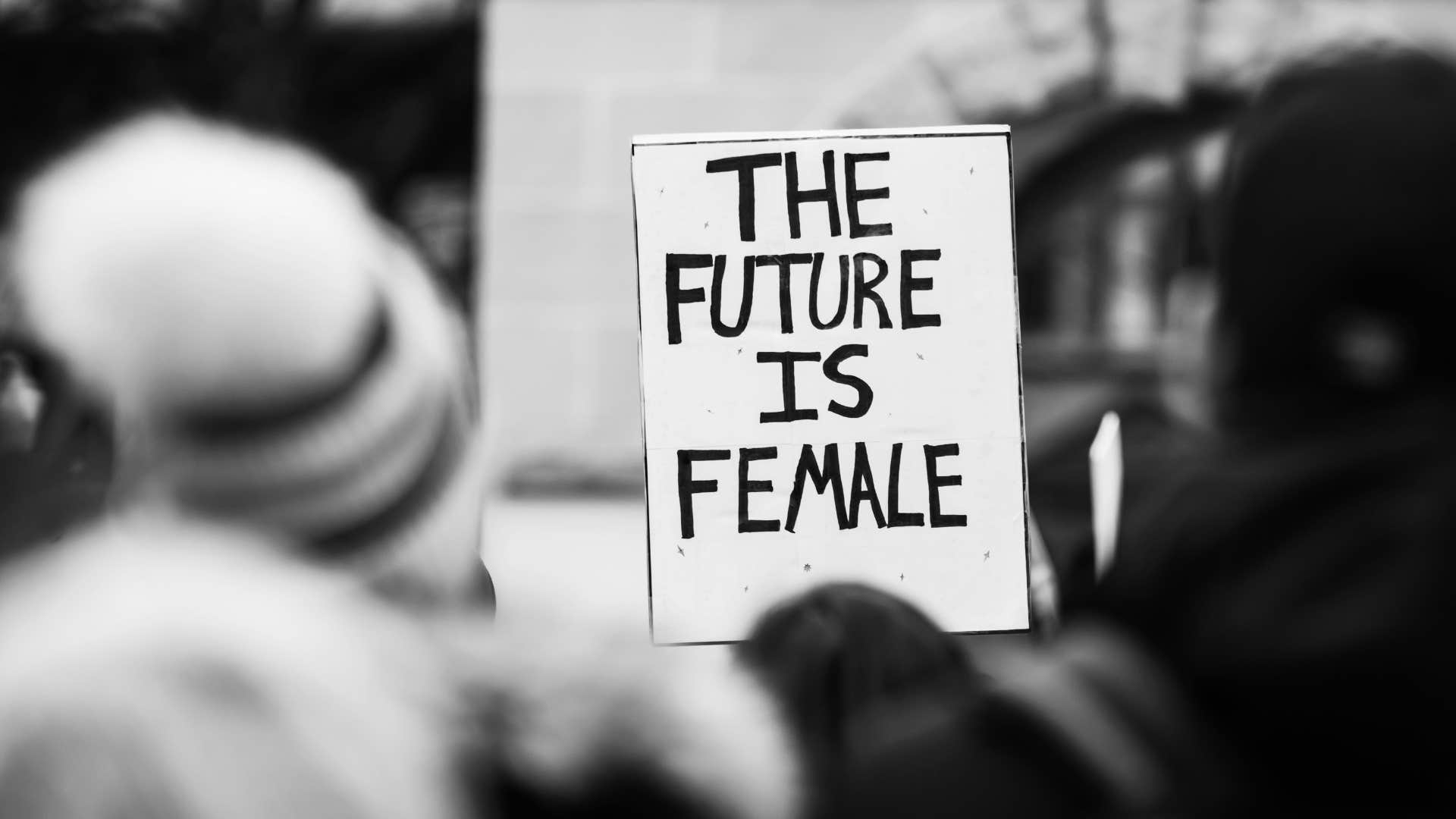
The Civil Rights Act launched related movements working towards equality in every aspect of life. Before the National Organization of Women was founded, women faced constant hurdles. They were not protected in the workforce and were experiencing constant discrimination. Inspired by the Civil Rights Act, boomers had their minds defined by the work of NOW. They were determined to fight for all oppressed groups.
“With the rise of the civil rights movement, feminists again made their place in the political arena. The Civil Rights Act of 1964 came to Congress, and feminists lobbied hard for the addition of an amendment prohibiting [discrimination] in employment. After much debate, the Act was passed with just such a prohibition in Title VII — added by a congressman who hoped to defeat the Act,” NOW’s website reads.
10. The assassination of Martin Luther King, Jr. (1968)
 DebB68 from pixabay via Canva
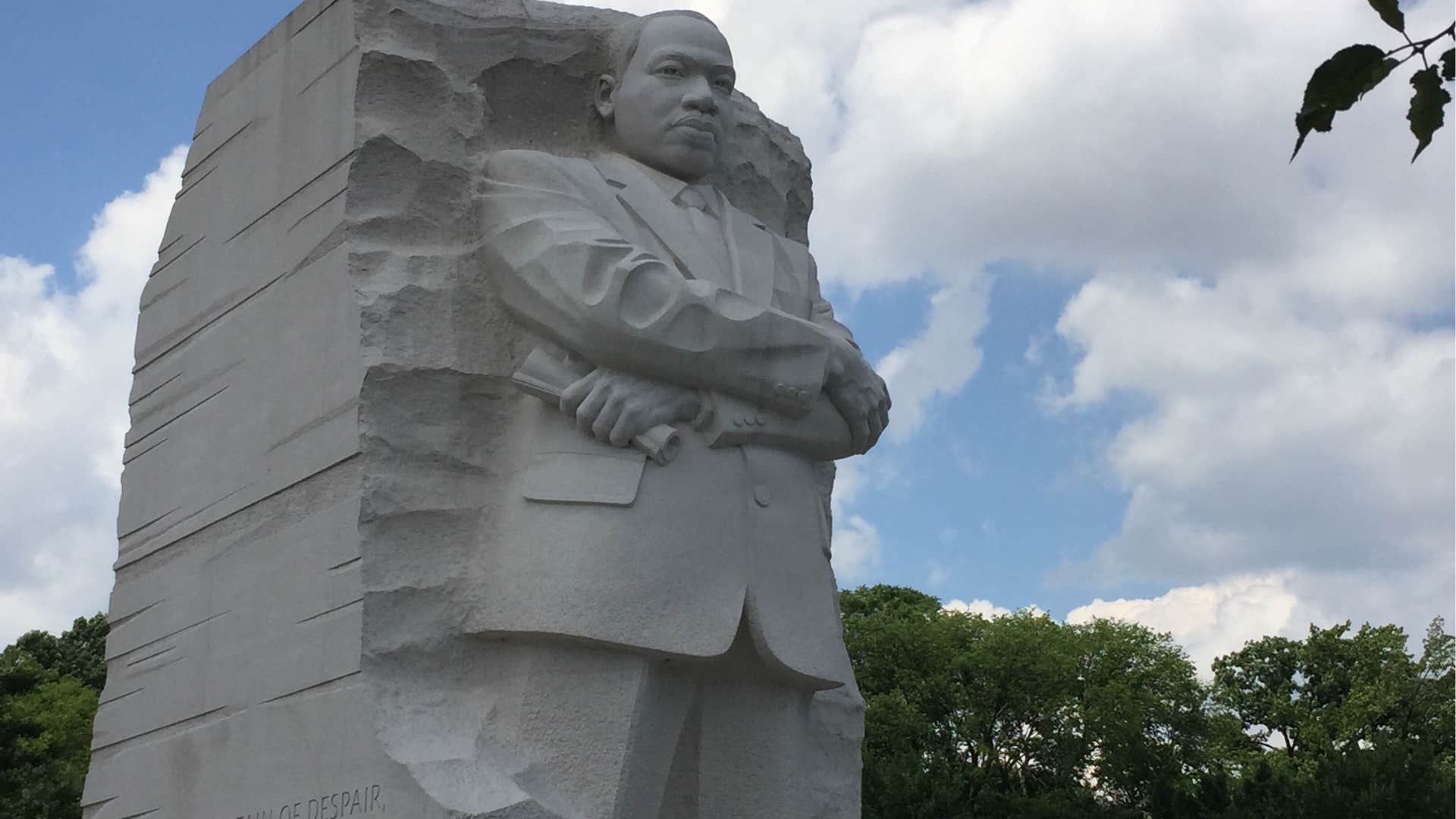
Martin Luther King, Jr.’s work defined much of baby boomer's thinking. He was the driving force in the Civil Rights Movement. With his incredible work, the boomers saw an end to segregation. When he was tragically assassinated, it changed everything.
On April 4, 1968, King was assassinated on the balcony of his hotel room in Memphis, Tennessee. His loss was painful. Boomers were in mourning. Through his work, they learned that with activism comes action. Like with Kennedy’s passing, the boomers felt like they lost one of their heroes. They knew that without King, the country would look much different.
11. The moon landing (1969)
 Изображения пользователя Евгений Баранов via Canva
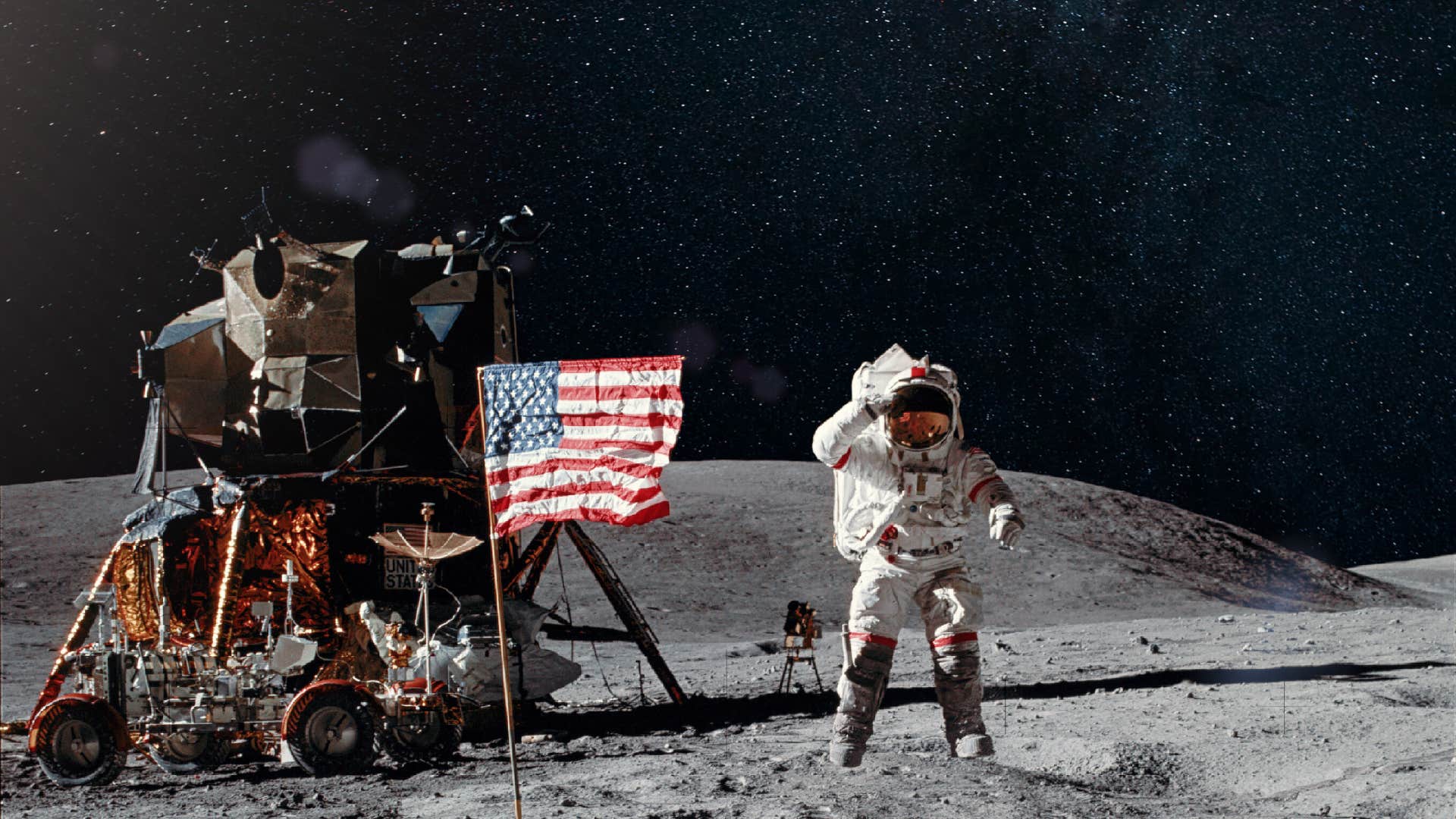
We’ve all heard the voice on the recording of the moon landing that said, ‘one small step for man, a giant leap for mankind.’ The United States was in a race to be the first country to land people on the moon. In 1969, they made it a reality. Buzz Aldrin, Neil Armstrong, and Michael Collins made history. For the boomer generation, it brought new hope and excitement.
“I was 8 years old, living with my parents in Honolulu, Hawaii. I loved science and science fiction. I was thrilled that we were going to the moon. I remember going to our neighbor's apartment to watch as Neil and Buzz landed on the moon. We all gathered around the little 13" Black and White TV and held our breath as he stepped from the lander to the surface of the moon,” recalls John Kuehl, who experienced the landing first-hand. “Over the next few days, I could always be found glued to the TV watching as the pictures and video showed the bouncy and glare-filled shots of another place in the Universe that we were exploring. The smallness of the distant earth in the photos and the sense that this was the beginning of exploration was everywhere, and I loved it.”
Haley Van Horn is a freelance writer with a master’s degree in Humanities, living in Los Angeles. Her focus includes entertainment and lifestyle stories.

