
Kids Who Grow Up Feeling Like An Outsider In Their Own Family Usually Have These 11 Subtle Reasons
 theshots.co | Shutterstock
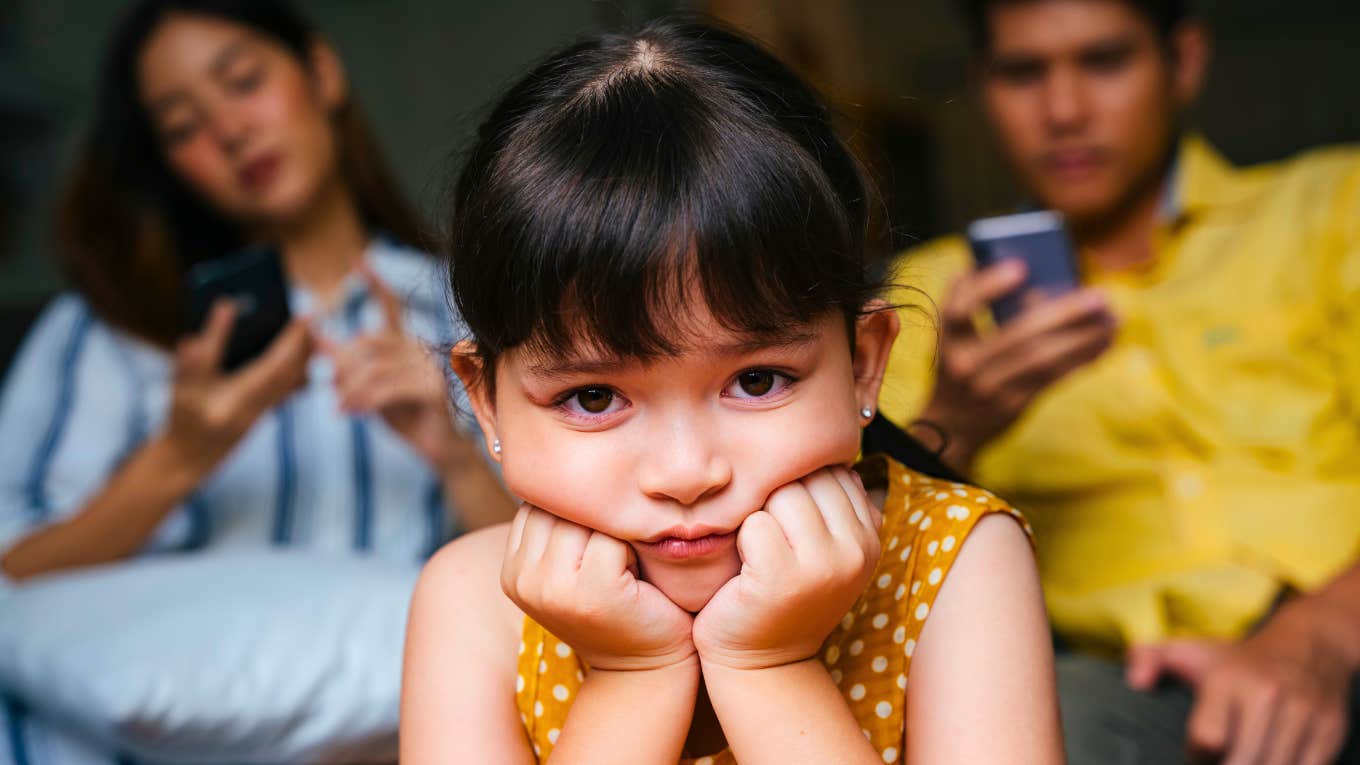
One of the more tragic things people experience is growing up as a child who feels unwanted by their family. Being a family outcast means never being accepted as a true member of the family, and it usually happens without any real reason behind it. Whether it was feeling unloved or having a gut instinct that they were different, kids who grow up feeling like an outsider in their own family usually have these subtle reasons.
The effects this type of upbringing has on kids are lasting and run deep. They may carry that same treatment into their adult relationships, constantly having to deal with the fact that they never received the unconditional love from their parents they deserved. Experiencing this type of childhood can also lead to depression, low self-esteem, and incredible guilt.
Kids who grow up feeling like an outsider in their own family usually have these 11 subtle reasons
1. They were desperate for love and acceptance
 DimaBerlin | Shutterstock
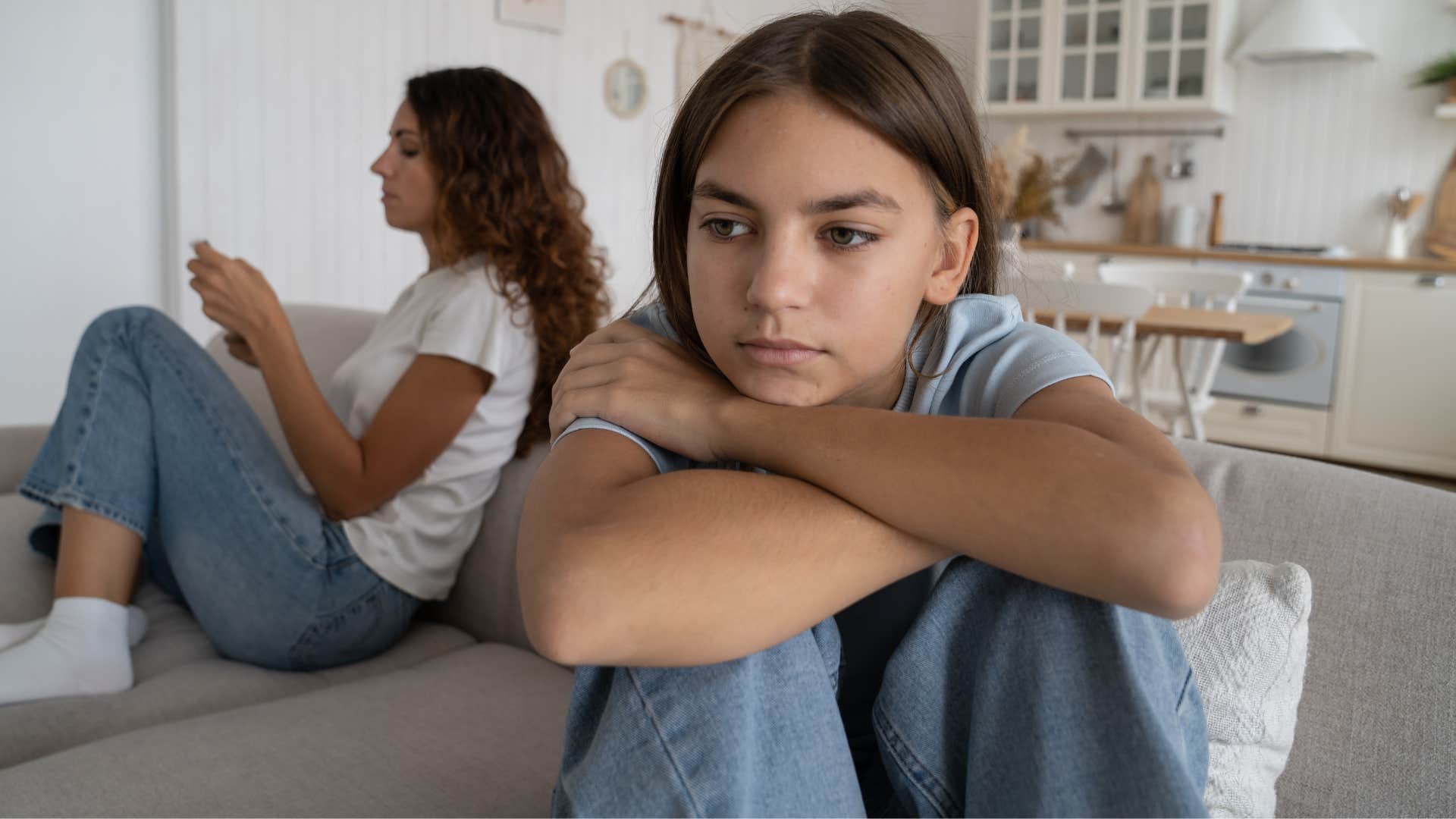
This is one of those truly heartbreaking things about feeling like an outsider in your own family. People like this always yearn for their families to really treat them as one of their own. It’s true whether they’re the scapegoat, the black sheep, or are "hated at birth," as research from 2023 states.
Perhaps they acted out to get attention or even asked their parents outright what they could do to make them love them. Unfortunately, along with the need for approval tends to come shame, sadness, anxiety, and a feeling of constantly not being worthy enough. As adults, it’s not unusual for a lot of people who were family outcasts to carry these feelings with them.
2. They had a gut feeling they were different
 pics five | Shutterstock
Whether they understood the toxic dynamic or just had a feeling deep down that they didn't belong, kids who grow up feeling like an outsider in their own family usually have these subtle reasons. Even if they want to desperately fit in while they're growing up, they may become estranged from their parents and family as adults.
Approximately 27% of Americans are estranged from a family member. While this can be due to a variety of reasons, for people who grew up feeling like an outcast, it's to be expected. There's only so much rejection and heartbreak a person can take before they cut out the toxicity for good.
3. They didn't look or act like the rest of their family
 MAYA LAB | Shutterstock
There's a little bit of truth to the trope of the family member who doesn’t look or act like the rest of the family. Perhaps it's the "goth kid" in a conservative family or the artist among a family of doctors. It might also be physical differences, like not resembling their siblings or parents.
A lot of those differences may come down to genetics and DNA, but there's another layer of feeling unusual. Though they're connected by biology, when a kid feels like an outsider, the way they look compared to each other can implant that idea.
4. Their friends felt unwelcome when they came over
 Dragon Images | Shutterstock
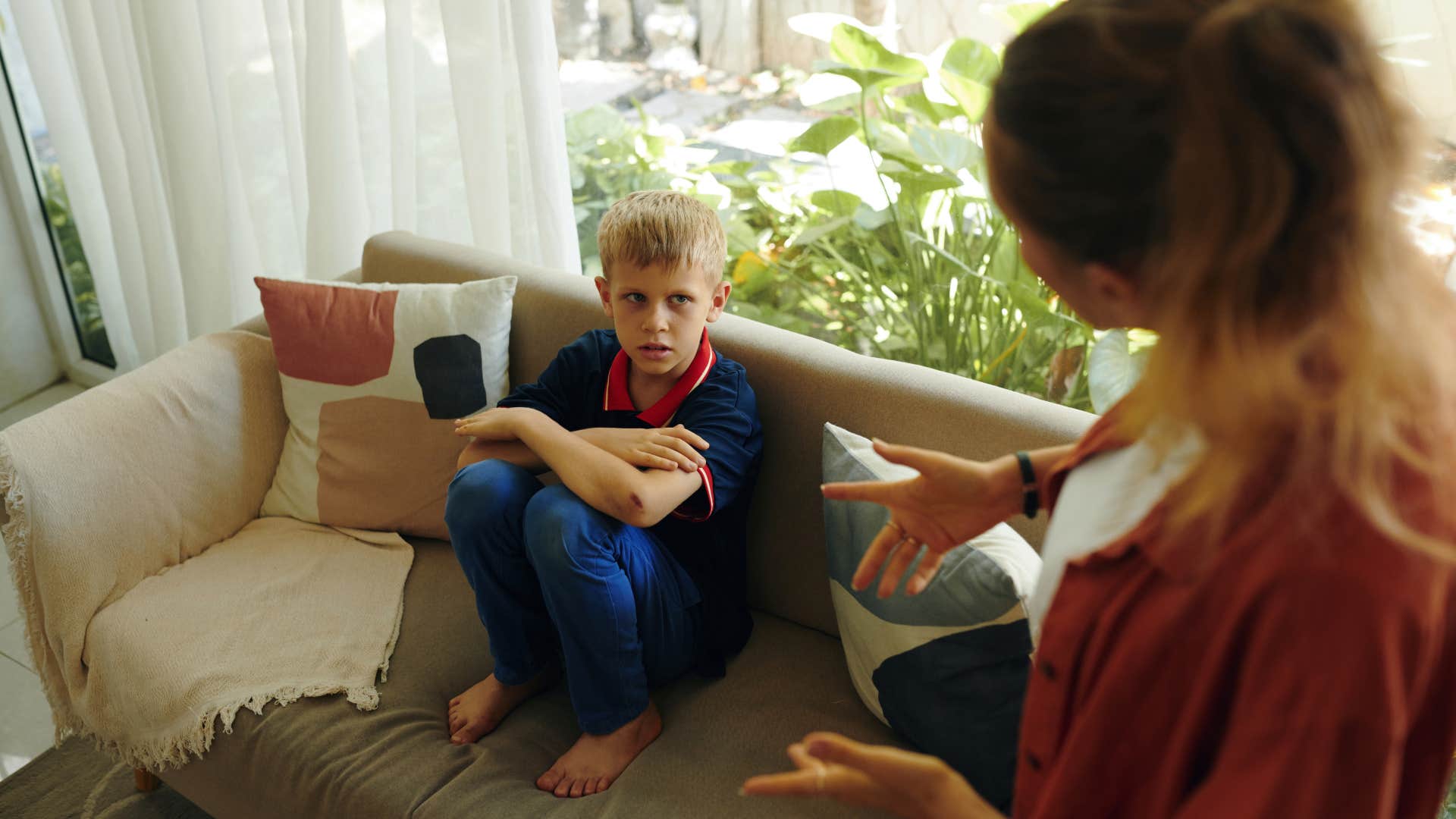
Being an outsider in your family means you don’t want others to know how low on the totem pole you are. At times, it’s because you’re worried about the shame. Other times, it’s because your family may have a tendency to sabotage relationships with others. On the off chance they did bring a friend home, whether it was after school or for a weekend playdate, their friend could likely feel the tension in the home.
This can quickly destroy their friendships and relationships they have with others. It might make their experience at school feel more overwhelming, and dealing with the shame of this can have long-lasting effects into adulthood.
5. They were only appreciated when they had something to offer
 fizkes | Shutterstock
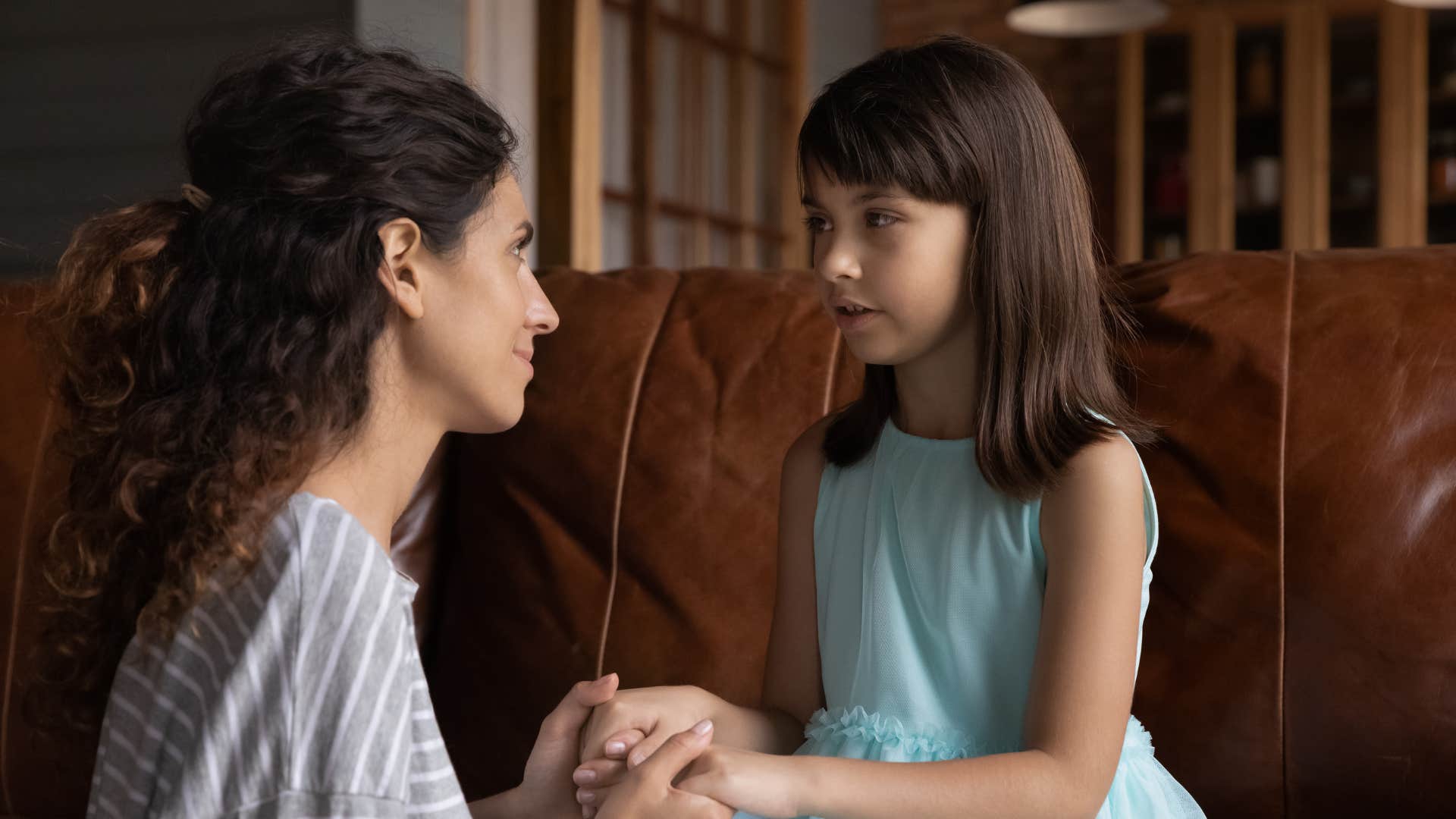
Being an outsider or scapegoat in a family means being treated poorly. However, when these individuals have something to offer their parents and other family members — money or a favor, for example — that's when the tone shifts. All of a sudden, their family stops treating them as outcasts and magically "accepts them," usually temporarily.
Even for a moment, it means apologetic-looking parents who are remorseful, though their behavior shows otherwise. And as soon as they get what they need, it's back to treating them like they don't belong.
6. Their siblings were favored over them
 MAYA LAB | Shutterstock
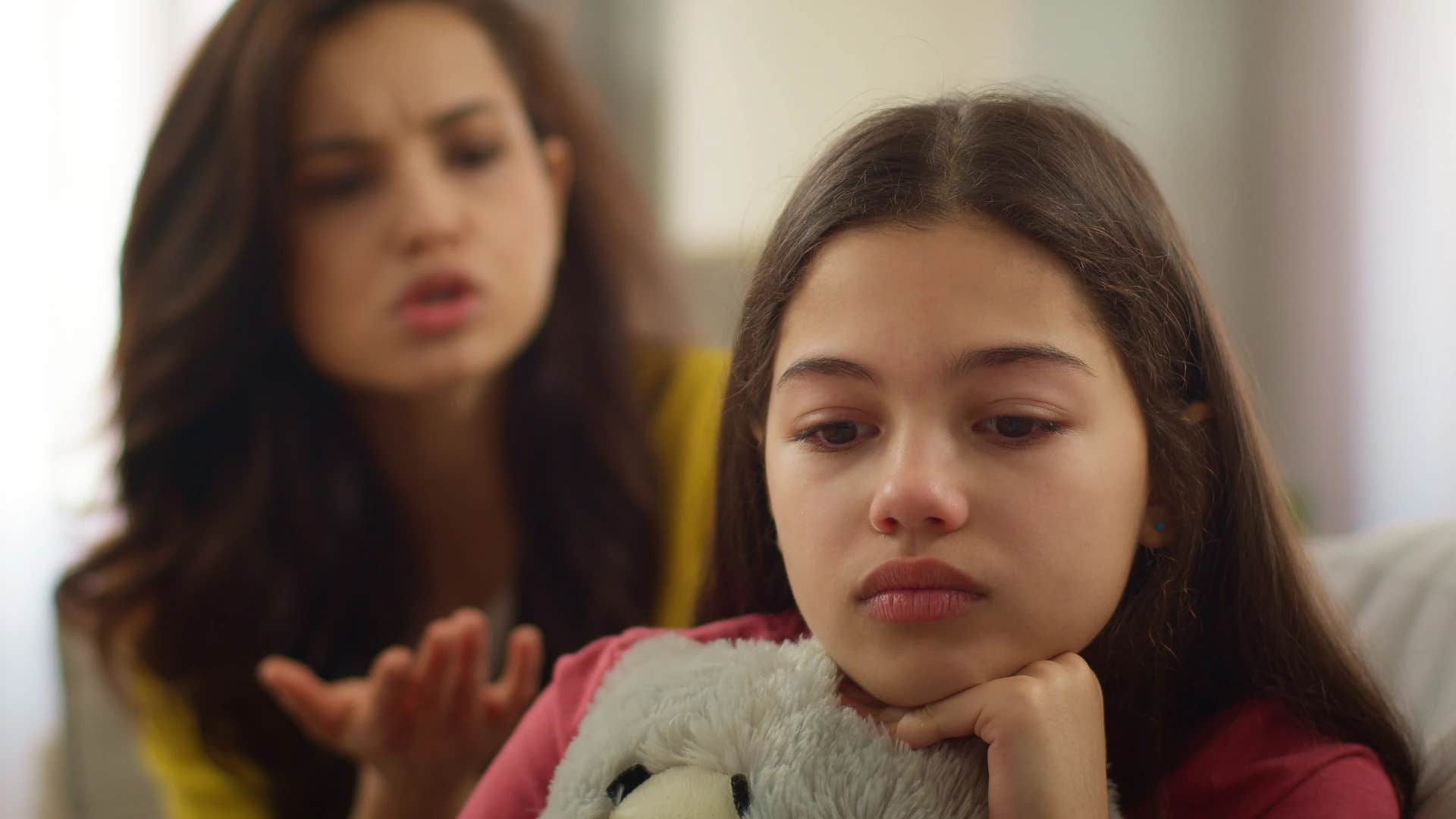
Because their siblings are often favored over them, kids who grow up feeling like an outsider in their own family usually end up becoming more independent way earlier. They understood that if they made mistakes, they wouldn't get bailed out. On the other hand, it seemed like their siblings could do no wrong.
According to sociologist Jill Suitor, parental favoritism is often found in one-third to two-thirds of families. Suitor also explained that as adults, these children may feel it normal to distance themselves from their family over time.
Unfortunately, as she pointed out, "Some people feel like they’re going to grow up and be a real adult by separating ties with their parents and only seeing them when they have to. But actually, those adults are less well off psychologically as well as financially."
7. They felt unloved
 Hananeko_Studio | Shutterstock
Growing up feeling unloved can have dire consequences for people once they become adults. They may have trouble expressing their emotions, find it hard to trust other people, or develop people-pleasing tendencies. But as kids, they go throughout their daily lives wondering why they don't feel love from their parents or other family members. This can also create mental disorders.
As children, they aren't quite sure why their parents don't want them around. Perhaps they can never do anything right despite their best efforts, have never heard "I love you," or have never received physical affection.
8. They were left out of family events
 YAKOBCHUK VIACHESLAV | Shutterstock
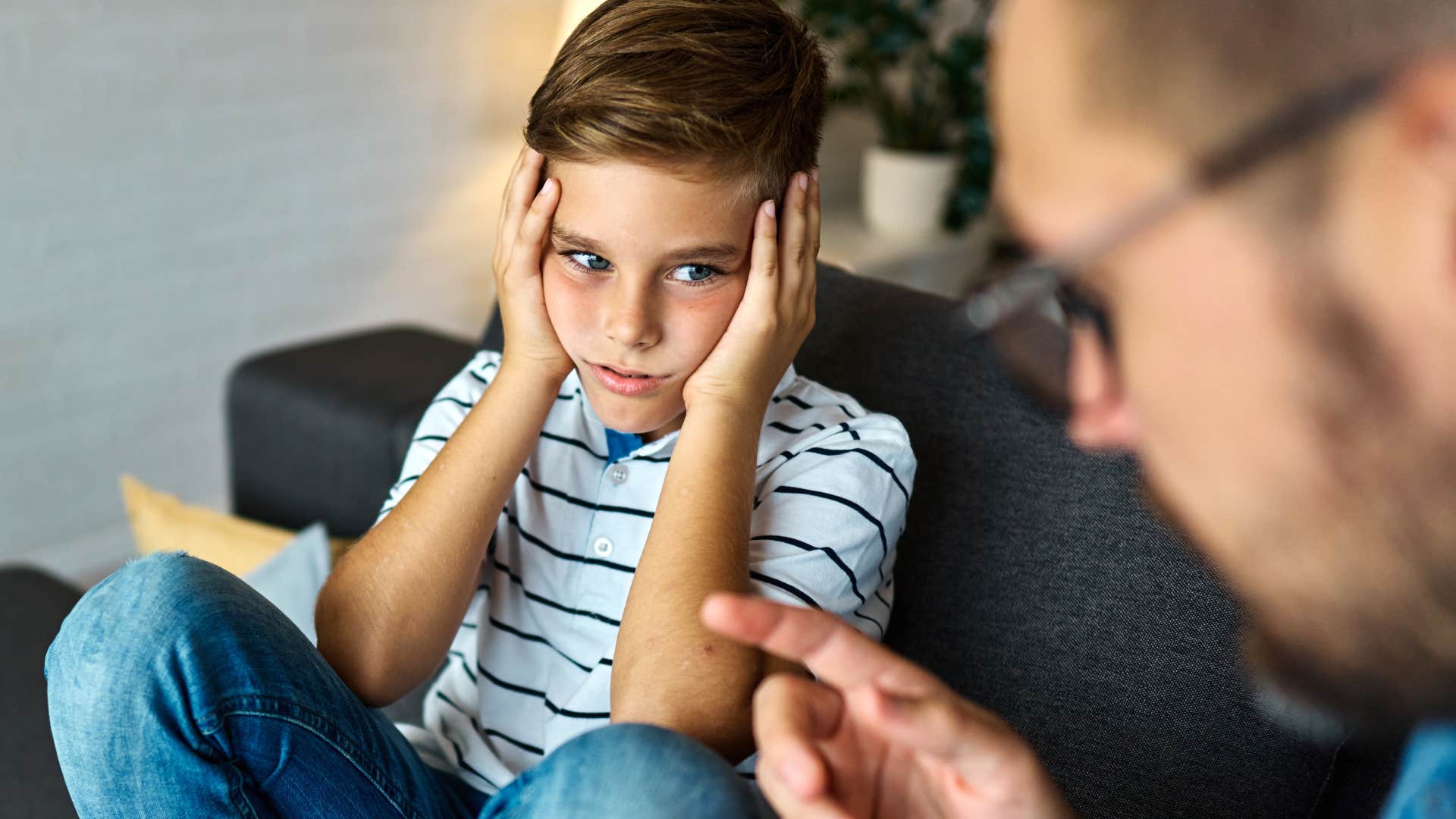
Being left out of family events or uninvited from special occasions, kids who grow up feeling like an outsider in their own family usually have these subtle reasons. There likely isn't even a cause for this kind of ostracization; perhaps their family members just don't "feel like" including them.
As one study published in Perspectives on Psychological Science determined, when someone feels excluded, it increases their chances of feeling like they don't belong anywhere. They may also lack a sense of control over their own lives and suffer from low self-esteem.
9. They didn't experience any fun moments with their family
 fizkes | Shutterstock
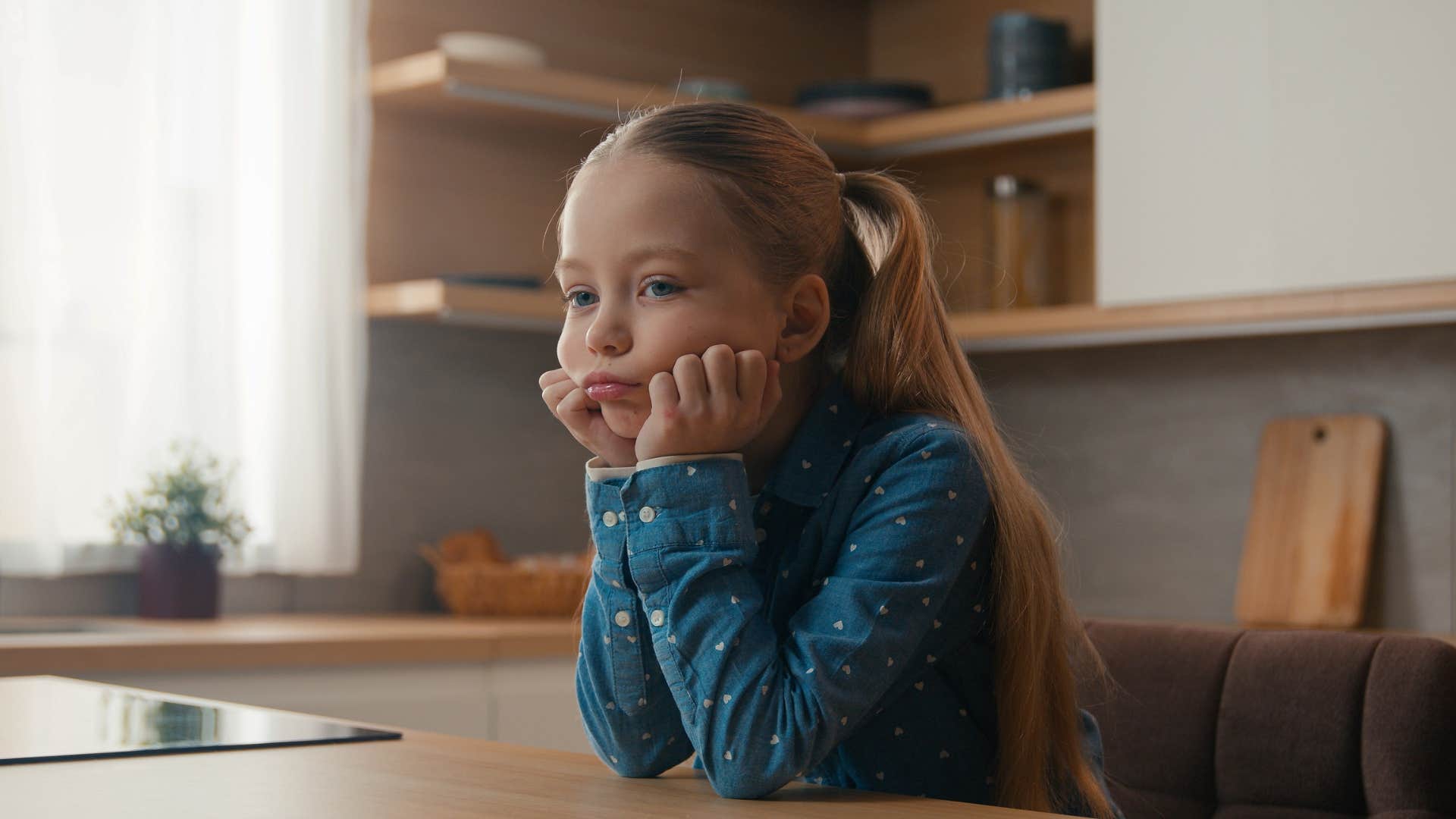
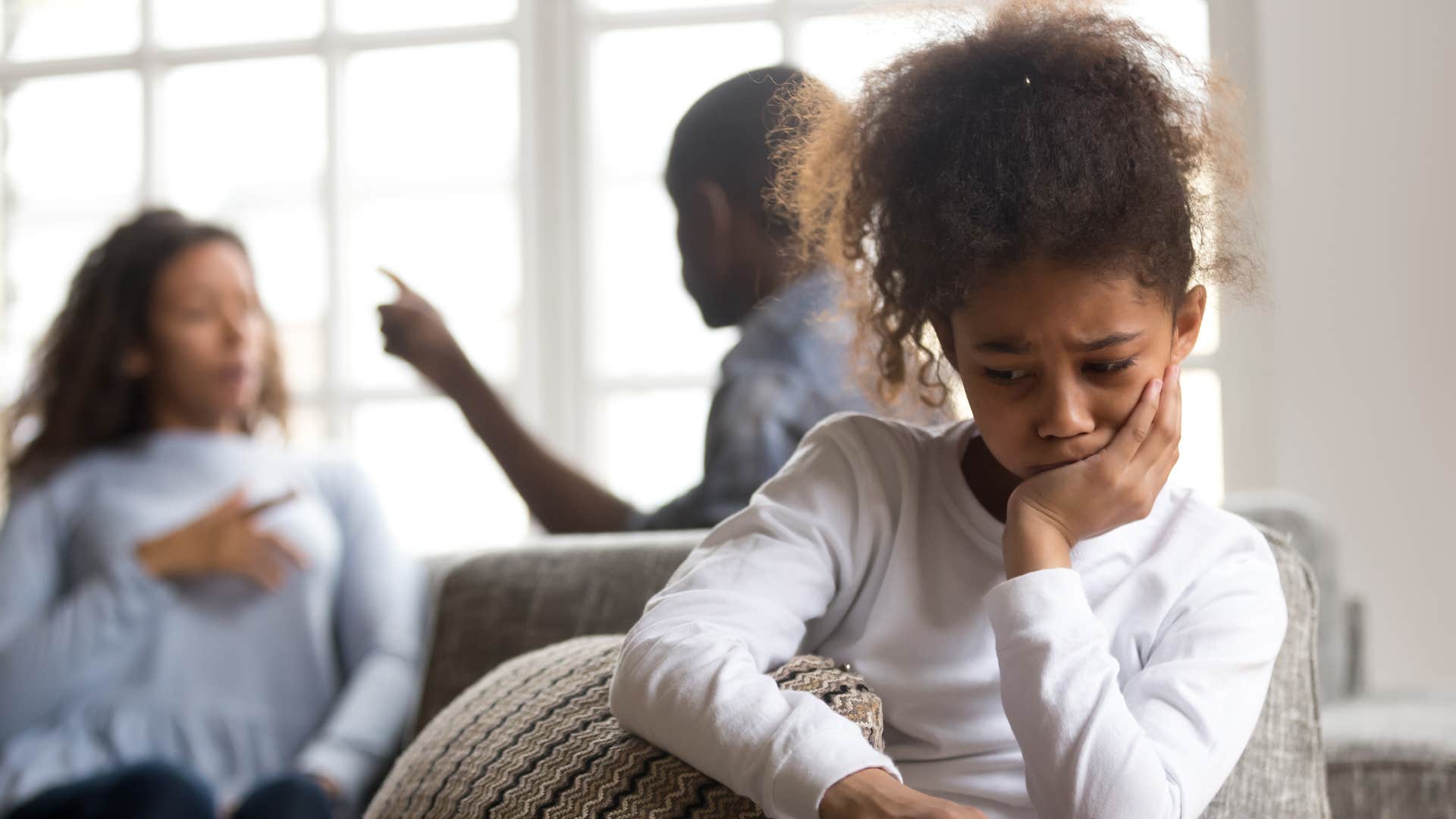
Most people have had conversations with friends or co-workers about all the fun times they've experienced with family. Maybe it was yearly summer trips or simple down time on the weekends. But for people who felt like outsiders growing up, they never enjoyed entertaining core moments like these.
Many people like this likely sat there in silence or just smiled along while their family interacted with each other. They may have even retreated into their own imagination to escape from feeling so lonely and unloved, creating a world where they felt like a true member of the family.
10. They felt more at home with their friends' families
 pics five | Shutterstock
If they went to their friend's house, maybe after school or for a sleepover, people who grew up as outcasts actually felt welcome. Their friend's parents treated them as if they were their own, whether it was using a kind voice, offering to make them dinner, buying them clothing, or letting them stay as long as they needed.
These kinds of interaction can feel strange when you don’t have a family that likes you. But who you are born to doesn't have to be the family you have around you; rather, a close friend's family can feel like your own.
11. They felt invisible
 Sharomka | Shutterstock
According to psychology expert Shirley Davis, "lost children" are kids who "spend an excessive amount of time hiding in plain sight." These children feel like their parents don't ever notice them, and probably wouldn't even notice if they were gone. They don't receive attention and often use their minds as a way to escape.
As licensed psychologist Jonice Webb described it, "Growing up with your feelings unrecognized and unresponded to by the most important people in your life is devastating... The lack of emotional acknowledgment and validation is what’s not there. And while this invisible force is entrenched in your childhood home, you are left feeling unseen and unheard. Invisible."
Ossiana Tepfenhart is a writer whose work has been featured in Yahoo, BRIDES, Your Daily Dish, Newtheory Magazine, and others.

