
If Someone Feels Comfortable Everywhere They Go, They Likely Grew Up With 8 Rare Family Habits
 GaudiLab / Shutterstock
Have you ever met a person with the rare ability to fit in just about anywhere they go? Doesn't matter if they're meeting new people at a get-together or starting a new job. They always seem to just belong in every situation or environment they find themselves in.
These people put both themselves and others at ease, and while personality certainly plays a role, this kind of social confidence comes from experiences that began much earlier in life. People are products of their environment, and that environment starts with home life growing up.
Family environments shape how children view the world and their place within it. Many families may unintentionally teach their children to always stay within their comfort zone, so they grow up unable to fully break out of their shell. But when kids grow up and are encouraged to engage with others and feel secure and respected at home, they tend to develop an internal sense of belonging that follows them into adulthood. As a result, they grow up viewing unfamiliar situations not as scary but as opportunities for connection.
Here are 8 rare family habits that people who feel comfortable everywhere grew up with
1. Their opinions were welcomed
 Yan Krukau via Canva
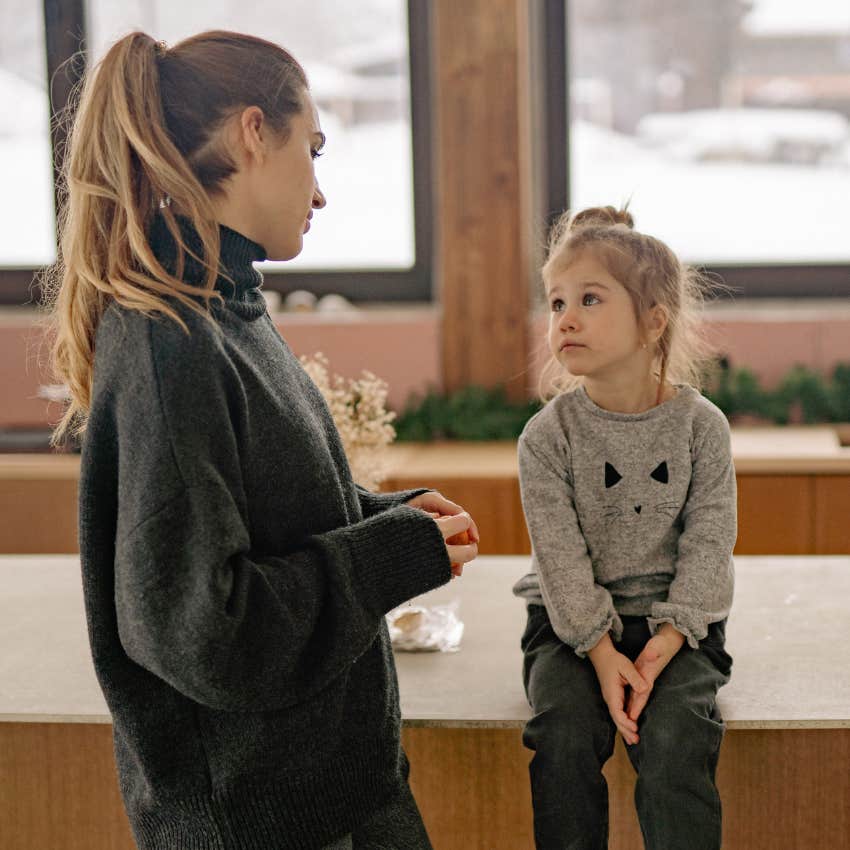
Some children are brought up in households where voicing opinions is generally discouraged. If they did, their opinion was seen as disrespectful or dismissed entirely by most or all of the family. Someone who grew up in this sort of environment will not be as inclined to be as vocal as someone who grew up in the complete opposite.
Children who are encouraged to share their thoughts learn that their voice matters. Even when parents disagreed, they listened respectfully rather than shutting down entire conversations. This family dynamic is rare these days and teaches kids that they hold value in social situations. As they grow older, they feel comfortable speaking up around new people instead of fearing they'll be judged or ignored.
2. They were regularly exposed to different kinds of people
There's no place in this world that is void of diversity. However, many children grow up seeing only one type of person or one set of people on a regular basis. Those who didn't grow up with the family habit of being exposed to a wide range of people most likely do not feel comfortable everywhere, compared to those who did.
Children understand when they are physically different from others, but research suggests that exposure to diversity at an early age helps prevent them from forming biases towards certain groups of people. When families make it a point to interact with people from different backgrounds, cultures, age groups, and lifestyles, their kids grow up seeing differences as normal. As adults, they aren't afraid of unfamiliar environments because they learned early on that there are many ways to live and connect.
3. Their family encouraged healthy independence
Trust is the key to feeling comfortable in any given environment, and people who feel this way usually grew up in a rather healthy, independent household. Rather than micromanaging every situation, these families gradually gave their children the opportunity to navigate life on their own because they trusted them. In return, their children grow up with a sense of independence, allowing them to feel comfortable in unfamiliar places.
Families who had the habit of interfering with their children's independence most likely raised them to live dependently. They may not feel comfortable everywhere because they were never given the space to explore on their own.
4. Mistakes were treated as learning opportunities
 Vitaly Gariev via Canva
Some parents raise their children to believe that making mistakes is one of the worst things they could possibly do. When children are mocked or made to feel foolish for mistakes they made growing up, they tend not to feel comfortable in many situations as adults. They may fear making mistakes around new people or in new places because they don't want a repeat of their childhood.
However, people who feel at ease everywhere aren't necessarily fearless; they're simply not worried about making mistakes. This mindset often begins in the home they grew up in. Their errors as children weren't met with shame or harsh criticism, but with the idea that mistakes are an important part of learning. This habit made it easier for people like this to try new things and interact confidently with others later in life.
5. They regularly participated in family conversations
In some households, children were expected to stay quiet while the adults did the talking. These children were not allowed to participate in the discussion because their age meant they could contribute nothing meaningful. Those who find they are not comfortable everywhere may have grown up in such an environment, but for those who didn't, it's a different story.
In others, children were welcomed with open arms to actively participate in family conversations, even if they were deemed to be adult conversations. Regular chitchat between family members helps children develop communication skills and confidence. This simple, but rare habit allows someone to take and develop these skills into adulthood, allowing them to feel comfortable virtually everywhere they go
6. Their home felt emotionally safe
When children know they are safe to express emotions without being ridiculed or punished, they develop a stronger sense of emotional security. Research from the American Psychological Association has linked emotional safety in childhood to healthier self-esteem and stronger social functioning later on in adulthood. Someone who feels comfortable everywhere and around anyone grew up with the rare familial habit of expressing their emotions safely.
Those who did not have such a luxury might find themselves quick to mask their emotions around others. This masking can make them feel uncomfortable in unfamiliar situations because they believe they can't express who they truly are or what they're truly feeling inside.
7. They were encouraged to be curious about the world
Many children are raised to be cautious of the world around them. They learn to avoid being too curious because it can potentially lead to risk or danger. Later on, these children might grow up to fear places or people they aren't familiar with. However, someone who grew up in a family where curiosity was nurtured might find that they feel comfortable everywhere.
Raising children to approach unfamiliar situations with curiosity rather than fear makes it much easier for them to adapt to new environments when they're older. Whether through travel, books, asking questions, or climbing that dangerous-looking tree that would really hurt to fall from, children who learn that the world is something to explore aren't afraid to let their guard down anywhere.
8. They always saw kindness
 rick734 via Canva
Children pay attention to and recognize different behaviors better than we realize, especially how family members treat other people. When children grow up watching empathy, respect, friendliness, and kindness practiced regularly and reciprocated most of the time, they learn that most social interactions don't have to be so trivial. As adults, they assume that positive intent is enough to connect with anyone and to feel comfortable everywhere.
This sometimes-rare habit can fail to show up in many children's lives as they grow up. They may have witnessed members of their own family not practicing kindness, or kindness not being returned. They don't feel comfortable everywhere because, to them, there is always a possibility of confrontation when kindness is absent.
Yessenia Munoz is a writer pursuing a Bachelor of Arts degree in English Literature who writes about lifestyle and reflective topics.

