
The Smartest Parents Make Sure To Teach Their Kids 11 Brilliantly Old-Fashioned Lessons
 tativophotos | Shutterstock
While there’s no such thing as a perfect parent, the best ones show up for their kids, teaching them empathy, compassion, trust, respect, and honesty in ways that add value to their lives, even into adulthood. This kind of profound impact lives in the ways parents instill good values into their children, and the smartest parents make sure to teach their kids certain brilliantly old-fashioned lessons.
While modern parenting has certainly caused debate in modern discussions online, parents still teach their kids lessons and give them advice can add nuance to new parenting styles and initiatives. From teaching emotional intelligence to contextualizing self-care and confidence, sometimes the traditional way is more impactful than modernized approaches.
The smartest parents make sure to teach their kids 11 brilliantly old-fashioned lessons
1. Express gratitude about the little things
 PeopleImages | Shutterstock
By modeling gracious behavior, like thanking their partner for coffee in the morning or holding the door open for a stranger, parents can ensure their kids grow up understanding how important both gratitude and empathy are.
In fact, children who learn to express gratitude early in life reap a number of positive benefits, from experiencing higher rates of happiness to living healthier, more fulfilling lives. The emotional benefits of spreading joy are not lost on empathetic people who value and express gratitude for the small things, and they tend to cultivate better relationships, both with themselves and others.
2. Tell the people in your life that you love them
 pics five | Shutterstock
Expressing love can look different for every individual and unique relationship, but teaching kids old-fashioned lessons about love doesn't necessarily need to be complicated. The smartest parents teach their kids that it's always a good thing to tell the people you love how you feel.
Just encouraging your kids to tell their friends and family members that they love them can be enough. Reminding them to be grateful for small things and teaching them about the sanctity of life can be profound enough for young minds to form their own mindsets.
3. Take accountability for your mistakes
 Ground Picture | Shutterstock
According to therapist Jara Bender, though it takes patience and time to develop responsibility for their actions and errors, smart parents should model accountability and create a safe environment for their children. It's uncomfortable, of course, but it's all part of the life lessons parents must teach their kids. Parents can guide their children toward healthier, more responsible behavior.
Of course, modeling that behavior is very influential for young minds. It means parents take accountability for their own mistakes and talk their kids through the importance of being honest and vulnerable.
4. Stand up for what you believe
 pics five | Shutterstock
Giving kids the keys to self-awareness and an outspoken mindset starts with teaching them confidence. When kids feel valued and celebrated for their unique identities at home, their anxieties about being validated don’t keep them from standing up for themselves and what they believe in.
According to justice writer Carey Wallace, the best advocates, whether in the area of political advocacy or simply personal confidence, tend to learn how to speak up for what they believe in from their parents. They were given the knowledge, tools, and resources to do so early in life, cultivating lasting confidence.
5. It's okay to ask for help
 Media_photos | Shutterstock
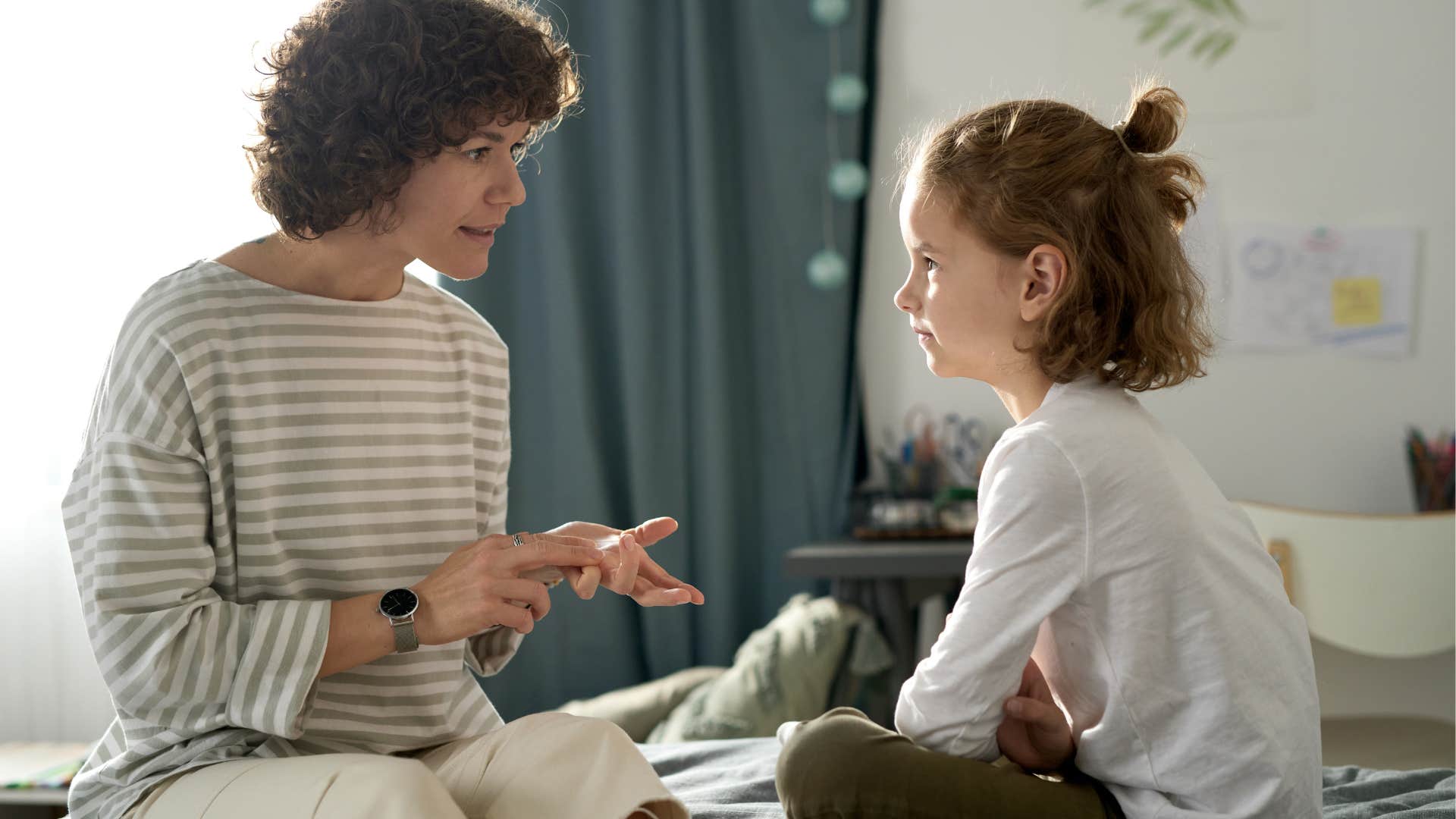
Asking for help can be intimidating, especially for kids who may not receive those skills from their parents. Kids tend to learn how to interact with others from their parents, so when they’re not taught that accepting help and asking for advice is actually productive, they fear it.
People who ask for help and advice are typically perceived as more competent by their peers, meaning kids who learn this skill early in life are set up for success in a wide variety of arenas. The smartest parents lead by example and teach their kids the brilliantly old-fashioned lesson of reaching out when they're in need, which can help them later in life as well.
6. If you fall, get back up
 Dasha Petrenko | Shutterstock
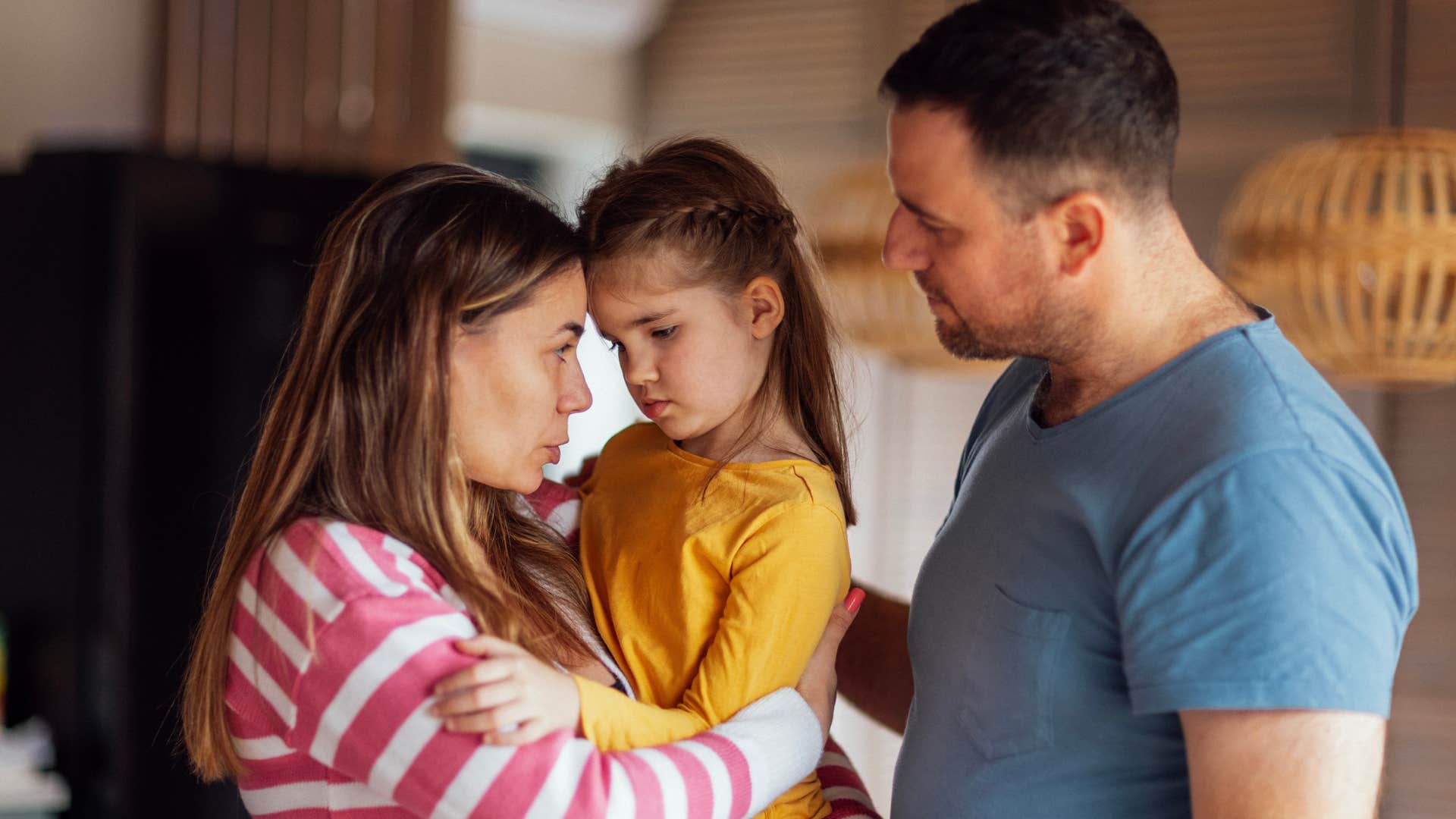
Reminding kids that making a mistake doesn’t equate to failure can hone their ability to persevere and maintain confidence in adulthood. When kids are taught that falling and getting right back up, facing challenges head-on and curiously engaging in conversations and situations, it helps develop their confidence.
There’s power in discomfort, especially for children still developing their identities and navigating their personal lives, as communications expert Ashley Robertson explained. By instilling this lesson into children early in life, parents teach them how to navigate conflicts in relationships, succeed in challenges at work, and prioritize their own personal well-being.
7. Acknowledge when you’re wrong
 fizkes | Shutterstock
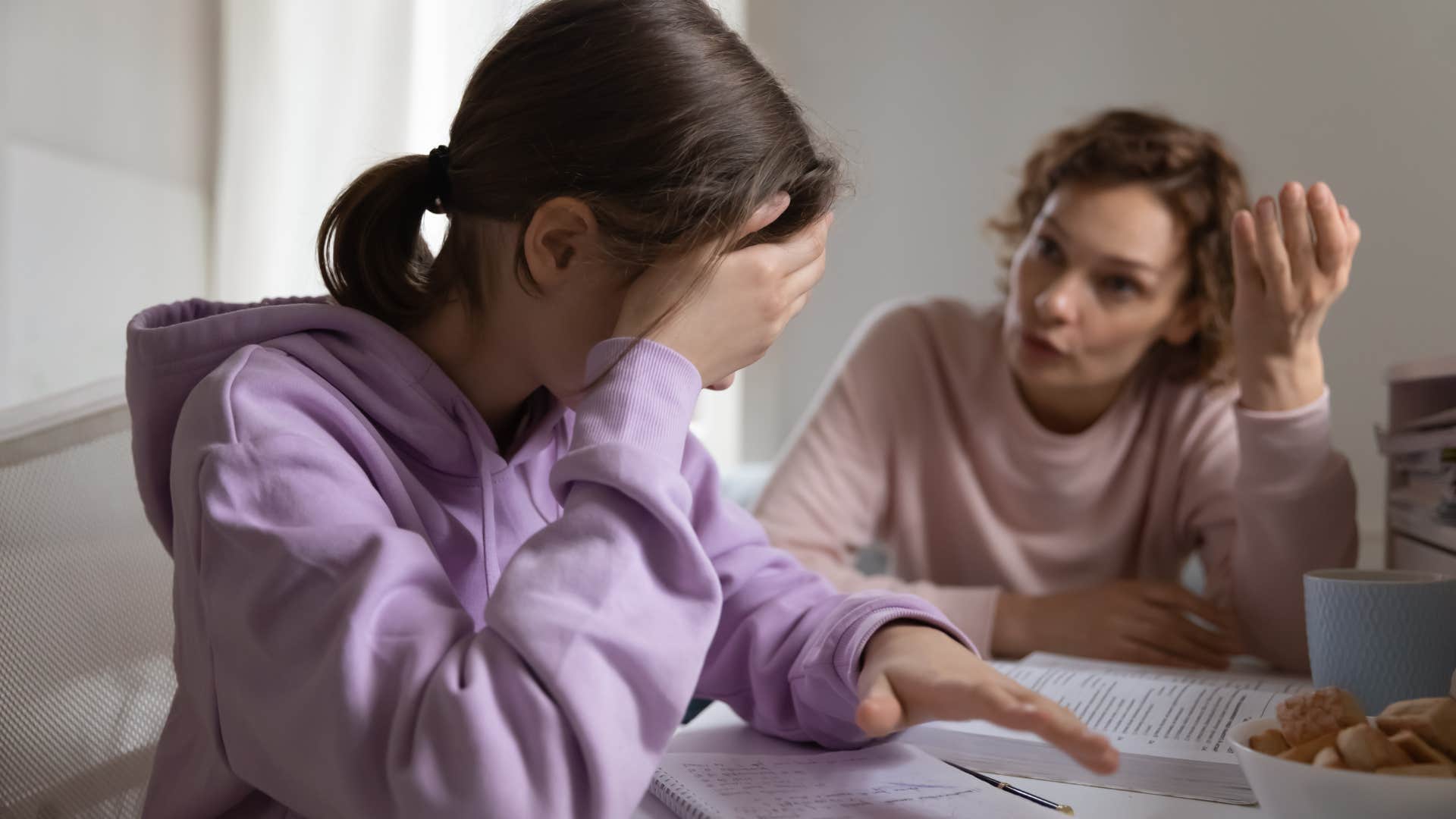
For kids to acknowledge they were wrong, it's about much more than just saying sorry, which is also an essential old-fashioned lesson that parents should instill in their kids. It's profoundly impactful for the health of their relationships and teaches them to be comfortable with discomfort.
Even in high-pressure situations or battling uncomfortable emotions like embarrassment, kids who were taught to apologize become self-aware adults. By modeling this kind of behavior at home and leading with empathy in the face of disappointment, parents can ensure their kids are equally comfortable with discouraging situations and accountable for their own passively hurtful actions.
8. Be kind to everyone
 fizkes | Shutterstock
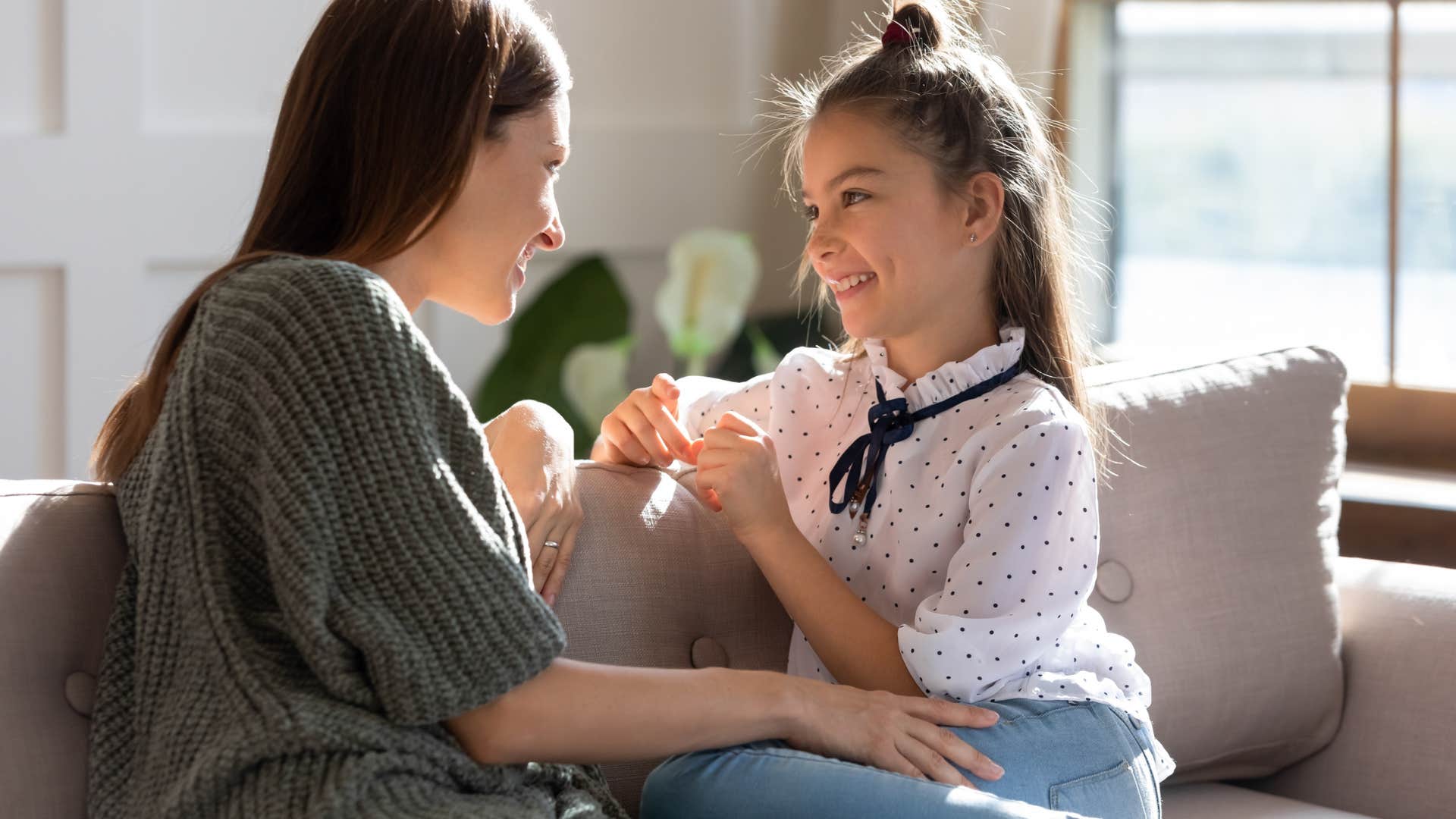
Parenting consultant Albiona Rakipi shared that teaching kids empathy isn’t always the easiest venture, as the complexities of human life, love, and struggle can be overwhelming for a child without a contextualized perspective of the world. However, teaching them to lead with kindness and compassion when interacting with anyone is a good place to start.
Not only are they more likely to build their own self-esteem through meaningful interactions with friends, peers, teachers, and even strangers, but they tend to cultivate healthier relationships that influence their identities early in life. Kindness shouldn't just be considered old-fashioned, because it's still essential in the society we live in. And if kids can accept the basics like this, so can adults around them.
9. Respect others, but also respect yourself
 Harbucks | Shutterstock
Teaching kids to respect themselves and others seems like a basic principle, but it often feels harder to achieve given younger generations’ technological accessibility, mental health struggles, and parenting dilemmas like relearning emotional intelligence.
But help children learn lessons about respect starts at home with parents who cultivate a safe space for kids’ voices to be heard and valued. Alongside respecting other people, teaching kids about self-respect and confidence starts with parents who already prioritize healthy habits in their own lives.
According to a study from the Journal of Early Adolescence, we learn how to respect ourselves by watching how our parents care for themselves. While it might feel like an old-fashioned life lesson, respecting ourselves and others is fundamentally important to our adult relationships, well-being, and life.
10. Honesty is the best policy
 Dragana Gordic | Shutterstock
Because honesty is a skill, the smartest parents begin teaching their kids from a young age to lead with it. In fact, teaching children about trust and honesty is foundational for the health of their future relationships.
Of course, in addition to discussing the importance of honesty with their kids in order to teach them this lesson, parents should also be modeling honesty themselves, responding to their kids’ dishonesty with firm consequences. Kids learn by example, after all.
11. Patience is a virtue
 Prostock-studio | Shutterstock
Considering our culture runs on instant gratification, many children today struggle with patience. While it’s much more difficult to teach the principle, parents can model healthy behavior. Patience is linked to better mental health, as they can cope better with stressful situations.
When parents create small opportunities to praise patience on a daily basis, and model their own patience in the face of exciting opportunities, they can ensure their kids understand the value of this skill in their personal lives. And by practicing mindfulness, they actually become less impulsive and more self-regulated.
Zayda Slabbekoorn is a senior editorial strategist with a bachelor’s degree in social relations & policy and gender studies who focuses on psychology, relationships, self-help, and human interest stories.

