
People Who Can Never Choose A Parking Spot Often Share These 11 Traits
 adriaticfoto / Shutterstock
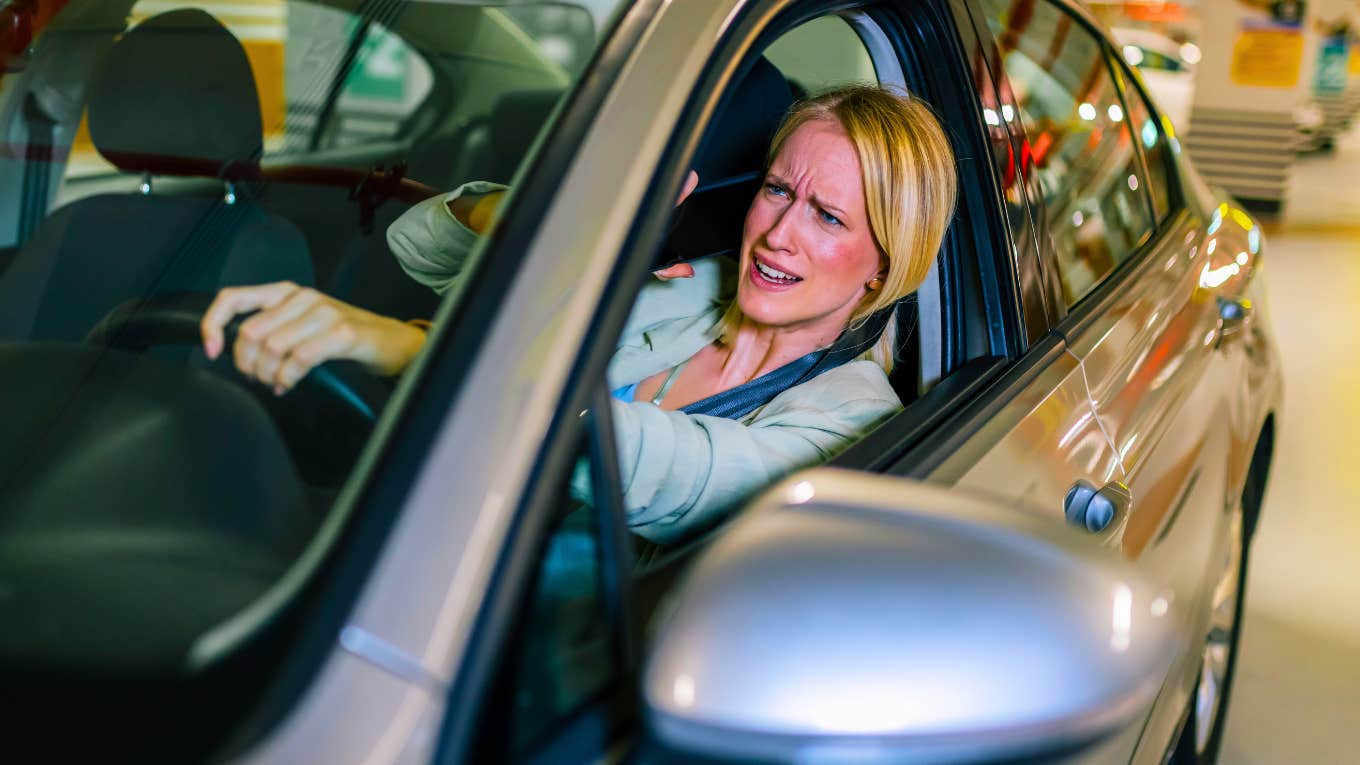
Most people have experienced that moment in a parking lot where someone slowly circles, pulls toward a space, changes their mind, and keeps driving. For some individuals, choosing a parking spot seems surprisingly difficult. What looks like a simple decision from the outside can actually reflect deeper personality tendencies related to decision-making, risk tolerance, and how people process information.
Psychologists often note that everyday decisions, even small ones like where to park, can reveal patterns in how someone approaches choices in general. People who struggle to settle on a parking space may be weighing multiple possibilities, imagining potential inconveniences, or trying to make the “best” choice rather than simply a good one. While it may look indecisive, the habit often reflects personality traits that also show up in other parts of life.
People who can never choose a parking spot often share these 11 traits
1. They tend to overthink small decisions
 PerfectWave / Shutterstock
For many people, choosing a parking spot involves a quick scan and a simple choice. However, individuals who hesitate often process even minor decisions more deeply. Some people naturally evaluate many variables before acting.
They may consider distance, ease of exiting later, nearby traffic, or how crowded the area might become. Instead of picking the first reasonable option, they continue searching for a slightly better one. This pattern reflects a tendency toward careful evaluation. While this can be helpful in complex situations, it can also slow down simple choices.
2. They imagine multiple possible outcomes
 PeopleImages / Shutterstock
People who hesitate in parking lots often run through several scenarios in their minds. They may wonder whether another driver might block them in or whether the space will be difficult to leave later.
Individuals who think in scenarios often do so to avoid potential inconvenience. This forward-thinking can help prevent problems in many situations. However, it can also make small decisions feel more complicated than they need to be. The mind begins analyzing possibilities that may never actually occur.
3. They prefer optimizing over settling
 PeopleImages / Shutterstock
Some people are comfortable choosing the first option that works well enough. Others naturally look for the best possible choice among available options. Behavioral economists describe this difference as “maximizing” versus “satisficing.”
Maximizers tend to keep searching for a better option even when a perfectly acceptable one is already available. When applied to something like parking, this mindset can lead to extra laps around a lot. The goal becomes finding the ideal spot rather than simply parking.
4. They like maintaining control over situations
 insta_photos / Shutterstock
Choosing a parking space might seem trivial, but for some individuals it represents control over how smoothly the next few minutes unfold. People who prefer predictability often try to structure small details of their environment.
Parking closer to an exit, choosing a spot that allows an easy departure, or avoiding tight spaces can all feel like ways to manage future inconvenience. The decision becomes part of creating a sense of order in a busy environment.
5. They notice logistical details others ignore
 Tonuka Stock / Shutterstock
People who hesitate while parking often see factors others barely notice. They might pay attention to the angle of the space, nearby traffic patterns, or how easy it will be to back out later.
Some individuals naturally process environmental details more thoroughly than others. This awareness can be beneficial in many contexts. However, when applied to quick decisions, it can slow the process down. The extra information creates more variables to evaluate.
6. They dislike feeling rushed into decisions
 MAYA LAB / Shutterstock
Busy parking lots can create pressure to choose quickly. People waiting behind them or traffic moving through the lot can increase that pressure.
Some individuals respond to time pressure by becoming more cautious rather than faster. Instead of making a rushed decision, they may continue driving until they feel confident about the choice. Their hesitation often reflects a preference for thoughtful decisions rather than impulsive ones.
7. They tend to anticipate inconvenience
 fizkes / Shutterstock
Some people instinctively think about what could go wrong later. Parking in a tight space, getting blocked by another car, or having difficulty leaving might all come to mind.
People who imagine future obstacles often do so to reduce frustration later. While this habit can help avoid problems, it can also create unnecessary worry about minor inconveniences. As a result, they may continue searching for a spot that feels safer or easier.
8. They often apply the same thinking style to bigger decisions
 PerfectWave / Shutterstock
Difficulty choosing a parking spot can reflect broader decision patterns. People who carefully analyze small choices often approach larger life decisions the same way.
Analytical thinkers tend to gather more information before committing to a choice. This thoroughness can lead to well-considered decisions in serious situations. However, the same pattern may appear even when the stakes are low. The mind simply prefers evaluating options thoroughly.
9. They want to avoid regret
 StockLite / Shutterstock
Regret plays a powerful role in human decision-making. People often try to avoid situations where they might later feel they made the wrong choice.
Someone who parks immediately might later notice a better spot nearby. For individuals sensitive to regret, this possibility can influence their behavior. By continuing to search for a good option, they reduce the chance of second-guessing themselves afterward.
10. They are often careful planners in other areas of life
 Ground Picture / Shutterstock
The same people who hesitate in parking lots often show similar caution in scheduling, planning, or organizing tasks. Individuals high in conscientiousness tend to think ahead and plan carefully.
They prefer minimizing unnecessary complications. While parking is a small decision, it still fits into their broader habit of planning ahead. This trait can make them reliable and thoughtful in many areas of life.
11. They simply like making thoughtful choices
 PeopleImages / Shutterstock
At the core of this habit is often a preference for thoughtful decision-making. Instead of acting automatically, these individuals like feeling that they have considered their options.
Some people naturally pause before making choices, even small ones. This tendency can create better outcomes in complex situations. In everyday scenarios like parking, it simply means they take a little longer to decide.
Sloane Bradshaw is a writer and essayist who frequently contributes to YourTango

