
11 Rare Signs You're Actually A Genuinely Good Parent
 Halfpoint | Shutterstock
There’s no such thing as a perfect parent, and there’s no such thing as a perfect childhood. Parents make mistakes, as do their children, but in order to show up as their best selves for their kids, parents need to give themselves grace. Rather than aiming for impossible standards, it's all about making their kids feel not only safe with them, but connected to them as well.
Though the rare signs you're actually a genuinely good parent won't usually become evident until years down the road, it's important to remember that keeping an open heart and open mind brings parents and kids closer. Because the greatest things that parents can do is to lead with compassion and encouragement at every turn.
Here are 11 rare signs you're actually a genuinely good parent
1. You make your kids feel safe to express themselves
 PeopleImages | Shutterstock
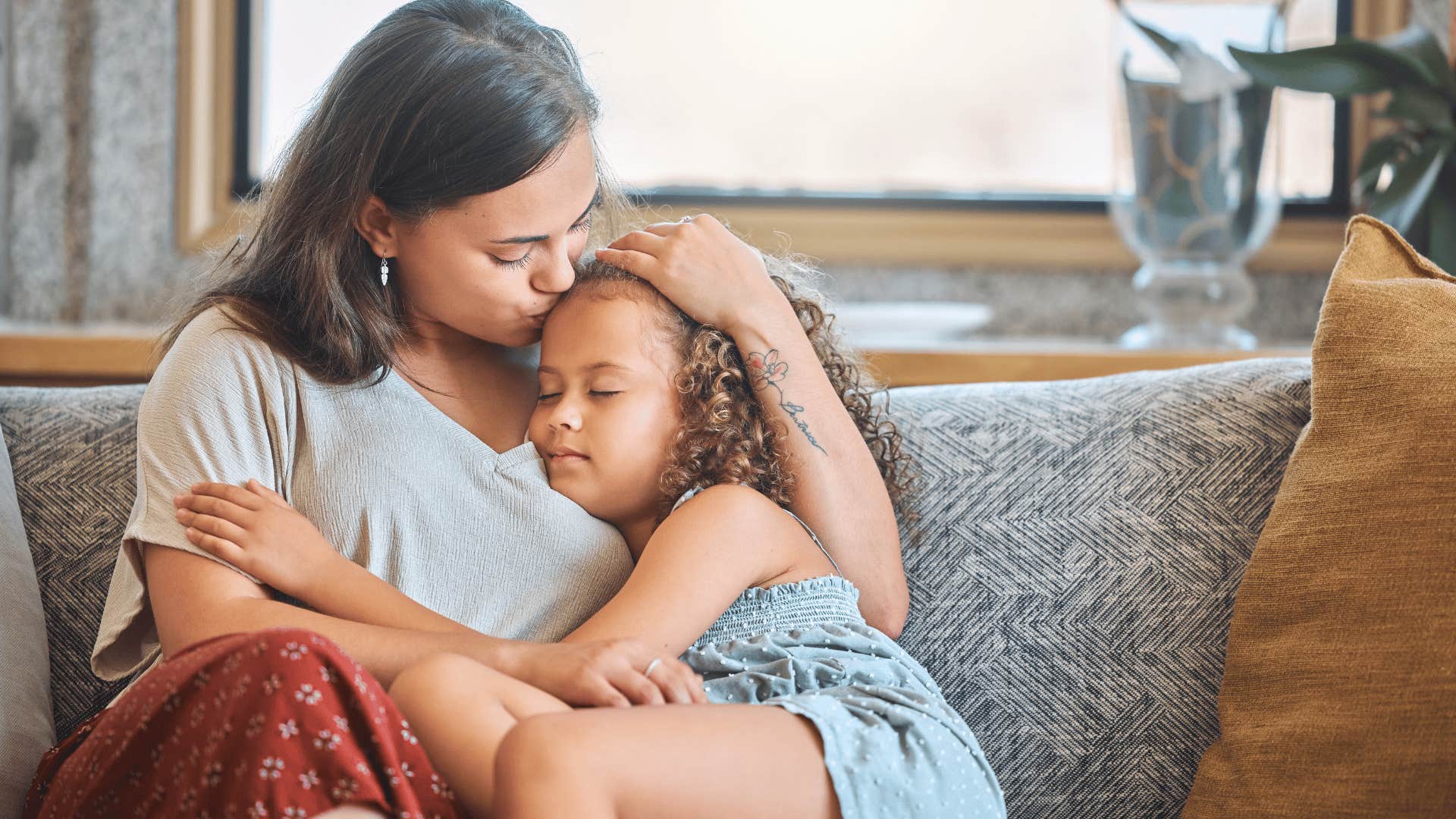
A healthy family life is based on unconditional acceptance and safety. Part of a parent’s role is protecting their kids from harm, and kids need their parents to create a safe space for all their feelings, even the ones that are hard to hold.
When parents allow their kids to express their feelings without feeling shame or blame, they're raising their kids to be emotionally intelligent. And as licensed marriage and family therapist April Eldimire revealed, emotional intelligence doesn’t just appear. Instead, it’s something that parents have to help their kids cultivate.
When parents dismiss or diminish the big feelings their kids have, they’re setting the example that their feelings are bad. And punishing kids for how they feel is essentially punishing them for being human. Good parents, on the other hand, help their children navigate negative emotions and give them the tools to put words and meaning to how they feel.
2. You teach your children to walk away from toxic situations
 fast-stock | Shutterstock
If you're a genuinely good parent, you've encouraged your kids to steer clear of any toxic situations, whether it was with a bully on the playground or any circumstances that made them feel unsafe. Because you taught them to prioritize their self-worth, as adults they form healthy relationships and avoid anything that doesn't serve them.
Our relationships reflect how we truly feel about ourselves deep within. If you don’t love yourself, you’ll gravitate toward people who prove to you how unworthy you are. You settle for what you think you deserve, which isn’t much. But self-compassion starts with recognizing that you’re worthy of loving, healthy relationships.
3. You encourage them to work through their struggles
 BearFotos | Shutterstock
Good parents make it a point to allow their kids to feel what they feel, and not interfere when they're solving their own problems. Maybe they're feeling frustrated with schoolwork or are having trouble expressing themselves fully. No matter what the situation is, a healthy parent will be there to encourage them to get through whatever is bothering them.
"Certainly, parents can be supportive by discussing the problem and asking their child how they might handle the situation. In this way, letting the child deal with their upset can help them develop necessary problem-solving skills and build self-confidence. It can be quite empowering to a child when they are able to resolve their own issues effectively," licensed marriage and family therapist David Schwartz explained.
4. You offer support at every turn, without judgment
 DimaBerlin | Shutterstock
Good parents celebrate their kids' wins with humilty and grace, and truly want them to succeed. But even when their kids don't accomplish the goals they've set for themselves or have unique hobbies they want to immerse themselves in, caring parents will be supportive no matter what.
Because you raise your kids like this, their ambition is focused on doing the best for themselves. They keep their eyes on the prize and want to win, but know that they can’t take first place every time. Instead, they comfortably hold space for other people’s wins without feeling threatened.
5. You reassure them that failure isn't a bad thing
 Iryna Inshyna | Shutterstock
When parents jump into action at the slightest sign of distress, they do their kids a disservice. But because you're actually a genuinely good parent, you let your kids face challenges on their own. Rather than telling them that winning is everything, you helped them realize that failure is a great opportunity for growth, and that creates resilience.
As teacher and parenting writer Jessica Lahey pointed out, "We’ve ended up teaching our kids to fear failure and, in doing so, we have blocked the surest path to their success. Out of love and a desire to protect our children’s self-esteem, we have bulldozed every uncomfortable bump and obstacle out of their way, depriving our children of the most important lesson of childhood: that setbacks, mistakes and failures are the very experiences that will teach them how to be... resilient."
6. You help your kids trust their instincts
 Dasha Petrenko | Shutterstock
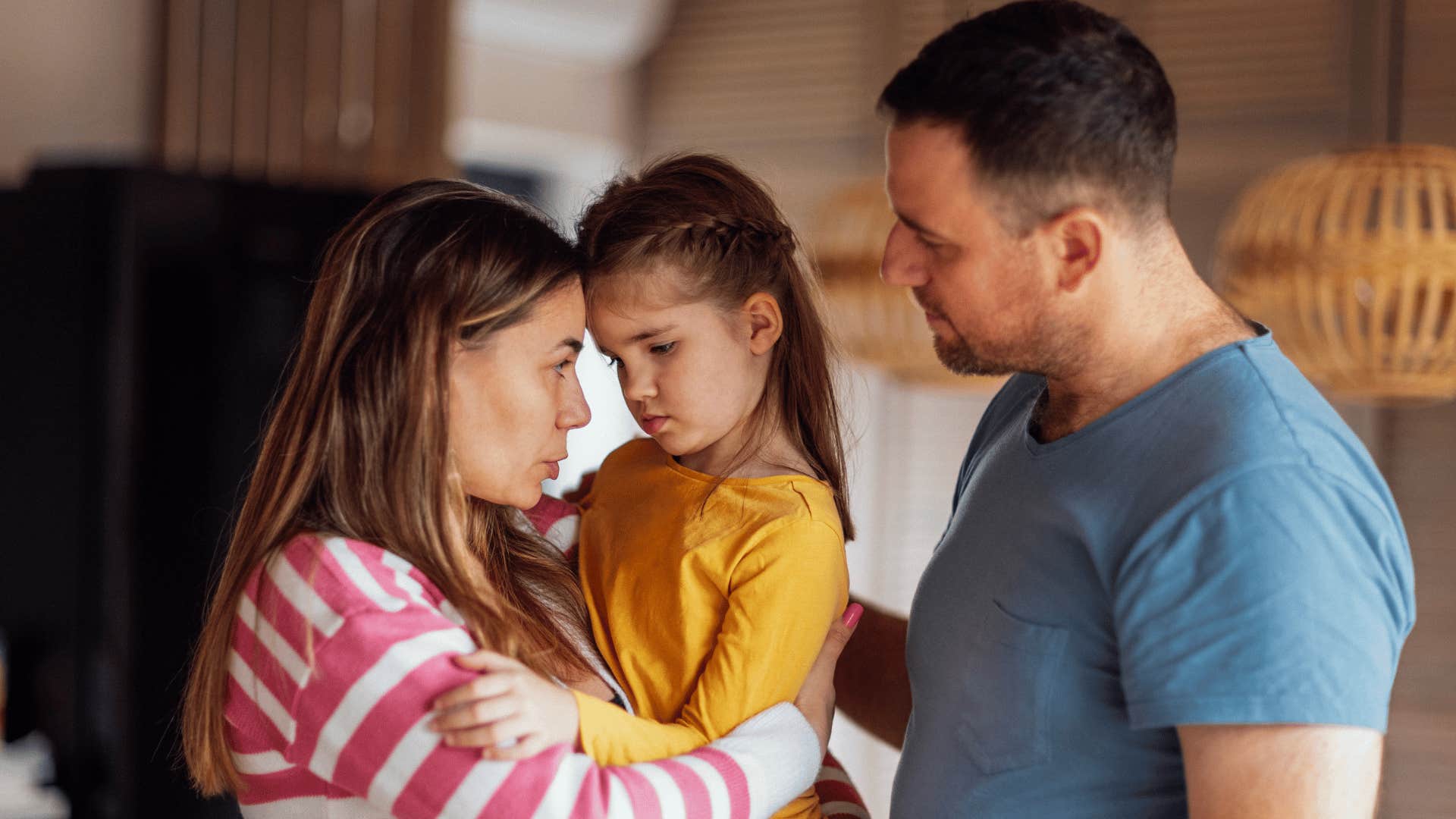
As scary and overwhelming as our world can be, when kids trust themselves, in childhood as well as when they grow into adults, it's because they had genuinely good parents to guide them. As a parent, you taught your kids to trust their instincts and the inner voice telling them to push through.
Experts explain that parents can instill this trust of themselves by encouraging their children to be self-aware and validate their feelings. By doing this, parents encourage their kids to recognize how they actually feel, and that can help them make good choices along the way.
7. You instill in your children that life won't always go their way
 Maria Sbytova | Shutterstock
While some parents tell their kids that their hard work will always be rewarded, good parents teach the very real lesson that things won't always go according to plan. Even when parents mean well by trying to be inspiring, the truth is that life has its ups and downs, and even if you've worked hard, it won't pay off in every instance.
As a parent, you helped your kids understand that disappointment is a normal part of growing up. You told them that life is unpredictable and unfair, but it's how we recover from those setbacks that define us.
8. You help them find gratitude for the little things
 Budimir Jevtic | Shutterstock
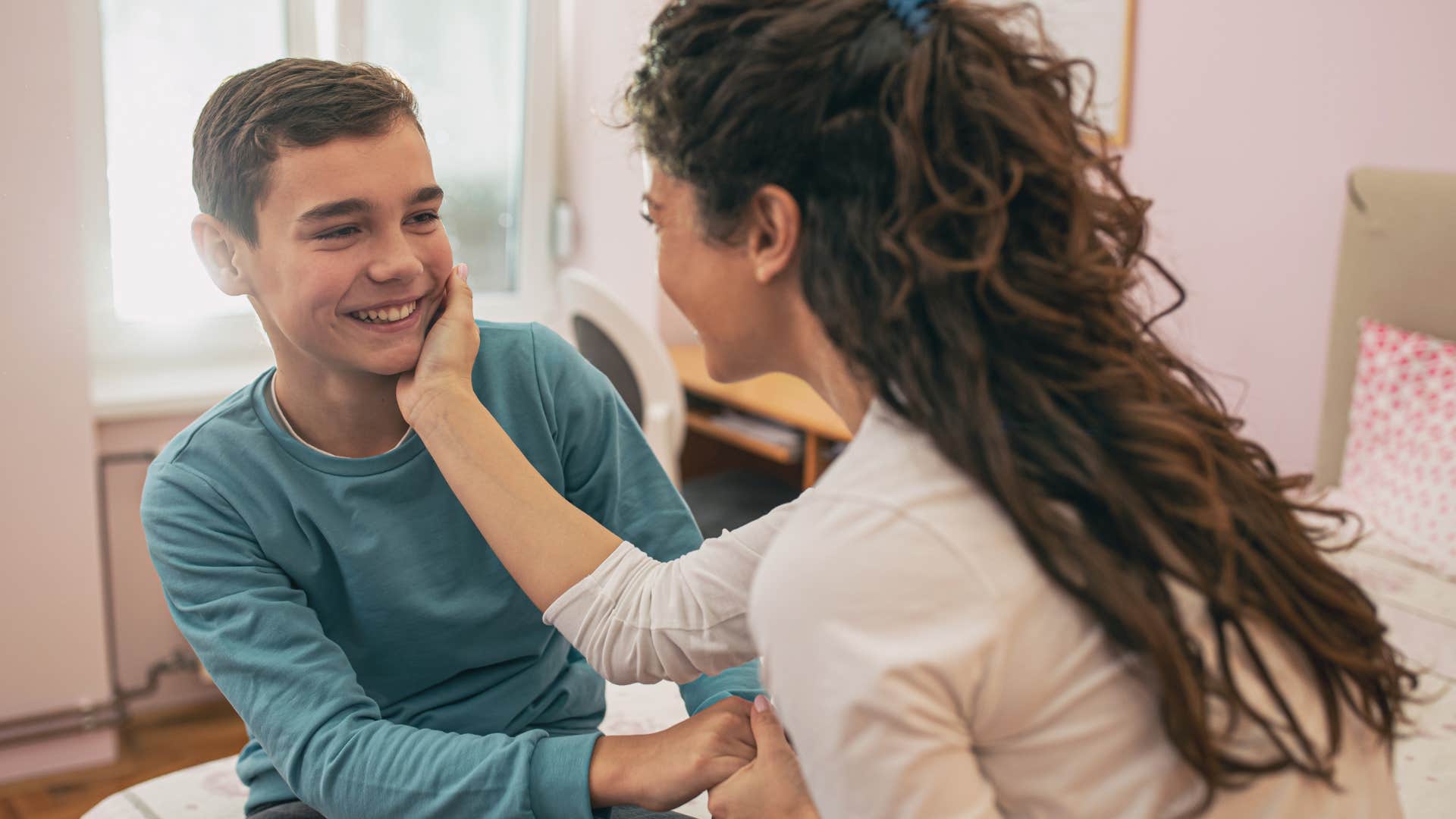
Because you showed your kids that there's always something to be grateful for, they walk through life appreciating even the smallest moments. They lead with good manners and treat others how they want to be treated, but also aren't afraid to sit in stillness and cherish all the good things they have.
But gratitude is about much more than saying "thank you." For parents to instill this mindset, they can do other things like reading stories about generous people or taking time at the end of the day to discuss one thing they're thankful for.
9. You foster the skills needed to sit with discomfort
 Valery Zotev | Shutterstock
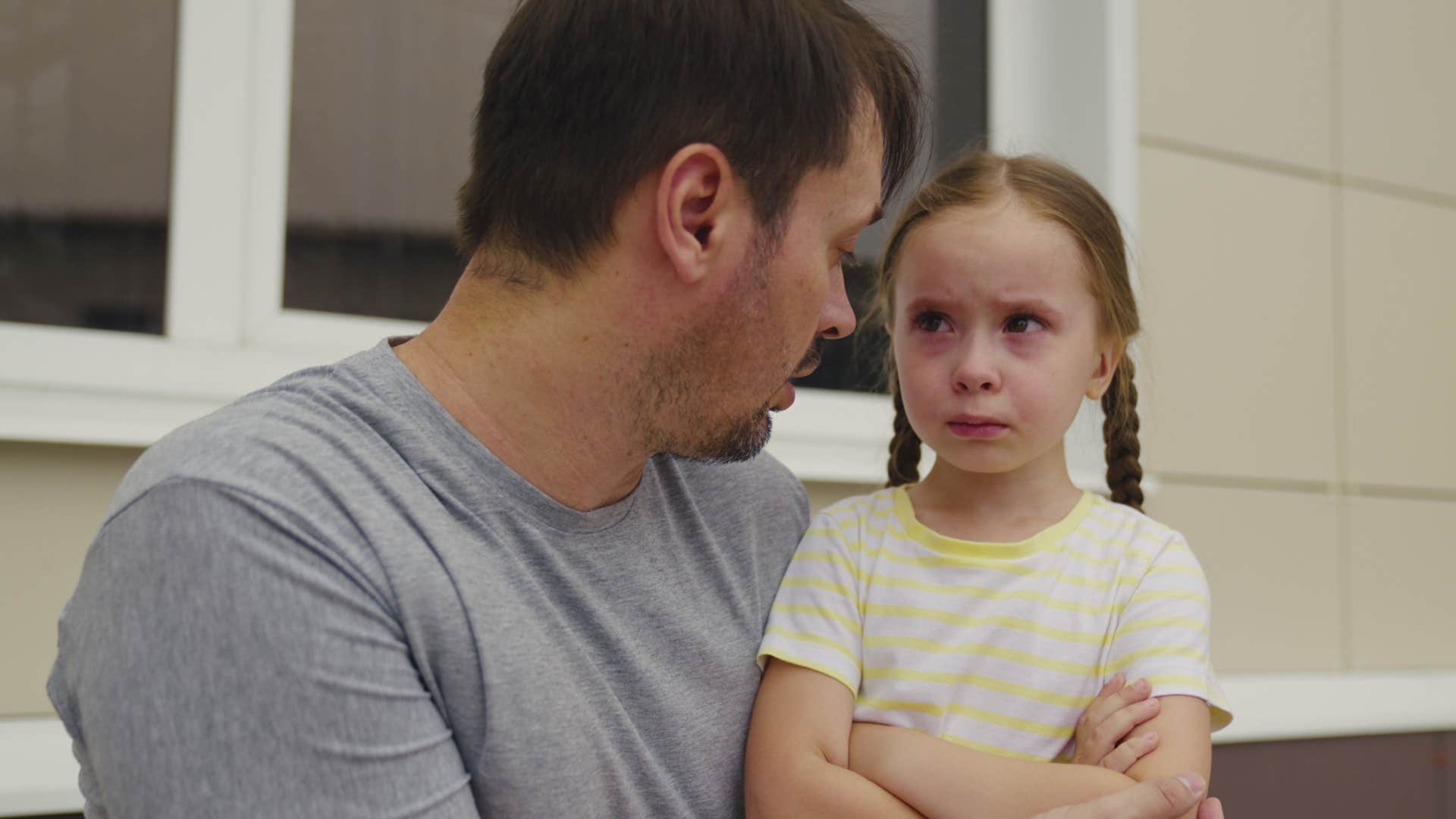
A genuinely good parent helps their kids build the foundation of emotional resilience, giving them the skills they need to sit with discomfort that they'll inevitably face. As counterintuitive as it seems, accepting hardship is the only way to get to the other side of it.
According to licensed psychologist Melissa Horowitz, acceptance comes from a mindset of willingness. "Sometimes it can feel like everything is unpleasant and painstakingly hard and unfair. Whether something is unpleasant or hard or unfair, it can become more bearable when one is in a willing state of mind," she said.
"Willingness is the way one thinks and acts in each situation. Willingness is about participating in life... The purpose of this skill is to promote acceptance... and to struggle less and to have a better quality of life," Horowitz concluded.
10. You lead with kindness
 Benevolente82 | Shutterstock
According to multiple research studies presented by UC Davis Health, positive parenting is when parents lead with compassion to guide them through life. Doing so not only helps set children up for success, but creates a happier and healthier life for them in adulthood.
When their kids become grown-ups, they take these lessons with them. During hard times, they speak to themselves with love and acknowledge that healing isn't linear. They're gentle towards themselves, just like how their parents taught them when they were young.
11. You don't try to 'fix' their problems
 MiniStocker | Shutterstock
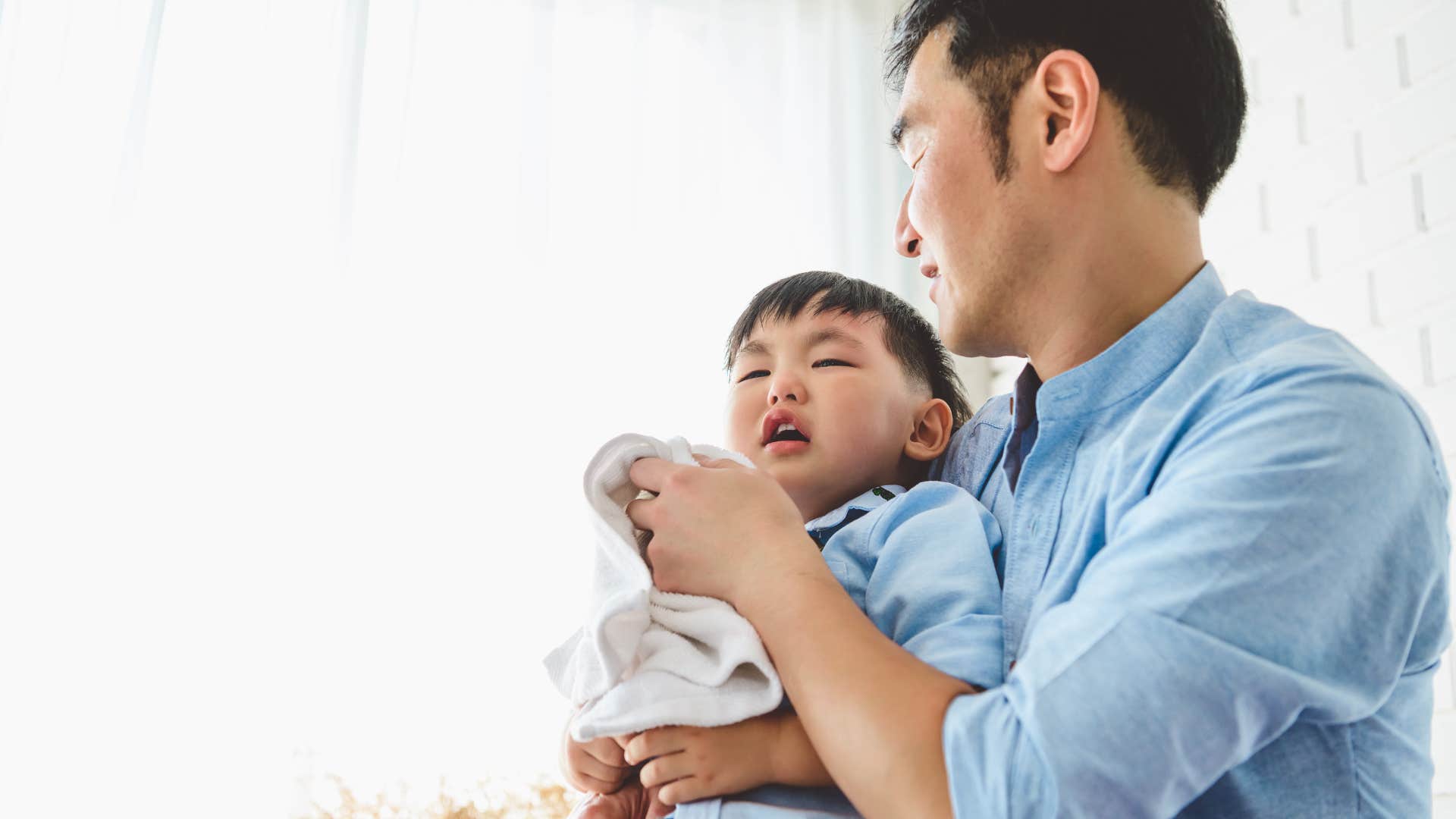
When you're a genuinely good parent, you know that your kids will surely come across troubles as they grow up. Rather than telling their kids that they need to be happy every day, they let them feel what they need to feel, and refrain from trying to "fix" what's making them upset. You taught your children that no emotion lasts forever, and that it's possible to hold two different feelings at once.
Pediatric psychologist Meghan Walls explained, "We hate to see our children worry and struggle. With the best of intentions, we think we are being helpful by trying to solve our kids’ problems for them... In fact, by solving our children’s problems for them, we interfere with our children’s ability to develop the effective coping mechanisms needed to deal with these challenges."
Walls suggested that instead of interfering, parents can normalize worry and validate feelings, all without trying to "save the day" or offer unnecessary advice.
Alexandra Blogier, MFA, is a writer based in Boston, Massachusetts who covers psychology, social issues, relationships, self-help topics, and human interest stories.

