
11 Polite Phrases People With Good Manners Say That Have Gone Out Of Style With Gen Z
 PeopleImages | Shutterstock
As a study from the University at Buffalo explains, shifting minds contributes to shifting behaviors amongst individuals. Especially as societal norms and expectations change with every new generation, the collective mindsets that influence things like “manners” change along with them.
While young people have their own reasons for changing behaviors and pushing back on social norms, the polite phrases people with good manners say that have gone out of style with Gen Z are sorely missed. Especially as narcissism and entitlement continue to grow, they’re needed more than ever.
Here are 11 polite phrases people with good manners say that have gone out of style with Gen Z
1. ‘Please’
 Drazen Zigic | Shutterstock
According to a study from Social Psychology Quarterly, saying “please” and “thank you” is becoming less common amongst young people, but also across all age groups. As we’re pushed into a more entitled culture, where comfort and convenience are more important than connection and respect, fewer people are taking the effort to offer this basic respect.
While it might seem like a small shift, it’s just one piece of the puzzle for Gen Zers who are experiencing a lack of community and connection in their daily lives.
2. ‘Excuse me’
 BearFotos | Shutterstock
Largely as a result of living in a selfish society, many young people are missing out on the connection of basic acts of courtesy, whether it’s saying “excuse me” when walking near someone or holding the door open for a stranger. Whether they’ve intentionally decided not to do these things or never learned, they’re missing out on mediating their collective loneliness by overlooking them.
They’re a foundation of “good manners,” but for people who didn’t learn them or were socialized into prioritizing different things, it’s second nature to put themselves first.
3. ‘You’re right, I’m sorry’
 SynthEx | Shutterstock
While many Gen Zers feel defensive over their beliefs, especially in a culture that urges people to have everything figured out and protect their individuality, being unable to change their minds is somewhat of an issue.
Especially when it prevents them from having productive conversations with people who disagree with their beliefs, and being defensive in the face of new information that urges them to change their minds, they miss out on chances to grow their own self-assuredness. Of course, being able to own up to being wrong or making a mistake is an act of respect in its own right.
4. ‘I’m heading out’
 encierro | Shutterstock
While leaving early and doing an “Irish goodbye” without acknowledging anyone saves people an average of 2 days a year, according to a study from the University of New South Wales' Time Management Institute, basic manners and expectations urge people to be more courteous.
Even if it takes more effort and time for someone to say “goodbye” or find the host of the party to leave, it’s a polite phrase that other generations are gaining a lot from. They’re offering respect and building relationship satisfaction, while Gen Z may be slowly chipping away at trust and connection by putting their own well-being first.
5. ‘Thank you for the help’
 PeopleImages | Shutterstock
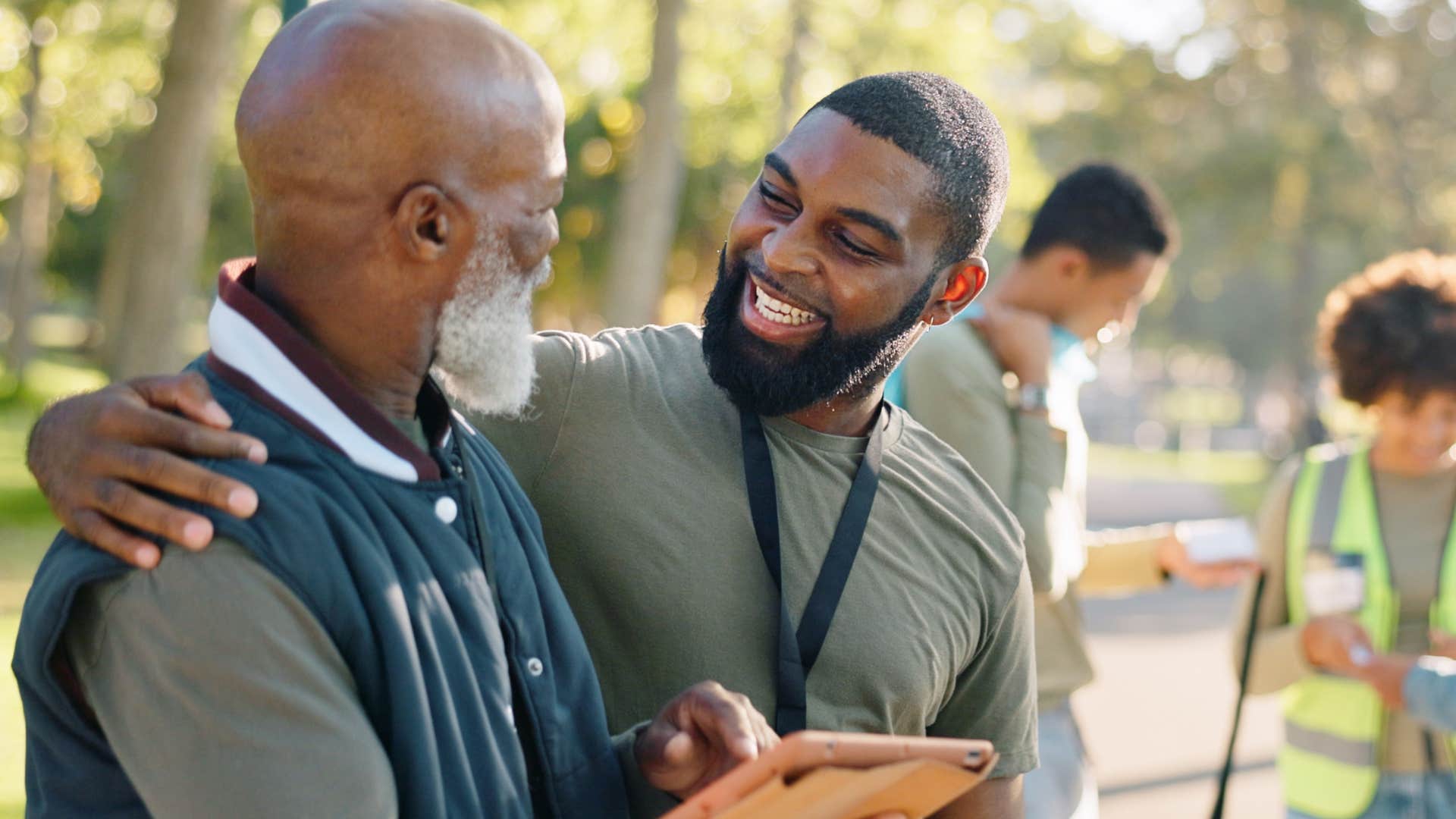
Despite research that explains the benefits of gratitude, from reducing stress to improving performance under pressure, and boosting relationship well-being, many young people struggle to make space for polite phrases like “thanks for the help” in their daily lives.
Whether it’s a lack of practice from being isolated in our hyper-digital landscape or never having learned how to healthily express basic manners in social situations, they’re missing out on the value of appreciating people amid daily life.
6. ‘I appreciate the feedback’
 fizkes | Shutterstock
While accepting and receiving feedback in healthy ways is generally a shared human struggle, many younger generations are collectively missing out on learning opportunities to grow by getting defensive in the face of constructive criticism. With a lack of basic manners and politeness, and a desire to seek comfort, they struggle to be told what they’re doing wrong, especially when it comes with little to no praise.
While it’s easy to chalk up their defensiveness around feedback to selfishness or impoliteness, the truth is that they’re relatively untrained. Especially in professional settings where they’re challenging social norms and carving their own way forward, Gen Zers, specifically, simply aren’t sure how to navigate discomfort and stress like their seasoned colleagues.
7. ‘I’m sorry for interrupting’
 Zoran Jesic | Shutterstock
Interruptions in conversations, even when they seem harmless or come from someone with good intentions, tend to be a signal of disrespect, especially when they happen consistently. They sabotage our conversational momentum, but they also tell someone that they’re not worthy of space to talk without worrying about demanding attention and begging people to listen.
While other generations practice social skills, including active listening, young people who have been socialized into isolation and selfishness are far more likely to avoid apologies for interrupting and to do it for their own comfort and space.
8. ‘Whenever you have a moment’
 Krakenimages.com | Shutterstock
While the most respected and respectful people manage their own energy and time, they are also considerate of the people around them. Even in positions of power or when they’re stressed out, they don’t miss the opportunity to provide a safe space for others, even if it’s just with a polite phrase like “whenever you have a moment” when asking for something.
On top of manners and politeness, simply asking for help is a lost behavior in younger generations. According to a Stanford Report, it’s not always comfortable to ask for help, but leaning into that difficulty bonds people closer and creates a sense of importance that most miss out on.
9. ‘Would you mind if I...’
 La Famiglia | Shutterstock
While it’s not always healthy to constantly ask for other people’s permission to do something, in certain situations, it’s a basic offering of respect to simply consider someone else. Whether it’s doing something at work and being transparent with colleagues or keeping a friend’s emotions in mind before making a choice, people feel more seen and valued when they’re considered.
Gen Z aren’t innately selfish or self-centered, but rather socialized into protecting themselves and looking out for their best interests. So, their lack of basic manners doesn’t come from poor intentions, but a reflection of the society they’ve been forced to grow up and live within.
10. ‘It was nice to meet you’
 Jelena Zelen | Shutterstock
While feeling valued is a core human need, in our isolated culture, interactions with strangers and loved ones don’t always offer that safety and belonging. Whether it’s selfishness rising in our society or stress that makes people feel defensive over their effort and time, many young people miss out on helping people feel seen with simple phrases like “it was nice to meet you.”
However, considering they’ve grown up with technology and constant screen time, it’s not surprising that they sometimes lack these fundamental manners in social interactions.
11. ‘I appreciate you’
 Josep Suria | Shutterstock
Whether it’s for something as small as lending a hand at work or running errands when they don’t have time, people with an innate sense of consideration for others make time to appreciate them. It not only makes others feel valued, but it also gives them all the benefits of gratitude without much effort.
However, with Gen Z’s hyper-focus on personal needs, comfort, and individuality, caring about others, especially strangers, in this thoughtful way isn’t always their main focus. Yes, they’re advocates for social justice collectively, but when it comes to daily interactions, they may be too caught up in the “rat race” to consider people.
Zayda Slabbekoorn is a senior editorial strategist with a bachelor’s degree in social relations & policy and gender studies who focuses on psychology, relationships, self-help, and human interest stories.

