
Low-Quality Parents Rely On 11 Toxic Behaviors That Affect Their Kids For Life
 Dikushin Dmitry | Shutterstock
The majority of adolescents and even adult children report having positive relationships with their parents, characterized by warm and affectionate discipline, as well as open communication. But not everyone is so lucky to have caring, nurturing parents that help shape them into well-rounded people, because low-quality parents rely on very specific toxic behaviors that affect their kids for life.
Though being a bad parent doesn't generally make you an inherently bad person, many of these toxic behaviors stem from their own emotional turmoil and insecurities. They may love and care for their child, but coping with their own issues disconnects them from being fully present and responsible. Fortunately, acknowledging these behaviors can help adult children heal from their childhood experiences and struggles, giving them the freedom to move forward.
Low-quality parents rely on 11 toxic behaviors that affect their kids for life
1. They frequently say their life would be better without kids
 Nicoleta Ionescu | Shutterstock
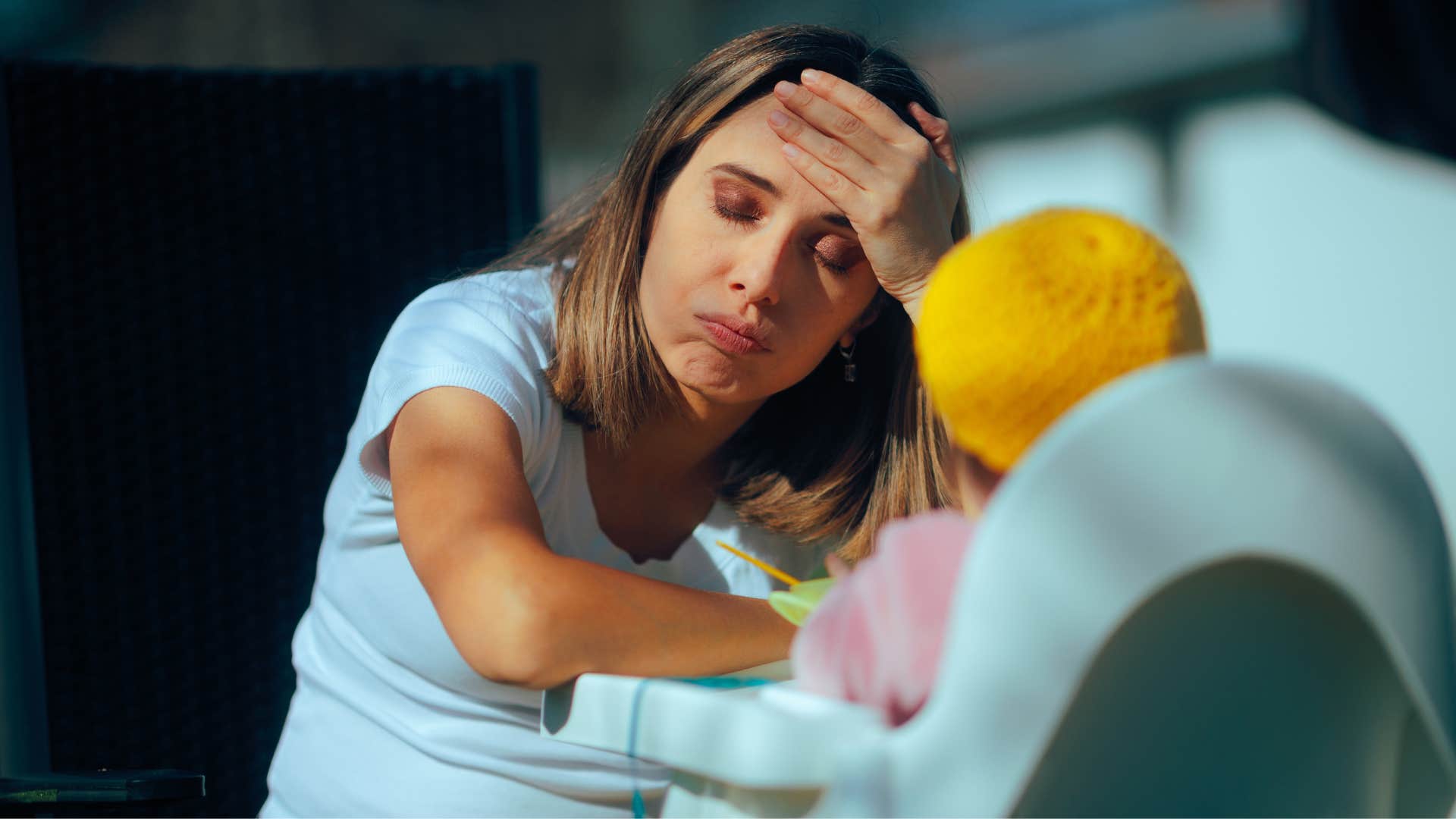
Whether it's social or personal, some adults tend to alienate themselves from their parental identities, going as far as to resent their own kids for making them a parent or giving them responsibilities. They may even verbally express how much they didn't want kids, and how different their lives would be had they remained childless.
A study published in Frontiers in Psychology found that parents who struggle to form a "stable parental identity" often develop depressive symptoms and mental health struggles, making it even harder for them to bond with and fully show up to support their kids. Especially when having children is largely unplanned, it's not surprising that many low-quality parents have to overcome the discomfort of responsibility.
2. They avoid conflict or arguments
 Chay_Tee | Shutterstock
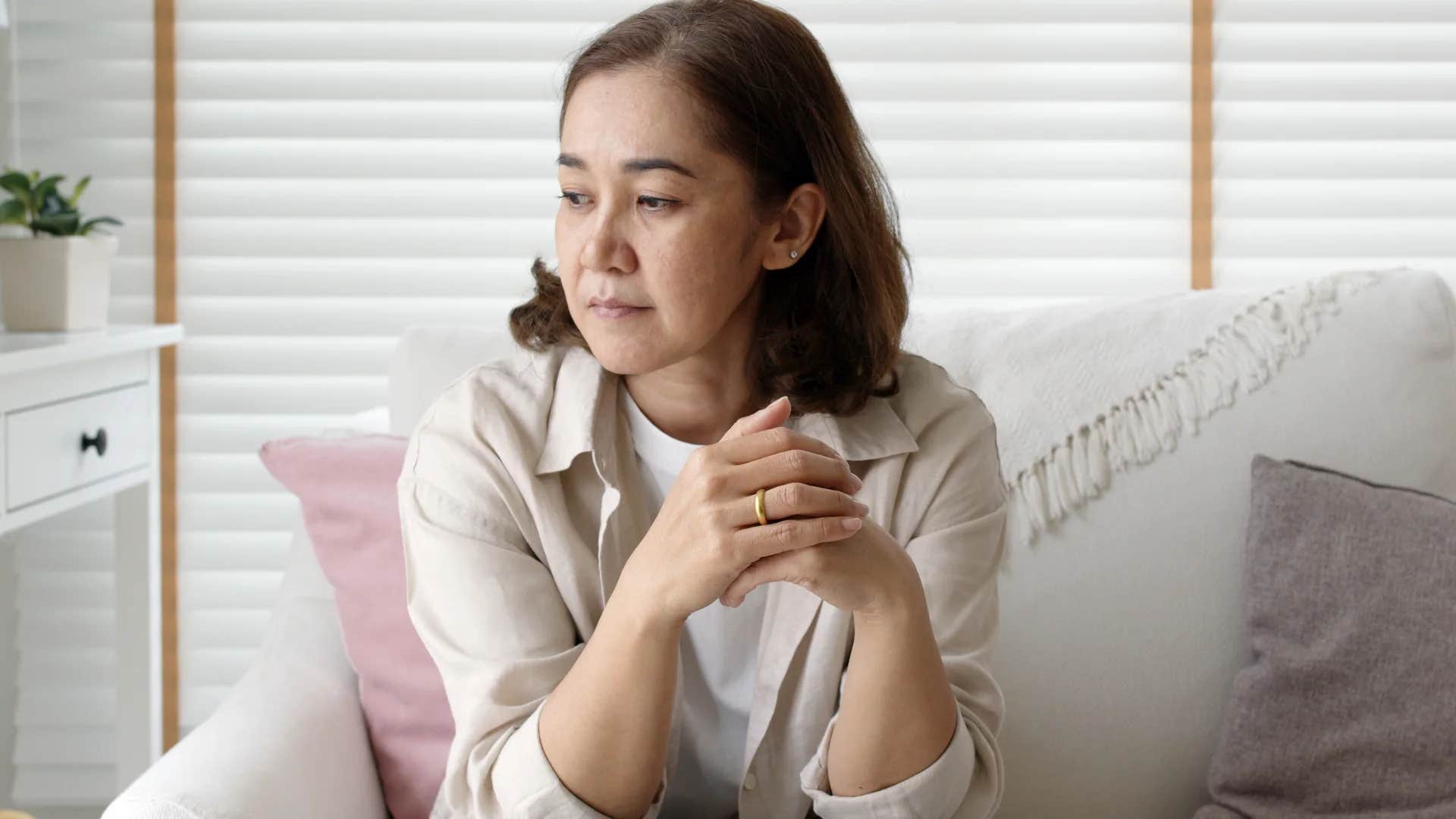
According to psychologist E. Mark Cummings, when parents don't avoid arguments with their children, they're modeling what healthy conflict-resolution should look like. But for low-quality parents, they refuse to engage with their children about any kind of disagreement, and it's incredibly toxic.
The distinction between high- and low-quality parents isn't necessarily bad parents actively do to hurt their kids or how they parent. Instead, it's the kinds of things they refuse to do, whether it's communicating openly and even accepting responsibility for being a parent at all.
3. They rarely discipline their kids
 DimaBerlin | Shutterstock
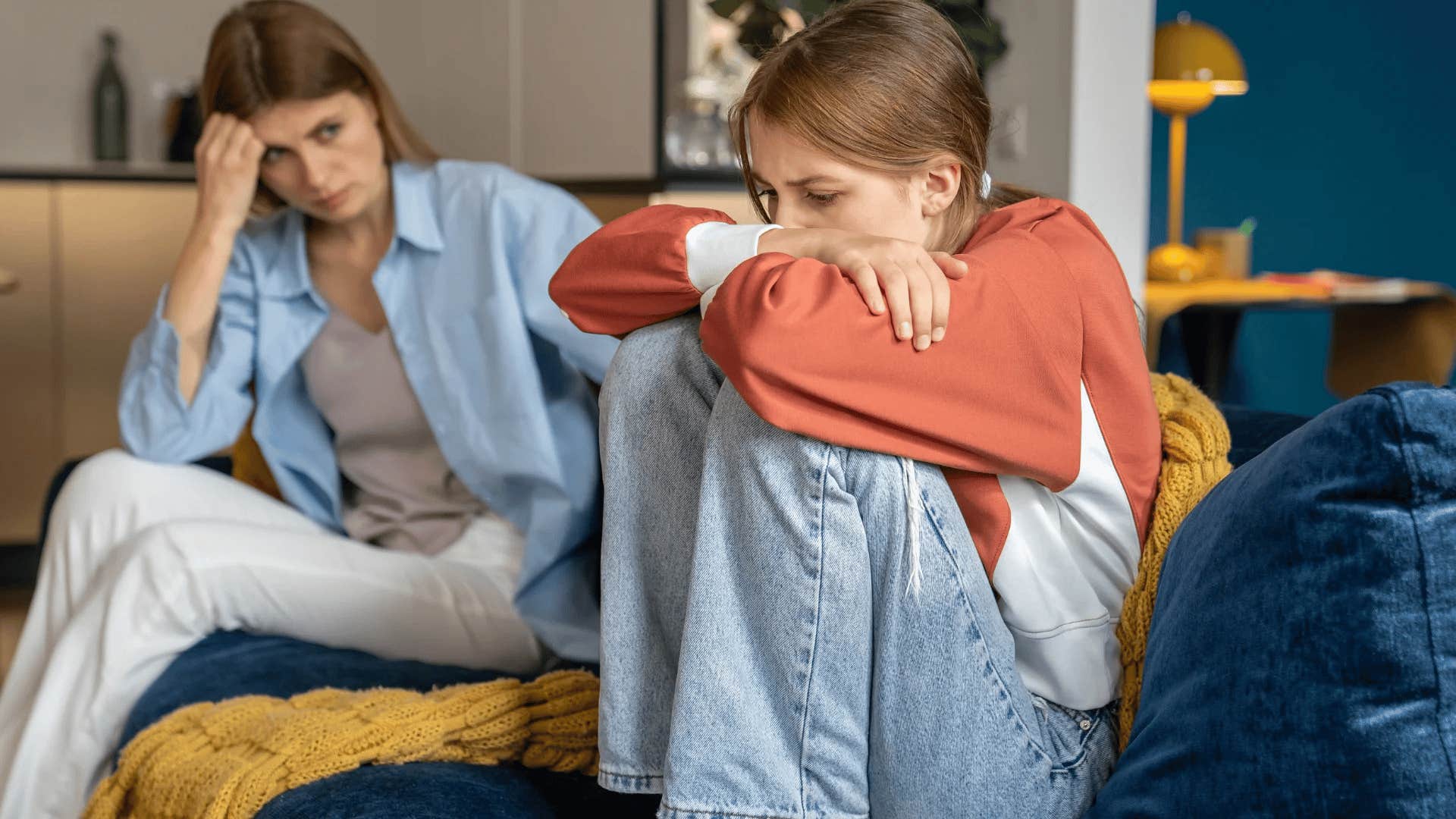
As psychotherapist Sharron Frederick explained, many children who grow up without discipline from their parents don't learn about boundaries, often left to make their own decisions and navigate adolescence without rules or stability. "Children look to parents to define what boundaries are," she said, "and the consequences that can occur if the child crosses the boundaries."
Of course, doing this isn't necessarily an indicator of a bad person, but rather, a parent that's coping with their own internal turmoil and stress in ways that disregard principles of parenthood. Refraining from discipline means their kids don't have the know-how to set boundaries and communicate their expectations.
4. They use the silent treatment
 fizkes | Shutterstock
Many transactional parents, who withheld and weaponized their affection to get what they wanted, raised children with inherently low self-esteem and self-worth. Navigating a relationship with their parents that was unstable, these children adopted a misguided truth that they were only capable of receiving and being worthy of attention and love when they had something to offer.
Whether it's the silent treatment or other subtle behaviors like being overly reliant on reward-punishment rituals, low-quality parents weaponize their kids' basic needs in toxic ways. Unfortunately, as these kids become adults, this misguided idea sabotages relationships, encouraging them to people-please and avoid expressing their needs.
5. They purposely and publicly embarrass their children
 KaterynaUKR | Shutterstock
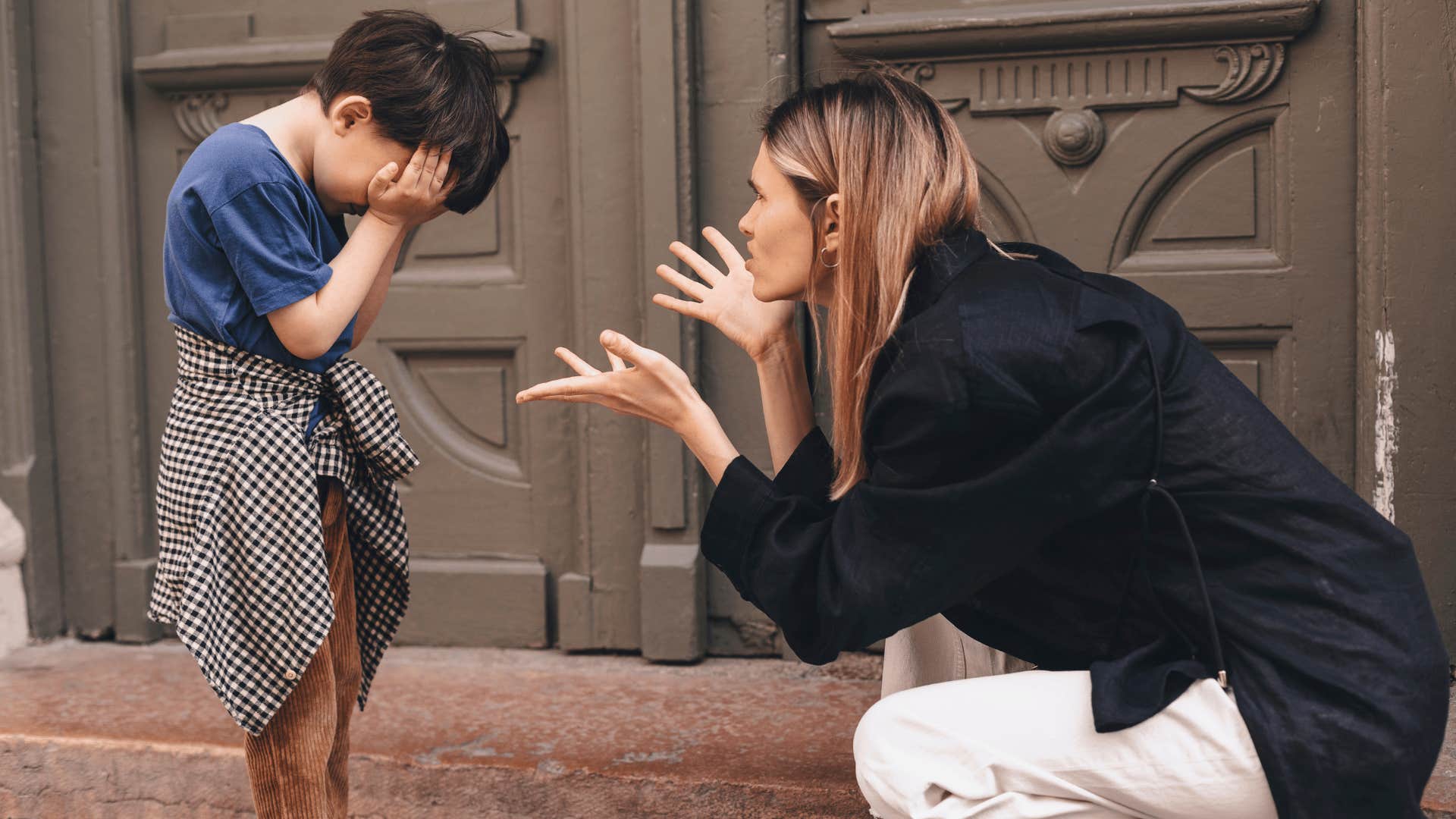
Kids who grew up being shamed and intentionally embarrassed by their parents around others often develop an overwhelming fear of failure. They're incredibly worried they'll be judged for not meeting perfectionist standards or appeasing other people in their lives.
According to a study published in the Journal of Clinical Child & Adolescent Psychology, parents, specifically fathers, often spark feelings of shame and guilt in their children from a young age by relying on permissive parenting styles characterized by a lack of formal boundaries and expectations.
In this specific study, parents who viewed their children as "friends" and vice versa were more likely to create low self-esteem and shame in their kids, alongside more formal events like fostering a negative relationship with or separating from their spouse.
Into adulthood, this rare and subtle behavior can take different forms, like a parent speaking poorly about their kids behind their back to others. While it's hard to acknowledge and contextualize, being shamed into meeting expectations or doing what your parents ask is evident of toxic behaviors on the parents' part.
6. They sabotage trust at every turn
 MAYA LAB | Shutterstock
Considering parents are a child's first authority figure in many ways, when low-quality people weaponize their children's emotions, they're creating an unstable family dynamic at home. So, it makes sense that these children eventually become children who harbor mistrust and resentment, particularly towards authority.
Parental alienation and avoidant behaviors are a kind of emotional manipulation, but they can also sabotage the trust required in a healthy family dynamic. Many low-quality parents often swap out open conversations and emotional expression for guilt-tripping and avoidance. This, in turn encourages kids to constantly live in fight-or-flight, unable to trust people simply because of their status.
While it might seem subtle growing up or even for parents amid the chaos of their responsibilities, nurturing and practicing trust is essential. That doesn't just go for the family dynamic, but for children's relationships and power dynamics later in life.
7. They rely on their kids for emotional support
 DimaBerlin | Shutterstock
According to licensed professional counselor Brooke Keels, immature parents often lack self-awareness and the emotional intelligence required to healthily regulate and cope with their own feelings. It encourages them to lean on their kids for emotional support in ways that can spark anxiety and people-pleasing tendencies in them from an early age.
Instead of providing a safe space for their children to communicate their needs and discuss their feelings, low-quality parents rely on their kids to self-soothe. When their child makes a mistake, they often weaponize their complex emotions and reactions to spark guilt in their kids, encouraging them to take the blame and apologize.
8. They never praise or validate their kids
 juninatt | Shutterstock
According to therapist Dr. Heather Stevenson, feeling overly sensitive toward other people's emotions and energy in adulthood is often an indicator of having low-quality, toxic parents. Perhaps they forced their kids to soothe them after outbursts or had people-pleasing tendencies to keep the peace during conflict at home.
"If you were raised by an emotionally immature parent, you might be someone who feels things very deeply and pays a lot of attention to emotions," Stevenson suggested. "You might be highly perceptive to the emotional state of others, as well as your own unmet emotional needs."
9. They give advice, but not encouragement
 pics five | Shutterstock
Especially in situations where a child is hoping to vent their frustrations or feel supported by their parents, being met with advice and solution-oriented thinking can have serious consequences. While it's often well-intentioned, unsolicited advice causes people to feel anxious, as well as dismissed and invalidated.
For children who are consistently met with advice from parents, rather than encouragement, they're often put into a mindset where they feel the need to solve their emotional dilemmas and anxieties on their own, rather than acknowledge and make space for them. As adults, they have emotional turmoil and fear, and are more likely to suppress or avoid uncomfortable emotions.
10. They ignore any questions
 theshots.co | Shutterstock
Children who experience curiosity and feel supported in seeking out wonder often develop healthier relationships and end up being more intelligent than kids forced to adhere to rigid expectations and standards, according to a study from Current Opinion in Behavioral Sciences.
While curiosity is linked to intelligence, not ever child has the chance to feel empowered to ask questions or seek out new experiences from a young age. When they have low-quality parents, they may ignore any information they're trying to learn.
These parents won't celebrate their kids' curiosity and condemn them for asking questions. They likely hold them to rigid expectations of success and social norms outside the lens of creativity and genuine self-expression, sparking low self-esteem and anxiety from an early age.
11. They expect blind obedience
 Drazen Zigic | Shutterstock
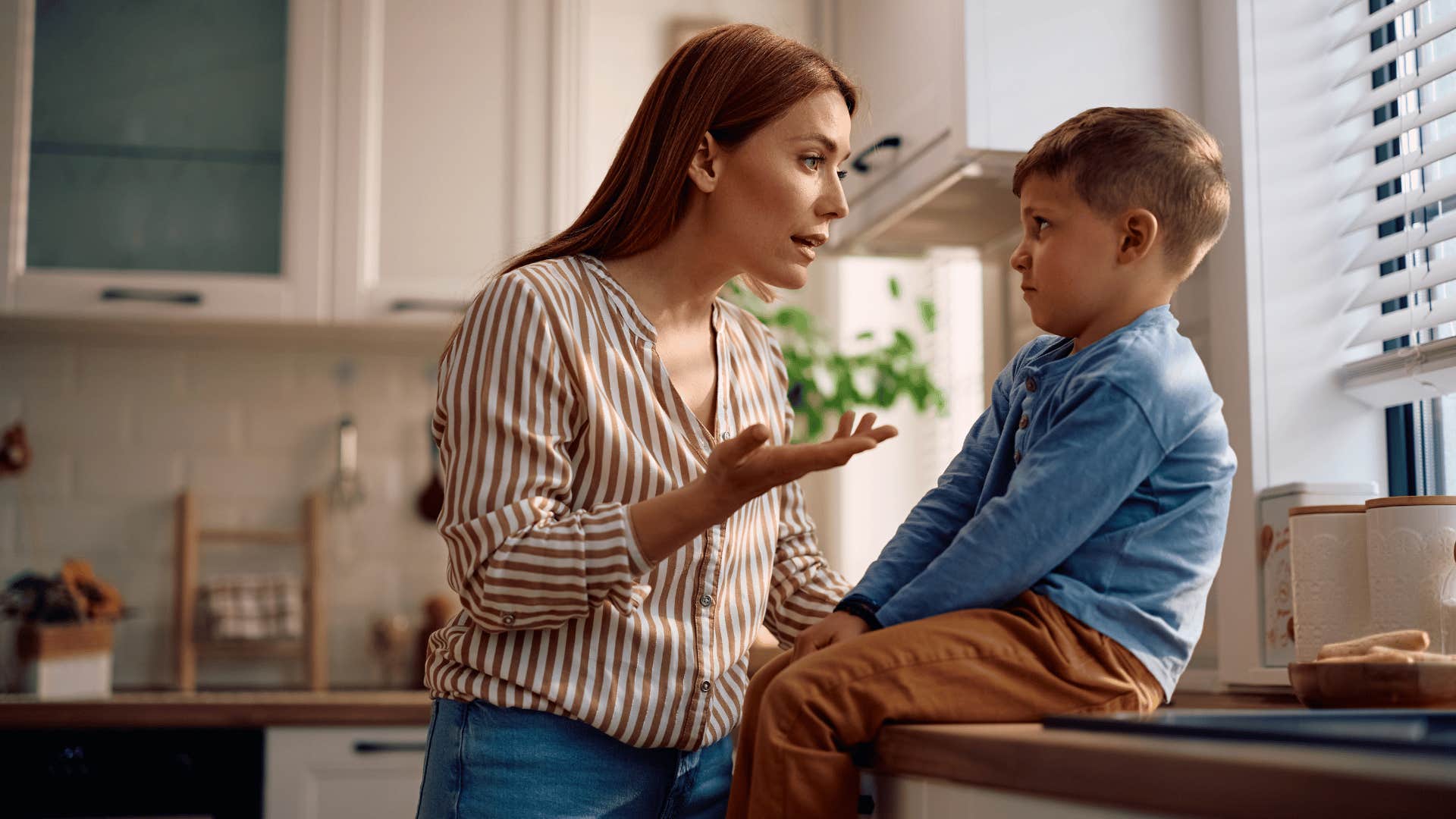
Teaching kids about fundamental relationship principles like respect and responsibility starts with modeling healthy behaviors. For example, opening up vulnerable conversations and using respectful language even in the heat of an argument.
But many low-quality parents subconsciously sabotage those principles in their children by being more concerned with blind obedience and transactional reward systems. In fact, people who grow up with controlling parents, who expect blind obedience and misguided power dynamics, often develop long-term emotional struggles like anxiety and depression as a result.
Zayda Slabbekoorn is a senior editorial strategist with a bachelor's degree in social relations & policy and gender studies who focuses on psychology, relationships, self-help, and human interest stories.

